Hazardous waste
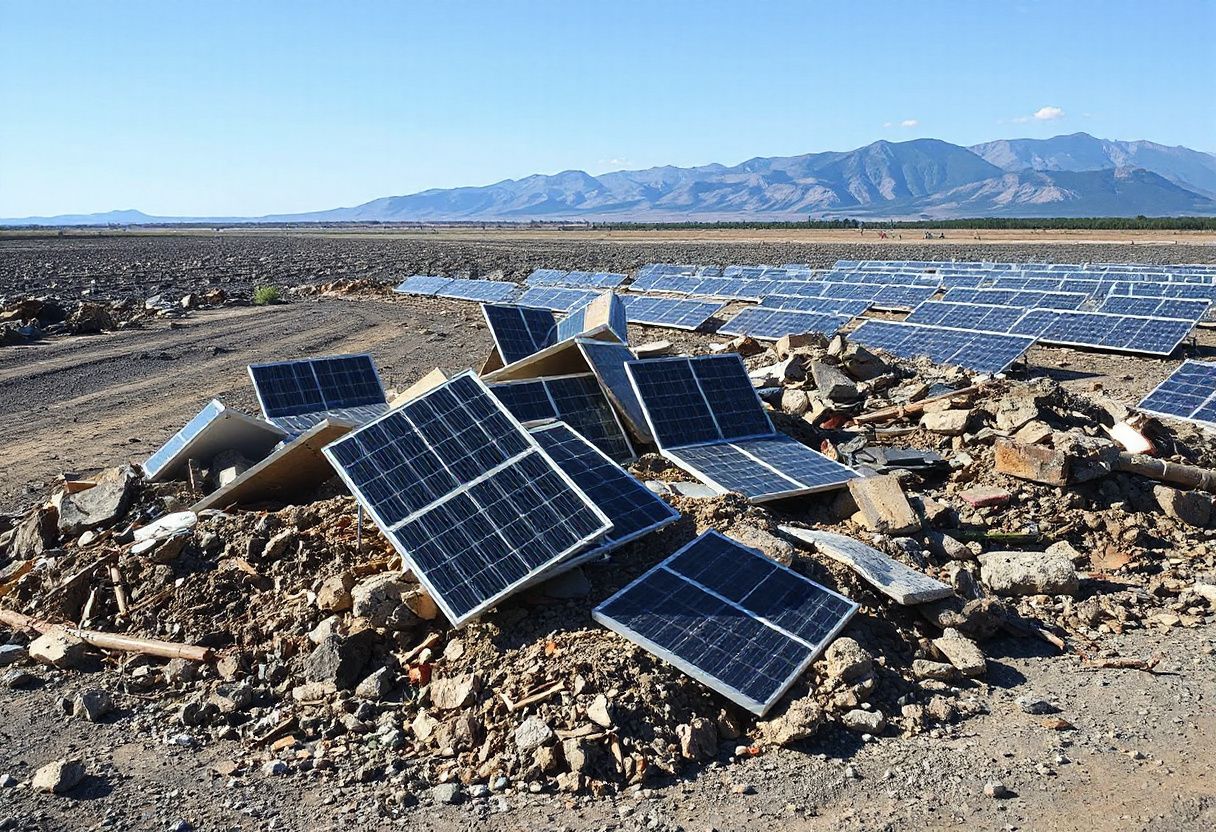
Technologies for safe management of solar panel and photovoltaic cell waste
28.09.2026
Effective disposal and recycling of spent solar panels is a critical condition for preventing environmental pollution by toxic heavy metals. Modern technologies make it possible to safely neutralize hazardous components of photovoltaic cells and extract valuable materials for their reuse in production. This ensures environmental sustainability and the sustainable development of renewable energy as a whole.
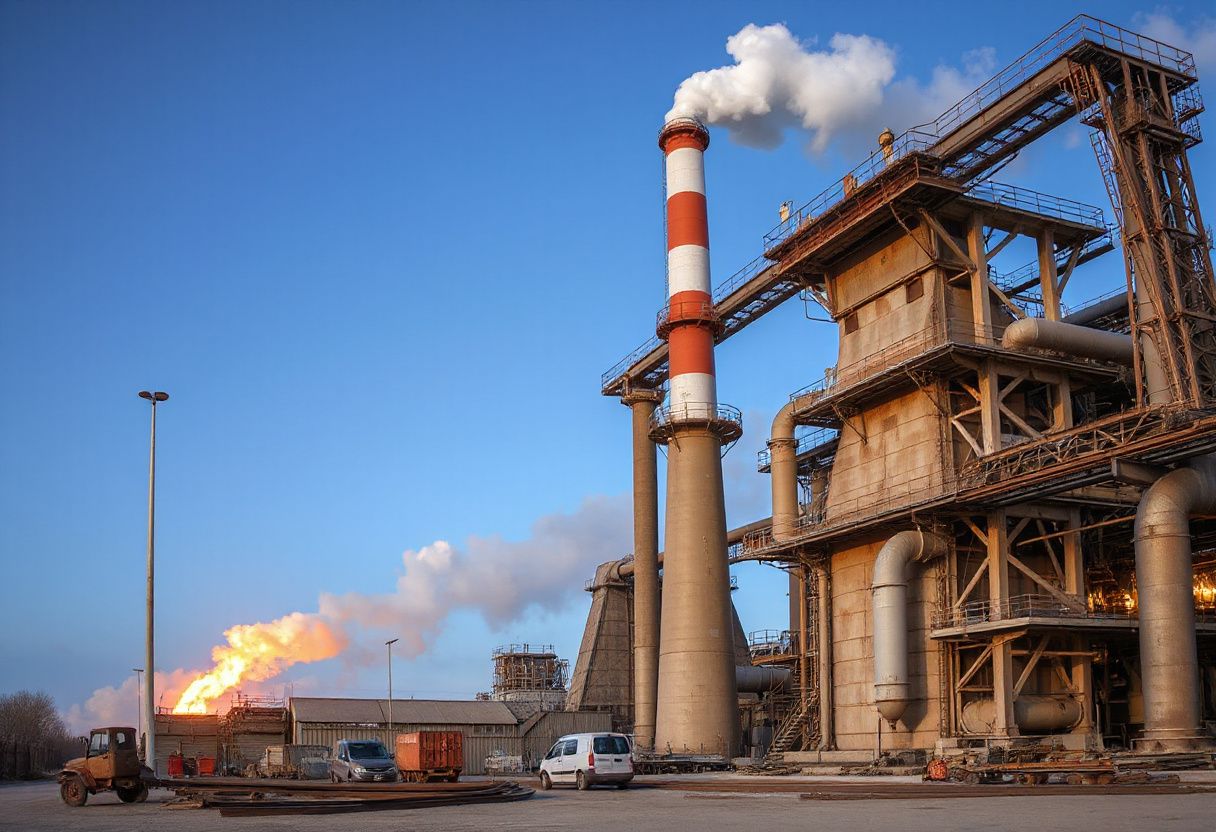
Methods of recovery and purification of waste technical gases at metallurgical enterprises
28.09.2026
Metallurgical enterprises are powerful sources of emissions of harmful substances, so the implementation of modern methods of heat recovery and purification of waste industrial gases is critically important for environmental protection. Effective capture of thermal energy and valuable chemical components significantly reduces the technogenic load on the atmosphere and increases the overall energy efficiency of production. The comprehensive application of dry and wet gas cleaning systems ensures compliance with environmental standards and the rational use of resources in ferrous and non-ferrous metallurgy.
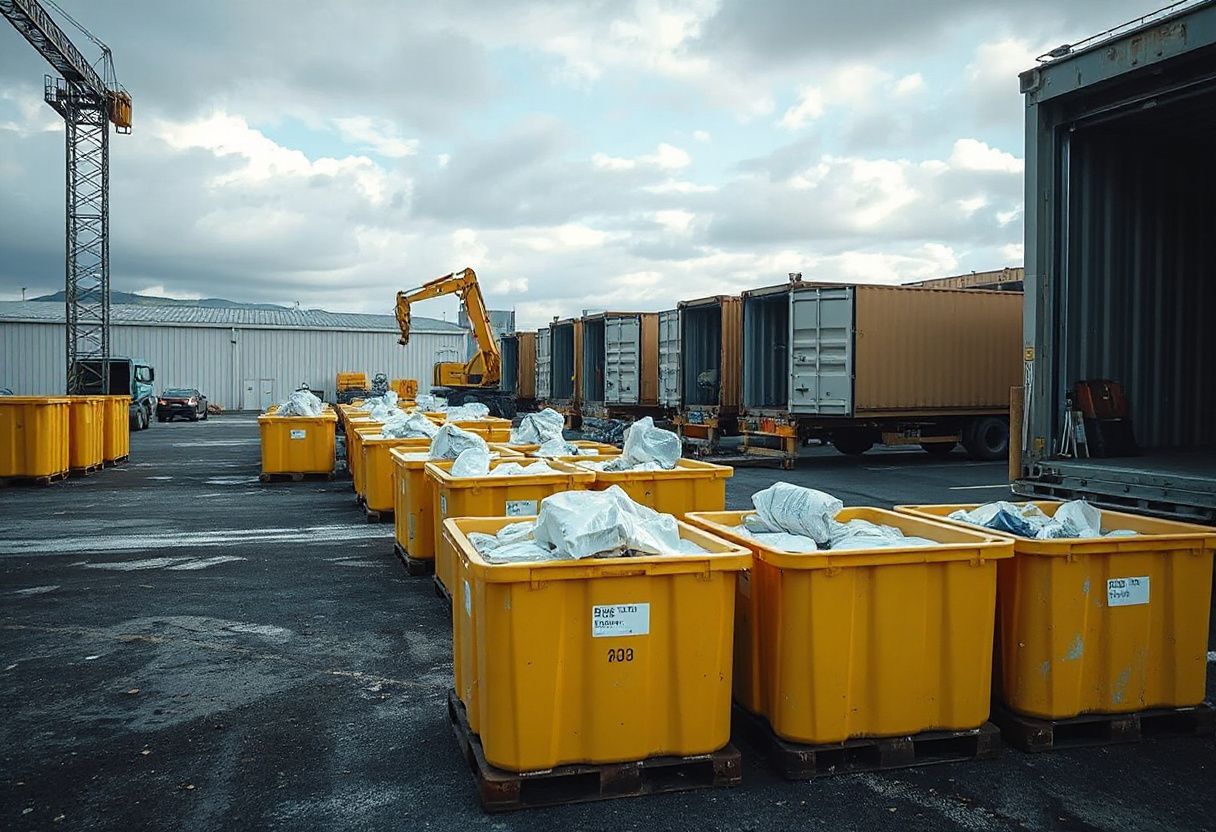
Recycling and neutralization of hazardous medical waste from pharmaceutical manufacturing
27.09.2026
Processing and disposal of hazardous medical waste from pharmaceutical production is a critically important stage in ensuring environmental safety and protecting public health. Modern technologies involve the use of high-temperature incineration, thermal disinfection, and chemical neutralization for the complete destruction of toxic substances and pathogens. Effective management of such waste prevents environmental pollution and complies with stringent international environmental standards.
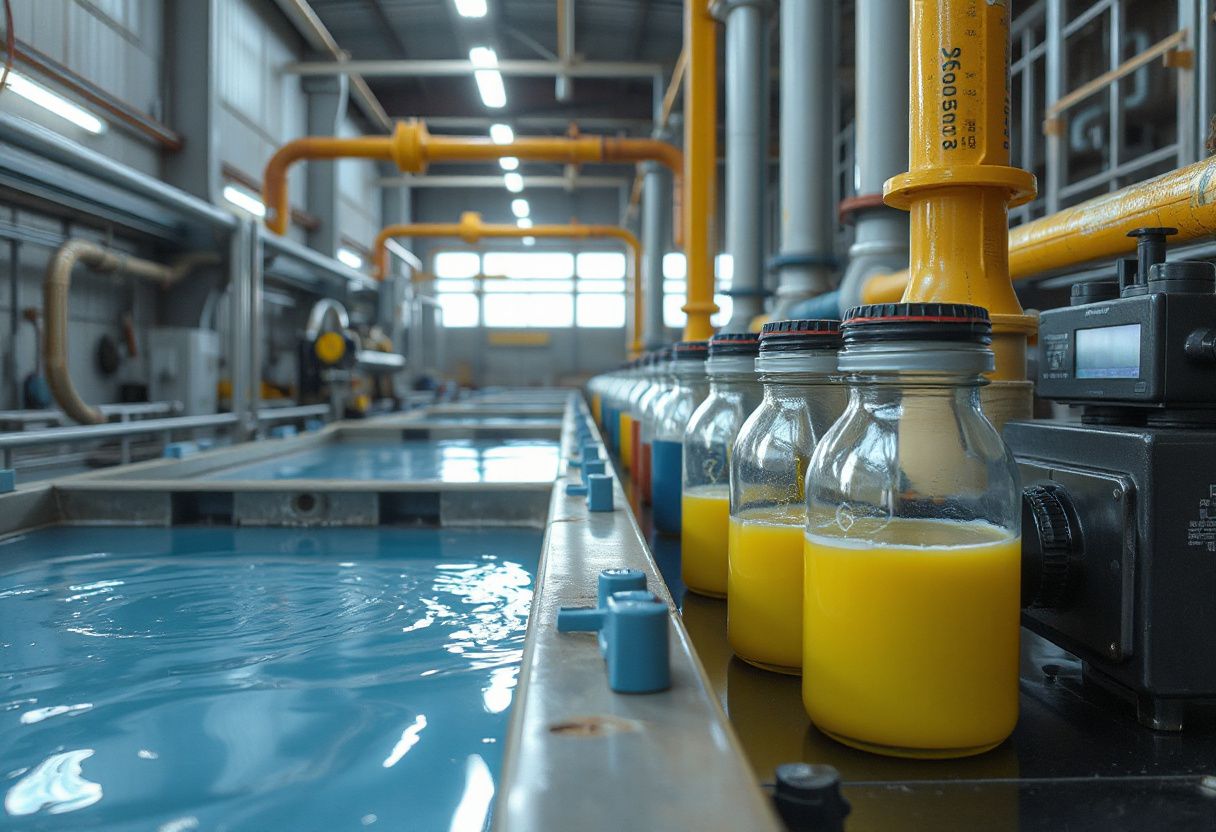
Wastewater treatment technologies for textile enterprises from synthetic dyes
25.09.2026
The textile industry is one of the largest sources of environmental pollution by wastewater containing highly toxic synthetic dyes and heavy metals. To effectively neutralize such effluents, a complex of modern methods is used, including physical-chemical, biological, and advanced oxidation processes. The introduction of innovative treatment technologies makes it possible not only to minimize environmental damage, but also to ensure the reuse of purified water in the production cycle.
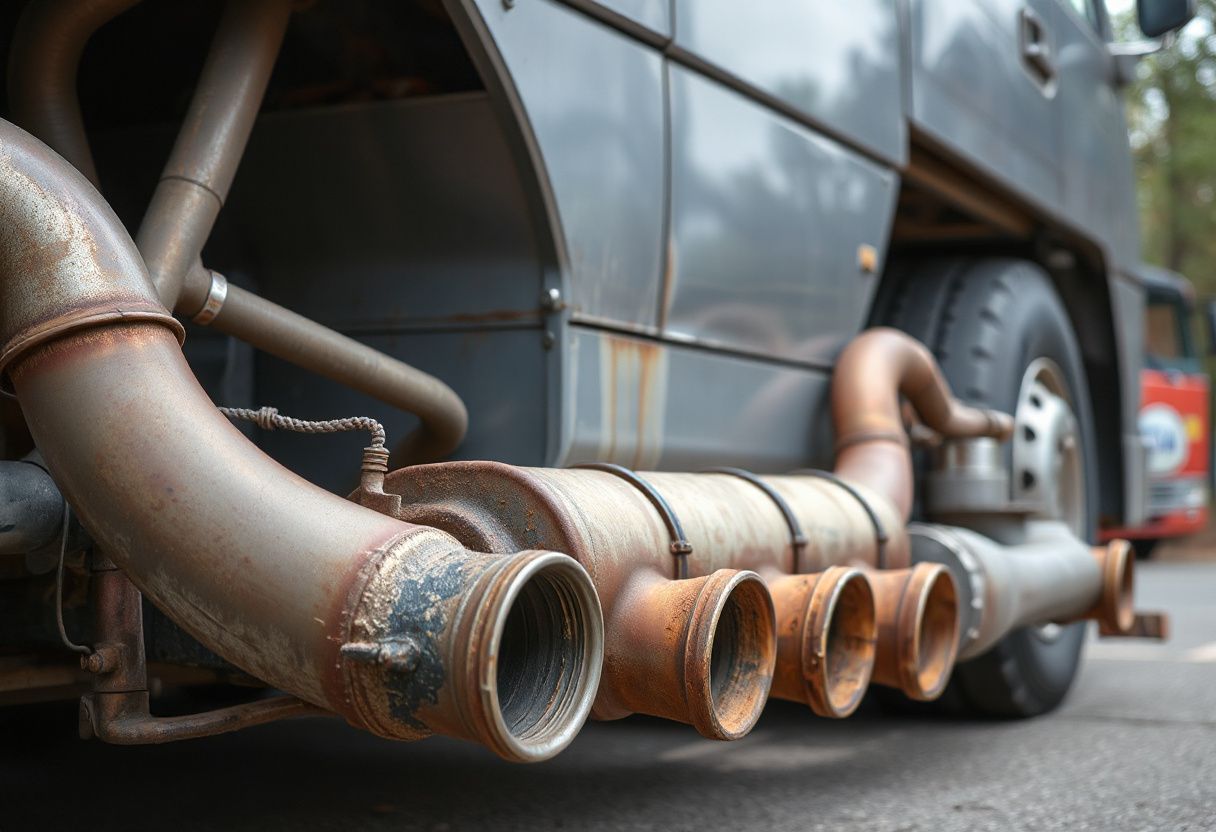
Innovative approaches to the collection and processing of spent automotive catalysts
24.09.2026
Innovative approaches to the collection and recycling of spent automotive catalysts are based on the application of modern sorting methods using X-ray fluorescence analysis and advanced hydrometallurgical technologies. This allows for the highly efficient extraction of precious metals such as platinum, palladium, and rhodium, while minimizing harmful environmental impacts. Such environmentally safe solutions contribute to the development of the circular economy and ensure the reuse of critical raw materials for the automotive industry.
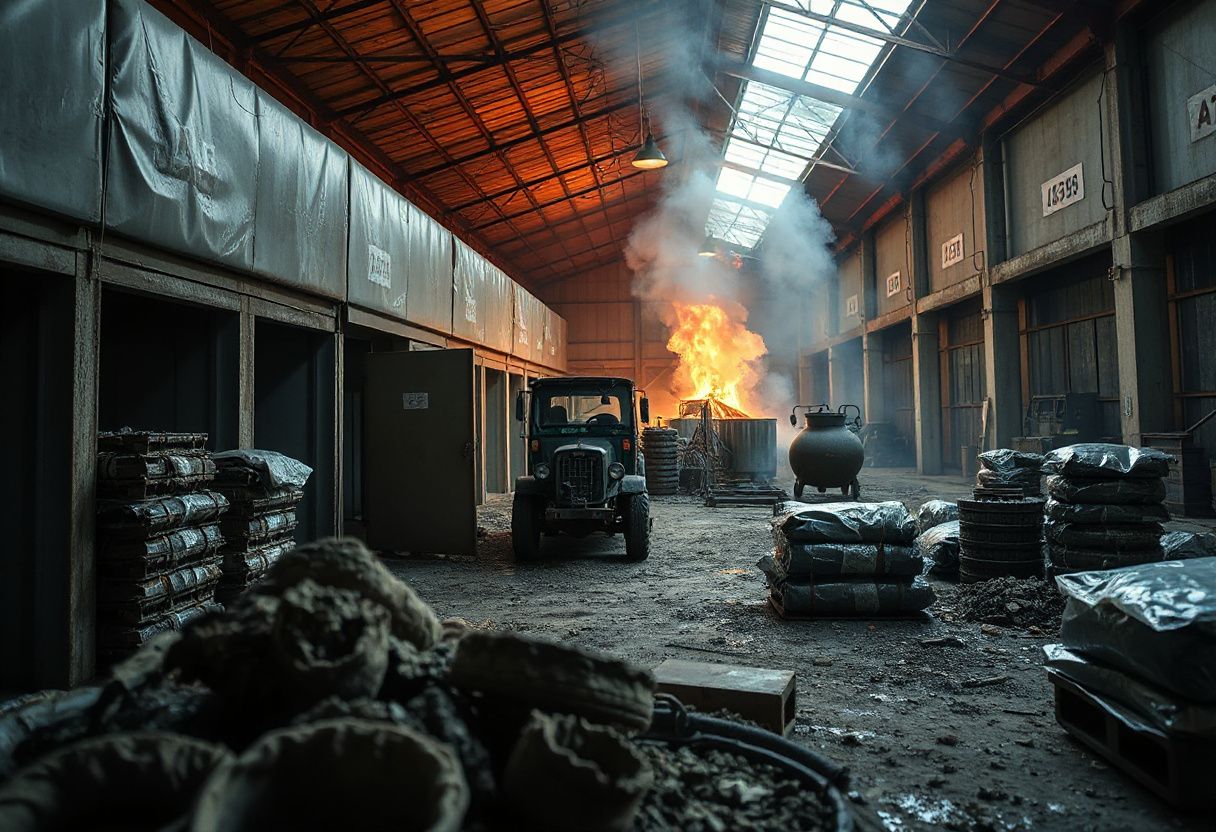
Safe handling methods for agrochemical and pesticide waste in agriculture
23.09.2026
Safe handling of agrochemicals and pesticides in agriculture involves strict compliance with the rules for their storage, transportation, and application into the soil using personal protective equipment. A key element of environmental safety is the proper disposal of leftover preparations and the neutralization of empty containers in accordance with current environmental regulations. This helps to minimize the risks of environmental and water resource contamination and prevents negative impacts on human and animal health.
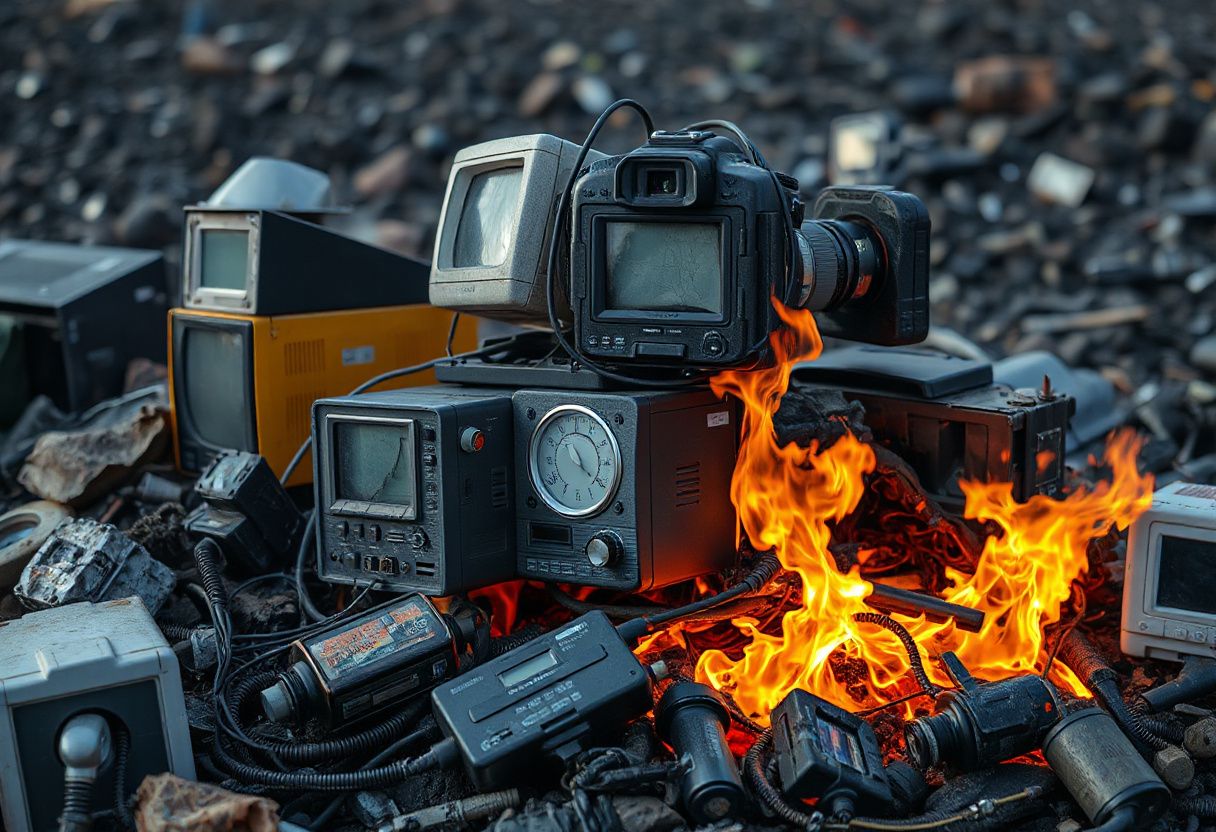
Technologies for the disposal and recycling of electronic waste and printed circuit boards
22.09.2026
Modern technologies for the disposal and recycling of e-waste and printed circuit boards combine mechanical, pyrometallurgical, and hydrometallurgical methods to efficiently extract valuable and rare earth metals. This makes it possible not only to minimize the toxic impact of hazardous components on the environment, but also to ensure their reuse within the framework of the circular economy concept.
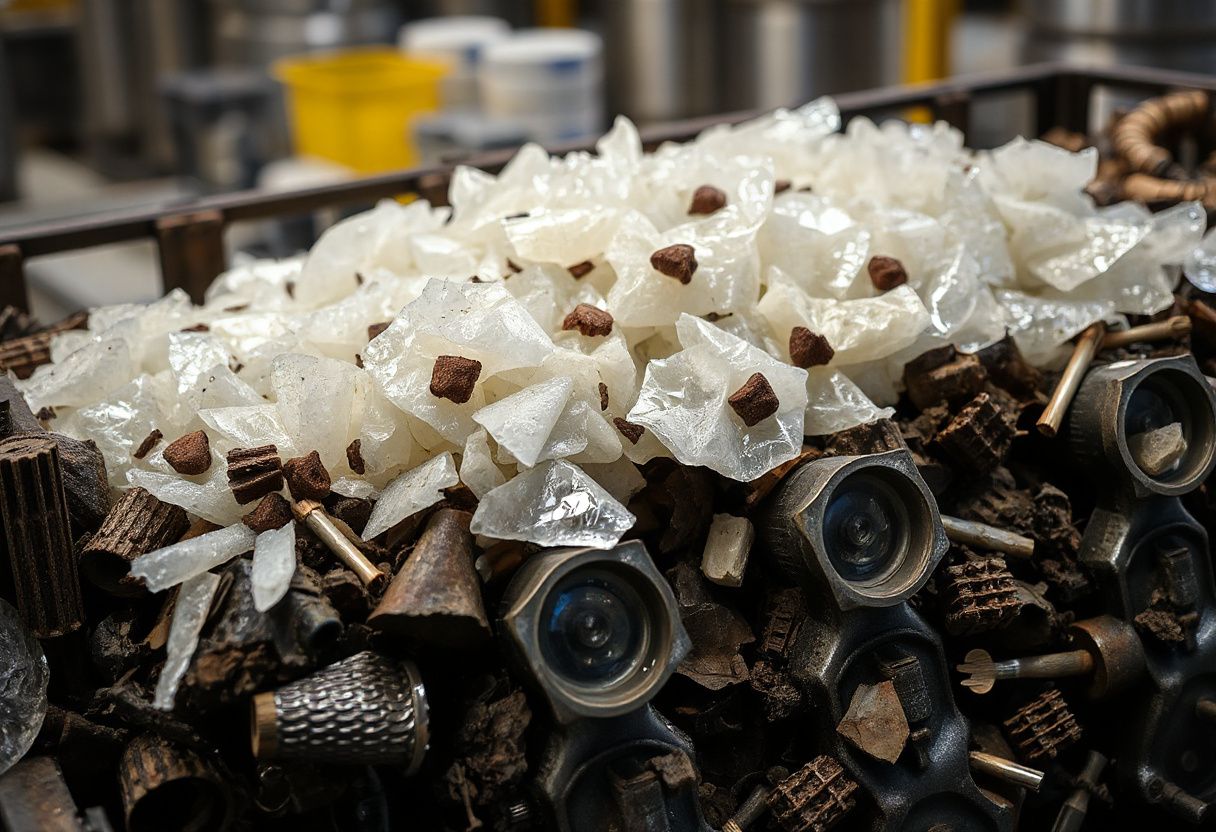
Management of fiberglass and composite material waste in production
22.09.2026
Effective management of fiberglass and composite material waste in manufacturing is critically important for minimizing negative environmental impacts and complying with environmental standards. Modern enterprises are implementing innovative methods of recycling, reuse, and safe disposal of such specific materials. This not only helps reduce raw material costs but also optimizes production processes in accordance with circular economy principles.
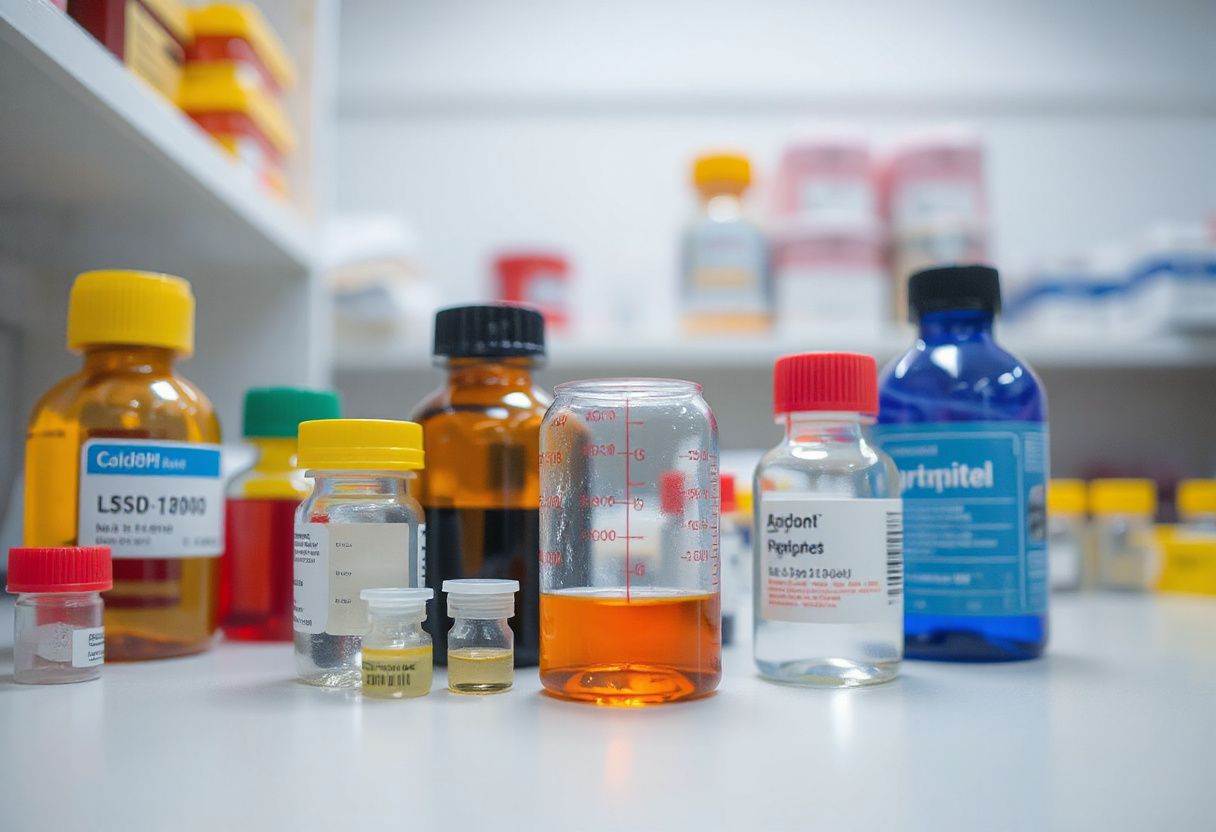
Effective technologies for the disposal of expired hazardous chemical reagents
22.09.2026
Effective neutralization of expired hazardous chemical reagents requires the application of modern innovative methods, such as plasmochemical destruction, supercritical fluid oxidation, and high-temperature incineration. These technologies allow minimizing risks to the environment and human health through the complete conversion of toxic compounds into safe end products. The implementation of such comprehensive approaches is critically important for the safe disposal of accumulated industrial and laboratory waste.
Waste Search
Calculate cost?
Calculate processing cost for