Hazardous waste

Application of circular economy principles in industrial enterprises
25.06.2026
The implementation of circular economy principles in industrial enterprises involves a transition to a model that maximizes resource value and minimizes waste throughout the product's entire life cycle. This is achieved through design optimization, material reuse, resource recovery, and the integration of ecological innovations, contributing to sustainable operations and economic efficiency.
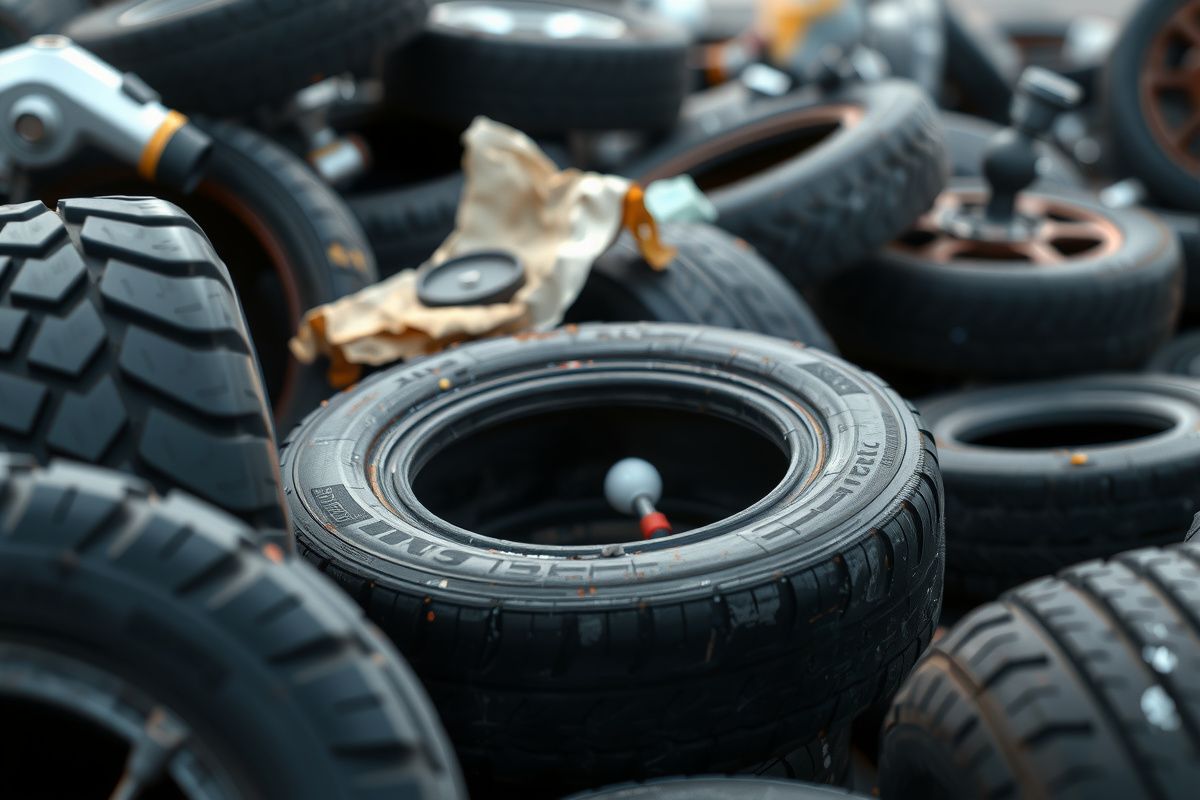
Management and recycling of waste automotive tires in industry
24.06.2026
Management and processing of end-of-life vehicle tires is a key industrial challenge aimed at reducing waste and sustainable resource utilization. Industrial methods include mechanical shredding to obtain rubber crumb, pyrolysis for the production of fuel and chemical substances, as well as the use of tires as an alternative fuel. These approaches allow not only to solve environmental problems but also to create new valuable products and energy for various industries.

Processing of polymer and plastic waste in industry for the creation of secondary raw materials
23.06.2026
Industrial processing of polymer and plastic waste is a critically important area for reducing environmental burden and rational resource utilization. This process allows for the conversion of used materials into valuable secondary raw materials, which can be re-integrated into production cycles for the creation of new products.
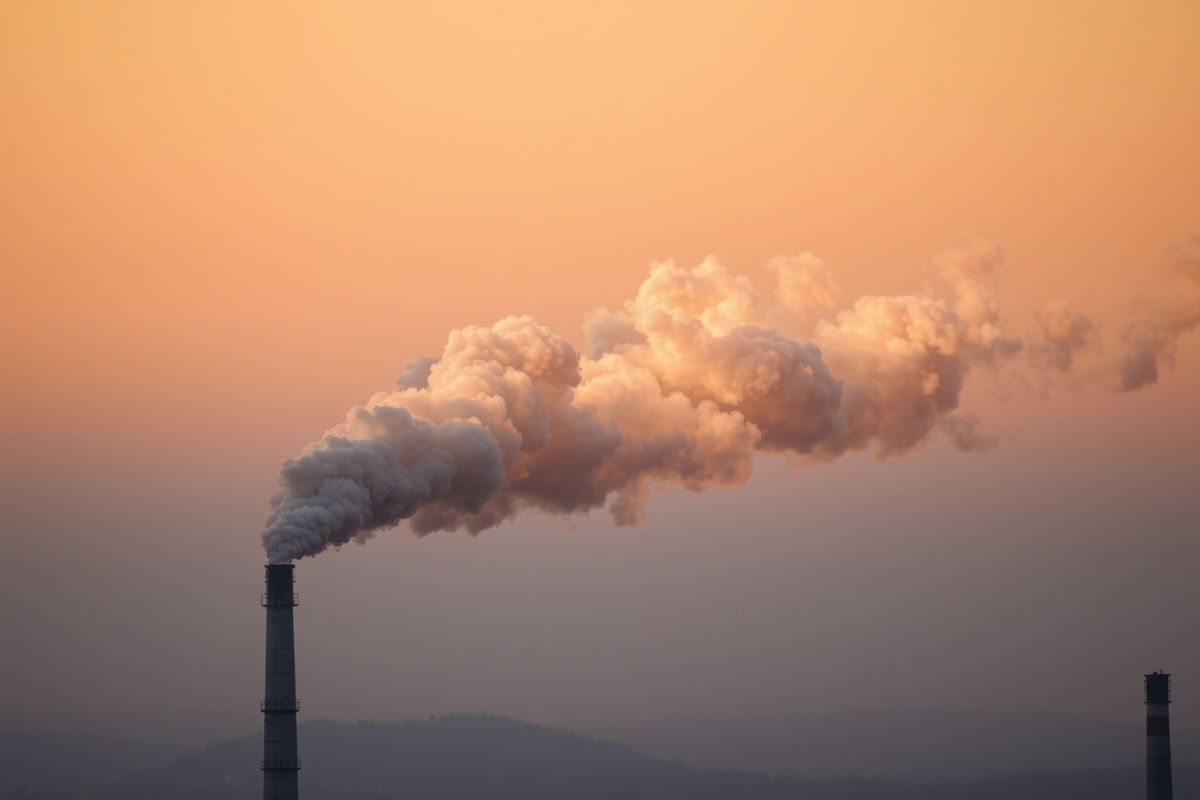
Innovative methods for cleaning industrial gas emissions from harmful impurities
22.06.2026
Modern innovative methods for purifying industrial gas emissions focus on the highly efficient removal of harmful impurities, such as nitrogen oxides, sulfur, particulate matter, and volatile organic compounds. They include the application of advanced catalytic, plasma, membrane, and adsorption technologies. These approaches ensure a significant reduction in emissions, contributing to environmental protection and sustainable industrial development.
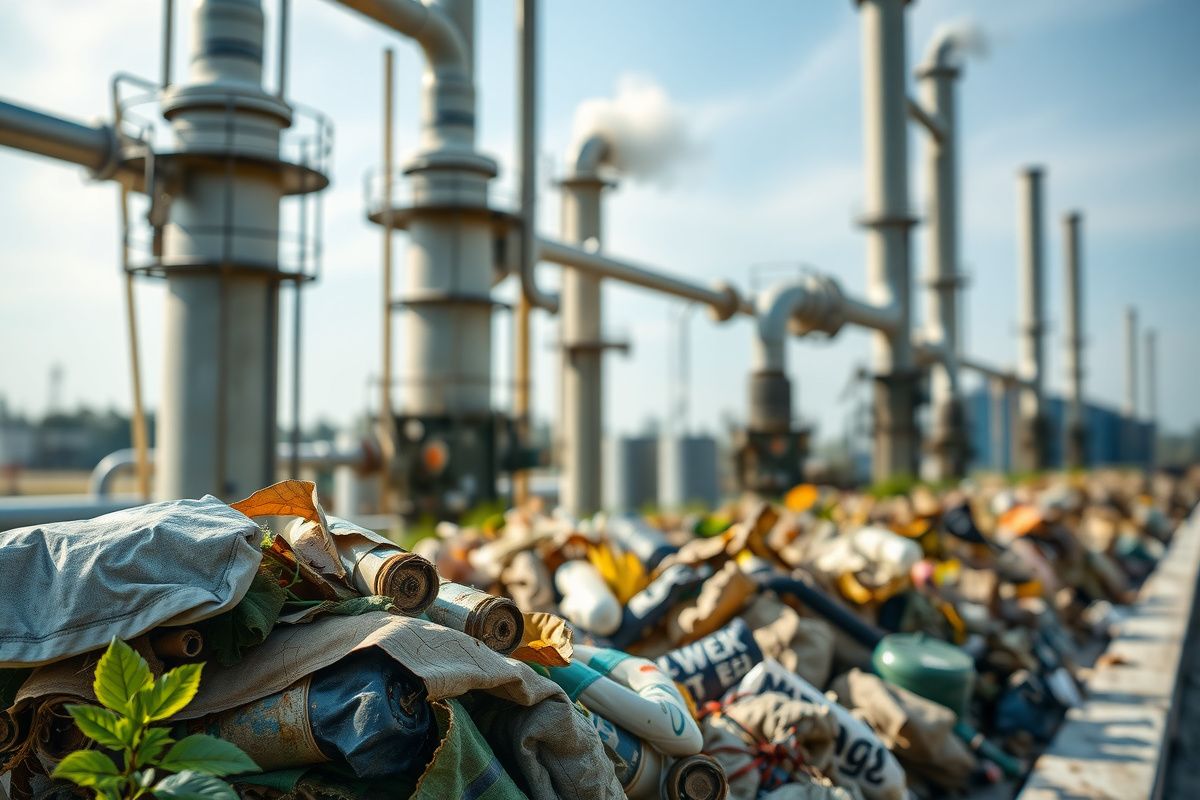
Use of biomass and organic industrial waste for biofuel production
21.06.2026
The use of biomass and organic industrial waste is a key direction for sustainable biofuel production. This approach allows for the efficient conversion of agricultural and industrial by-products into valuable energy sources, reducing dependence on fossil fuels and minimizing environmental impact.
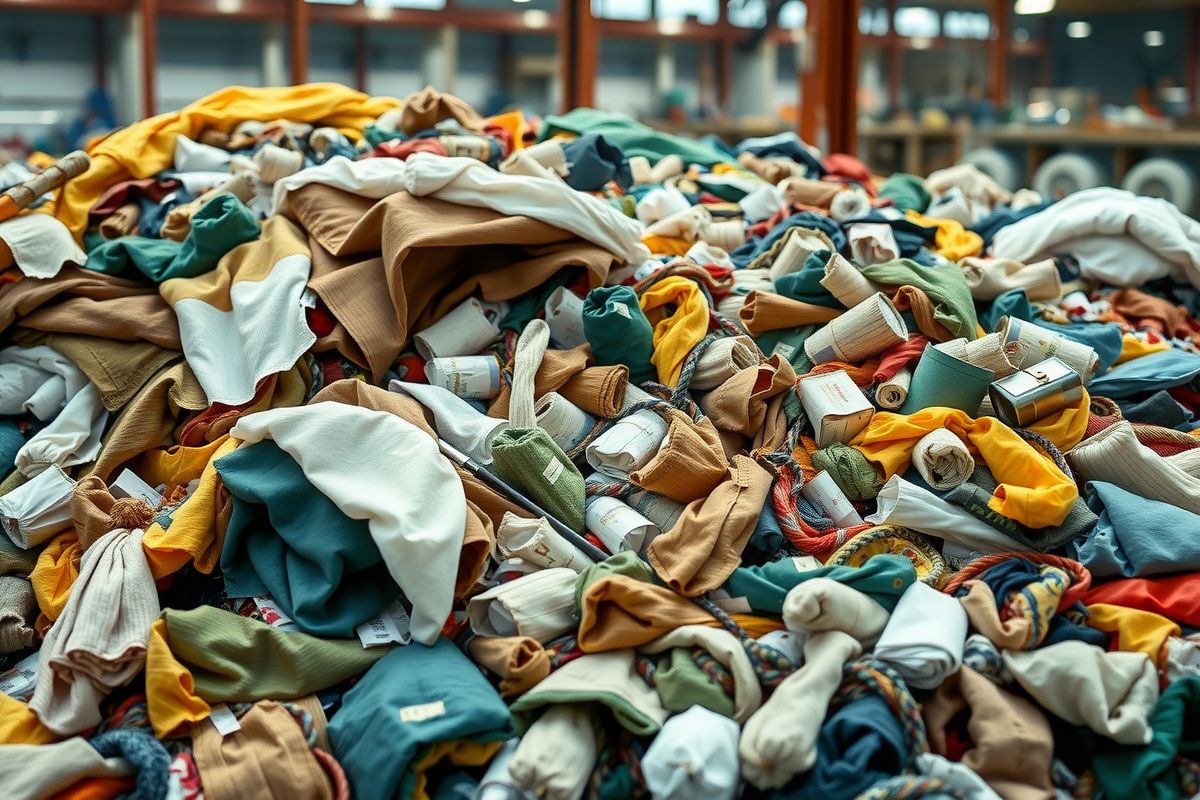
Technologies for recycling and reuse of industrial textile waste
20.06.2026
Technologies for processing industrial textile waste are key to creating a circular economy and reducing environmental impact. They encompass mechanical, chemical, and thermal methods that allow waste to be transformed into new raw materials or finished products. Such an approach contributes to the efficient use of resources and the sustainable development of the industry.

Recycling of spent industrial oils and lubricants
19.06.2026
Recycling of spent industrial oils and lubricants is crucial for environmental protection and the conservation of natural resources. This process allows for the regeneration of valuable base oils and other components, reducing the need for new raw material extraction, minimizing waste, and contributing to the sustainable development of industry.
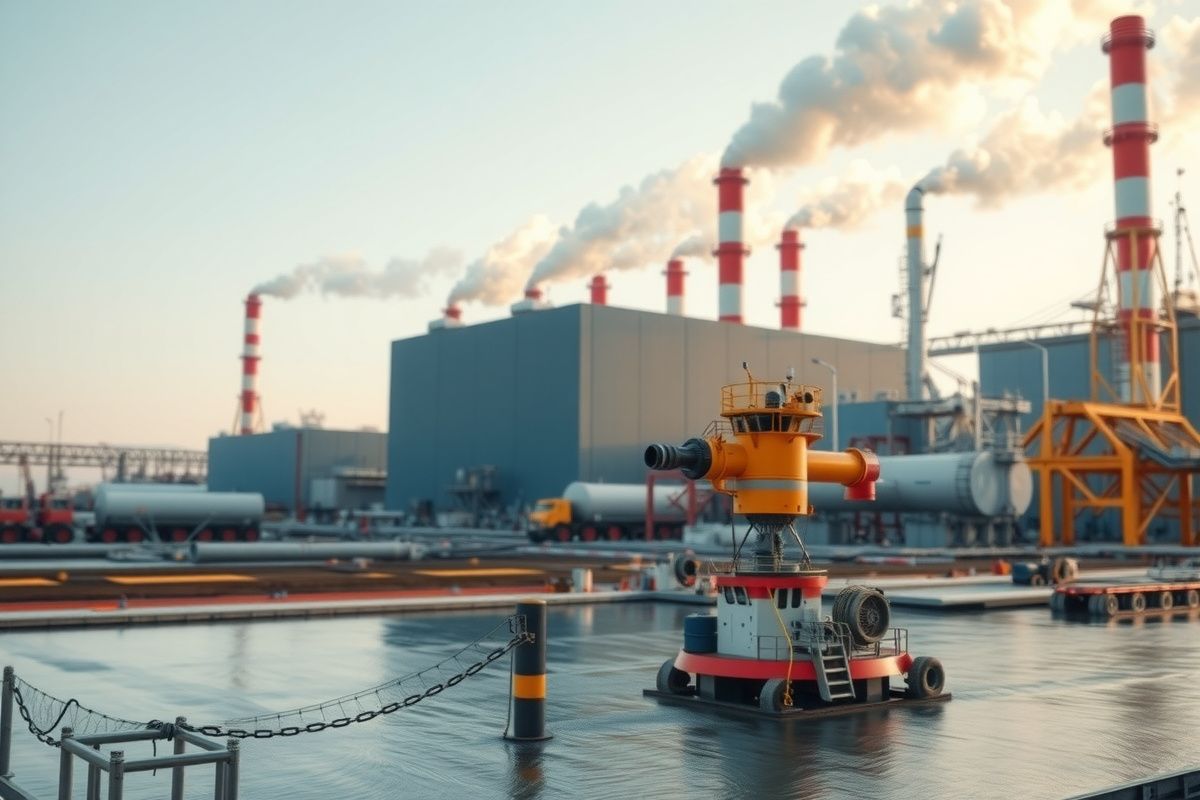
Carbon capture and utilization technologies in industry
18.06.2026
Carbon capture and utilization technologies play a key role in the decarbonization of industry, allowing for the efficient capture of CO2 emissions from industrial processes. The captured carbon is then either safely stored or converted into valuable products, contributing to the reduction of climate impact and the creation of a sustainable circular economy.
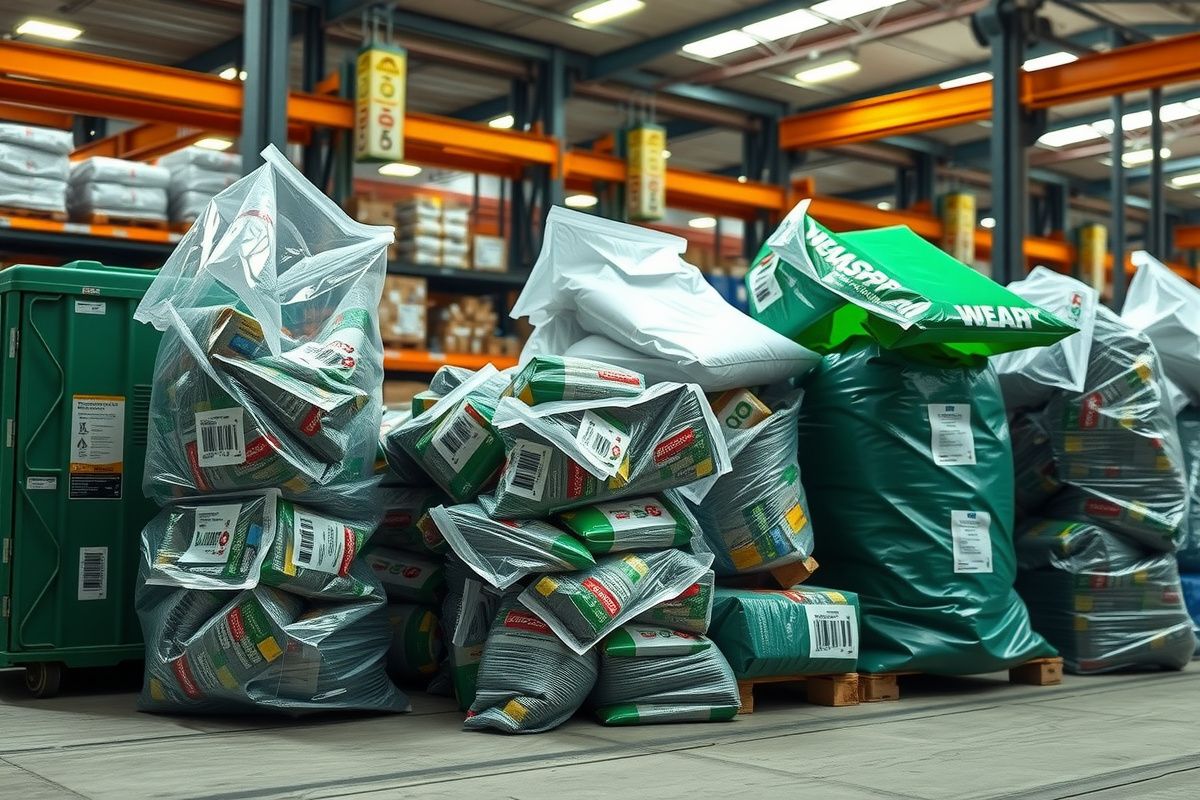
Optimization of industrial packaging waste management
17.06.2026
Optimizing the management of industrial packaging waste is critically important for reducing its volume and minimizing its negative impact on the environment. It involves implementing effective strategies for collecting, sorting, recycling, and reusing materials, which contributes to both environmental sustainability and the economic benefit of enterprises.
Waste Search
Calculate cost?
Calculate processing cost for