Hazardous waste
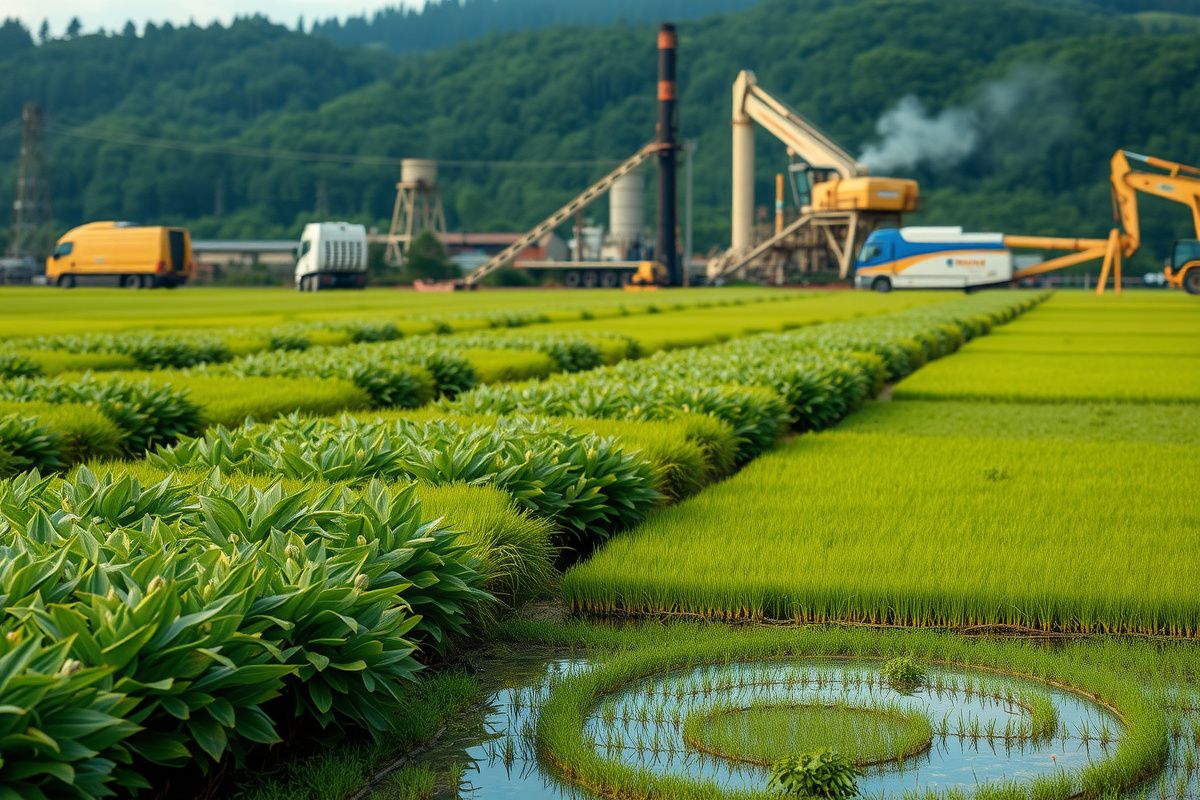
Methods of territory restoration after industrial activity
17.05.2026
Restoration of territories after industrial activity is a multi-stage process that includes a complex of engineering, chemical, and biological methods. This encompasses technical reclamation for soil stabilization and landscape formation, as well as biological approaches for restoring fertility, phytoremediation, and returning biodiversity. The ultimate goal is the transformation of degraded lands into ecologically sustainable and suitable sites for further use.
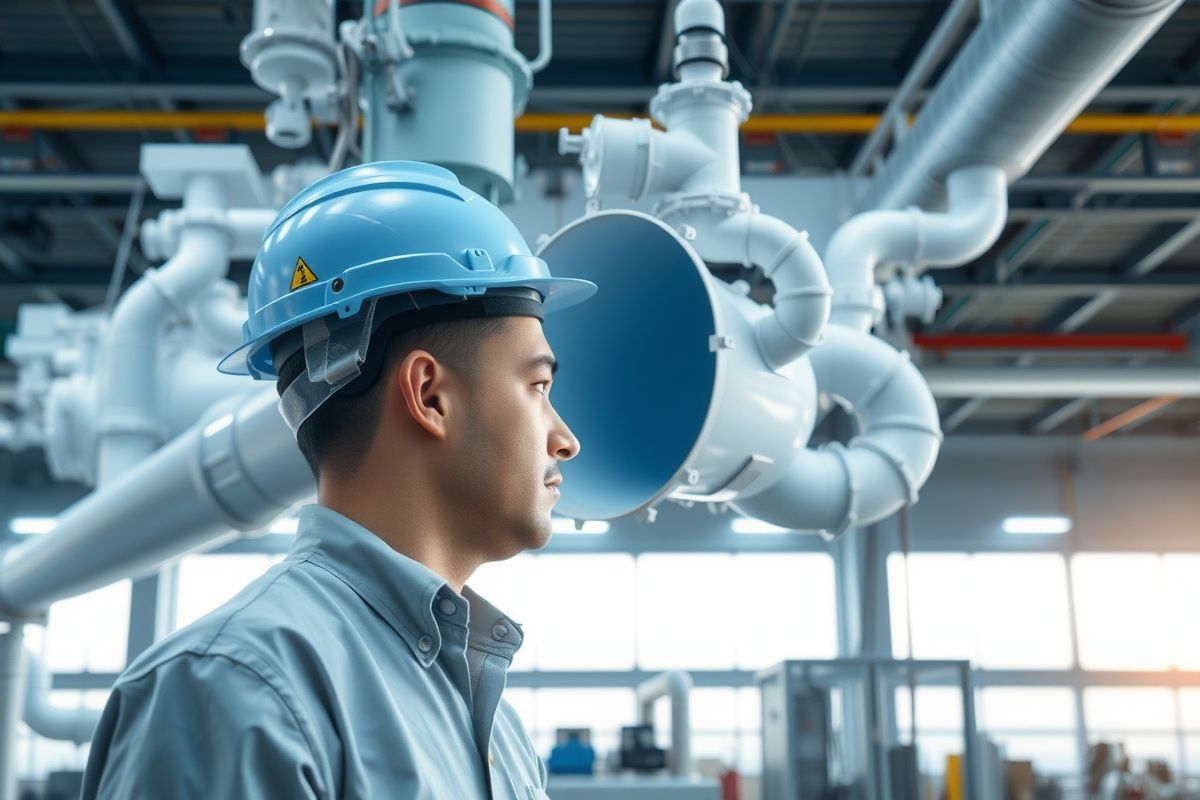
Air quality control systems in the premises of industrial enterprises
16.05.2026
Indoor air quality control systems in industrial enterprises are critically important for ensuring a safe and healthy working environment. They carry out continuous monitoring of harmful substance concentrations and allow for prompt reaction to deviations from established norms. Effective implementation of such systems protects employees' health, prevents occupational diseases, and contributes to compliance with environmental standards.
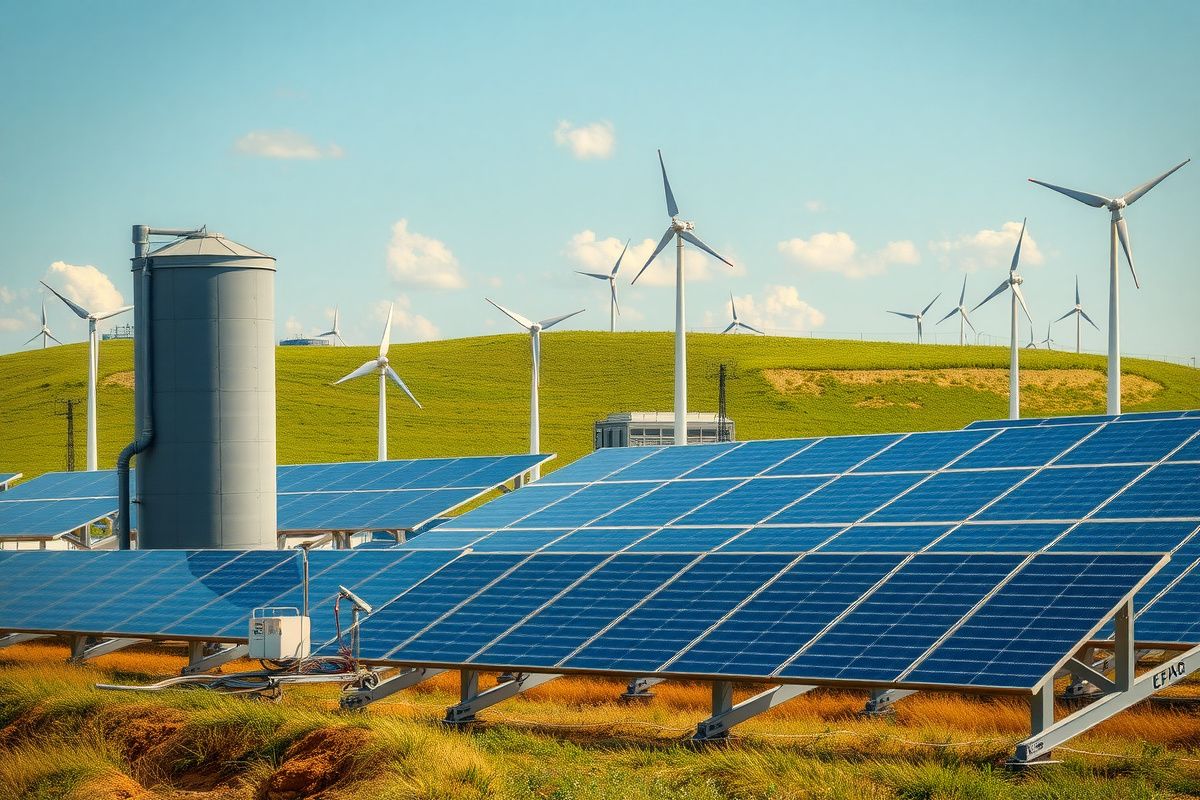
Technologies for processing agricultural waste for biofuel production
16.05.2026
Agricultural waste processing technologies play a key role in biofuel production, transforming organic residues into valuable energy resources. Modern methods, such as anaerobic digestion, pyrolysis, and gasification, allow for the efficient production of biogas, bioethanol, or biodiesel, contributing to sustainable development and reducing environmental impact.
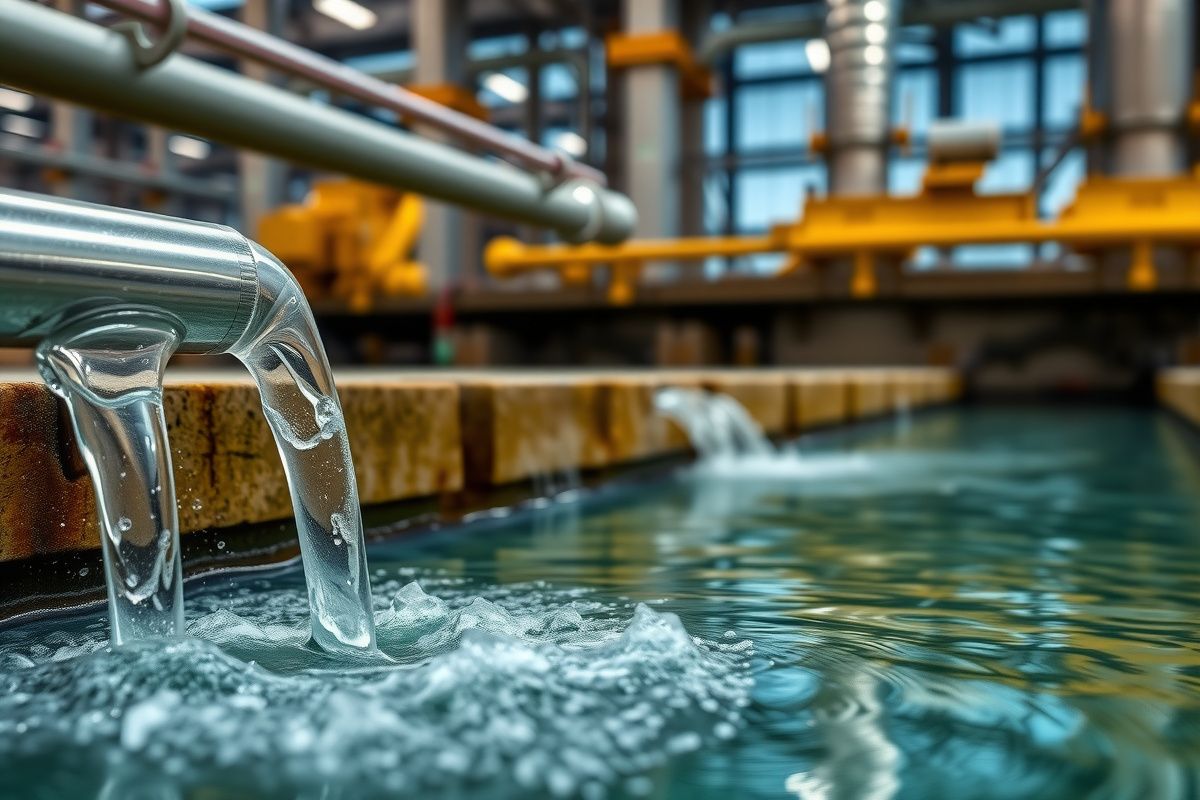
The impact of biotechnologies on the development of environmental methods for industrial wastewater treatment
16.05.2026
Biotechnology plays a key role in the development and improvement of environmentally friendly methods for industrial wastewater treatment. Thanks to the use of microorganisms and enzymes, they allow for the effective decomposition of complex pollutants, minimizing chemical load and contributing to the formation of more sustainable and safer technologies.
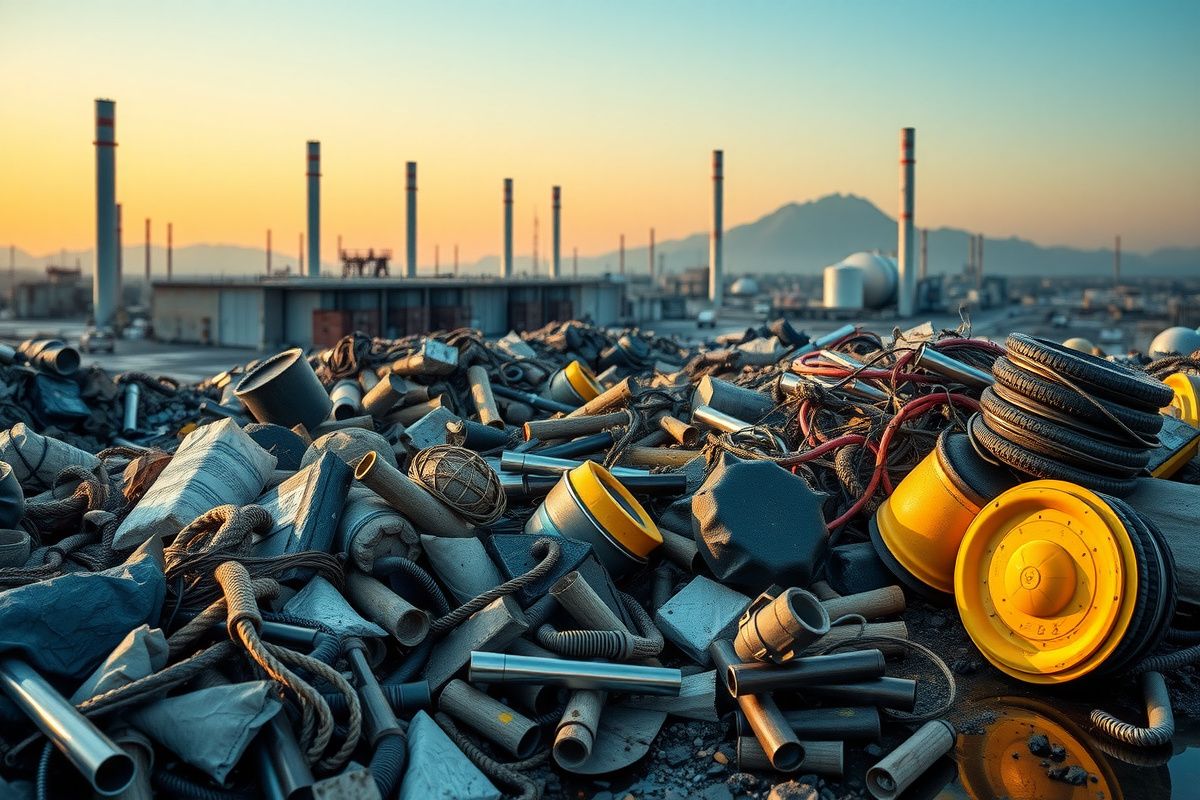
Energy from waste: technologies and their impact on ecology
16.05.2026
Waste-to-energy is a promising way to solve the problem of waste accumulation and simultaneously produce renewable energy. Modern technologies, including thermal processing, anaerobic digestion, and gasification, allow for the effective conversion of waste. However, their implementation requires a thorough analysis of potential environmental consequences, particularly emissions and the disposal of by-products.
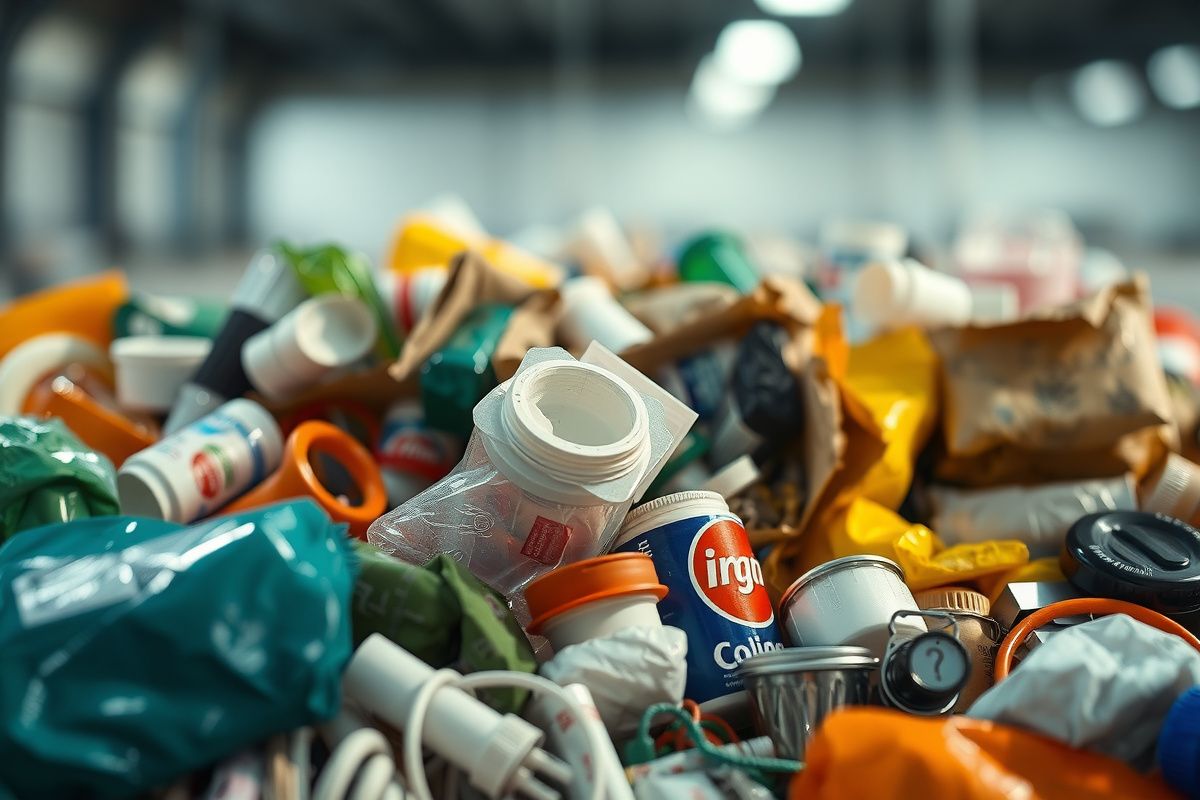
Packaging waste: Environmental solutions for business
16.05.2026
Business faces an urgent need to effectively manage packaging waste, which requires the implementation of environmentally responsible solutions. The application of innovative approaches, such as the use of recycled materials, the creation of reusable packaging, and the optimization of its design, significantly reduces environmental impact. This not only contributes to the company's sustainable development but also enhances its reputation and meets the growing demands of consumers.
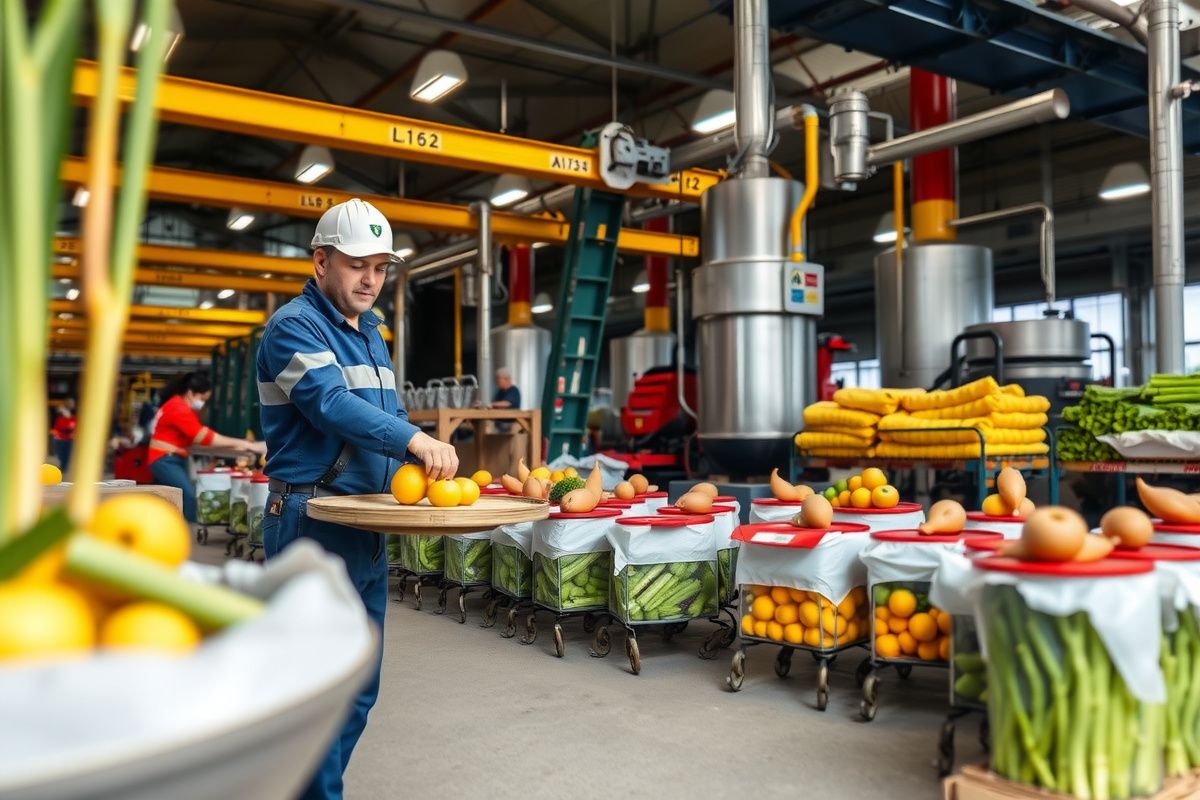
Waste management systems in the agro-industrial complex
15.05.2026
The agro-industrial complex generates significant volumes of various wastes, which requires the implementation of effective management systems to minimize their negative impact. Modern approaches focus on processing and reusing these wastes, transforming them into valuable resources such as bio-fertilizers or energy. This contributes not only to improving the environmental situation, but also to increasing economic efficiency and sustainable development of the industry.

Electronic Equipment Waste: Environmental Consequences and Processing Methods
15.05.2026
Electronic waste (e-waste) poses a serious environmental threat due to the content of toxic substances that pollute soils and water resources. Effective e-waste processing includes sorting, dismantling, and recycling valuable components, allowing metals and other materials to be extracted for reuse. This approach minimizes harm to the environment and contributes to the conservation of natural resources.
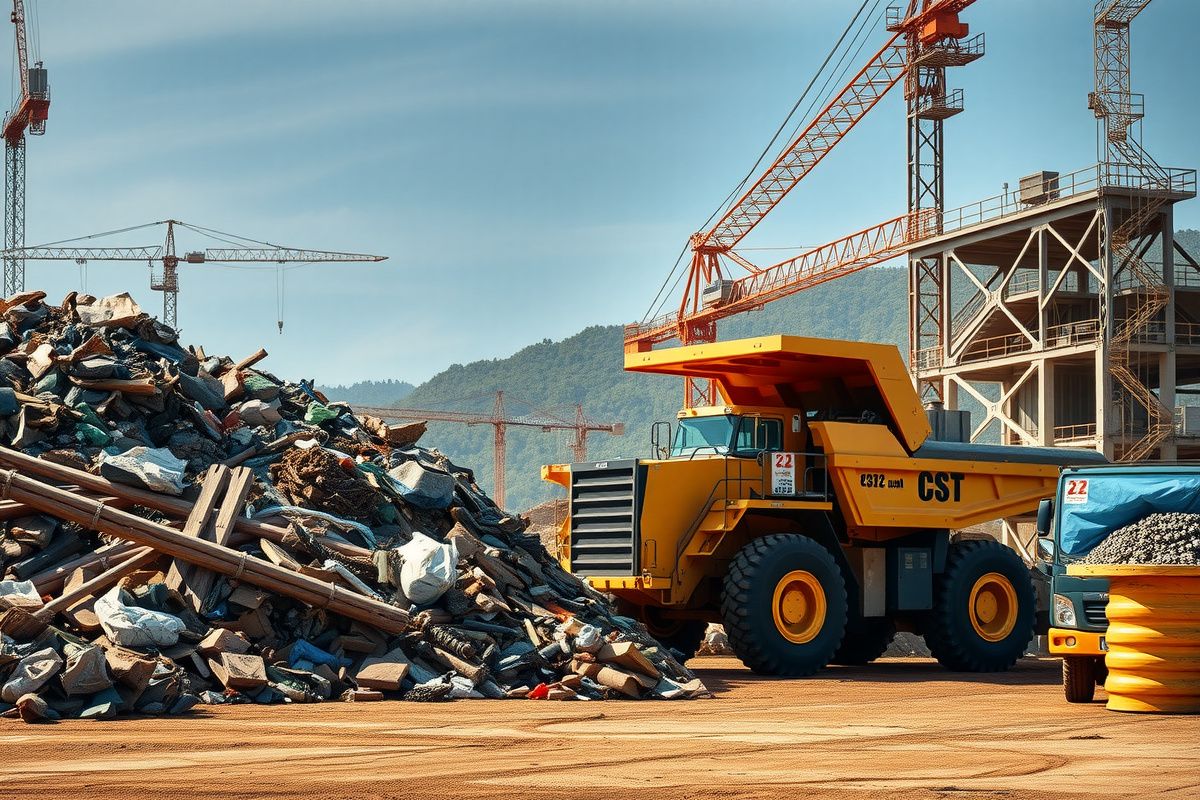
Technologies for waste recycling in construction: prospects and challenges
15.05.2026
Construction waste recycling technologies offer significant prospects for resource conservation and environmental sustainability of the industry. At the same time, their widespread implementation faces a number of challenges, including high investment costs, the complexity of sorting and logistics, as well as the need to update the legislative framework.
Waste Search
Calculate cost?
Calculate processing cost for