Hazardous waste
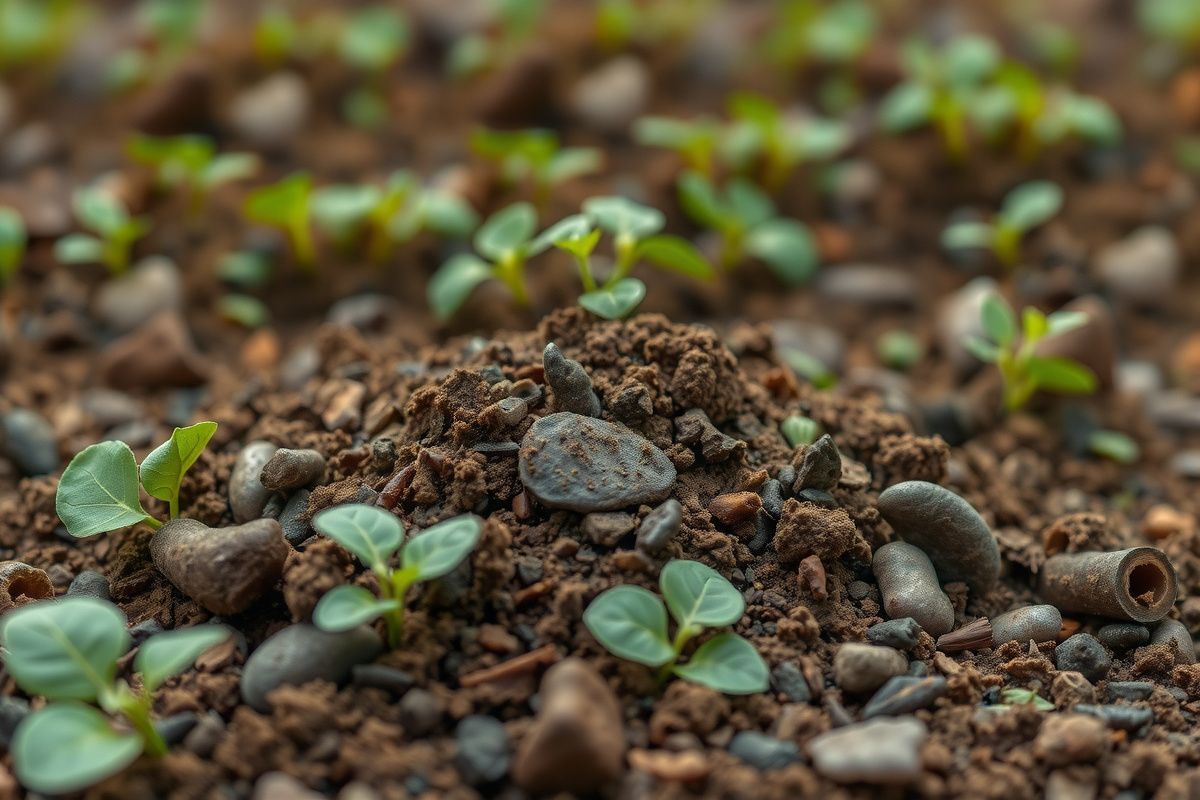
Application of phytoremediation for the remediation of soils contaminated with heavy metals of industrial origin
08.06.2026
Phytoremediation is a promising and environmentally friendly method for the remediation of soils contaminated with heavy metals of industrial origin. This approach effectively utilizes the ability of plants to absorb, accumulate, or transform toxic elements. The application of phytoremediation contributes to environmental detoxification and is a sustainable alternative to traditional remediation methods.
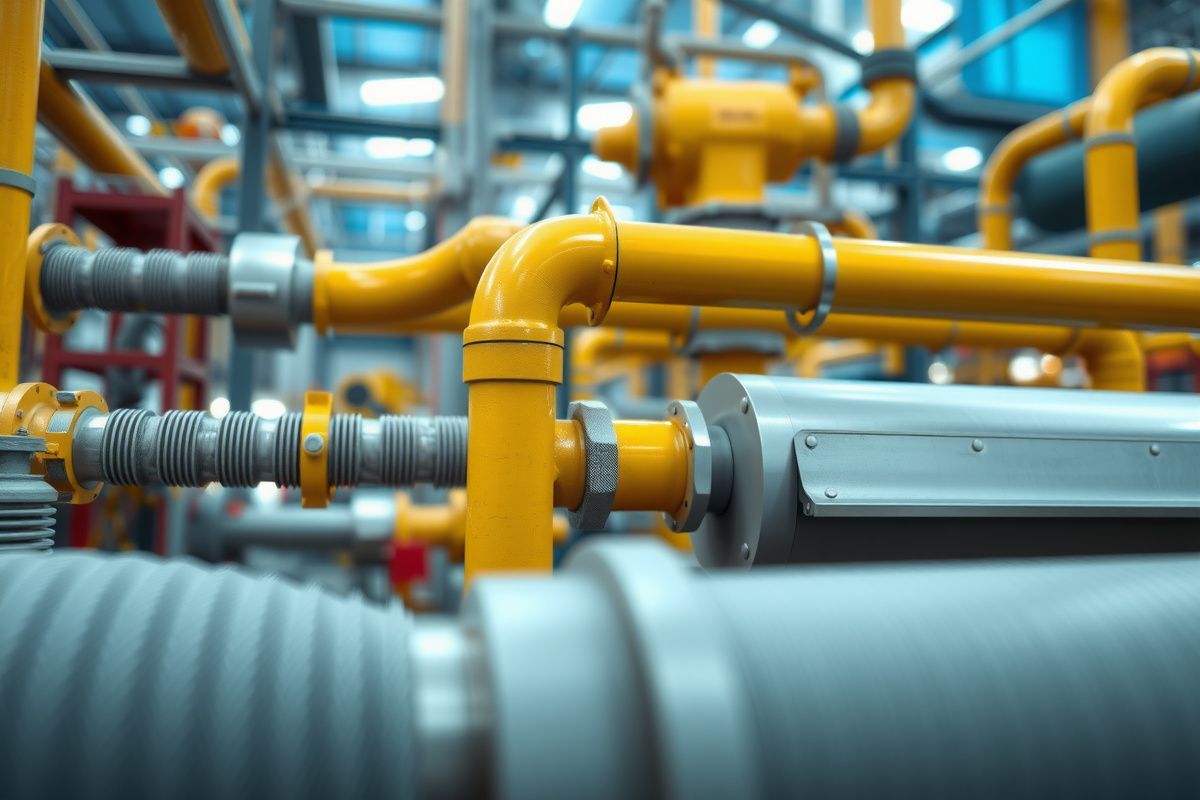
Increasing energy efficiency of heating and cooling systems in industrial facilities
07.06.2026
Improving the energy efficiency of heating and cooling systems at industrial facilities is critically important for reducing significant energy consumption and mitigating environmental impact. This is achieved through equipment modernization, implementation of intelligent control systems, optimization of thermal insulation, and the use of heat recovery technologies. Such measures significantly reduce operating costs, increase productivity, and ensure the sustainable development of enterprises.
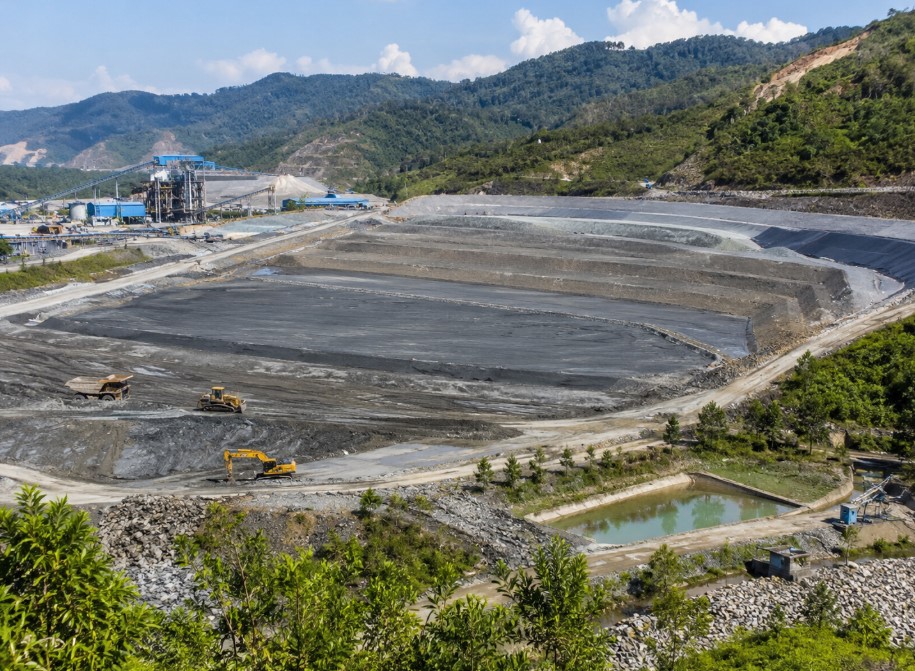
Processing and stabilization of mining industry waste (beneficiation tailings)
06.06.2026
Processing and stabilization of mining waste, particularly beneficiation tailings, is a critically important area for minimizing their negative impact on the environment. These processes ensure the environmental safety of territories, prevent the spread of harmful substances, and open up opportunities for the recovery of valuable components, transforming waste into stable and safe materials.
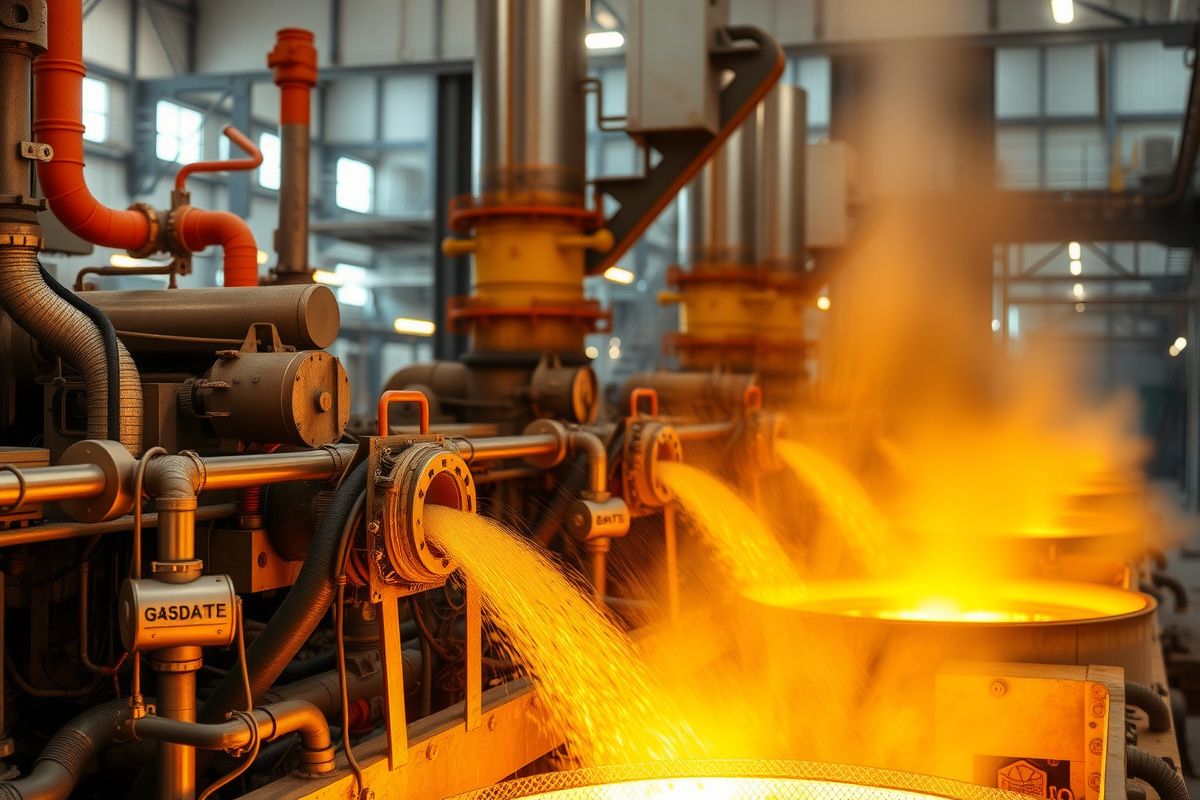
Carbon Capture and Utilization Technologies in the Metallurgical Industry
05.06.2026
The metallurgical industry is a significant source of carbon dioxide emissions, therefore, technologies for its capture and utilization are becoming critically important. These innovative approaches allow not only to effectively reduce the environmental impact of production, but also to transform CO2 into valuable resources and products, contributing to the sustainable development of the industry.

Development and implementation of environmentally friendly packaging for industrial products
04.06.2026
The development and implementation of environmentally friendly packaging for industrial products is a key direction for reducing the impact of production on the environment. This process involves the search for innovative materials and technologies that ensure product preservation and easy disposal or recycling. The implementation of such solutions contributes to sustainable development and meets the growing consumer demands for eco-friendliness.
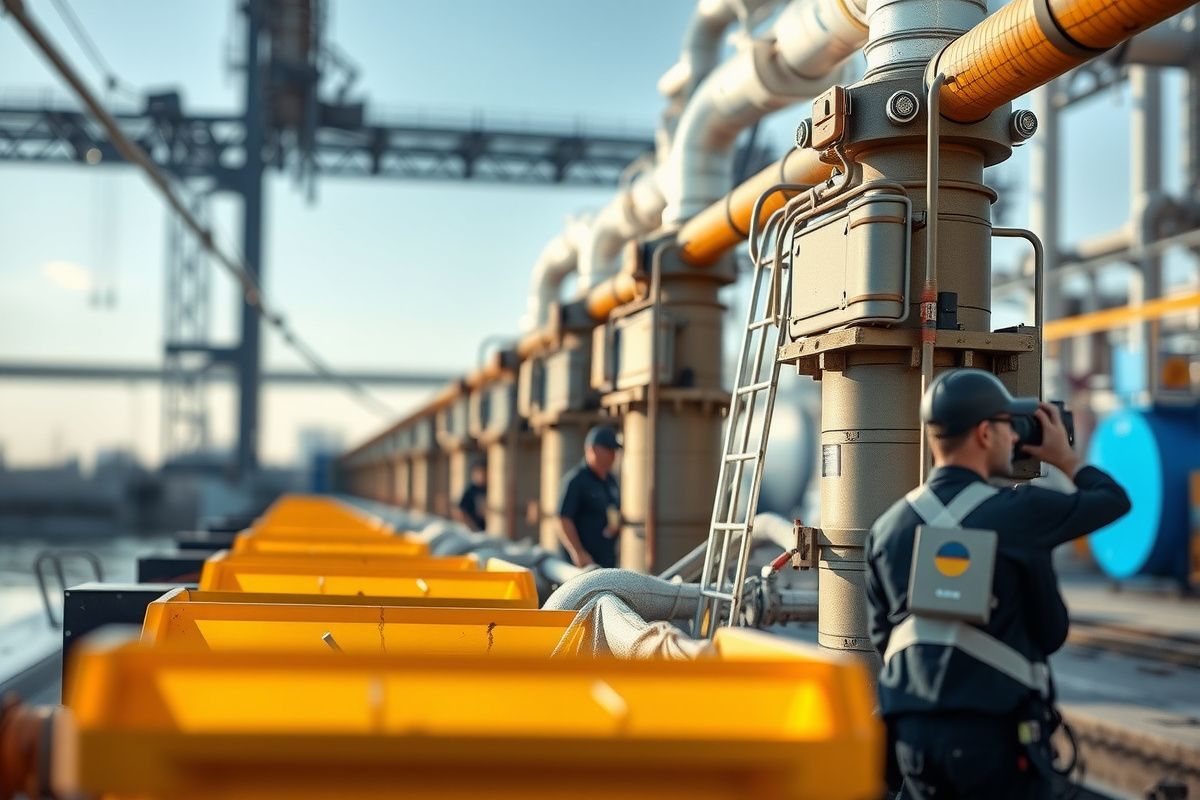
Water Conservation and Water Reuse Strategies at Industrial Enterprises
03.06.2026
Industrial enterprises are actively implementing water-saving strategies to reduce fresh water consumption and optimize production processes. This includes improving water use efficiency, modernizing equipment, and implementing systems for the reuse of treated wastewater. Such measures allow for significant cost reduction, decreased environmental impact, and enhanced production sustainability.

Technologies for the destruction of hazardous chemical waste from the pharmaceutical industry
01.06.2026
The pharmaceutical industry generates significant volumes of hazardous chemical waste, which require specialized technologies for their safe disposal. Modern methods include thermal (high-temperature incineration), physico-chemical (oxidation, neutralization) and biological processes, which are applied depending on the composition and toxicity of the waste to minimize environmental impact.
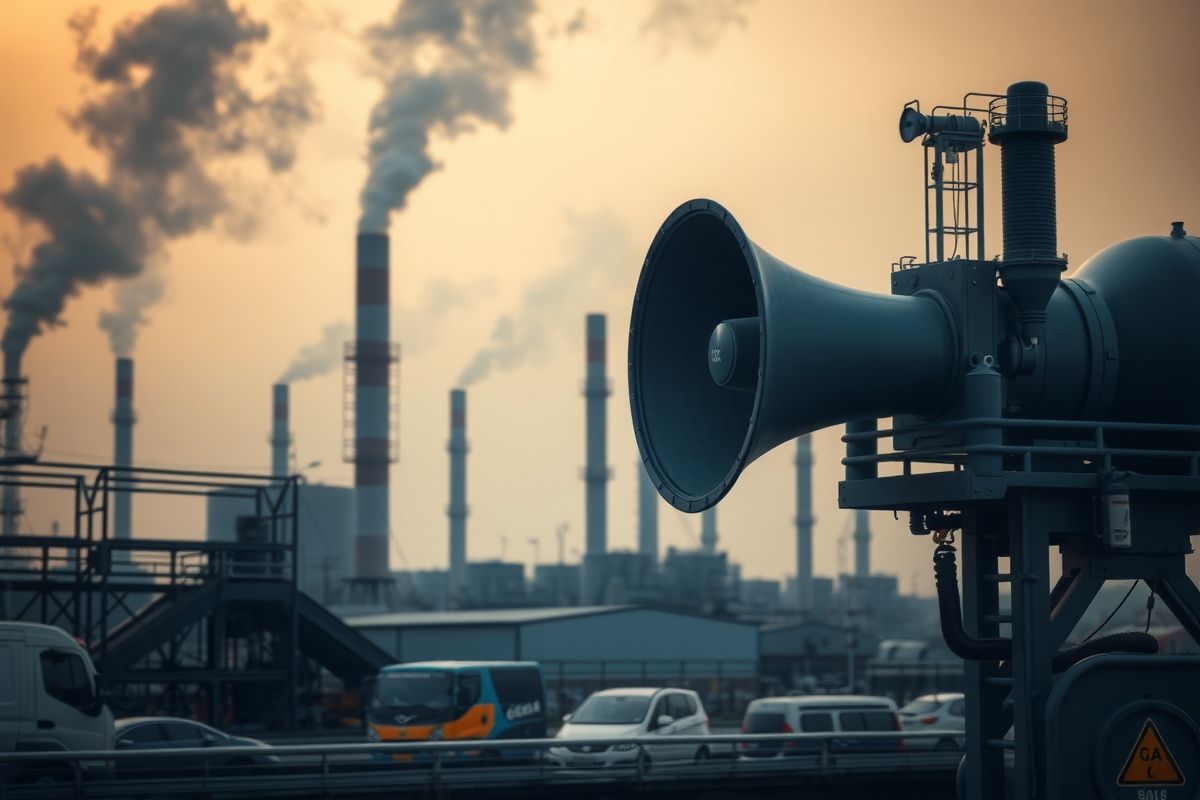
Methods and equipment for reducing industrial noise pollution
31.05.2026
Effective reduction of industrial noise pollution requires a comprehensive application of various methods and specialized equipment. This includes the use of soundproofing and sound-absorbing materials, machine vibration isolation, as well as the installation of acoustic barriers, protective enclosures, and silencers. Also key is the implementation of less noisy technologies and the optimization of production processes to minimize noise sources.

Environmental challenges and technologies for recycling industrial electronic waste
30.05.2026
Industrial electronic waste is a significant environmental challenge due to its hazardous substance content and rapid accumulation, which demands immediate solutions. Effective recycling of this waste is critically important for minimizing environmental pollution and recovering valuable raw materials. Modern technologies offer innovative approaches for dismantling, sorting, and extracting components, contributing to a circular economy and reducing negative impact.
Waste Search
Calculate cost?
Calculate processing cost for