Hazardous waste
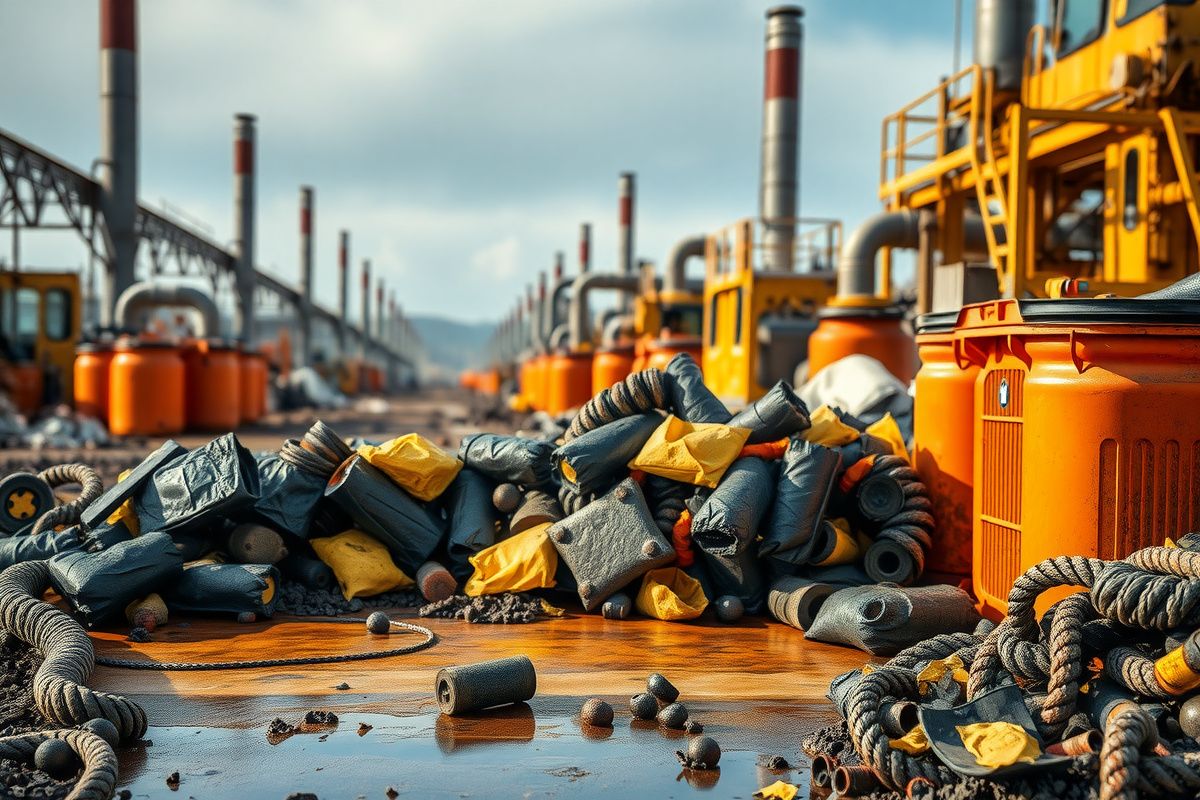
Neutralization and stabilization of industrial waste contaminated with heavy metals
29.06.2026
Neutralization and stabilization of industrial waste contaminated with heavy metals is critically important for protecting the environment and human health. This process includes chemical fixation of metals, encapsulation, or sorption, which reduces their mobility and toxicity. Effective methods allow converting hazardous waste into stable materials, minimizing the risks of their spread in soil and water.
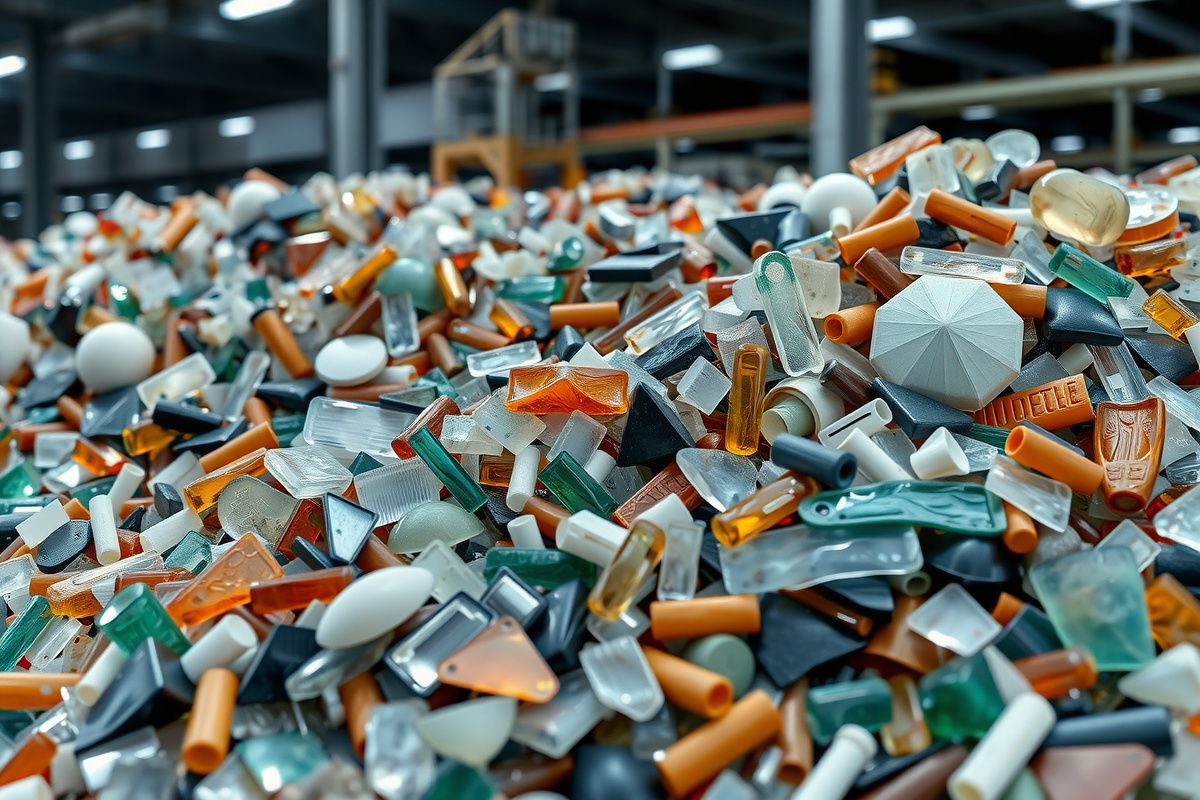
Technologies for Recycling Industrial Glass Waste for Reuse
28.06.2026
Technologies for Recycling Industrial Glass Waste for Reuse Modern technologies for recycling industrial glass waste focus on efficient sorting and cleaning, which allows for obtaining high-quality raw materials. This includes optical sorting, crushing, and melting glass to produce new glass products, as well as using cullet as an additive in construction materials. This approach significantly reduces waste volumes, saves natural resources, and lowers energy consumption in production.
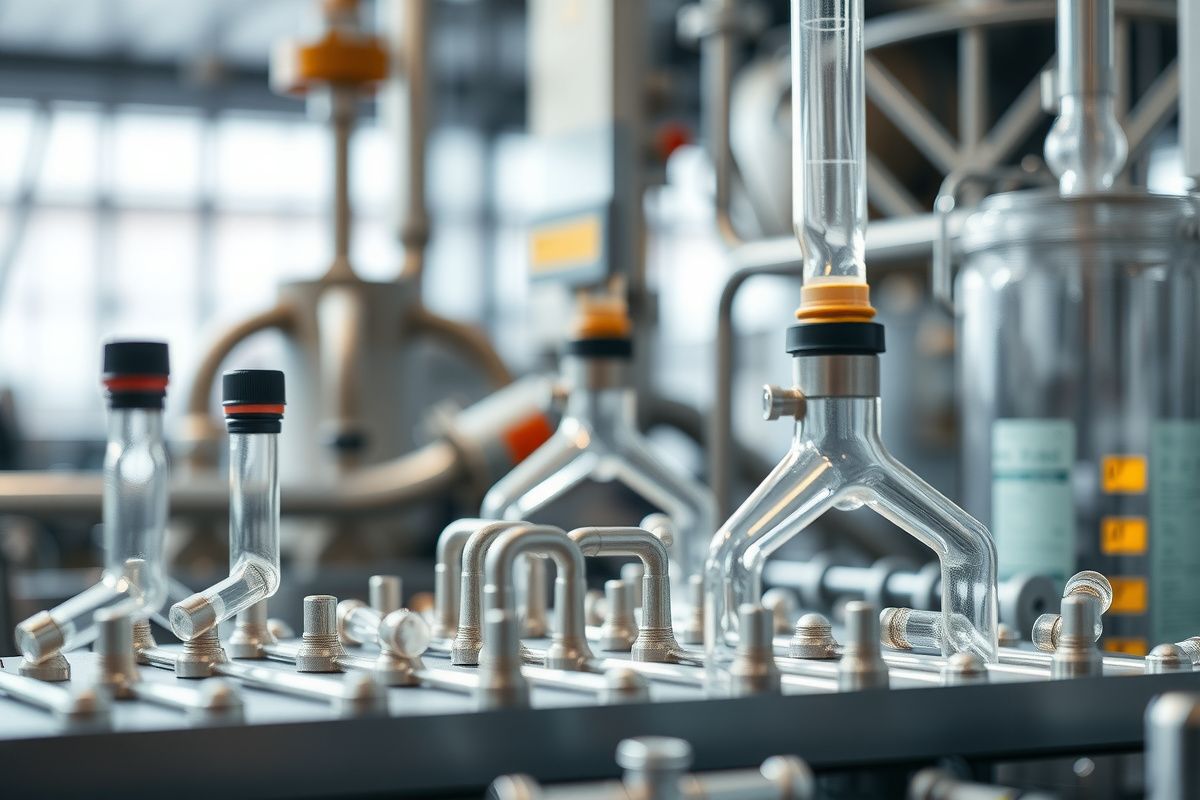
Regeneration and recycling of spent industrial catalysts
27.06.2026
Regeneration and recycling of spent industrial catalysts are critically important for sustainable development and resource conservation. These processes not only reduce the volume of hazardous waste but also restore catalyst functionality or extract valuable metals, contributing to the economic efficiency of production. The implementation of innovative regeneration and recycling methods has significant potential for reducing environmental impact and supporting a circular economy.
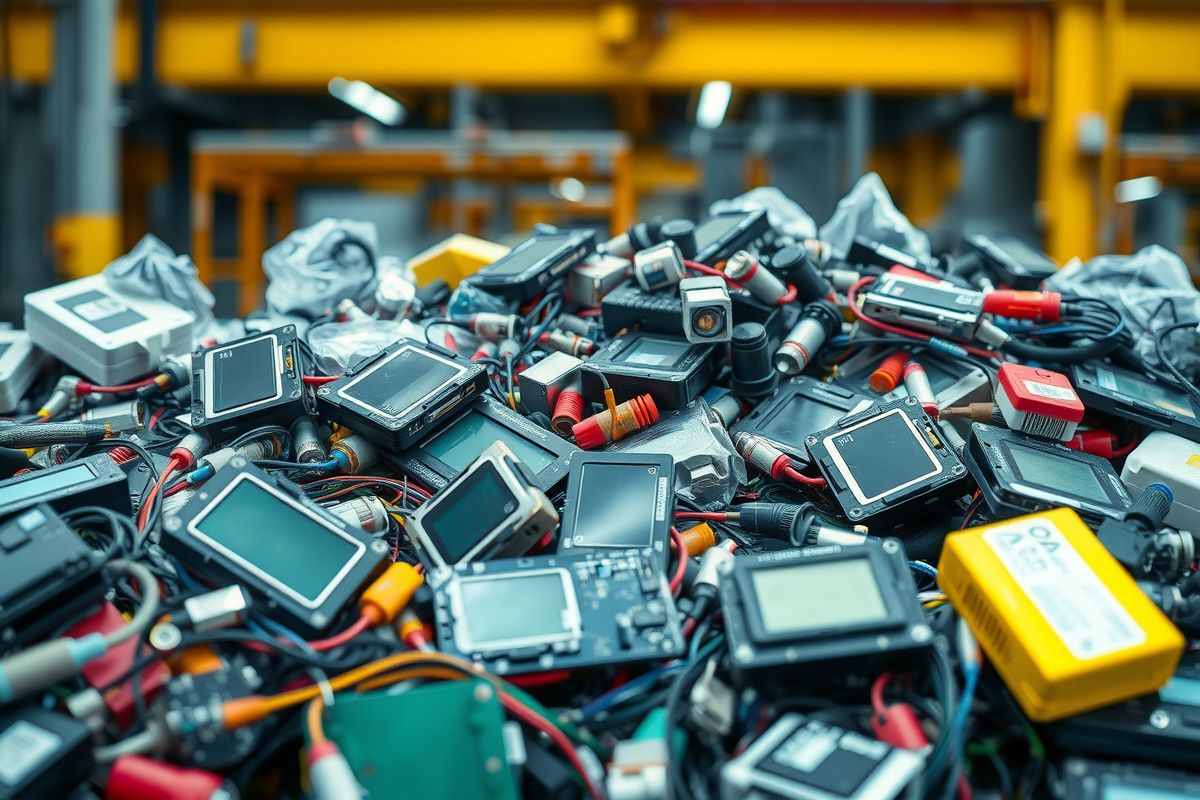
Recycling Industrial Electronic Waste: Challenges and Solutions
27.06.2026
Recycling industrial electronic waste faces significant challenges, including material complexity, low collection rates, and insufficient infrastructure. Effective solutions require the implementation of innovative technologies, strengthening of the legislative framework, and stimulating cooperation between manufacturers and recyclers. This will contribute to the extraction of valuable resources and the reduction of negative environmental impact.
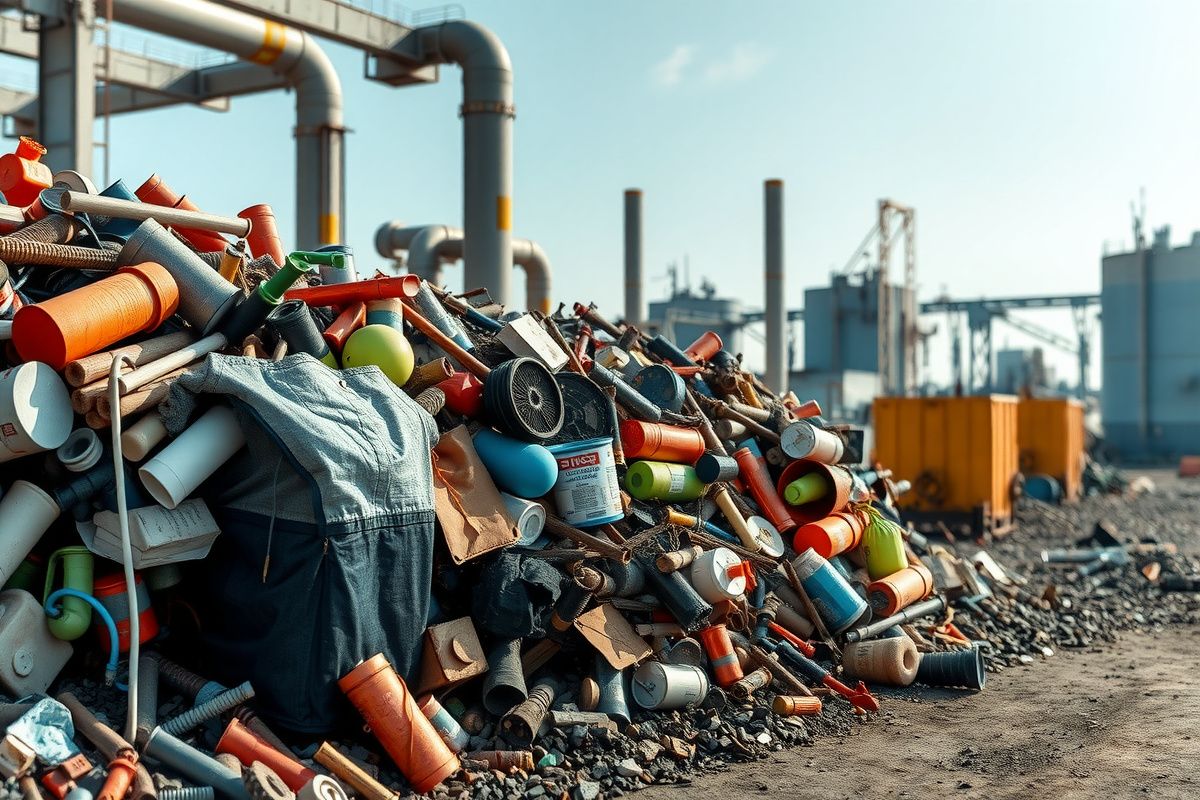
Using industrial waste for the production of building materials
27.06.2026
Using industrial waste for the production of building materials is a promising direction for solving environmental problems and creating economically viable solutions. This approach allows reducing landfill volumes, lowering raw material and energy costs, and improving the properties of the final building products. The use of such materials contributes to sustainable development and a circular economy in the construction industry.
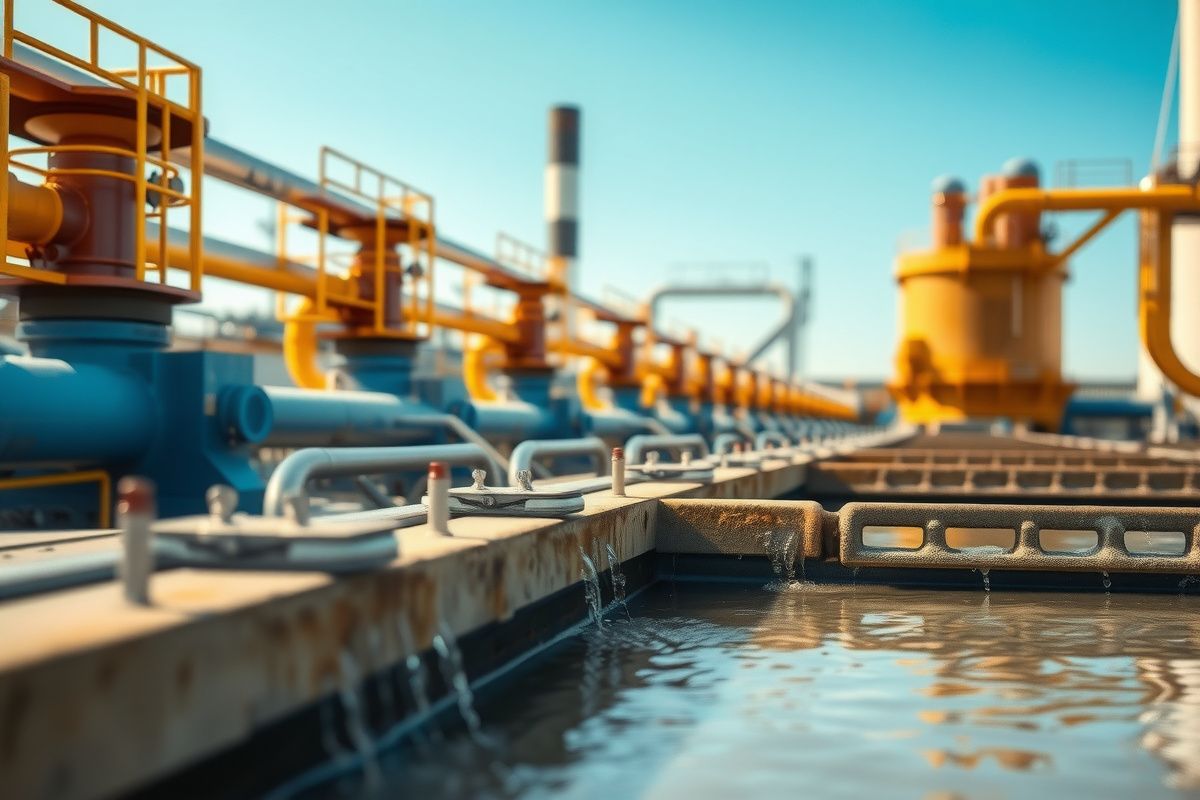
Cleaning industrial wastewater from specific organic pollutants: modern approaches
27.06.2026
Modern approaches to industrial wastewater treatment from specific organic pollutants focus on combined technologies. These include advanced oxidation processes, sorption methods, and biological systems. These approaches ensure high efficiency in removing persistent organic compounds, minimizing their impact on the environment.
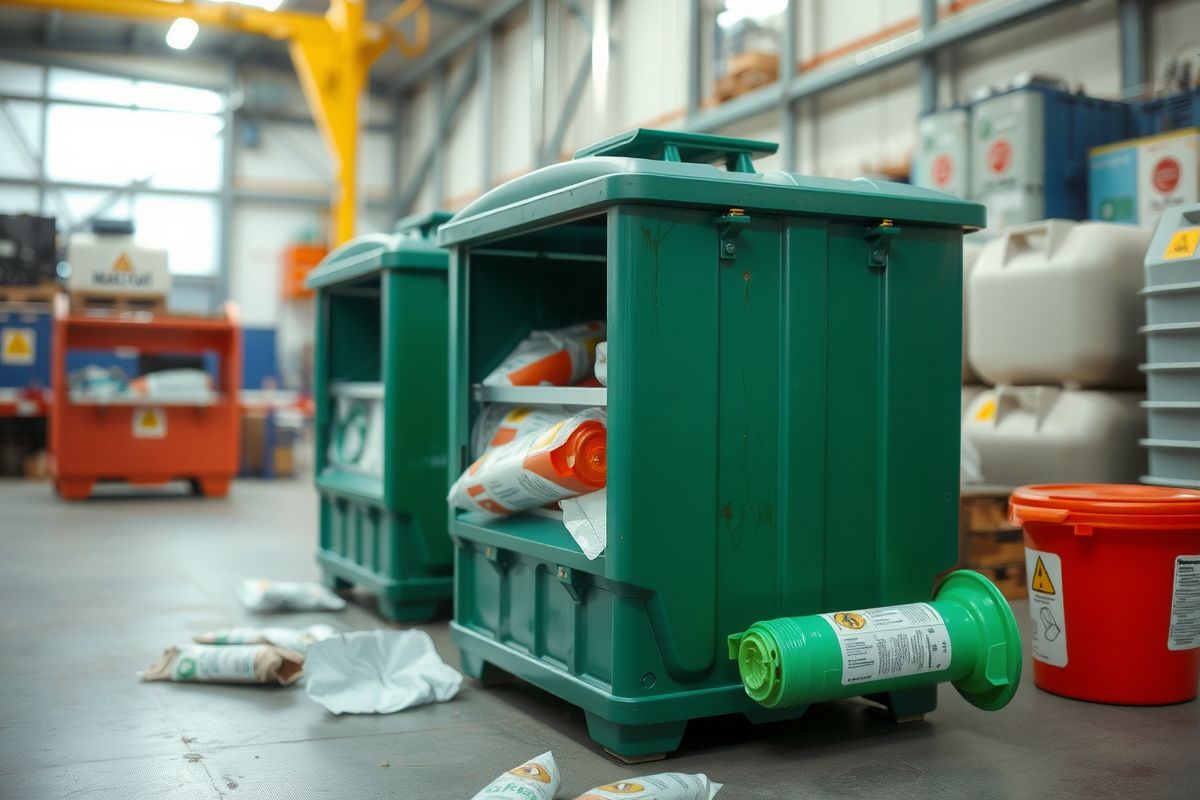
Technologies for processing and disposal of industrial medical waste
27.06.2026
Technologies for Processing and Disposal of Industrial Medical Waste Industrial medical waste requires specialized processing and disposal technologies to prevent the spread of infections and protect the environment. Modern approaches include thermal methods (incineration, pyrolysis), chemical disinfection, and autoclaving, which effectively neutralize hazardous components. The choice of optimal technology depends on the type of waste, its volume, and local environmental regulations, ensuring safe and sustainable management of this type of waste.
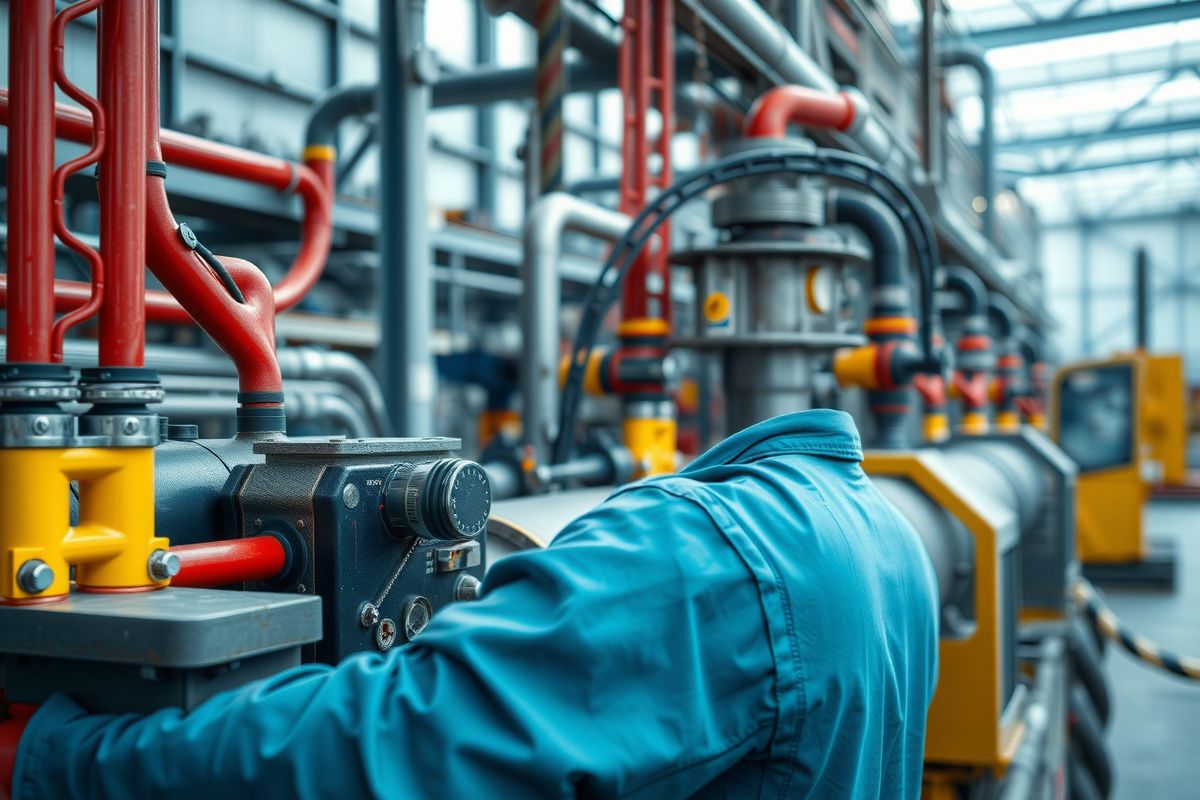
Application of circular economy principles in industrial enterprises
25.06.2026
The implementation of circular economy principles in industrial enterprises involves a transition to a model that maximizes resource value and minimizes waste throughout the product's entire life cycle. This is achieved through design optimization, material reuse, resource recovery, and the integration of ecological innovations, contributing to sustainable operations and economic efficiency.
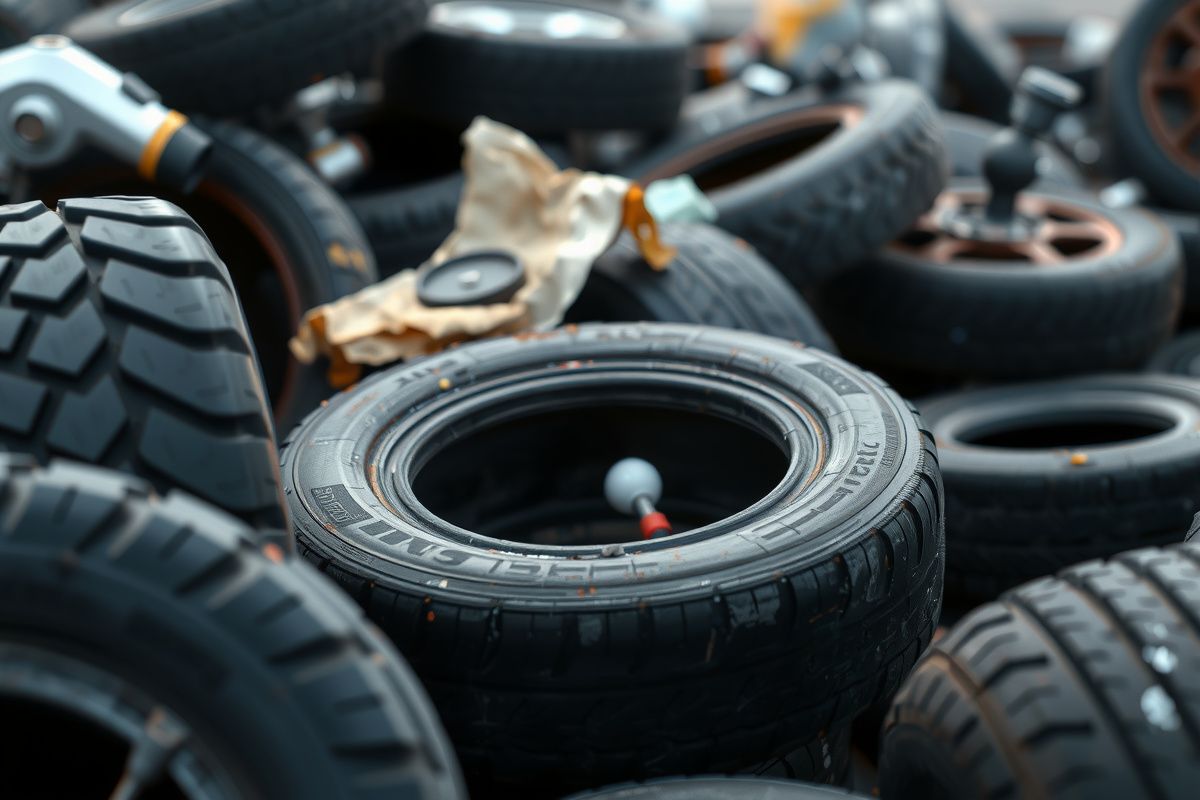
Management and recycling of waste automotive tires in industry
24.06.2026
Management and processing of end-of-life vehicle tires is a key industrial challenge aimed at reducing waste and sustainable resource utilization. Industrial methods include mechanical shredding to obtain rubber crumb, pyrolysis for the production of fuel and chemical substances, as well as the use of tires as an alternative fuel. These approaches allow not only to solve environmental problems but also to create new valuable products and energy for various industries.
Waste Search
Calculate cost?
Calculate processing cost for