Hazardous waste
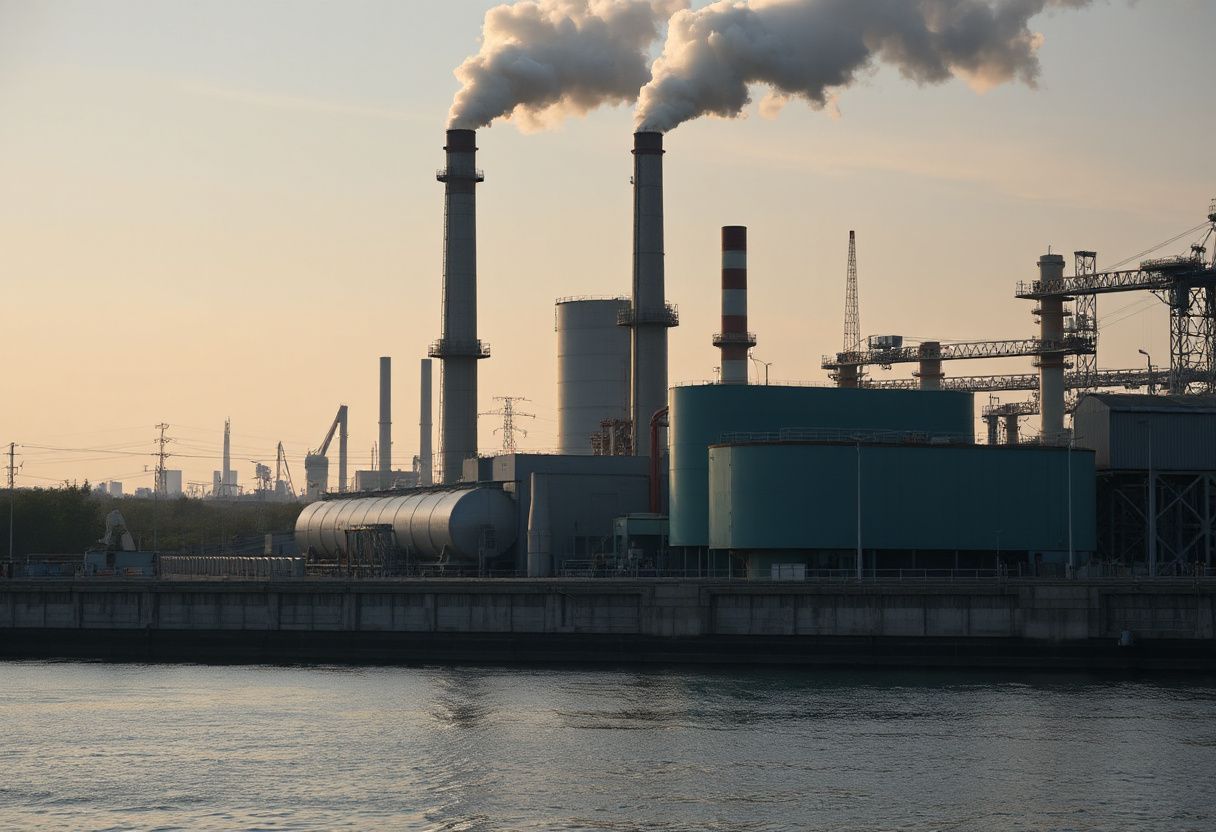
Application of nanotechnology for industrial emission purification
17.09.2026
The application of nanotechnologies opens up new opportunities for the effective purification of industrial emissions from toxic impurities and heavy metals due to the extremely large specific surface area of nanomaterials. The use of nanoparticle-based catalysts and special nanomembranes makes it possible to significantly increase the degree of filtration of gases and wastewater at enterprises. This innovative solution not only minimizes the negative impact of production on the environment, but also promotes the rational use of resources due to the possibility of recovering valuable substances.
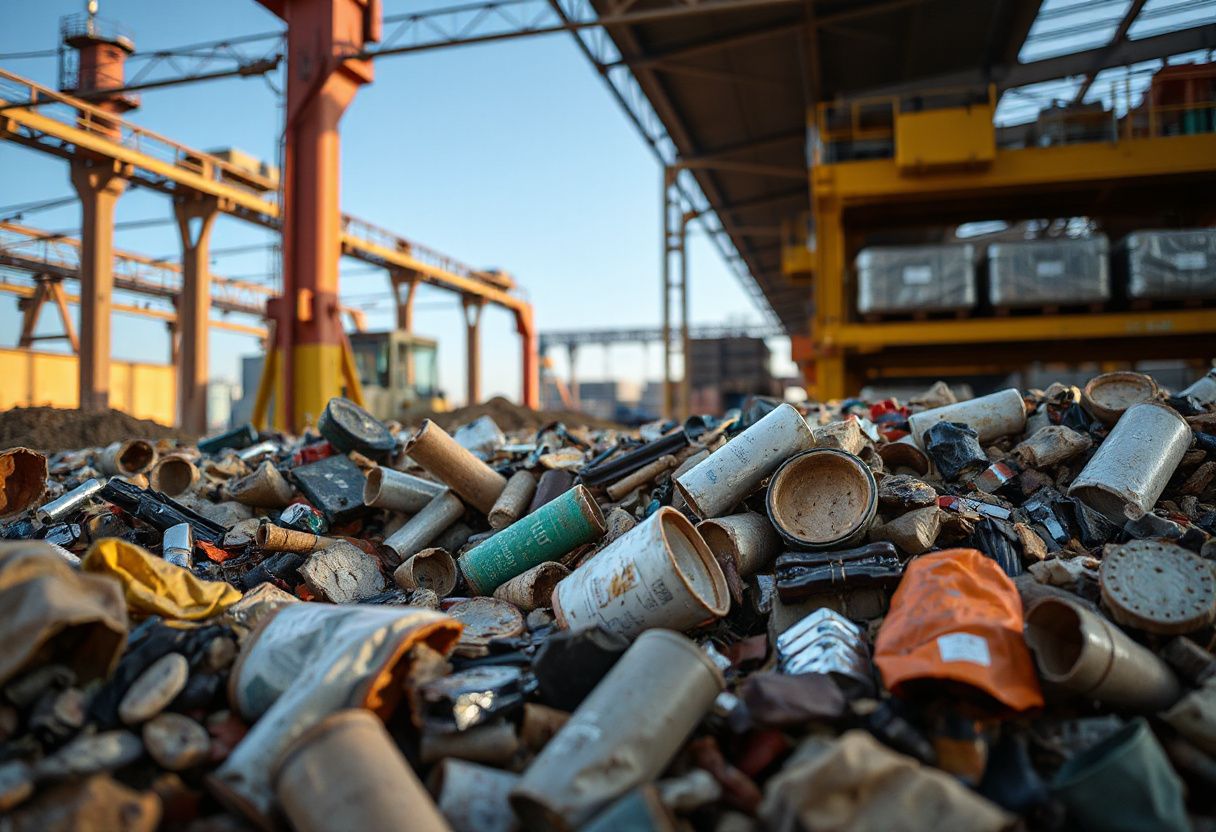
Digital platforms for tracking and management of industrial waste
16.09.2026
Modern digital platforms ensure transparent accounting, real-time monitoring, and effective management of industrial waste at all stages of its life cycle. The use of such tools allows enterprises to optimize the logistics of secondary raw materials, minimize environmental risks, and ensure strict compliance with environmental legislation. The introduction of automated reporting systems contributes to the transition to a circular economy through the rational use of resources.
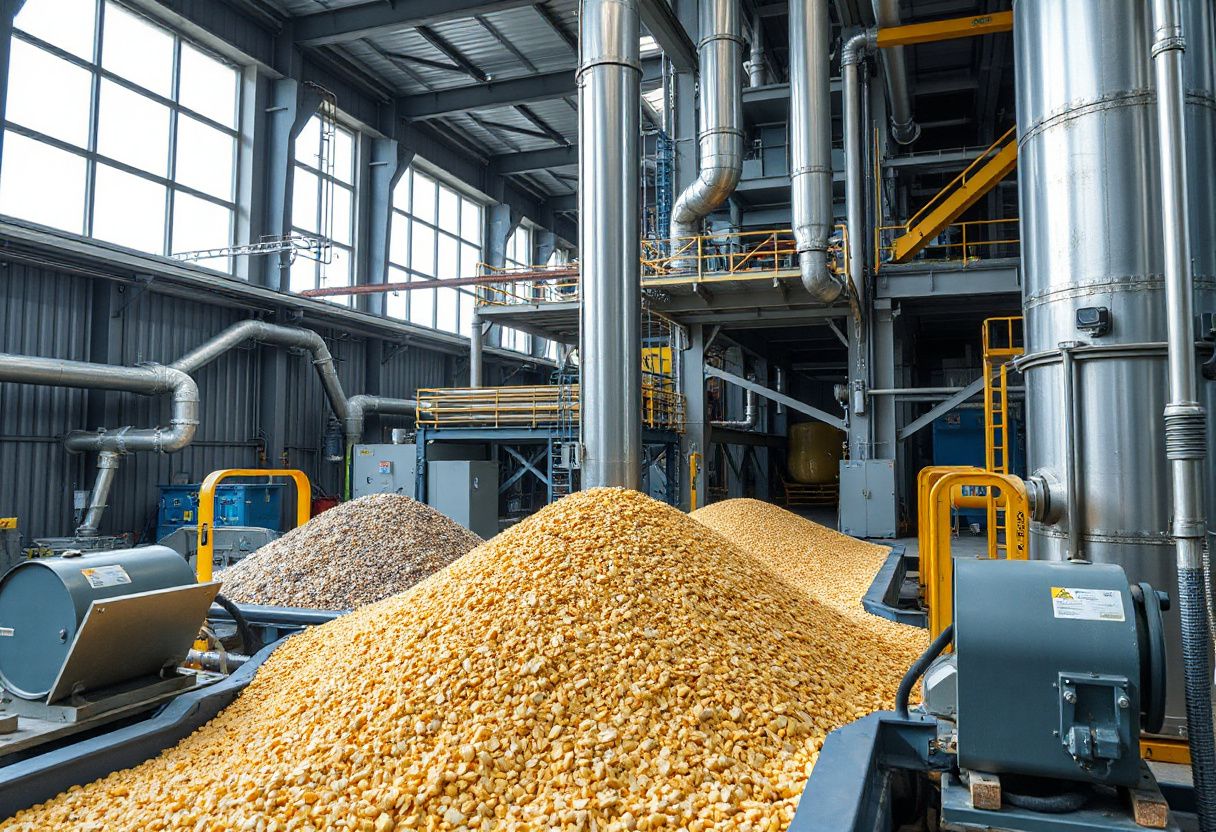
Development of biocomposite materials based on industrial waste
15.09.2026
The development of biocomposite materials based on industrial waste is a promising direction for reducing anthropogenic pressure on the environment and implementing the principles of the circular economy. The reuse of production by-products allows for the creation of ecological alternatives to traditional polymers with improved operational characteristics. Such innovative materials find wide application in construction, the packaging industry, and the automotive sector, ensuring a reduction in product cost and the conservation of natural resources.
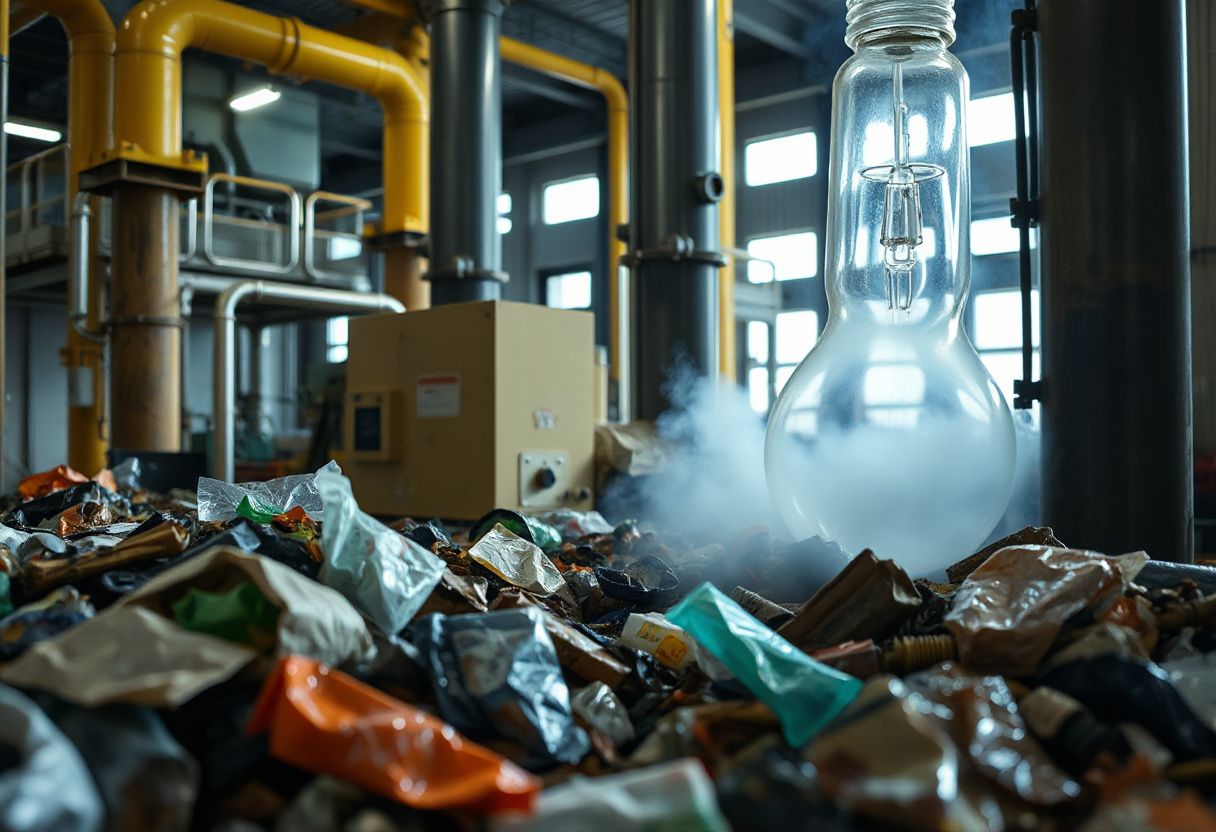
Energy recovery from industrial waste: prospects and challenges
14.09.2026
Energy recovery from industrial waste is an effective tool for reducing waste volumes and generating alternative energy. At the same time, this process is accompanied by significant environmental, technological, and regulatory challenges that require equipment modernization and strengthened environmental control. The development of this industry in Ukraine opens prospects for economic decarbonization and the strengthening of energy security, provided that best available techniques are implemented.
Innovative methods of processing inorganic industrial sludge
12.09.2026
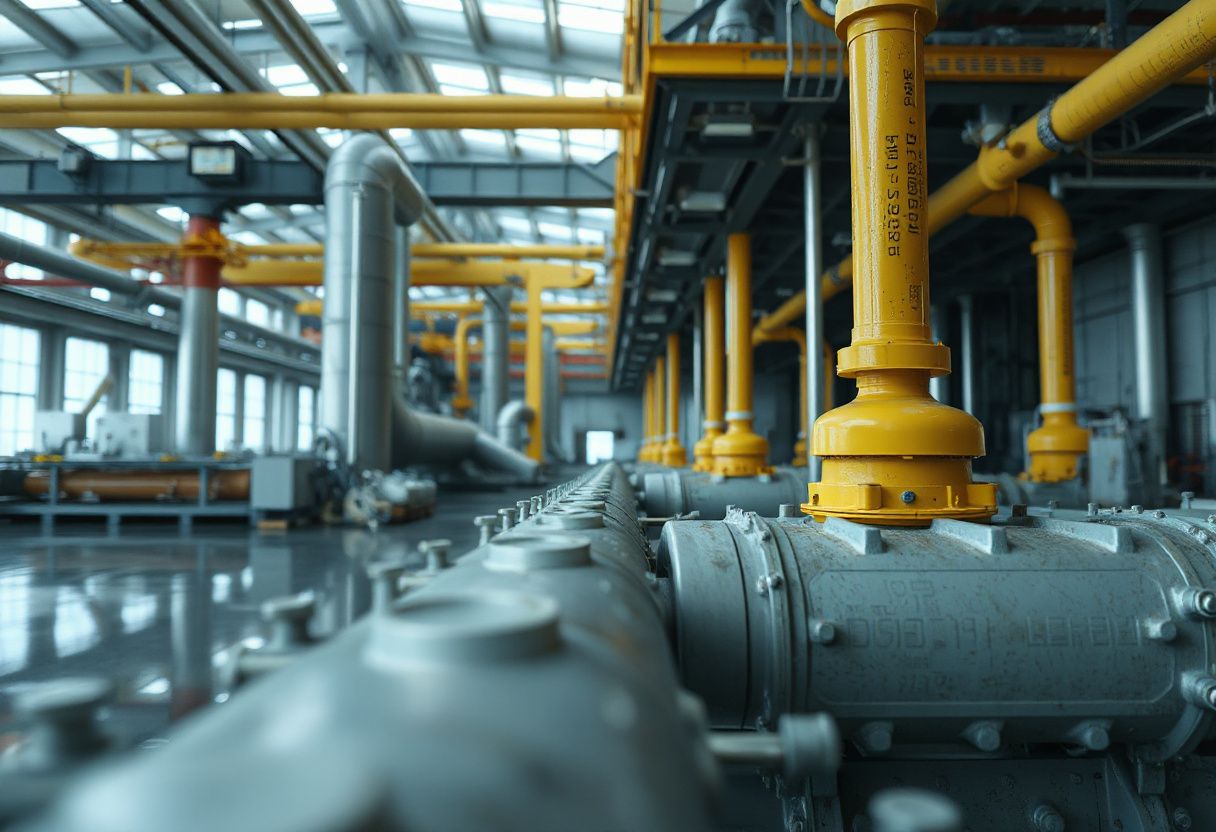
Innovative methods for processing inorganic industrial sludges are aimed at their environmentally safe disposal and transformation into secondary material resources. Modern technologies make it possible to efficiently extract valuable components and use production waste for the manufacture of building materials. This significantly reduces the burden on the environment and promotes the implementation of the circular economy principle in the industrial sector.

The Impact of Microplastics from Industrial Waste on Aquatic Ecosystems and Human Health
07.09.2026
Microplastics from industrial waste pose a significant threat to aquatic ecosystems, as they accumulate in aquatic organisms and disrupt their physiological processes. This pollution also affects human health through food chains, potentially causing inflammatory reactions and endocrine disruptions. Comprehensive approaches are needed to reduce emissions and develop effective wastewater treatment methods.
Development of Artificial Intelligence Systems for Optimizing Industrial Waste Sorting
05.09.2026
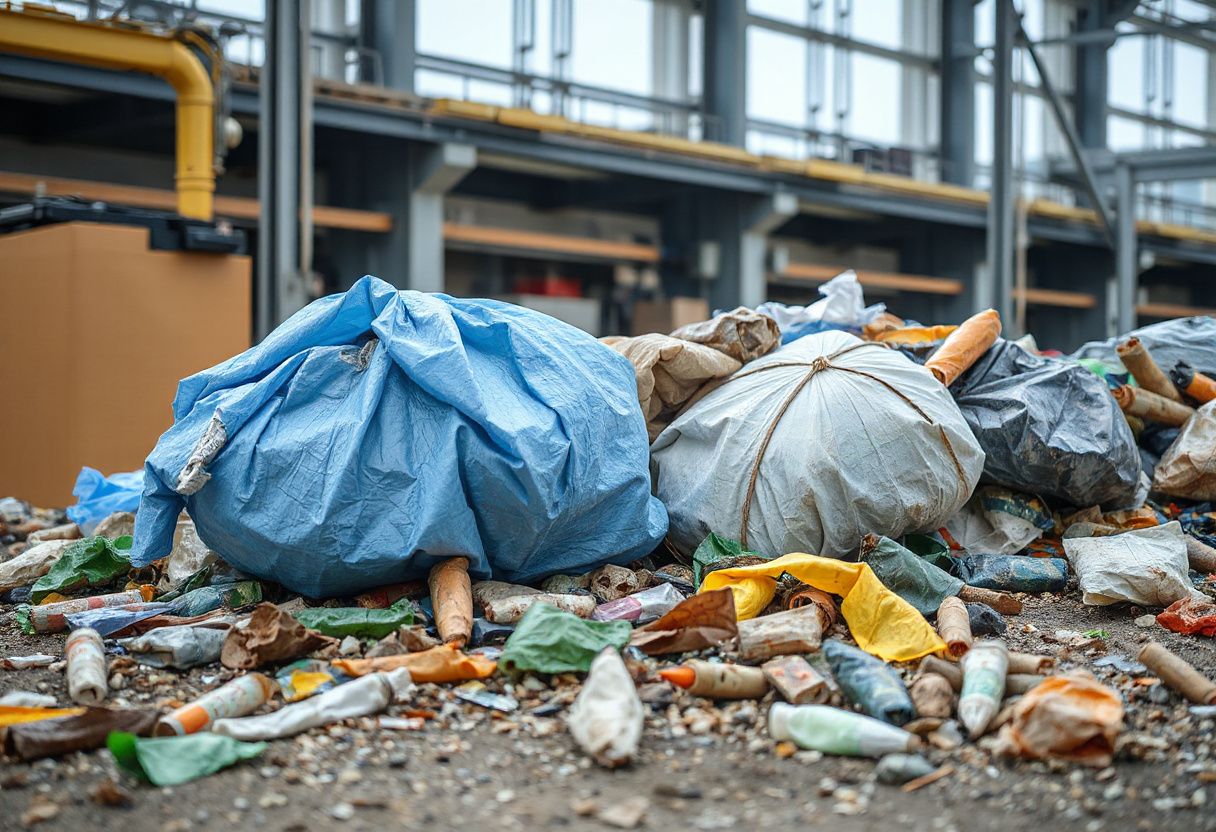
У сучасному промисловому світі, де обсяги виробництва постійно зростають, проблема ефективного поводження з відходами стає дедалі актуальнішою. Традиційні мето...

Innovative approaches to recycling used car tires
03.09.2026
Innovative methods for processing used car tires focus on developing environmentally friendly and economically viable technologies. These include chemical processing to obtain valuable raw materials, as well as mechanical and thermal processes for manufacturing new products. These approaches contribute to reducing environmental pollution and creating new opportunities for waste utilization.
Using microorganisms for bioremediation of contaminated soils
31.08.2026
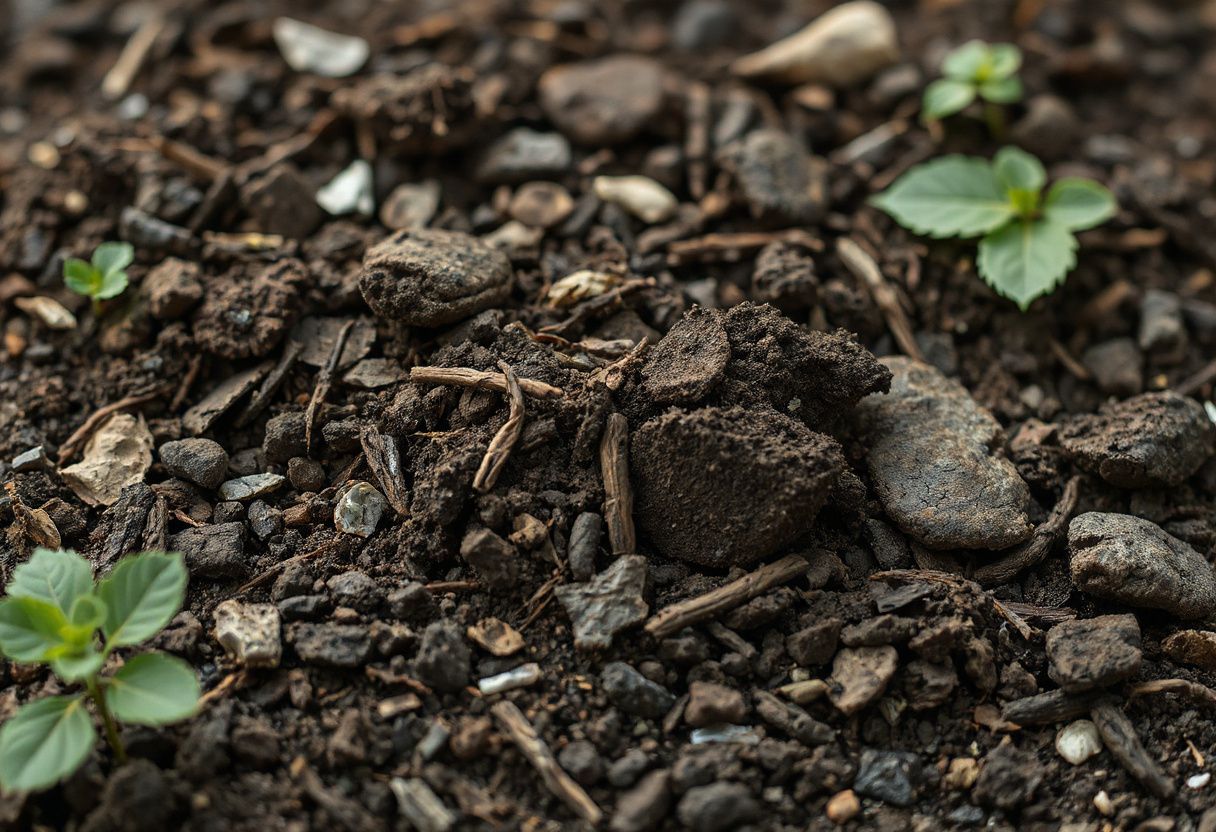
The use of microorganisms for the bioremediation of contaminated soils is a promising and environmentally friendly method of environmental restoration. This approach is based on the natural ability of microorganisms to decompose various pollutants, converting them into less toxic or non-toxic compounds. Biotechnological solutions allow for optimizing these processes, increasing the efficiency of soil purification from petroleum products, pesticides, and heavy metals.
Waste Search
Calculate cost?
Calculate processing cost for