Hazardous waste
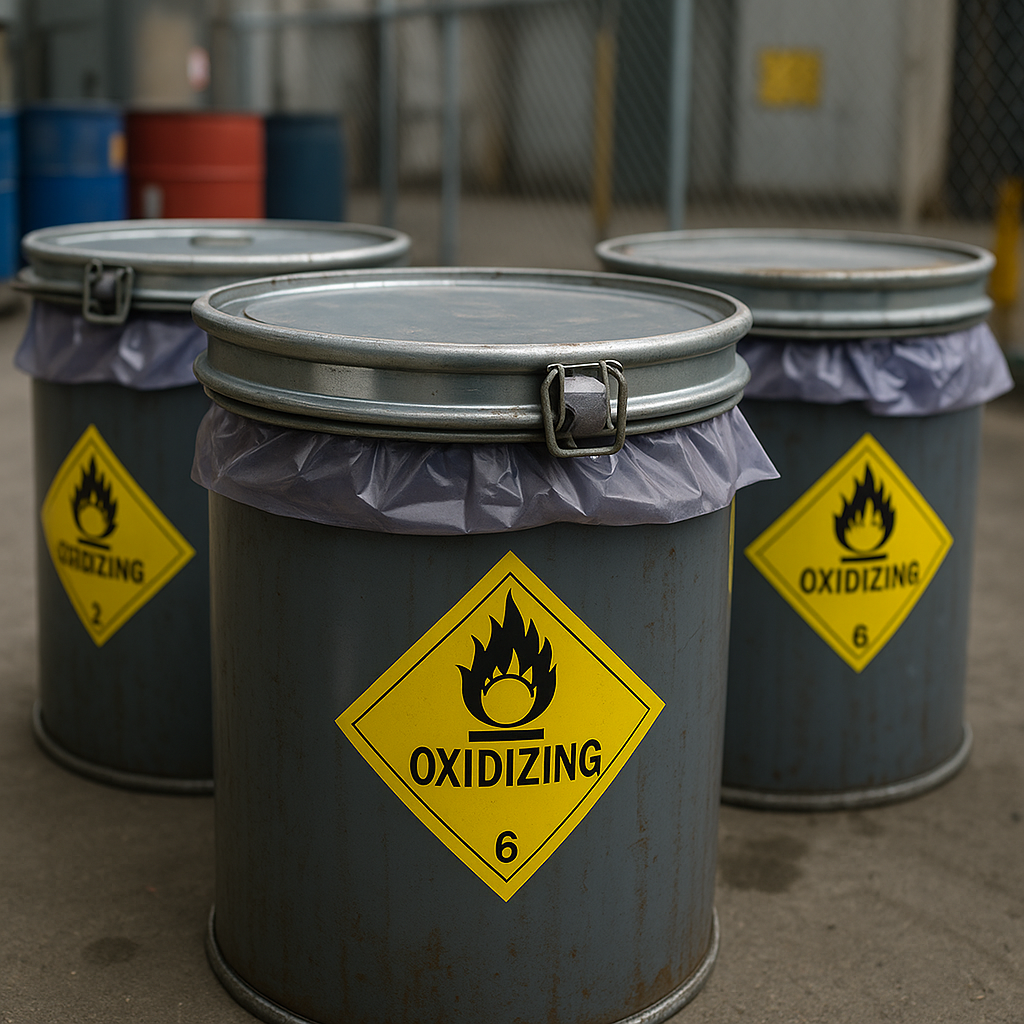
Permanganate hazardous waste
27.10.25
Permanganates, such as potassium permanganate, are hazardous due to their strong oxidizing properties. Proper hazardous waste management reduces risks of accidents and contamination.
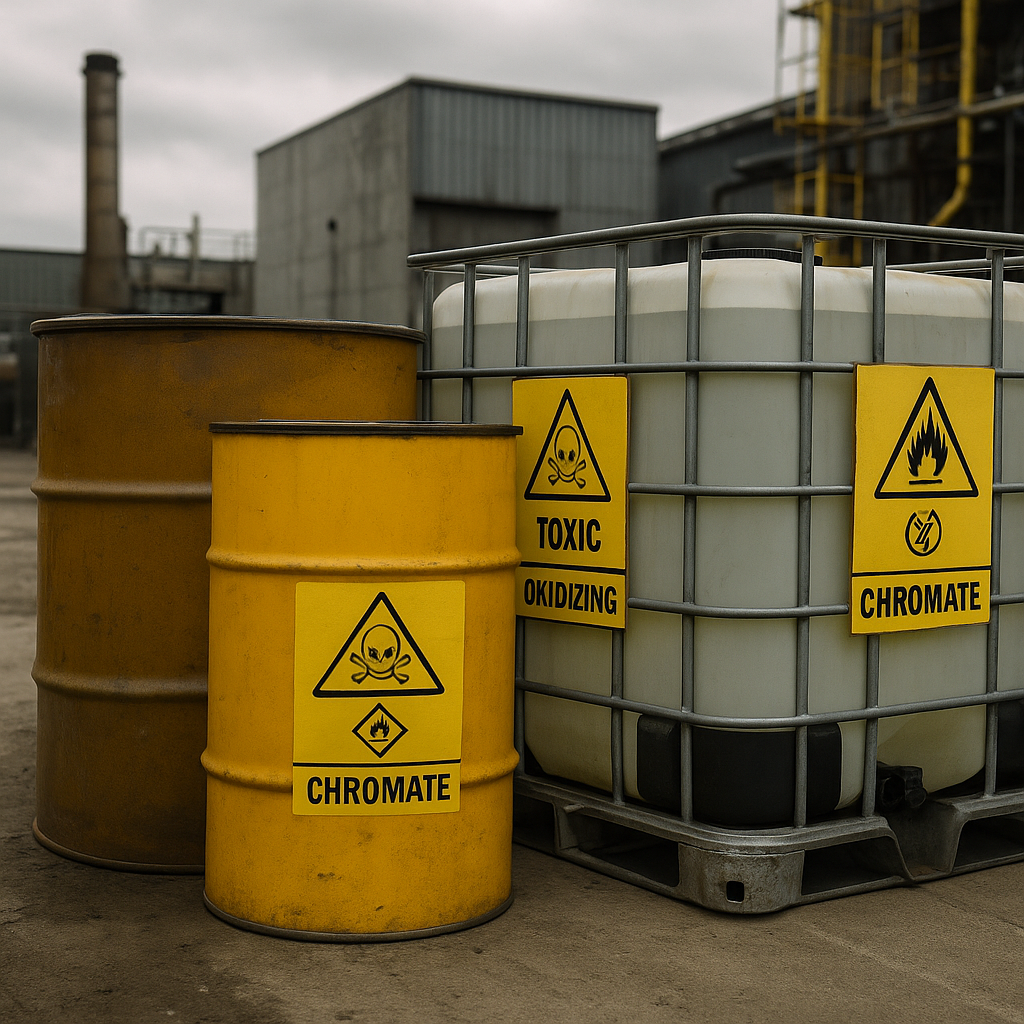
Chromate hazardous waste
23.10.25
Chromates, such as potassium chromate or sodium dichromate, are classified as hazardous due to their high toxicity. Proper hazardous waste management reduces risks for health and the environment.
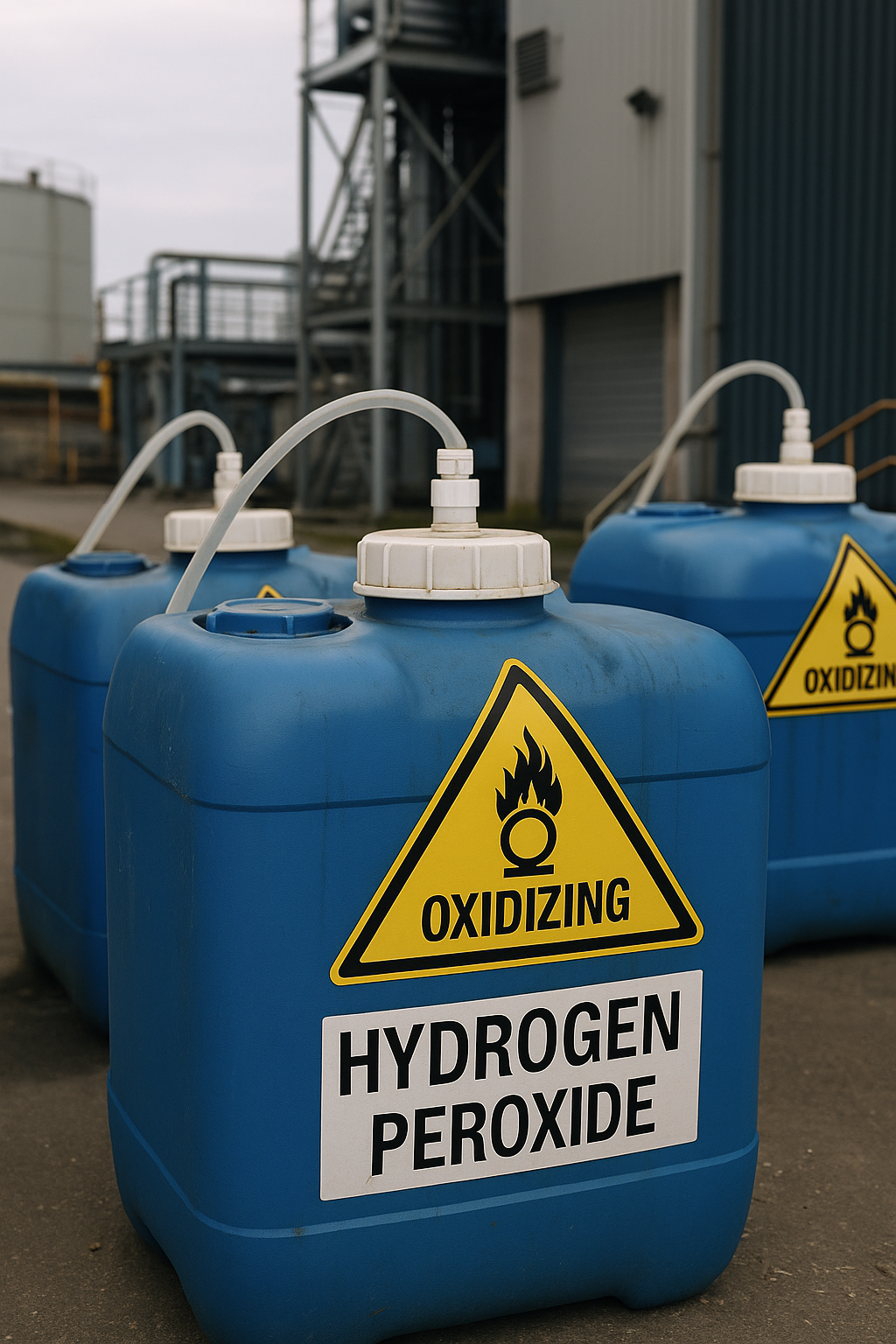
Peroxide waste
20.10.25
Peroxides (code 16 09 03*), such as hydrogen peroxide, are hazardous due to their instability and high reactivity. Proper hazardous waste management minimizes risks of accidents and pollution.
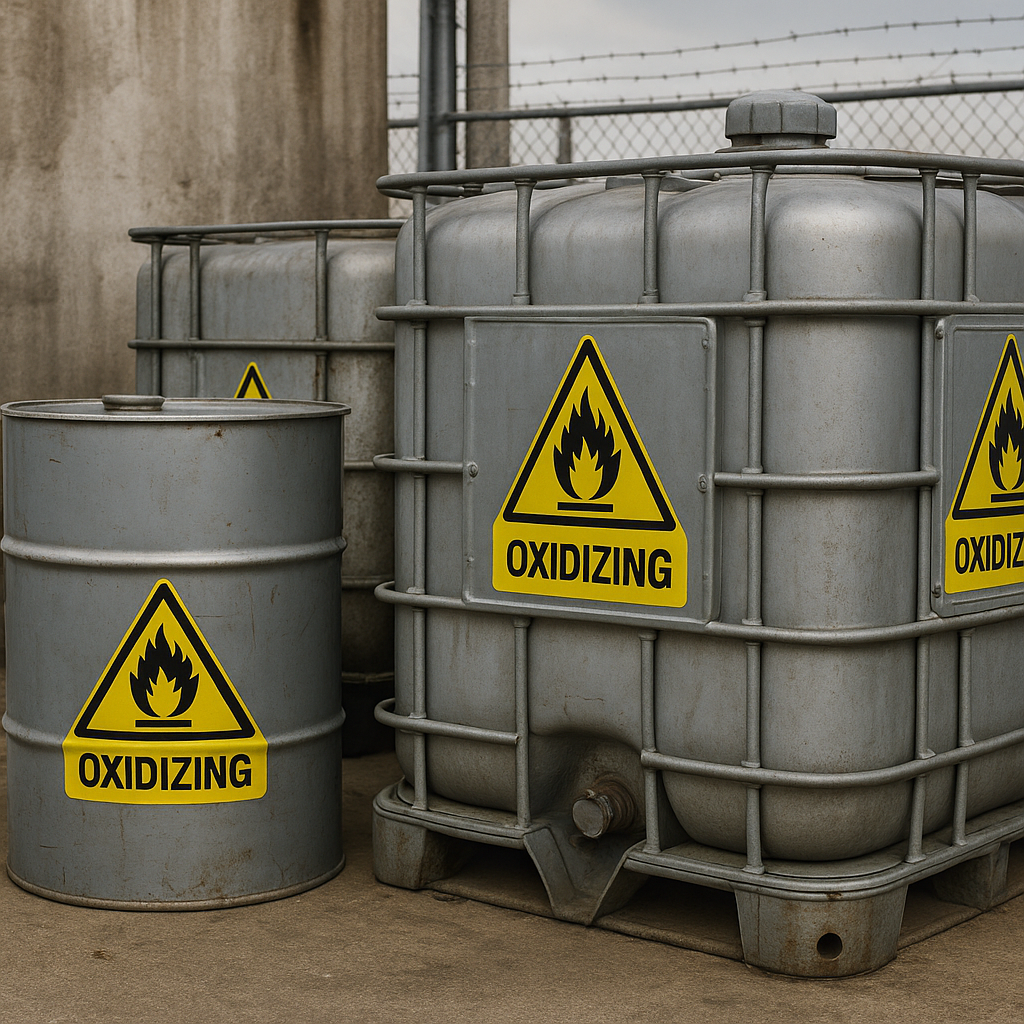
Oxidizing substance waste
17.10.25
Other oxidizing substances (code 16 09 04*) are hazardous due to their high reactivity. Proper hazardous waste management minimizes risks of fire, explosions, and pollution.
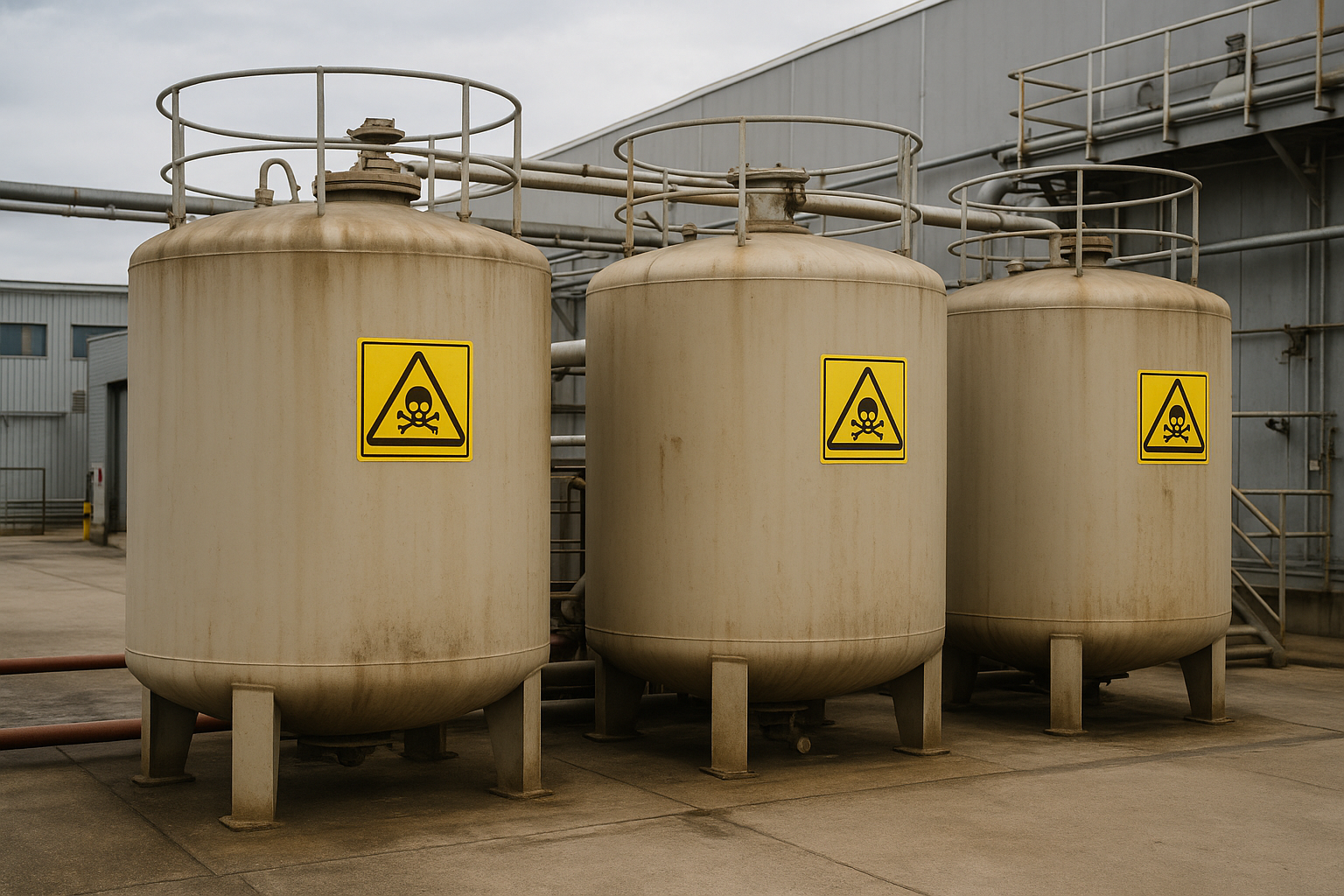
Liquid aqueous waste with hazardous substances
13.10.25
Liquid aqueous waste (code 16 10 01*) is hazardous due to its ability to spread quickly and contaminate ecosystems. Proper hazardous waste management involves strict monitoring, identification, and treatment technologies.
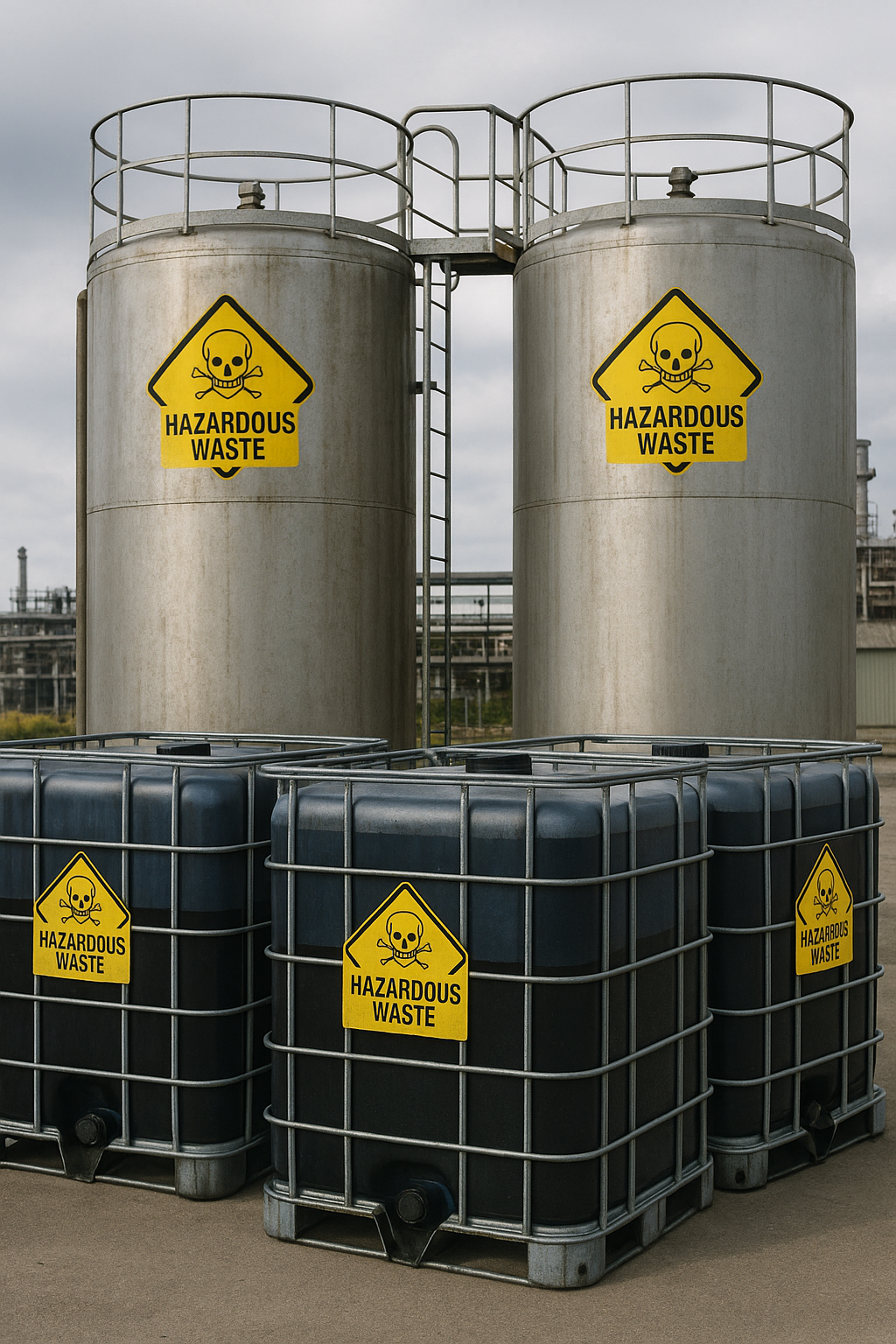
Aqueous concentrates with hazardous substances
10.10.25
Aqueous concentrates (code 16 10 03*) are hazardous due to toxic metals and chemically aggressive compounds. Proper hazardous waste management reduces environmental and health risks.
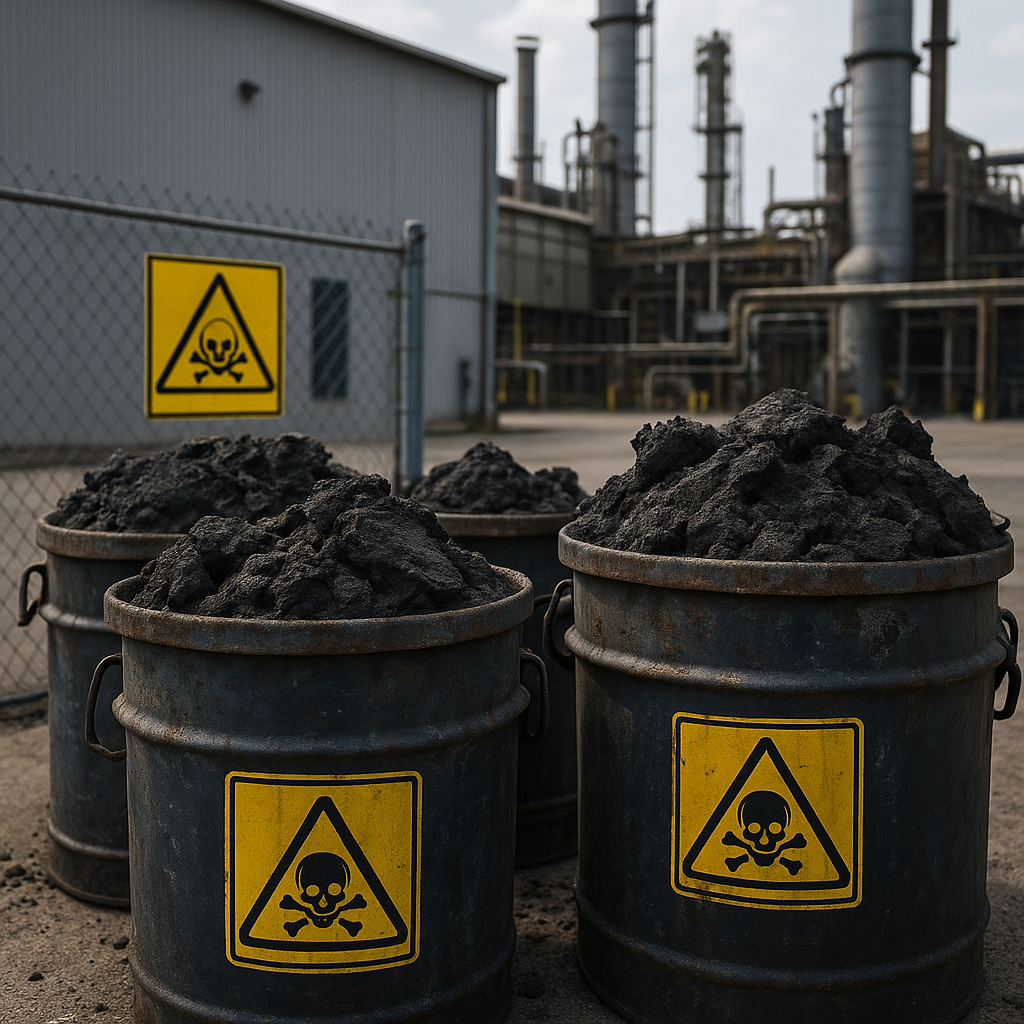
Carbon-based refractory and lining waste from metallurgical processes
07.10.25
Carbon-based refractory and lining waste (code 16 11 01*) is hazardous due to toxic compounds and heavy metals. Proper hazardous waste management reduces risks to the environment and human health.
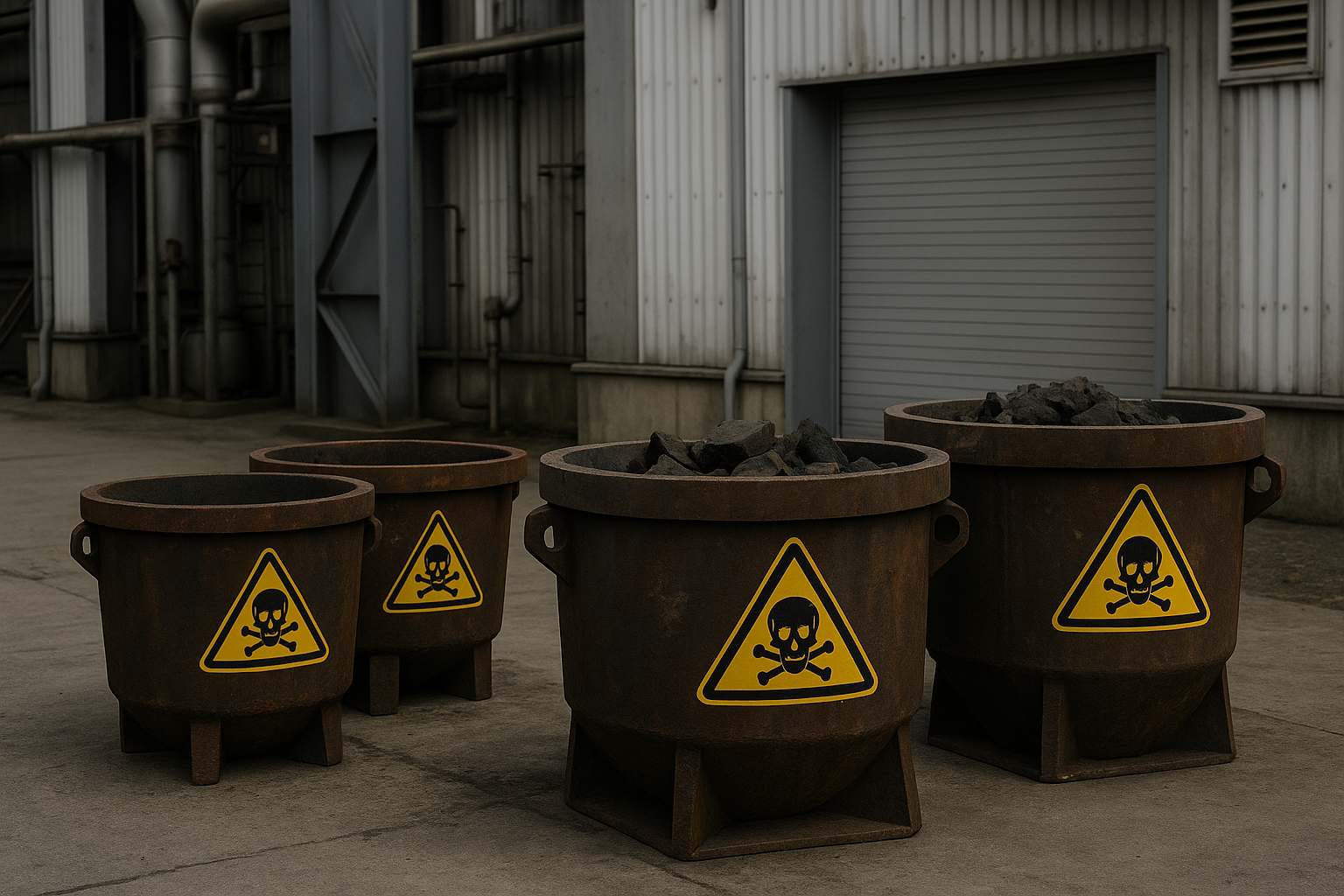
Refractory and lining waste from metallurgical processes
04.10.25
Refractory and lining waste (code 16 11 03*) is classified as hazardous due to toxic compounds and heavy metals. Proper hazardous waste management reduces environmental and health risks.

Refractory and lining waste from non-metallurgical processes
30.09.25
Refractory and lining waste (code 16 11 05*) is considered hazardous due to the presence of toxic compounds and heavy metals. Proper hazardous waste management minimizes environmental risks and protects workers.
Waste Search
Calculate cost?
Calculate processing cost for