Hazardous waste

Recycling and disposal of pharmaceutical industry waste
01.08.2026
Recycling and disposal of pharmaceutical industry waste requires a careful approach due to its potential risk to the environment and human health. This includes waste classification, application of specialized treatment technologies such as high-temperature incineration or chemical inactivation, and adherence to strict regulatory norms. Effective management of this waste is critically important for minimizing pollution and ensuring environmental safety.

Technologies for extracting rare earth metals from industrial waste
30.07.2026
This direction explores innovative methods for extracting rare earth metals from various industrial wastes, such as spent catalysts, electronic scrap, and thermal power plant ash. The main focus is on developing environmentally friendly and economically viable technologies that minimize environmental impact. These technologies include sorption, liquid-extraction, and bioleaching processes for effective separation and concentration of valuable elements.

Recycling and Reusing Food Industry Waste
29.07.2026
Recycling and reusing food industry waste is a key direction for reducing environmental impact and creating new valuable products. This allows not only minimizing the amount of waste but also obtaining biogas, fertilizers, animal feed, or even ingredients for other industries. Effective recycling strategies contribute to a circular economy and more sustainable development.
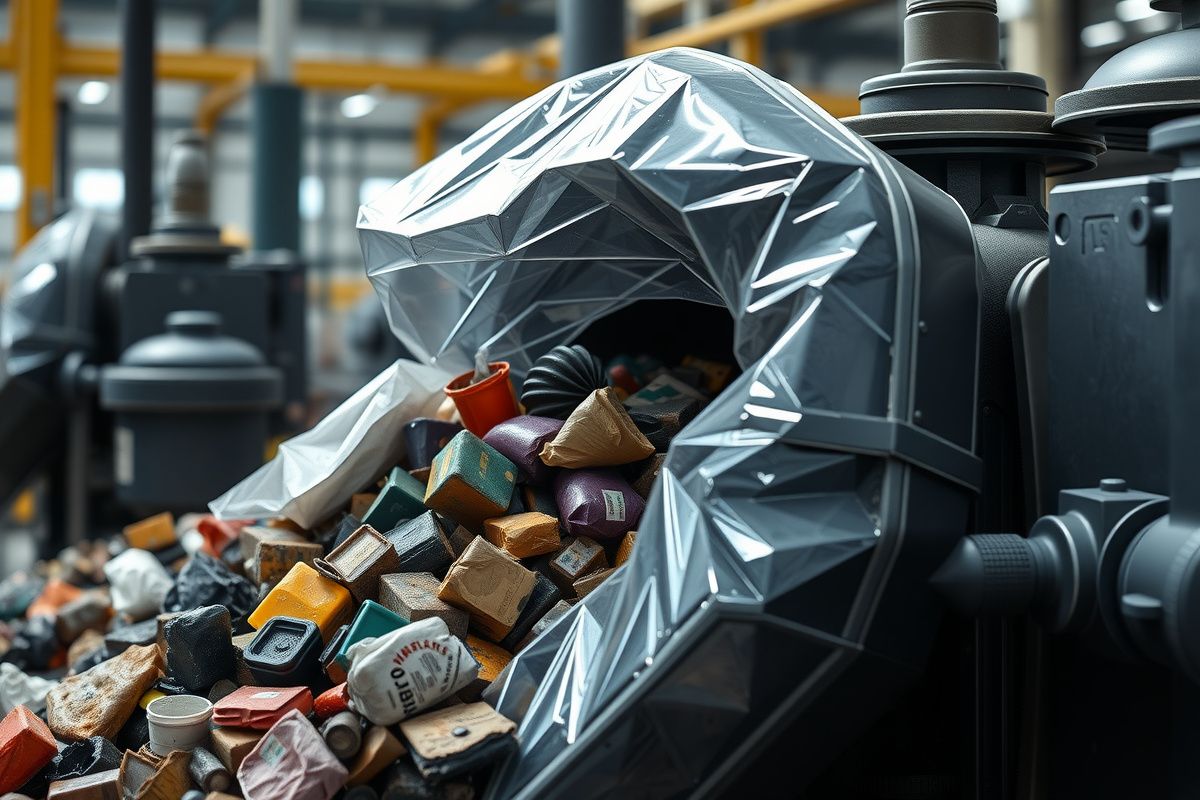
Application of Artificial Intelligence for Optimizing Industrial Waste Processing
28.07.2026
The application of artificial intelligence (AI) is revolutionizing industrial waste processing, ensuring a significant increase in efficiency and environmental sustainability. AI-based systems are capable of analyzing large volumes of data to optimize sorting, predict waste generation, and manage resources. This allows for minimizing losses, reducing operating costs, and accelerating the transition to a circular economy.
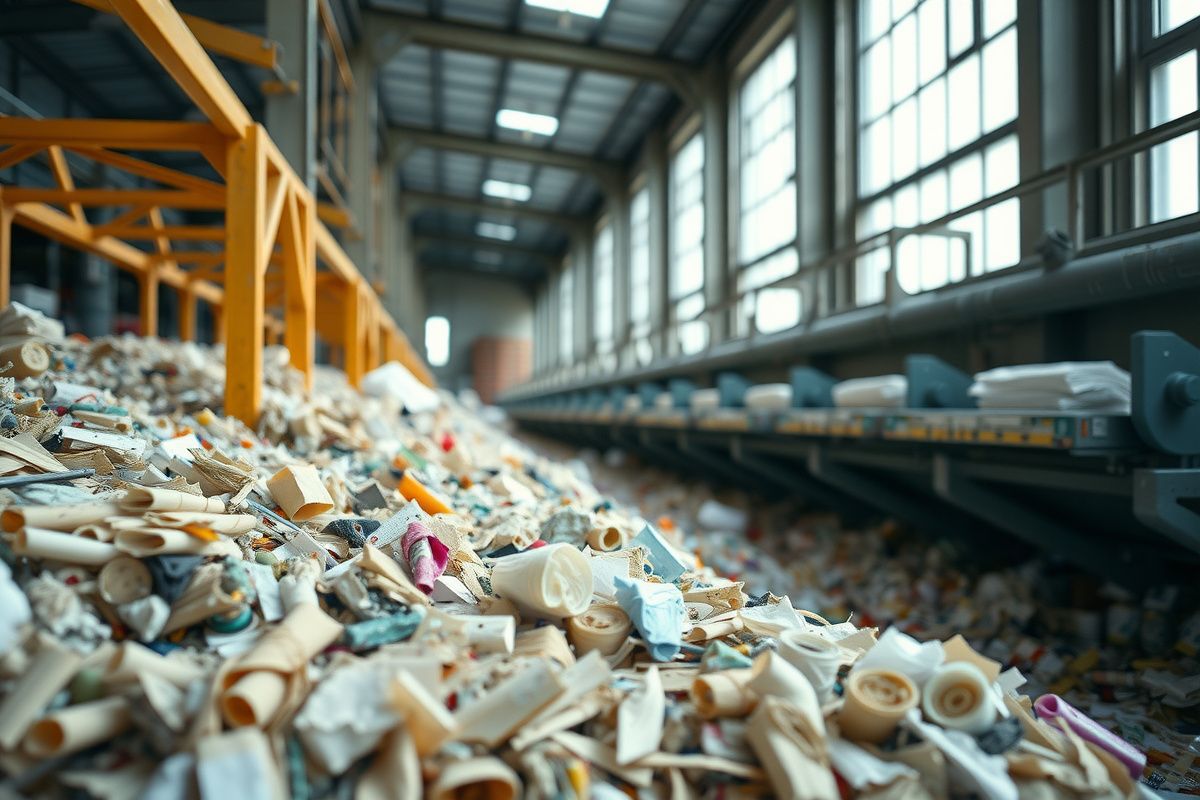
Technologies for recycling and recovery of textile industry waste
27.07.2026
Technologies for Recycling and Recovery of Textile Industry Waste Modern technologies for textile waste processing focus on mechanical and chemical methods to obtain secondary raw materials, such as fibers for new fabrics or composite materials. Textile waste recovery is an important step towards a circular economy, reducing environmental impact and conserving natural resources. These innovations allow for efficient use of waste, creating new products and reducing the amount of landfill waste.
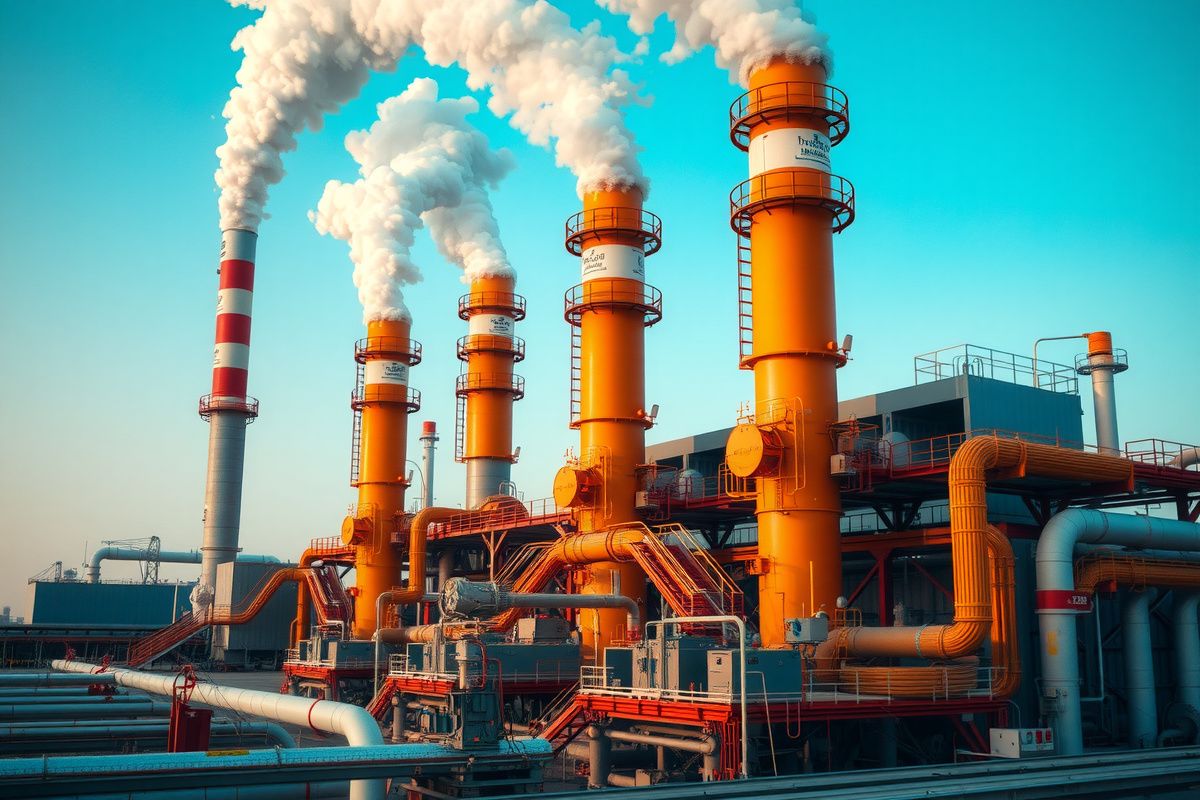
Development and application of adsorption materials for industrial gas purification
26.07.2026
The development and application of adsorption materials is a key direction in the fight against industrial air pollution. Modern adsorbents, such as activated carbon, zeolites, and metal-organic frameworks, allow for the effective removal of toxic compounds and greenhouse gases from industrial emissions. Their optimization and integration into industrial purification systems are critically important for improving the environmental situation and sustainable development.
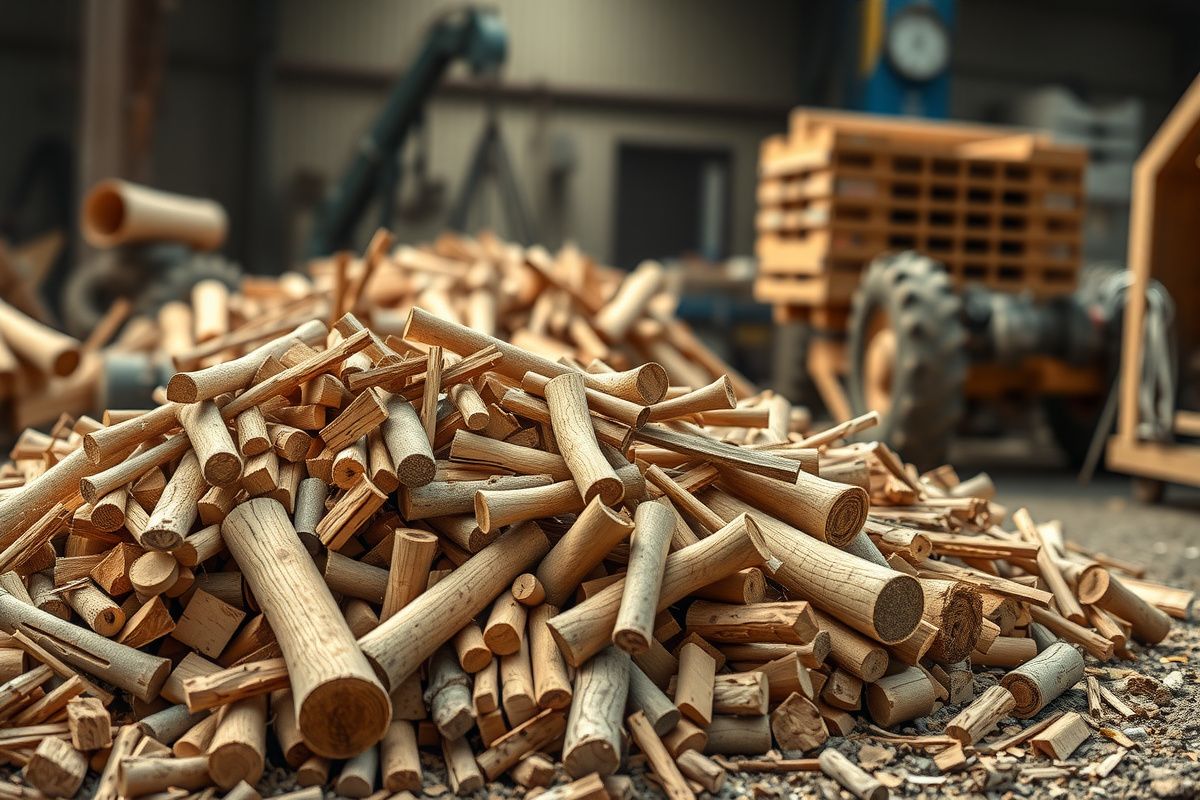
Recycling and Reuse of Woodworking Waste
24.07.2026
The woodworking industry generates significant volumes of waste that can be effectively processed and reused. This not only reduces the burden on the environment but also creates new economic opportunities. The use of such waste in the production of biofuel, composite materials, or as raw material for other industries is a promising direction.
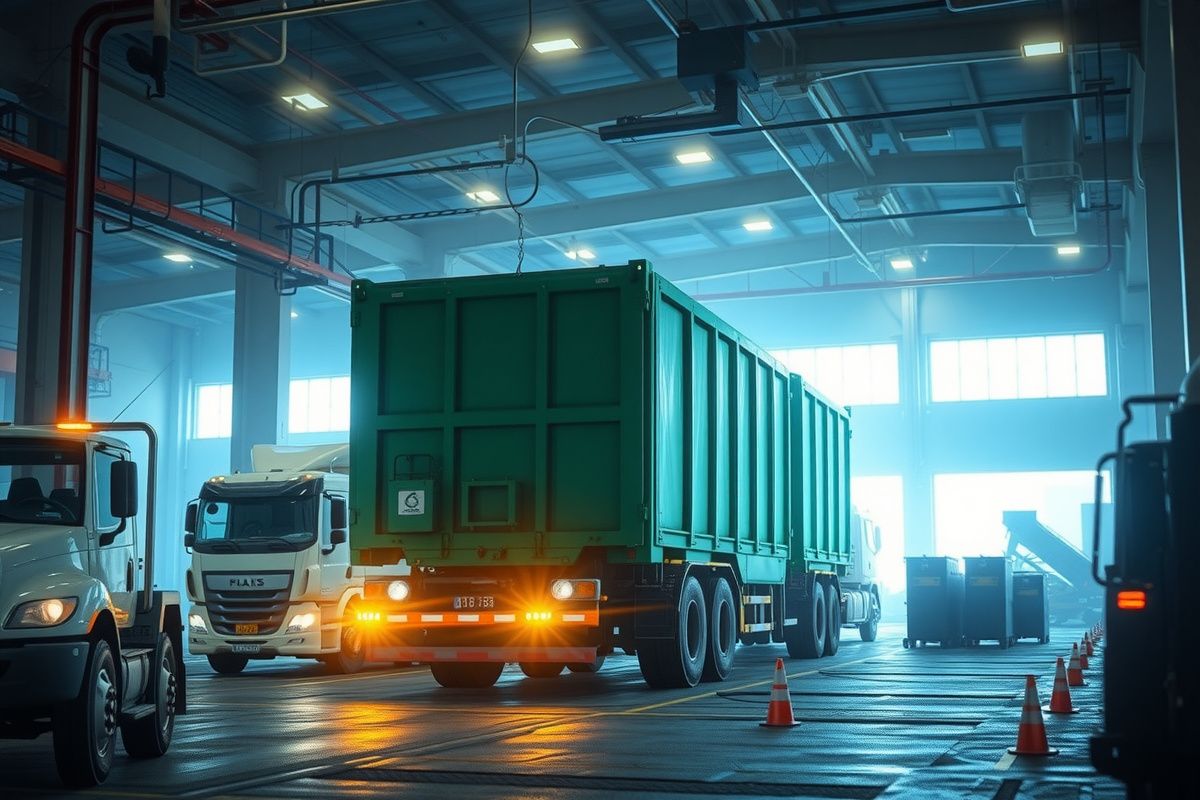
Optimization of logistics for collection and transportation of industrial waste
23.07.2026
Optimizing the logistics of collecting and transporting industrial waste involves implementing intelligent route planning systems, monitoring waste volumes, and utilizing specialized transport. This allows for reduced operating costs, increased recycling efficiency, and minimized negative environmental impact. A key aspect is data integration for making informed decisions regarding collection frequency and selecting optimal landfills or recycling facilities.
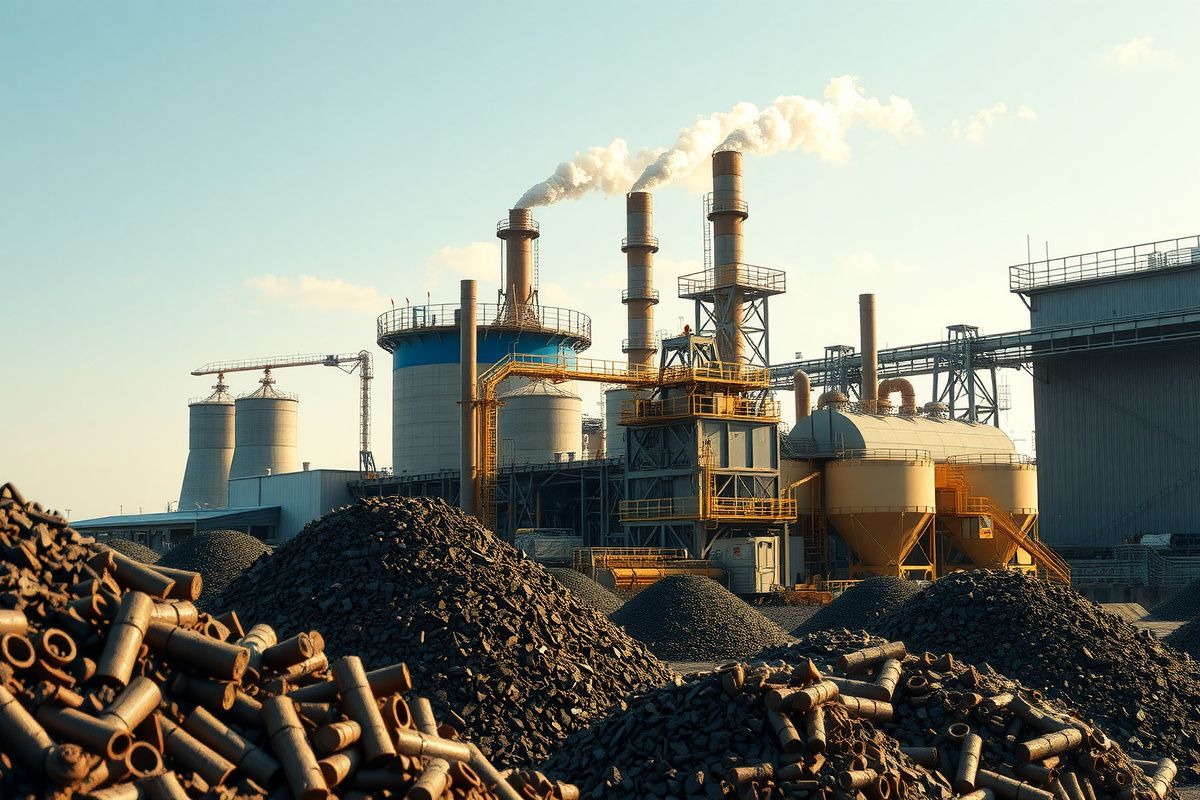
Development and implementation of environmentally friendly materials from industrial waste
22.07.2026
This article examines the process of developing and implementing environmentally friendly materials derived from industrial waste. Special attention is paid to recycling technologies that allow for the creation of new products with high added value, minimizing negative environmental impact. The economic and environmental benefits of such an approach are discussed, as well as the challenges associated with its scaling.
Waste Search
Calculate cost?
Calculate processing cost for