Hazardous waste
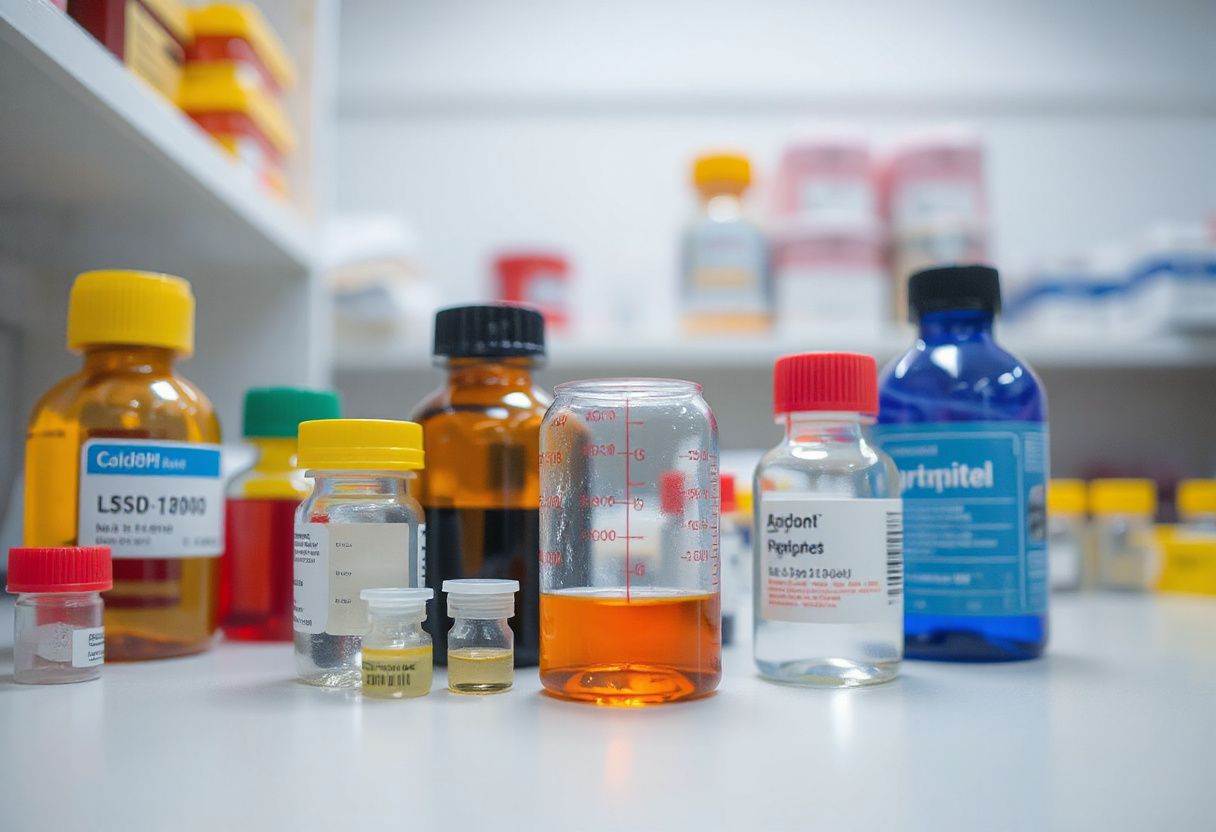
Effective technologies for the disposal of expired hazardous chemical reagents
22.09.2026
Effective neutralization of expired hazardous chemical reagents requires the application of modern innovative methods, such as plasmochemical destruction, supercritical fluid oxidation, and high-temperature incineration. These technologies allow minimizing risks to the environment and human health through the complete conversion of toxic compounds into safe end products. The implementation of such comprehensive approaches is critically important for the safe disposal of accumulated industrial and laboratory waste.

Methods for purifying emissions from paint shops from volatile organic compounds
21.09.2026
Paint and varnish workshops are a source of significant emissions of volatile organic compounds, which negatively affect the environment and human health. Effective purification methods are used to neutralize them, among which absorption, adsorption, and thermal or catalytic afterburning take the leading place. The choice of a specific technological solution depends on the concentration of pollutants, emission volumes, and economic feasibility in production.
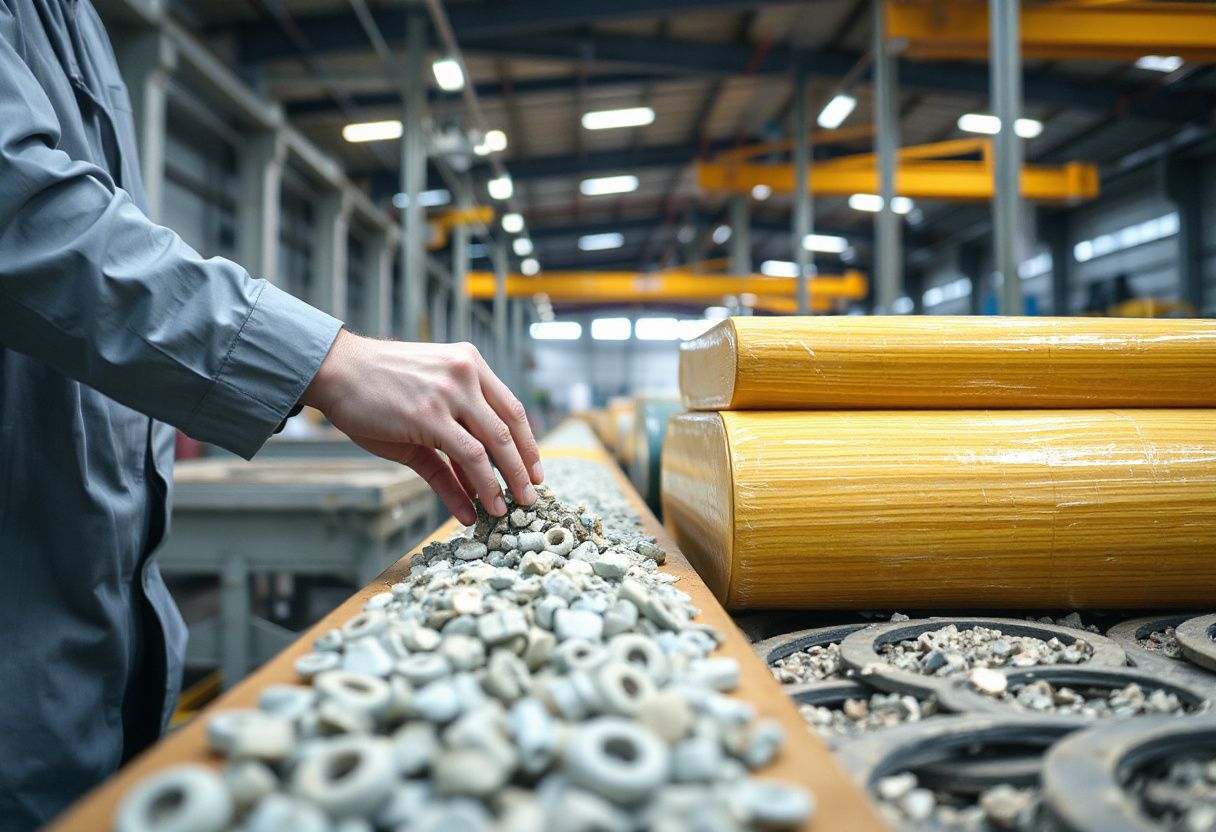
Application of pyrolysis for the processing of rubber waste
20.09.2026
Pyrolysis is one of the most efficient and ecologically promising methods for recycling rubber goods waste and worn-out tires. This thermochemical process allows the decomposition of complex polymeric materials into valuable products without oxygen access: pyrolysis oil, carbon black, gases, and metal cord. The resulting substances can be reused as alternative fuel and secondary raw materials in industry, which significantly reduces the burden on the environment.
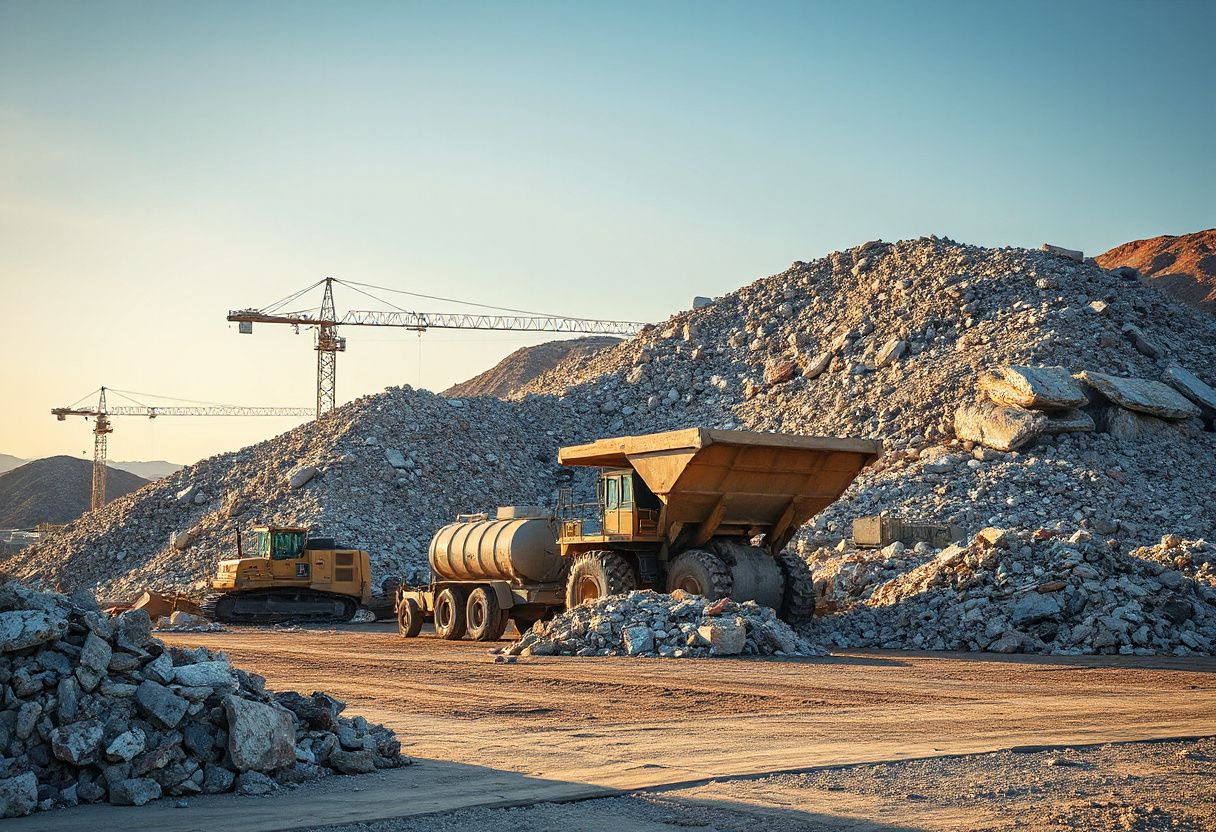
Technologies for collection and recycling of construction waste and concrete residues
18.09.2026
Modern technologies for the collection and processing of construction waste and concrete residues are aimed at minimizing the negative impact on the environment and the rational use of resources. Using specialized equipment, such as mobile crushing and sorting complexes, crushed concrete is transformed into high-quality recycled crushed stone. This allows for a significant reduction in the costs of extracting primary construction materials and contributes to the development of the circular economy principle in the construction industry.
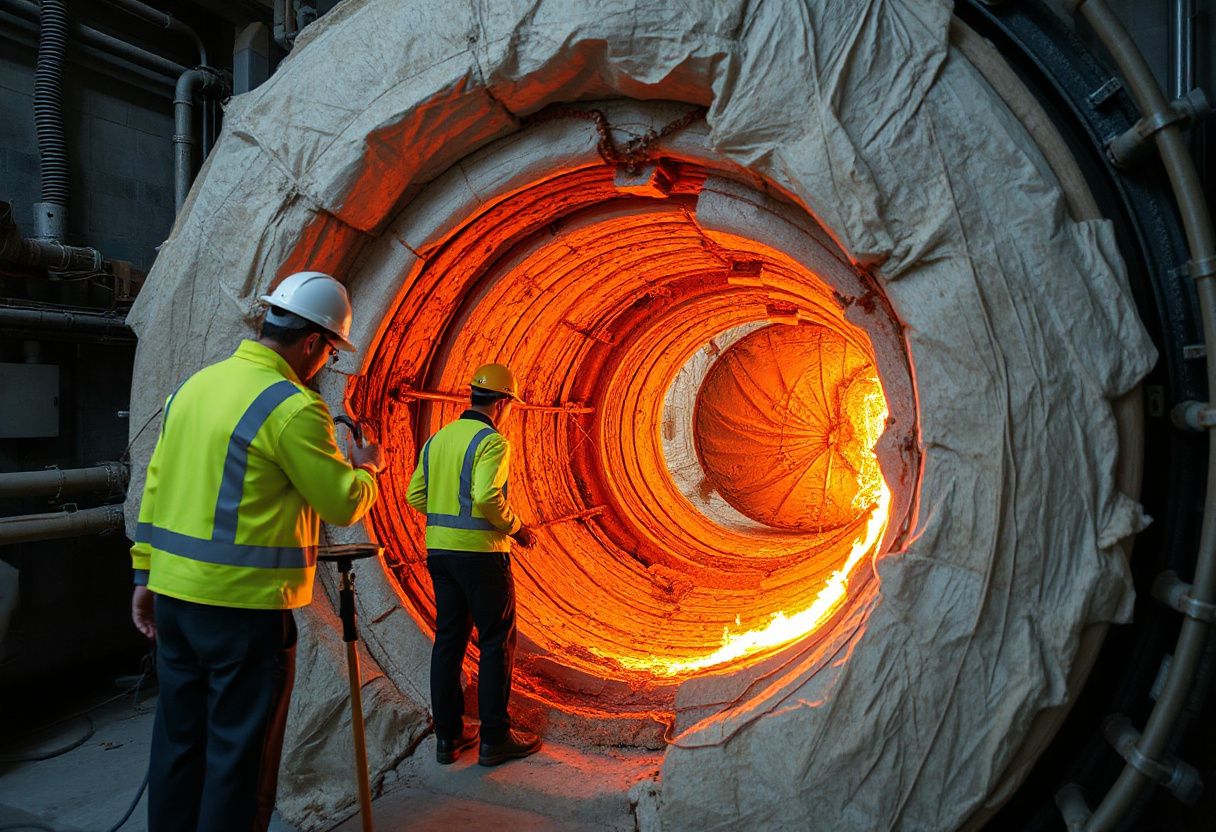
Heat recovery methods in industrial furnace units
18.09.2026
Methods of heat recovery in industrial furnace units are aimed at the reuse of thermal energy from waste gases for preheating air or fuel. This significantly increases the overall efficiency of the units, reduces fuel consumption, and decreases harmful emissions into the atmosphere. The use of modern recuperators and regenerators is a key factor in the energy efficiency of modern metallurgical and machine-building production.
Innovative solutions for the recycling of plastic containers and polymer packaging
18.09.2026
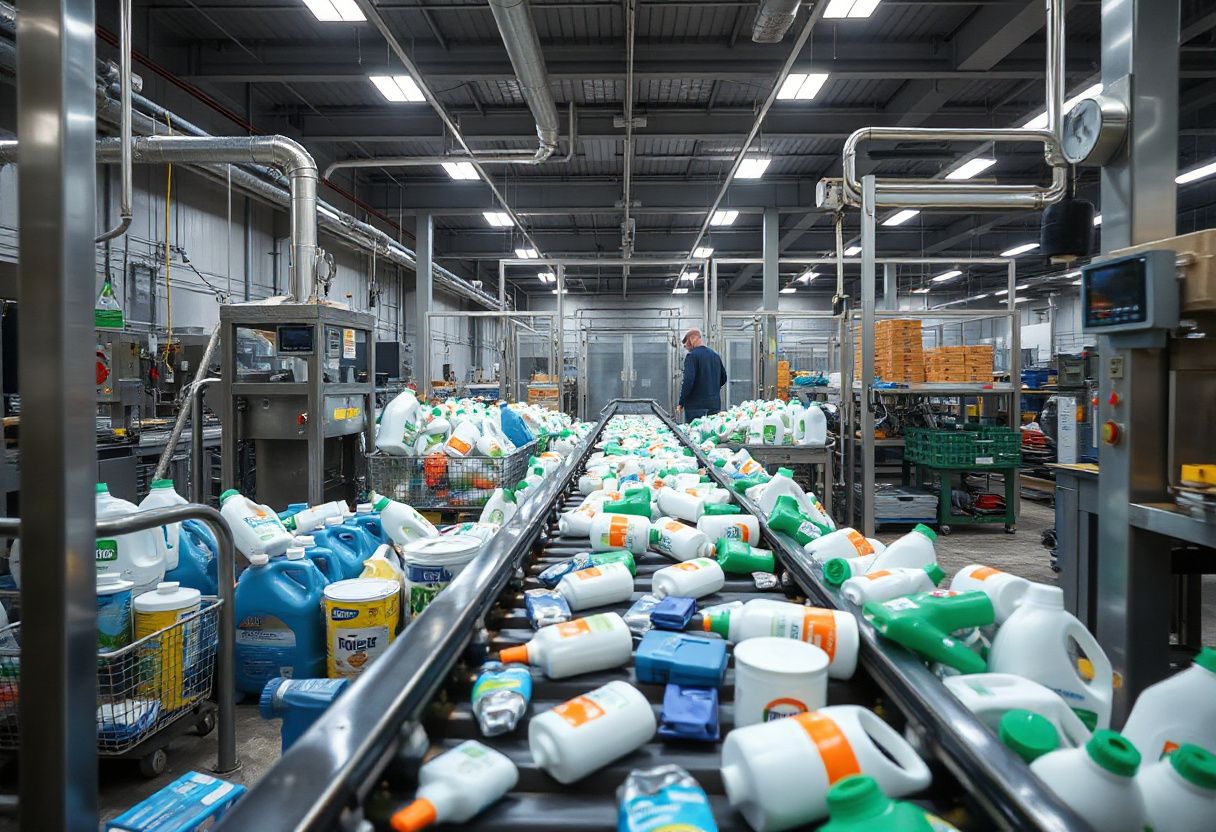
Modern innovative technologies for processing plastic containers and polymer packaging are aimed at introducing biodegradable materials and improving chemical recycling processes. This makes it possible to effectively reduce the volume of hard-to-degrade waste, turning them into secondary raw materials for industrial use. Such solutions are a key element in the development of a circular economy and minimizing negative environmental impacts.
Environmental aspects of medical waste management in healthcare facilities
18.09.2026
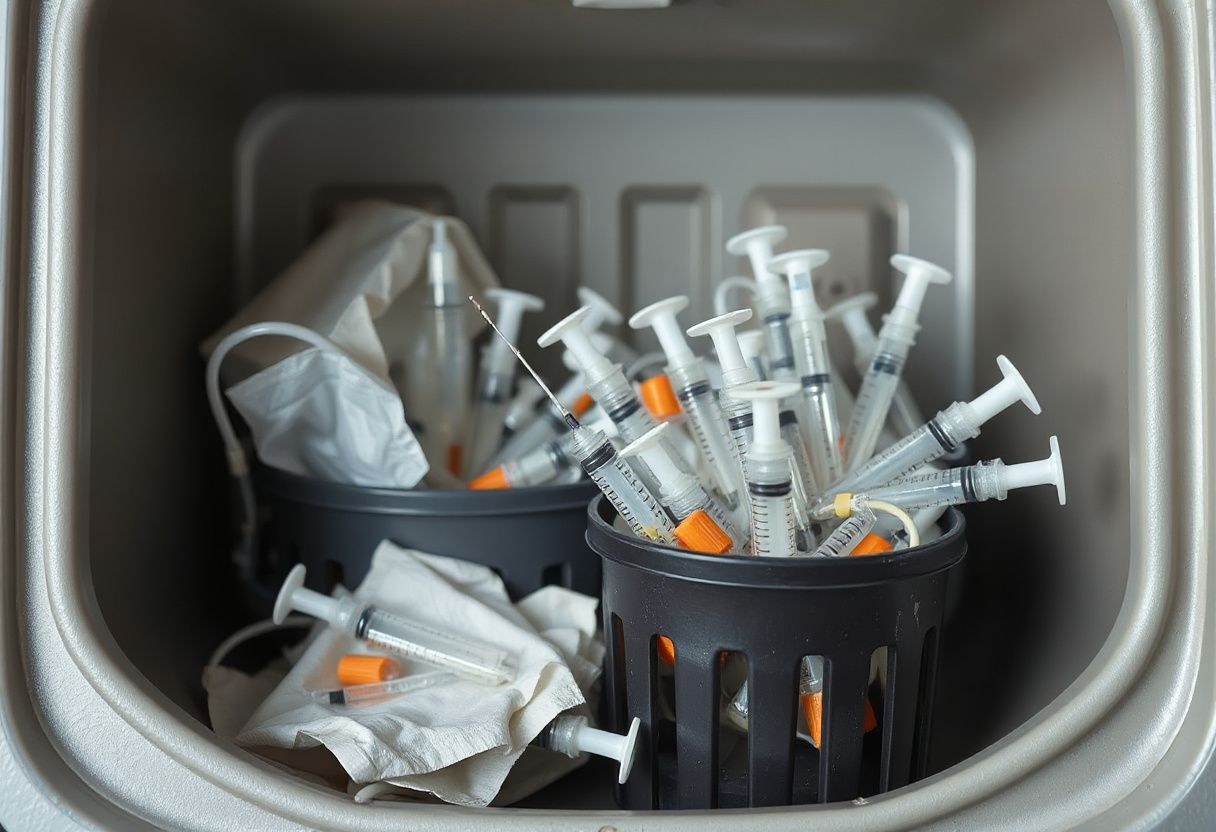
Effective management of medical waste from healthcare facilities is critically important to prevent environmental pollution and the spread of dangerous infections. Improper disposal of such materials leads to toxic emissions into the air and soil due to their uncontrolled burning or burial. The introduction of modern disinfection and segregated collection technologies significantly reduces environmental risks and ensures public safety.
Wastewater treatment technologies for heavy metals in electroplating production
18.09.2026
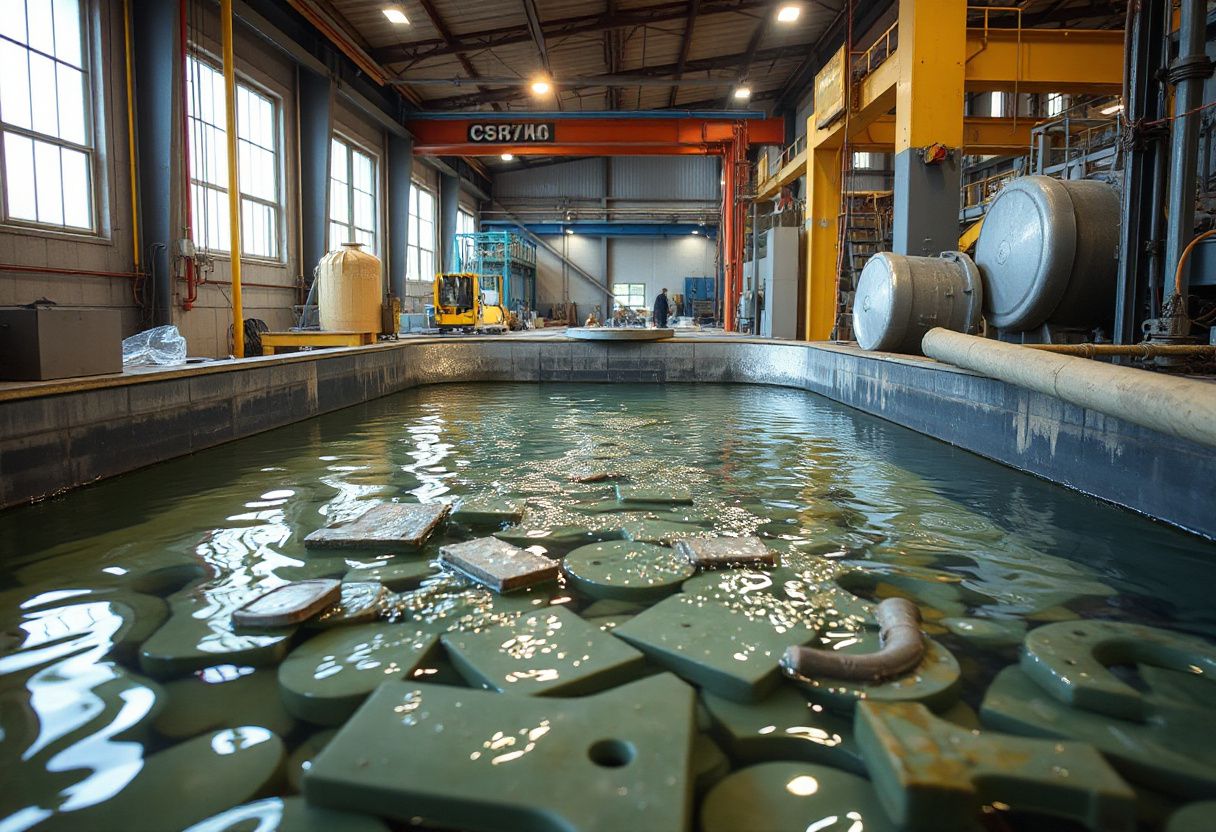
Wastewater from electroplating facilities contains high concentrations of toxic heavy metals, such as chromium, nickel, copper, and zinc, which pose a serious threat to the environment. For their effective treatment, modern technologies are used, in particular reagent methods, ion exchange, membrane filtration, and electrochemical precipitation. These processes make it possible to convert soluble toxic compounds into sparingly soluble precipitates or to recover valuable components for their reuse in production.

Methods of recycling waste oils and technical fluids
18.09.2026
Effective recycling of used oils and technical fluids is critical for preventing environmental pollution and conserving natural resources. Modern technologies involve the use of physical, chemical, and thermal purification methods that remove contaminants and restore the basic properties of the raw material. This makes it possible to reuse petroleum products in industry, significantly reducing their negative impact on the ecosystem.
Waste Search
Calculate cost?
Calculate processing cost for