Hazardous waste
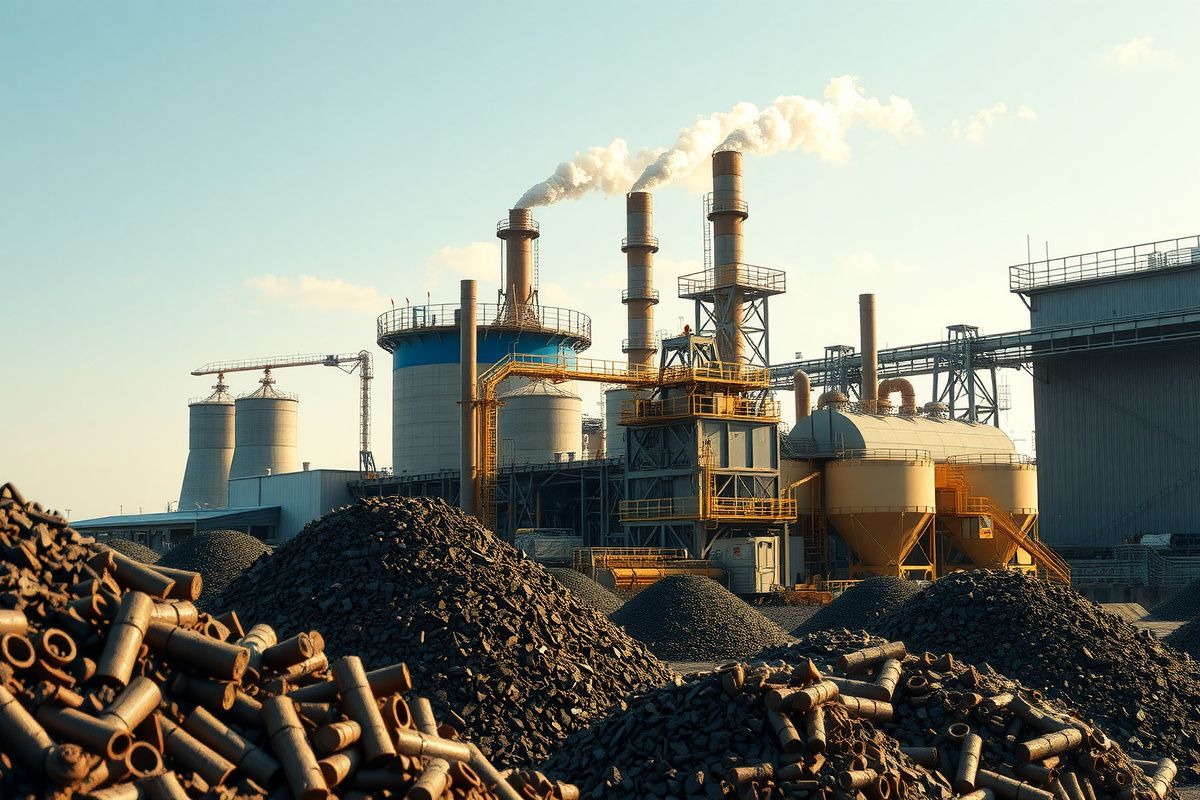
Development and implementation of environmentally friendly materials from industrial waste
22.07.2026
This article examines the process of developing and implementing environmentally friendly materials derived from industrial waste. Special attention is paid to recycling technologies that allow for the creation of new products with high added value, minimizing negative environmental impact. The economic and environmental benefits of such an approach are discussed, as well as the challenges associated with its scaling.
Application of drones for monitoring and inventory of industrial waste
21.07.2026
Using drones for monitoring and inventorying industrial waste significantly increases the efficiency and safety of the process. Thanks to aerial photography and the creation of 3D models, it is possible to accurately measure waste volumes, track their changes, and identify potential environmental risks over large areas. This allows for optimizing waste management, reducing manual labor costs, and improving compliance with environmental regulations.

Technologies for extracting valuable components from electronic industry waste
20.07.2026
Technologies for extracting valuable components from electronic industry waste focus on developing effective methods for recovering rare metals and other valuable materials. This allows for reducing the volume of electronic waste, minimizing environmental impact, and ensuring resource sustainability through their reuse. Modern approaches include mechanical, pyrometallurgical, hydrometallurgical, and biotechnological processes, which are constantly being improved to enhance efficiency and economic feasibility.

Recycling and disposal of spent industrial catalysts
19.07.2026
The processing and disposal of spent industrial catalysts is critically important for environmental preservation and the recovery of valuable resources. This process involves environmentally safe methods for disposing of harmful components and extracting rare metals, which reduces the need for primary raw materials and minimizes industrial waste. Effective catalyst management is key to the sustainable development of the chemical industry.
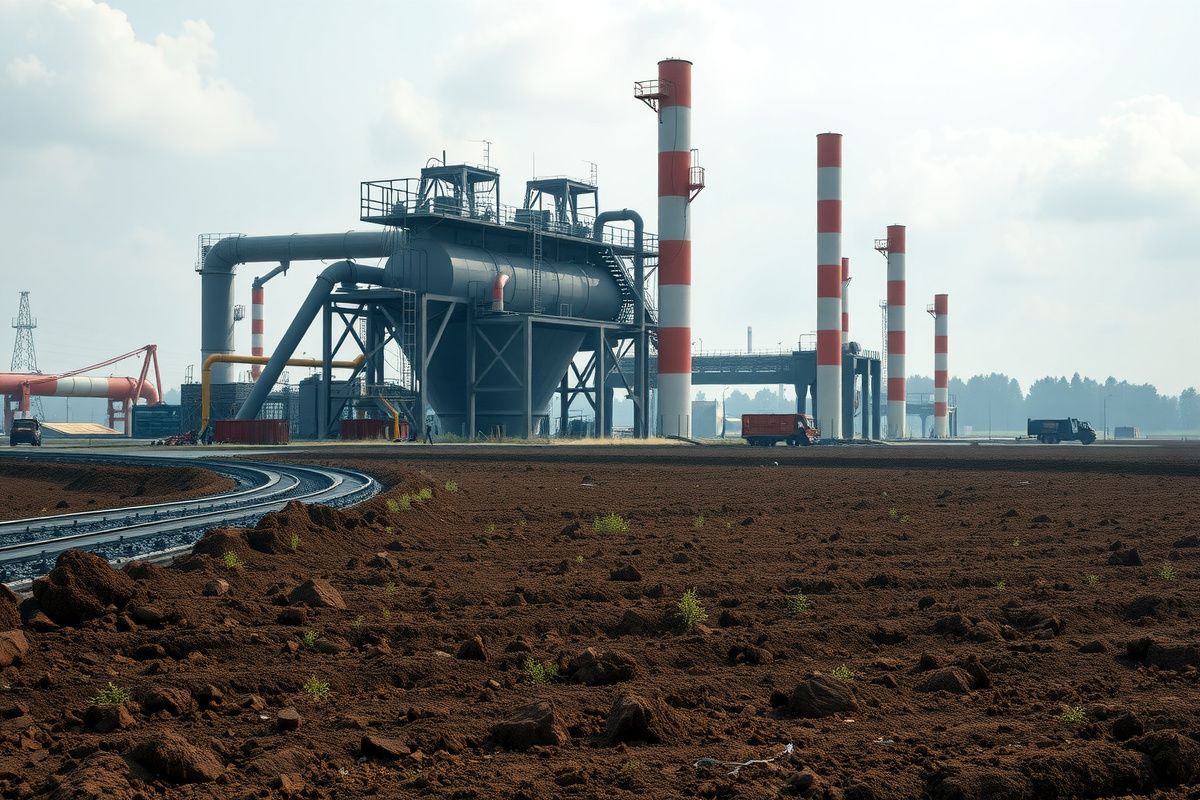
Using Bioremediation for the Restoration of Contaminated Industrial Soils
18.07.2026
Bioremediation offers effective and environmentally safe methods for restoring industrial soils contaminated with heavy metals and organic compounds. The use of microorganisms and plants allows for the decomposition or immobilization of toxic substances, reducing the risk to the environment and human health. This approach is promising for sustainable management of contaminated areas.
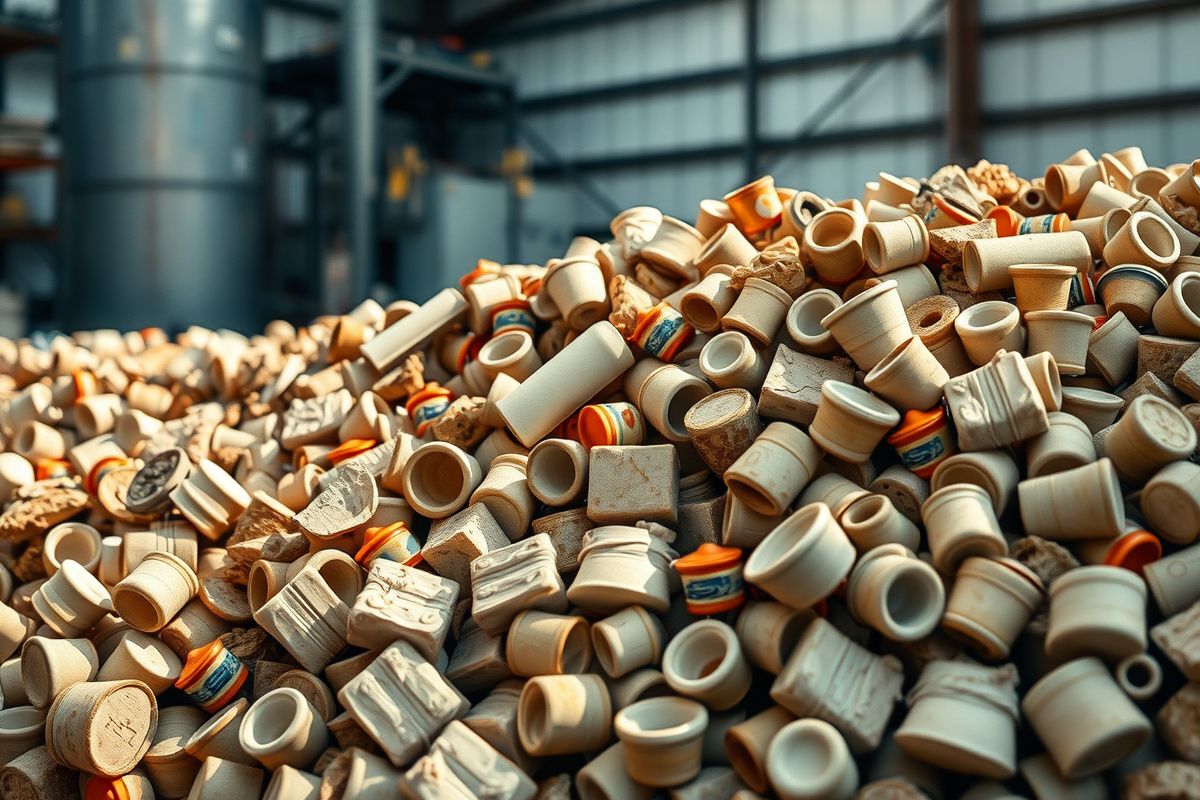
Recycling and Reuse of Industrial Ceramic Waste
16.07.2026
Recycling and Reusing Industrial Ceramic Waste Industrial ceramic waste generated during production poses a significant environmental problem. Their effective recycling and reuse not only reduce landfill volumes but also preserve natural resources. The development of new technologies and methods for processing ceramic waste is a key direction for creating a circular economy in the industry.
Energy utilization of industrial waste: modern approaches and prospects
15.07.2026
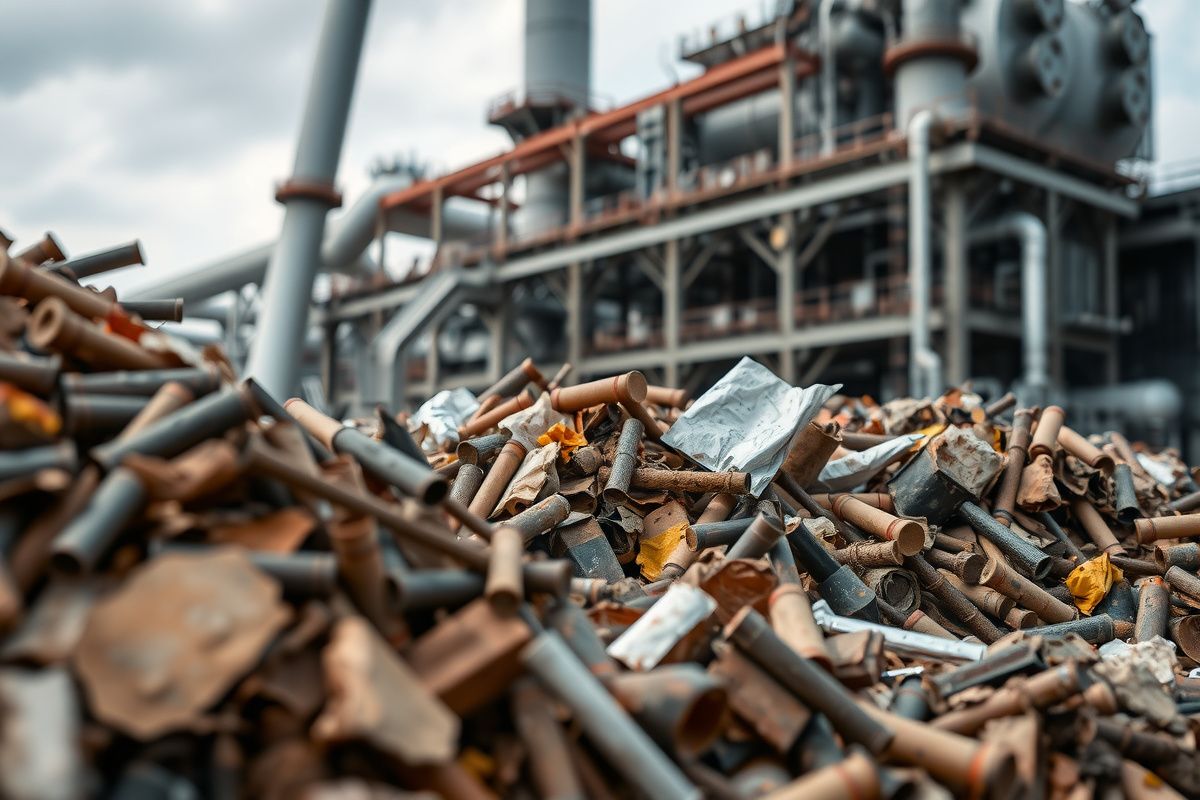
Energy utilization of industrial waste is a key direction for reducing environmental impact and obtaining additional energy resources. Modern approaches include the use of advanced combustion, gasification, and pyrolysis technologies, which allow for the effective conversion of waste into thermal and electrical energy. Prospects for the development of this industry are associated with the development of comprehensive integrated processing systems that maximize energy recovery and minimize the formation of secondary waste.
Technologies for recycling and recovery of industrial solvents
14.07.2026
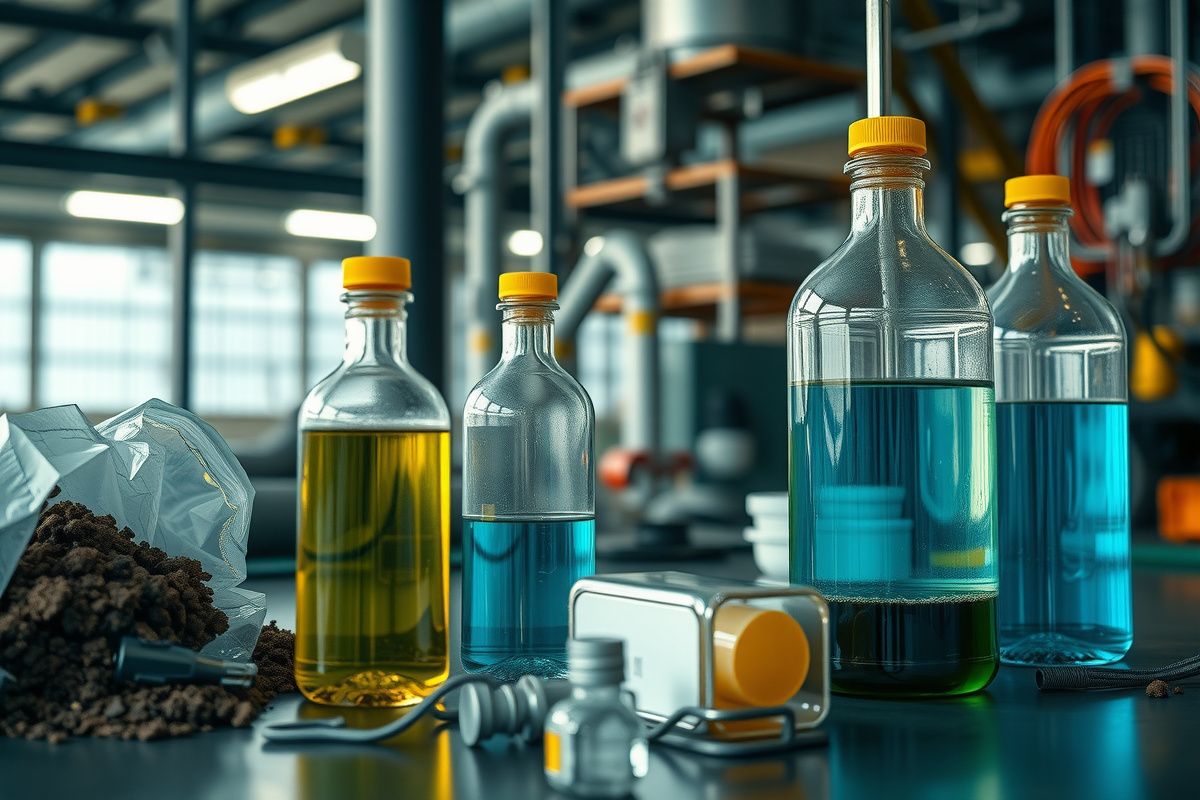
Technologies for the recycling and recovery of industrial solvents play a key role in modern industrial production, allowing for waste minimization and reduced negative environmental impact. These processes ensure the economic efficiency of enterprises through the reuse of valuable chemical substances. The development and implementation of new regeneration methods contribute to sustainable development and a circular economy.
Management and processing of mining waste
13.07.2026
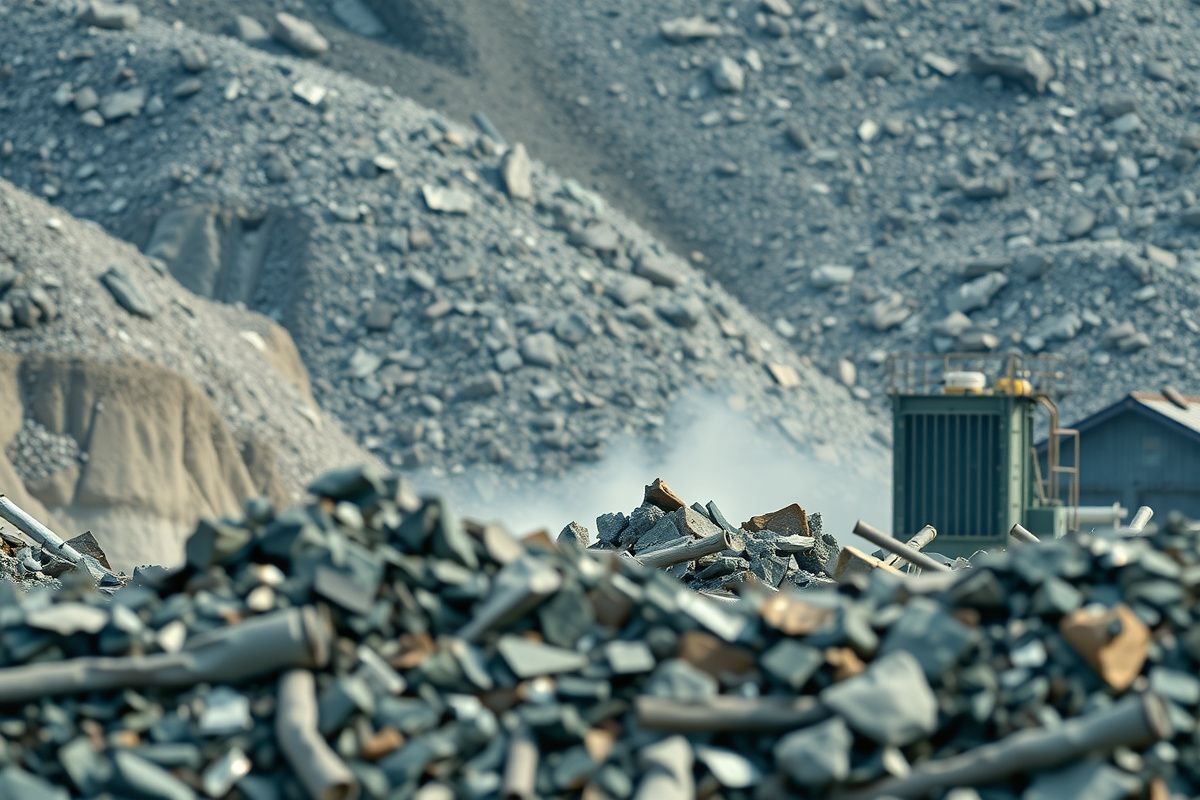
Management and processing of mining waste Effective management of mining waste is crucial for minimizing negative impacts on the environment and human health. This involves implementing modern processing technologies that allow for the extraction of valuable components and the reduction of toxic waste volumes. A comprehensive approach to this problem contributes to the sustainable development of the industry and the reclamation of disturbed lands.
Waste Search
Calculate cost?
Calculate processing cost for