Hazardous waste
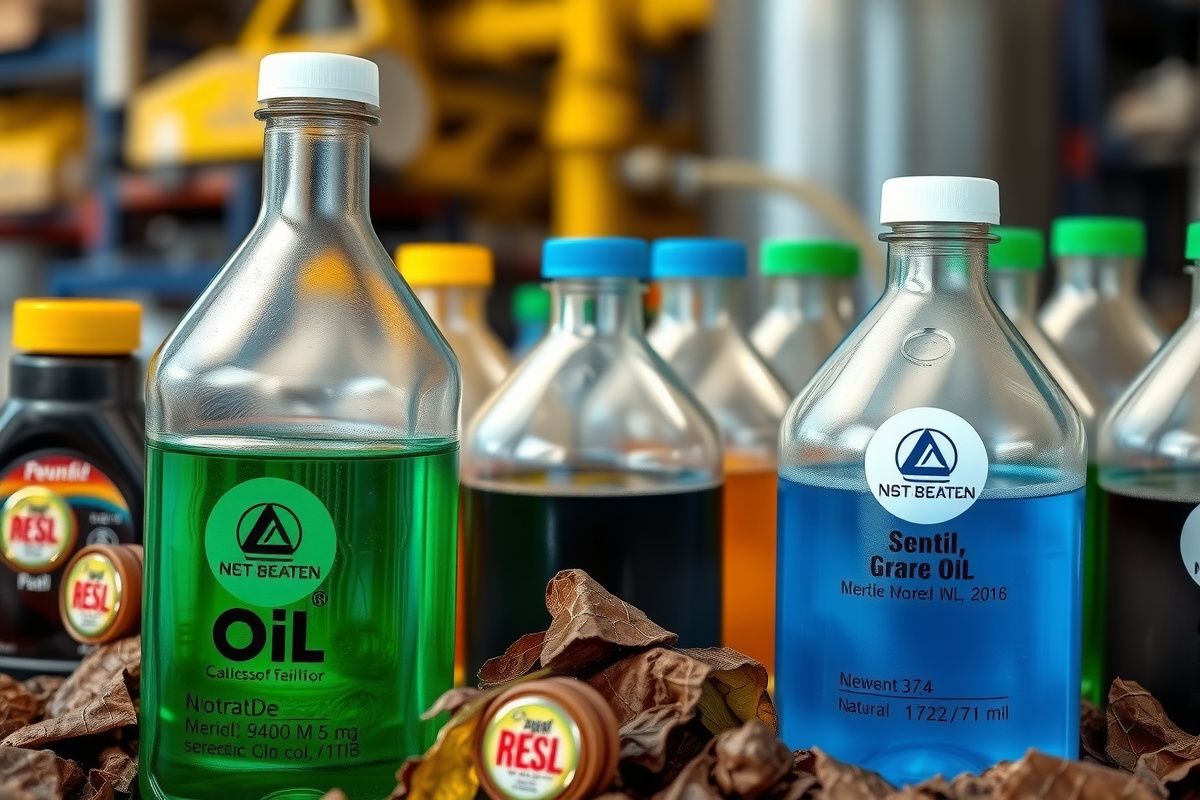
Recycling of spent oils and technical fluids: environmental challenges
26.05.2026
Used lubricants and technical fluids are a significant source of pollution, posing serious environmental challenges for their processing. Improper disposal of these substances leads to the contamination of soil, water bodies, and air with toxic compounds. Effective and safe processing is critically important for minimizing the negative impact on the environment and preserving natural resources.
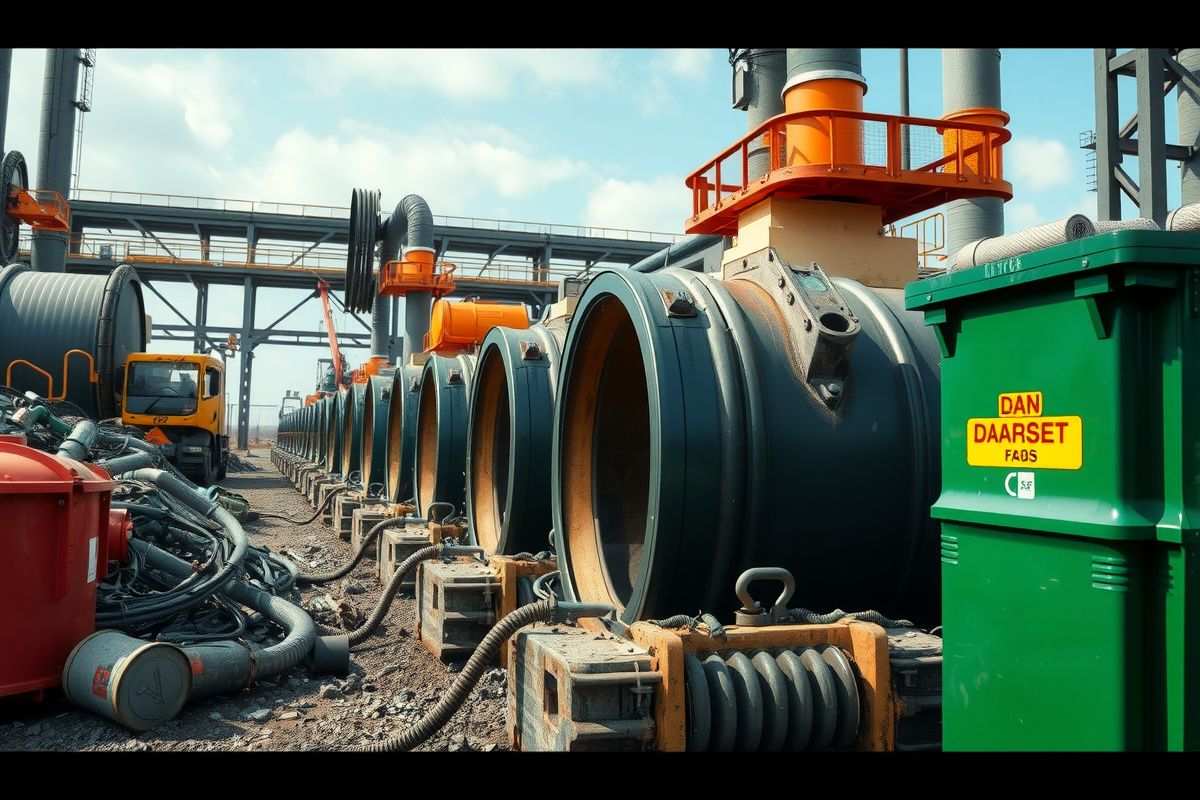
The role of digital technologies and artificial intelligence in optimizing waste management
25.05.2026
Digital technologies and artificial intelligence play a key role in optimizing waste management, ensuring more efficient collection, sorting, and processing processes. Their application allows for increased forecasting accuracy, minimized operational costs, and improved environmental sustainability, contributing to the creation of a circular economy.

Innovative methods for processing polymer waste for secondary use
24.05.2026
The growing problem of polymer waste requires the development of innovative methods for its processing for effective secondary use. Modern approaches include advanced chemical processes, such as depolymerization and pyrolysis, as well as advanced mechanical technologies for sorting and purification. These innovations are key to creating a circular economy, by transforming waste into valuable raw materials and products.
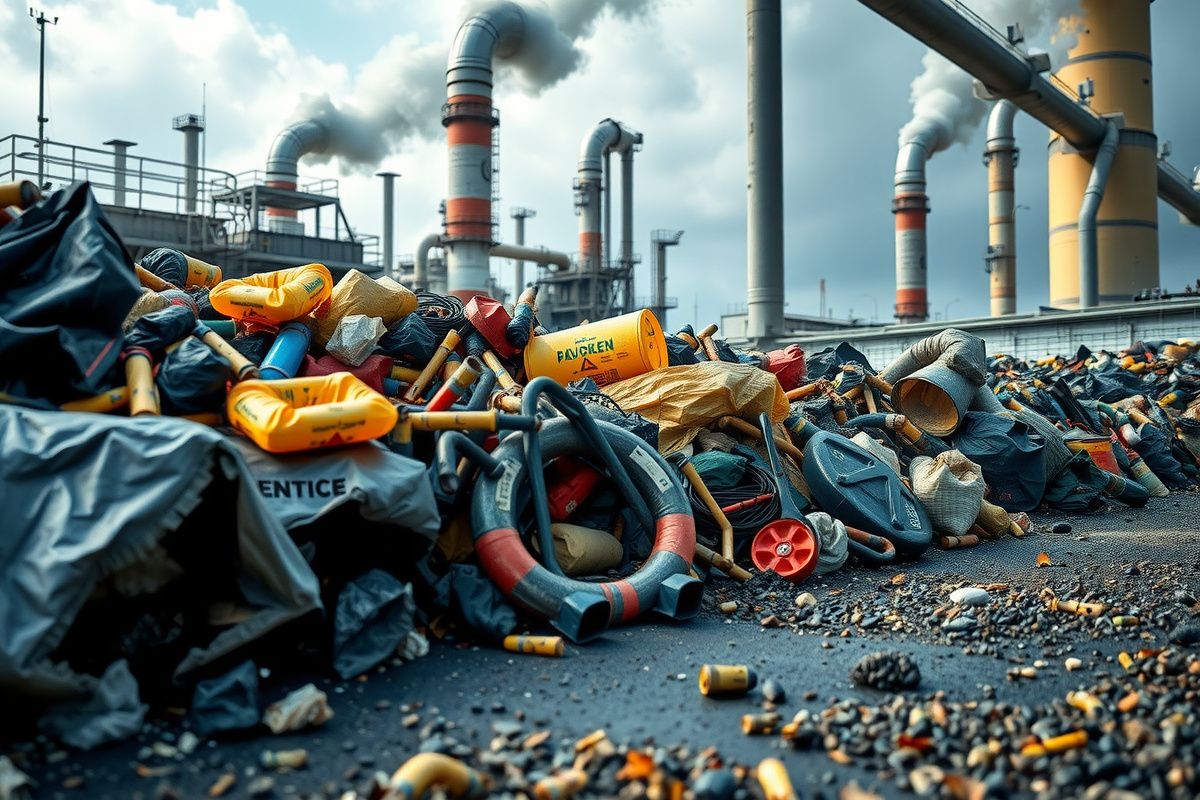
Industrial waste and their impact on soil pollution: innovative remediation methods
23.05.2026
Industrial waste is a significant source of soil contamination, leading to its degradation and posing a serious threat to the environment and human health. To effectively combat this problem, innovative remediation methods are actively being developed and implemented, such as bioremediation, phytoremediation, and novel physicochemical technologies, aimed at restoring the fertility and safety of contaminated lands.
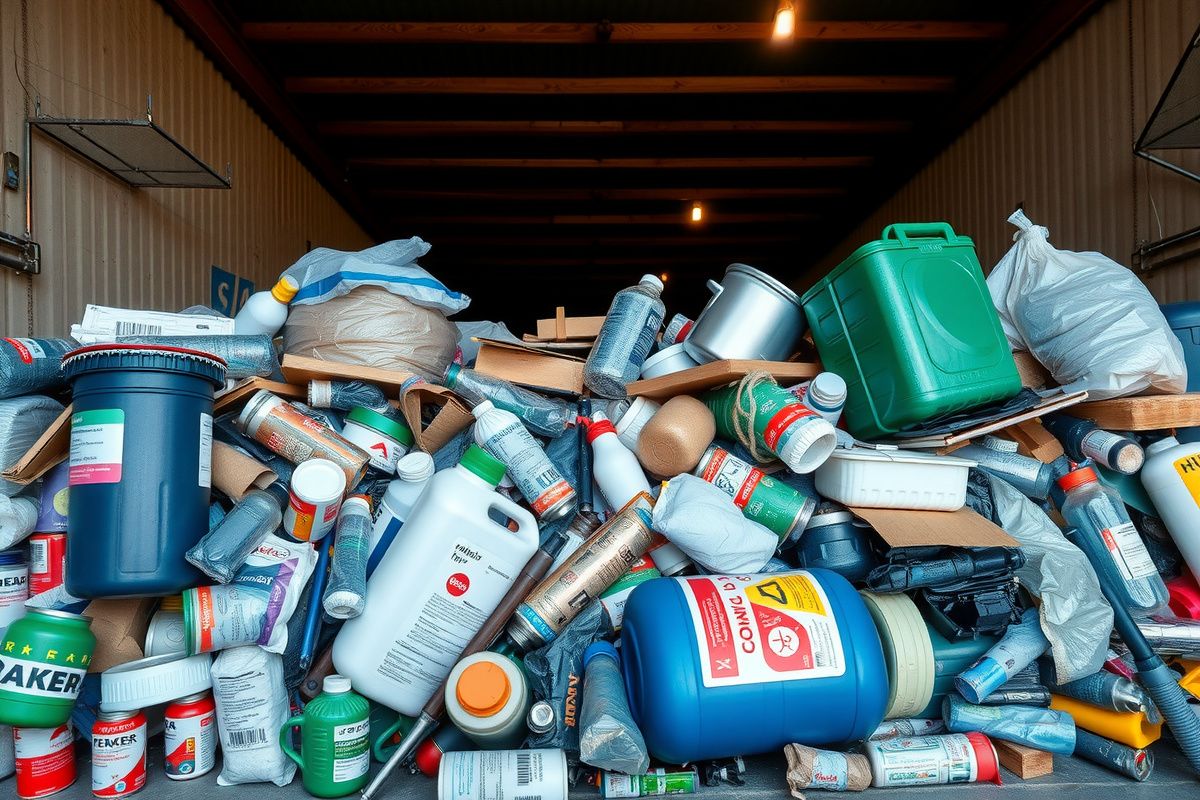
Technologies for medical waste disposal and processing
22.05.2026
Technologies for the neutralization and processing of medical waste play a key role in ensuring sanitary and epidemiological safety and environmental protection. Modern approaches include autoclaving, incineration, chemical disinfection, and microwave treatment, which effectively destroy pathogens. These methods are aimed at safe disposal, reduction of waste volume, and minimization of their negative impact.

Management of textile industry waste: challenges and innovations
19.05.2026
The textile industry is facing acute challenges due to increasing volumes of waste, which requires the immediate implementation of effective solutions to minimize the environmental impact. Modern innovations are focused on the principles of the circular economy, the development of new recycling technologies, and the creation of biodegradable materials. These approaches are key to transforming the industry and ensuring its sustainable development.
Methods of territory restoration after industrial activity
17.05.2026
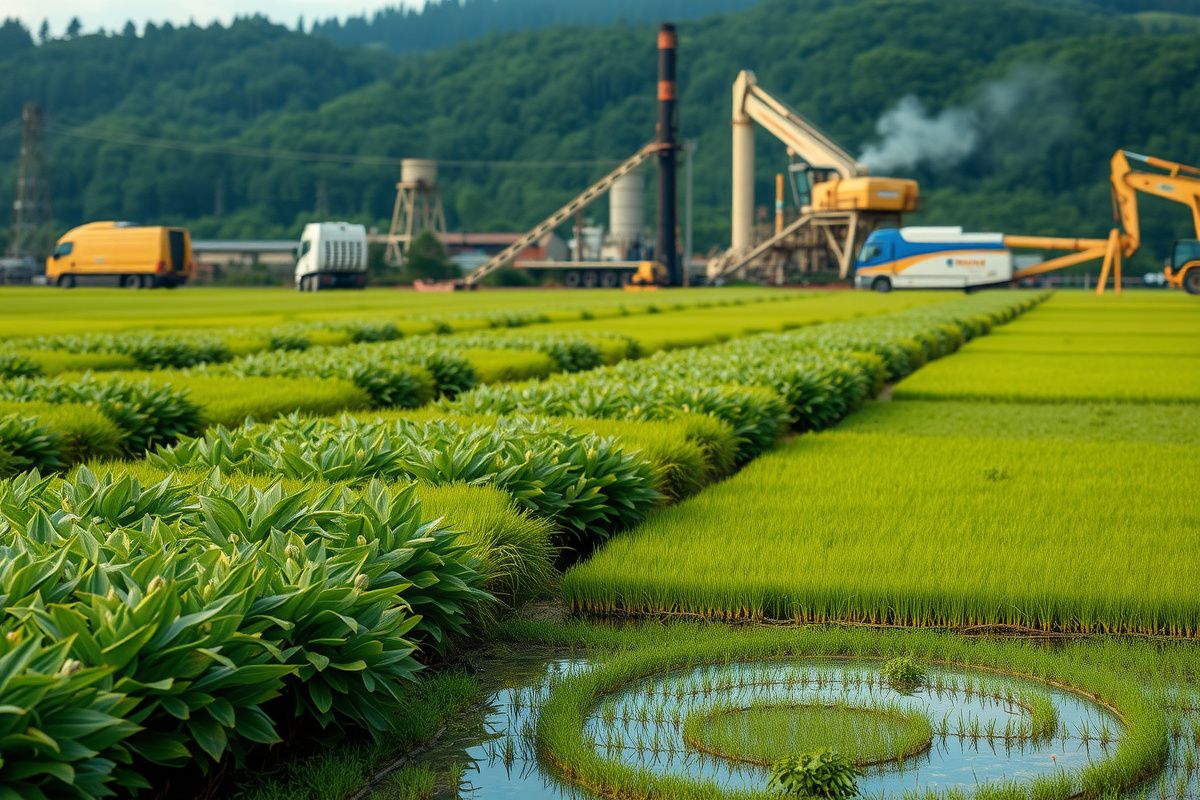
Restoration of territories after industrial activity is a multi-stage process that includes a complex of engineering, chemical, and biological methods. This encompasses technical reclamation for soil stabilization and landscape formation, as well as biological approaches for restoring fertility, phytoremediation, and returning biodiversity. The ultimate goal is the transformation of degraded lands into ecologically sustainable and suitable sites for further use.

Air quality control systems in the premises of industrial enterprises
16.05.2026
Indoor air quality control systems in industrial enterprises are critically important for ensuring a safe and healthy working environment. They carry out continuous monitoring of harmful substance concentrations and allow for prompt reaction to deviations from established norms. Effective implementation of such systems protects employees' health, prevents occupational diseases, and contributes to compliance with environmental standards.
Technologies for processing agricultural waste for biofuel production
16.05.2026
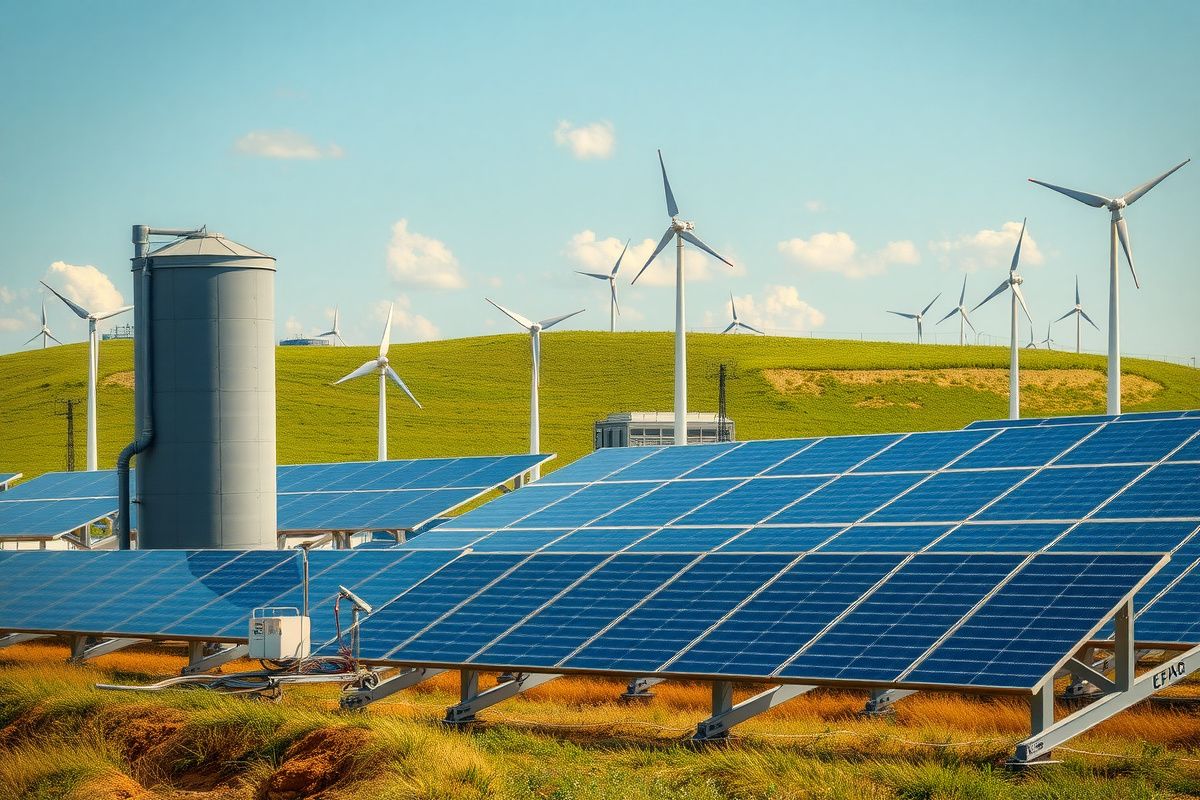
Agricultural waste processing technologies play a key role in biofuel production, transforming organic residues into valuable energy resources. Modern methods, such as anaerobic digestion, pyrolysis, and gasification, allow for the efficient production of biogas, bioethanol, or biodiesel, contributing to sustainable development and reducing environmental impact.
Waste Search
Calculate cost?
Calculate processing cost for