Hazardous waste
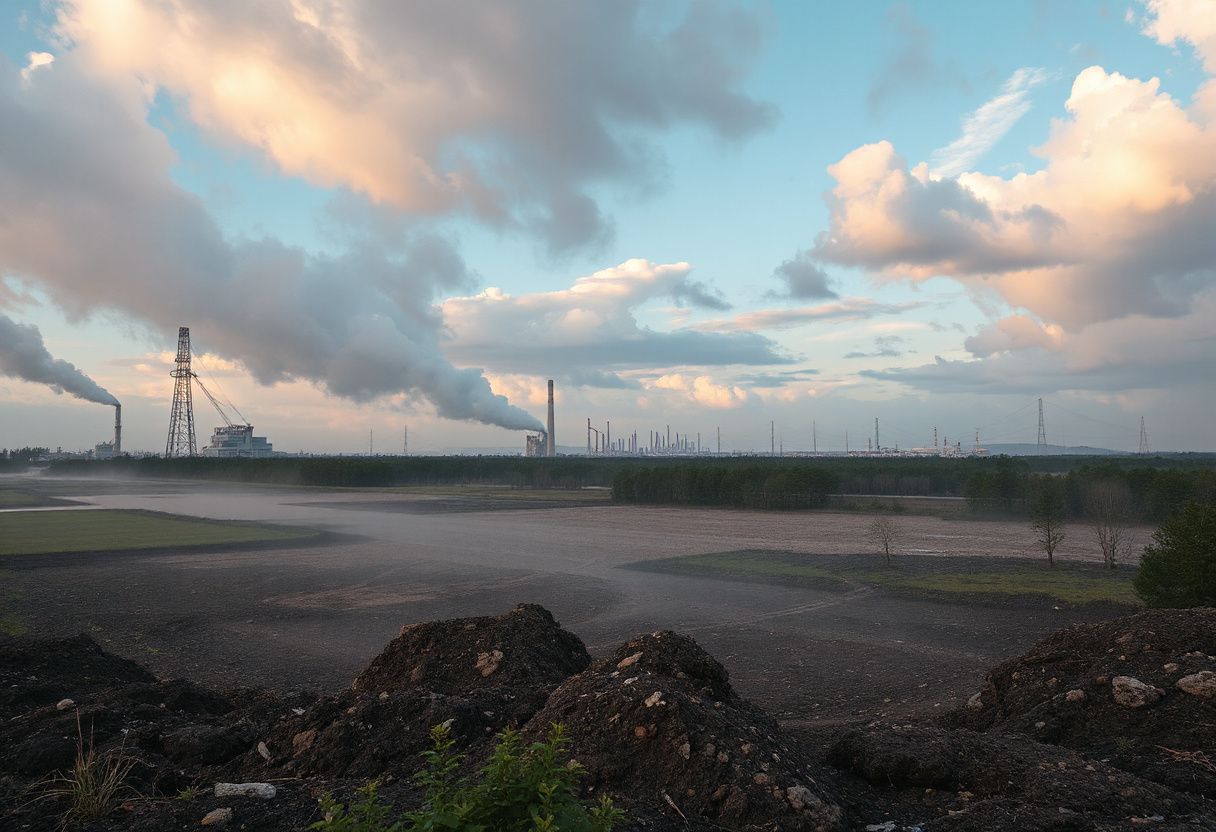
Methods of thermal destruction of persistent organic pollutants in waste gases of chemical industries
09.10.2026
Methods of thermal disposal of persistent organic pollutants in chemical production waste gases are based on the high-temperature oxidation of toxic compounds into safe components, such as carbon dioxide and water vapor. The efficiency of this process depends on maintaining the optimal temperature regime, the residence time of the mixture in the reaction zone, and the turbulence of the gas flow. The use of modern catalytic afterburning systems makes it possible to significantly reduce energy consumption and minimize the formation of secondary hazardous emissions.
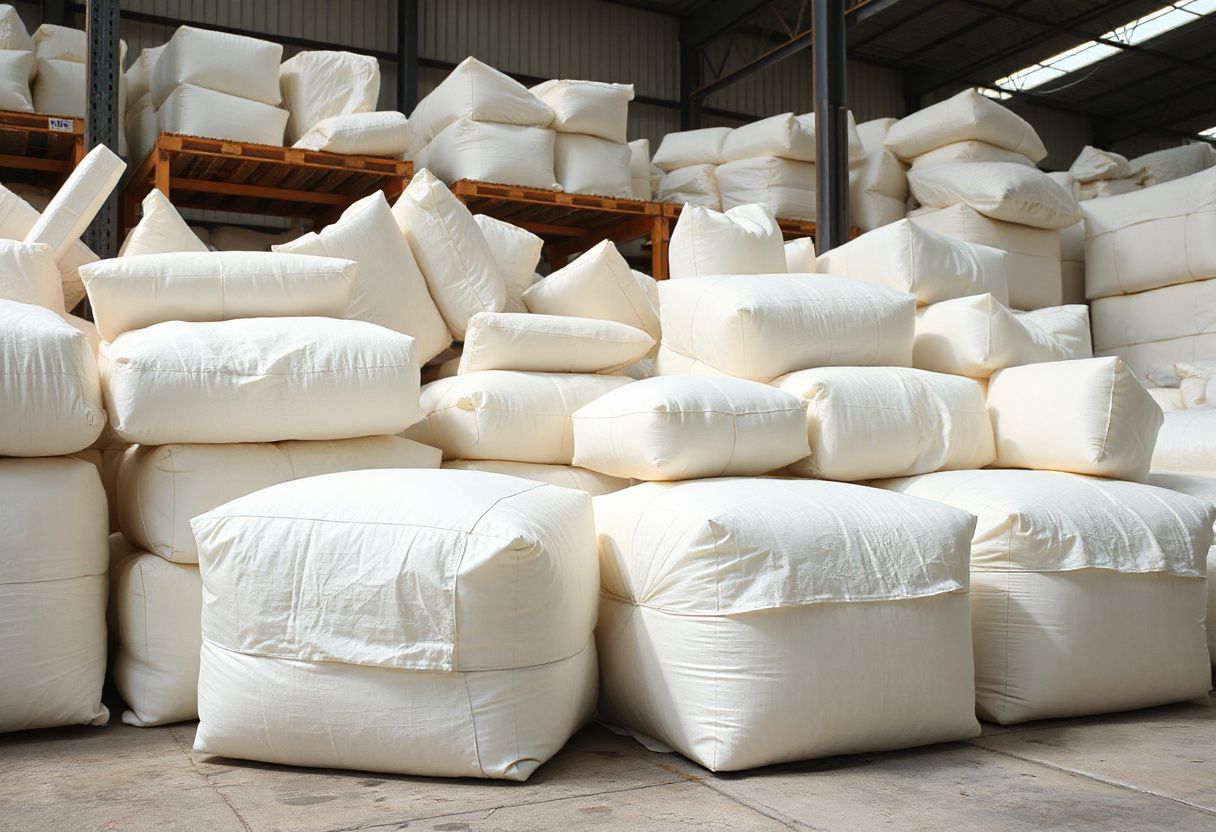
Technologies for collection and disposal of polyurethane foam production waste at furniture enterprises
08.10.2026
The technological process of furniture production is accompanied by the generation of a significant amount of polyurethane foam waste, which requires efficient collection methods and safe disposal. Modern enterprises are introducing environmentally friendly technologies for the mechanical processing and chemical recycling of such waste in order to minimize the negative impact on the environment. The reuse of regenerated polyurethane materials allows for a significant reduction in raw material costs and ensures the sustainable development of the furniture industry.
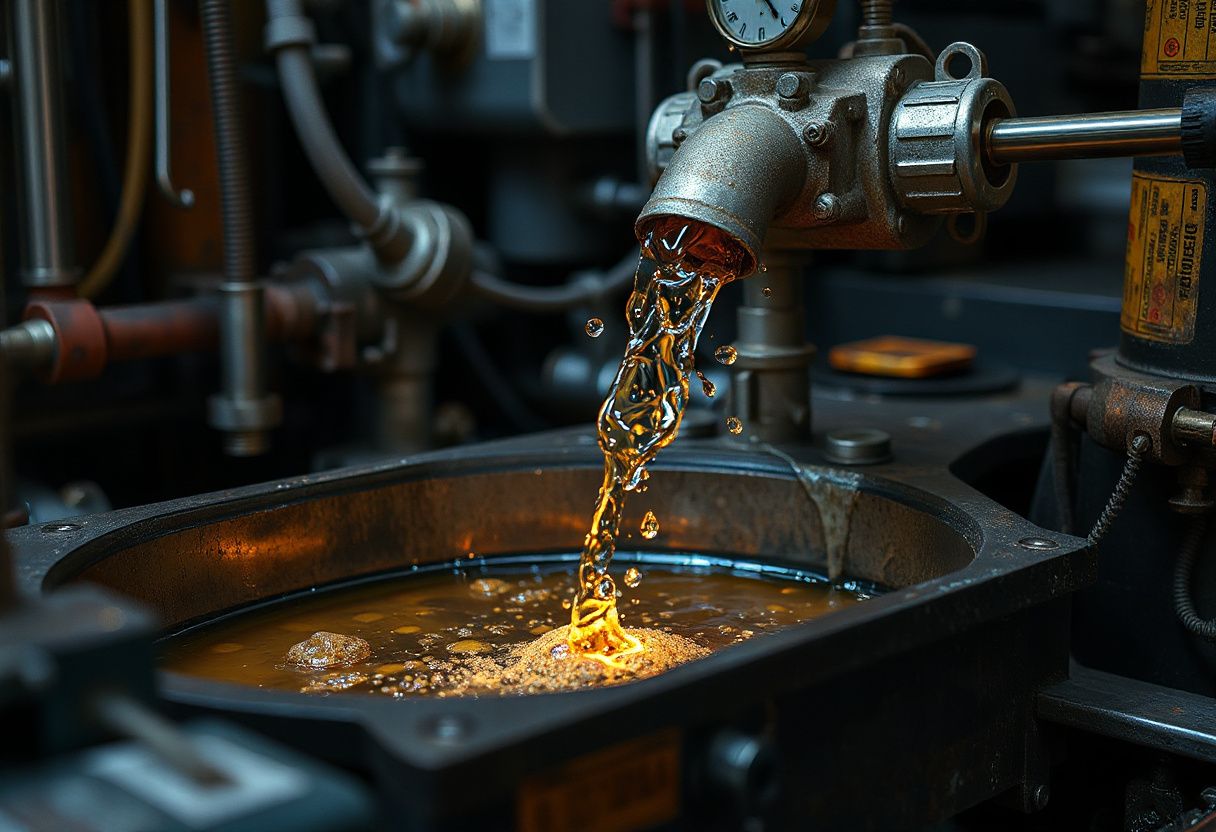
Recycling and environmentally safe treatment of spent metalworking fluids
07.10.2026
Spent cutting and grinding fluids pose a serious threat to the environment due to the presence of toxic impurities, heavy metals, and petroleum products. Their environmentally safe treatment and modern recycling methods make it possible to minimize the negative impact on the environment and ensure the reuse of valuable components in industry. The introduction of closed-loop purification systems at metalworking enterprises is a key step towards sustainable development and compliance with environmental regulations.
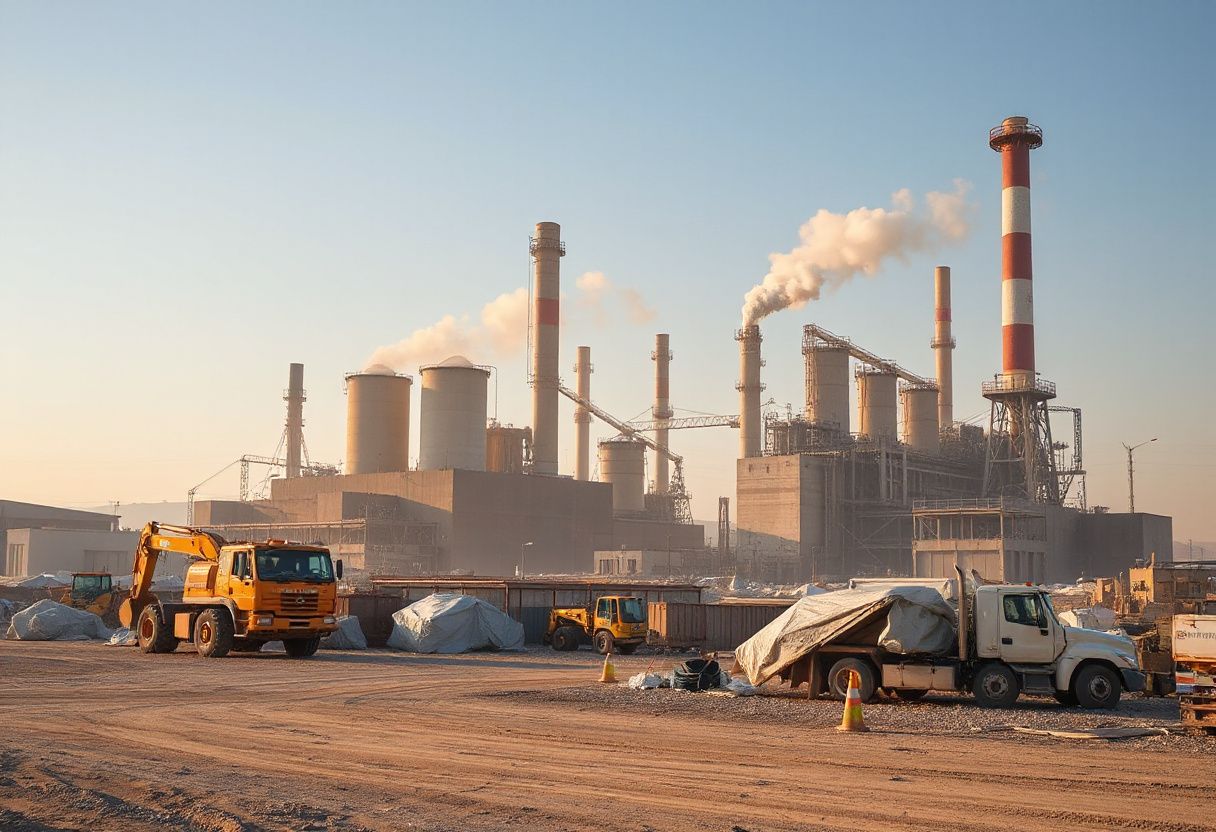
Modern technologies for the disposal of asbestos-containing construction materials during the dismantling of structures
06.10.2026
Modern technologies for dismantling buildings containing asbestos involve the use of wet dust binding methods, hermetic isolation of hazardous elements, and their safe transportation to specialized landfills. The main priority of such work is the complete prevention of carcinogenic microfibers entering the environment and the protection of workers' health. Thanks to the introduction of innovative chemical fixatives, reliable neutralization and subsequent safe disposal of asbestos-containing materials become possible.

Management of spent catalysts from the petrochemical industry containing precious metals
05.10.2026
The management of petrochemical industry catalyst waste containing precious metals is an important environmental and economic task for modern enterprises. Efficient processing of such materials allows not only to minimize the negative impact on the environment, but also to ensure the return of valuable components into the production cycle. Modern recycling technologies are aimed at the maximum possible extraction of noble metals from spent raw materials while complying with strict environmental standards.
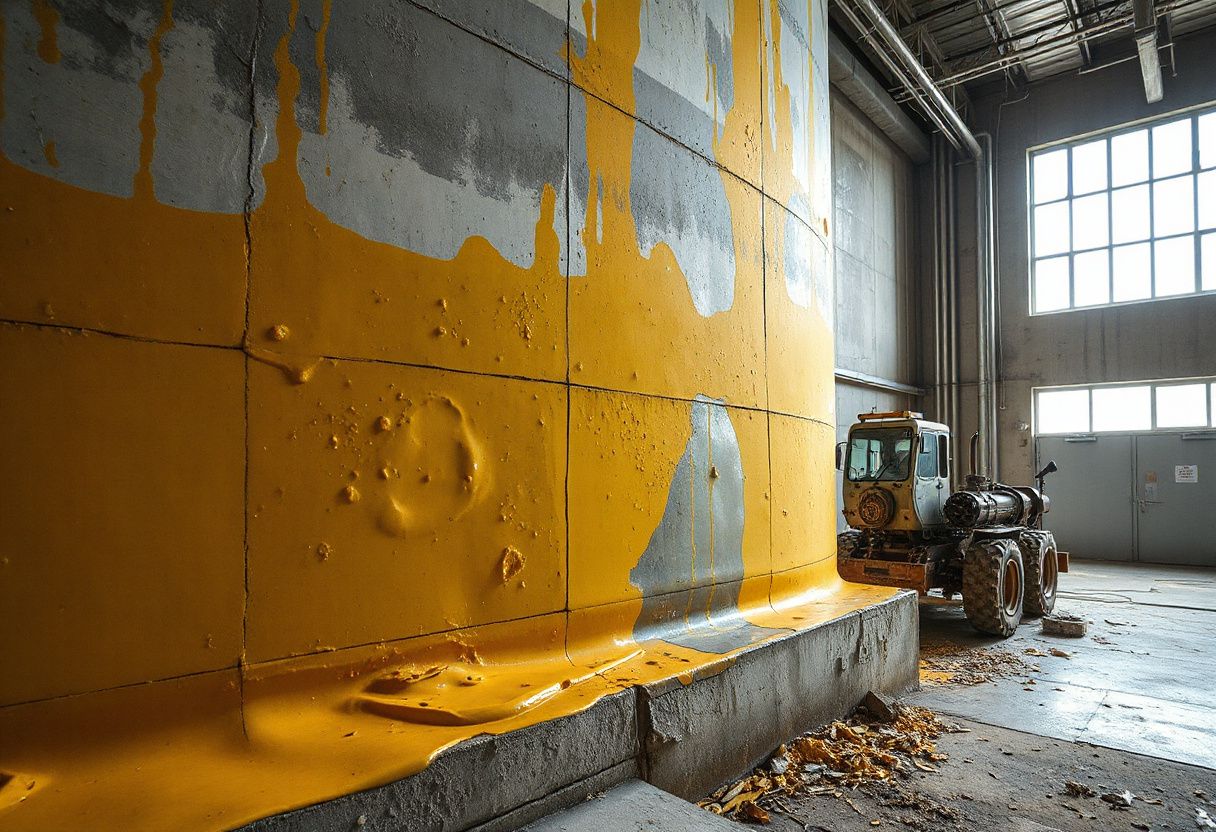
Methods of collection, neutralization, and regeneration of spent electrolytes from galvanic production
04.10.2026
Electroplating production is a source of toxic spent electrolytes containing heavy metal compounds and acids, which require mandatory collection and disposal. Modern reagent, electrochemical, and membrane methods are used for their neutralization, making it possible to convert hazardous components into low-toxicity precipitates. At the same time, promising recovery technologies ensure the return of valuable components back into the production cycle, minimizing the negative impact on the environment.
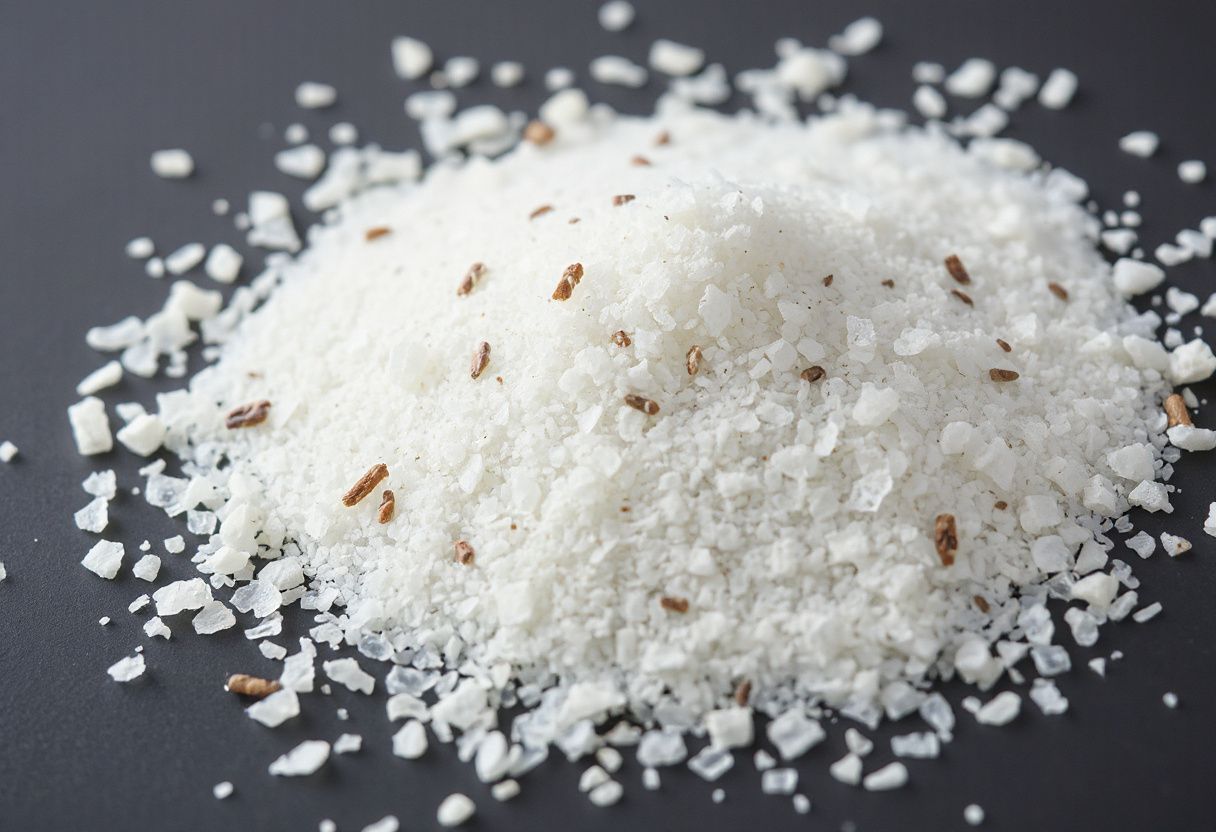
Technologies for processing and disposal of spent ion-exchange resins of water treatment plants
03.10.2026
Spent ion-exchange resins from water treatment plants are hazardous wastes that require effective processing and disposal methods to prevent environmental pollution. Modern technologies provide for their regeneration, heat treatment, incineration, or safe disposal with preliminary detoxification. The choice of a specific method depends on the chemical composition of the resins, the degree of their degradation, and economic feasibility.
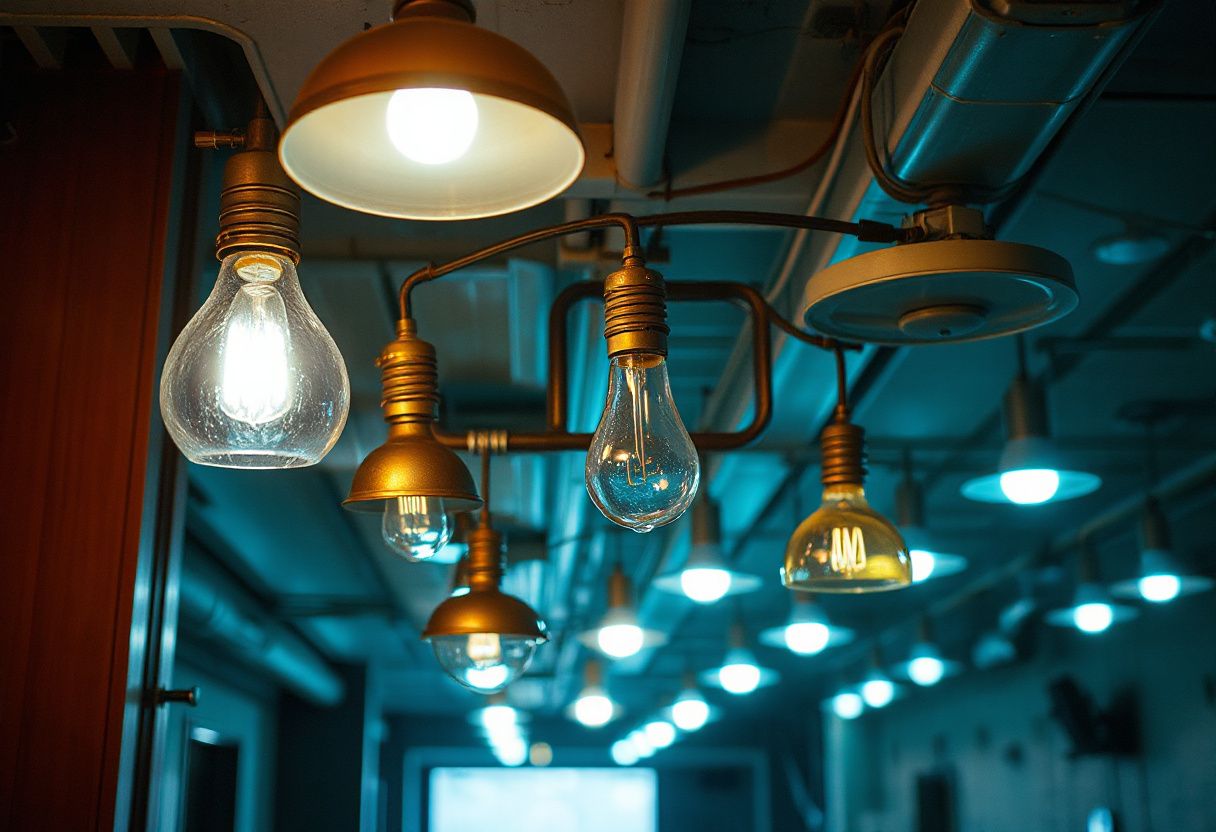
Technologies for collection, neutralization and recycling of spent fluorescent and mercury lamps
01.10.2026
Spent fluorescent and mercury lamps contain hazardous toxic substances and belong to Class I hazard waste, which requires the creation of strict systems for their centralized collection and temporary storage. Modern technologies for the neutralization and processing of such devices involve their demercurization using thermal, vacuum-thermal, or reagent methods with the subsequent safe extraction of mercury and the disposal of glass and metal. The effective implementation of these environmental measures makes it possible to prevent environmental pollution and return secondary raw materials to the production cycle.
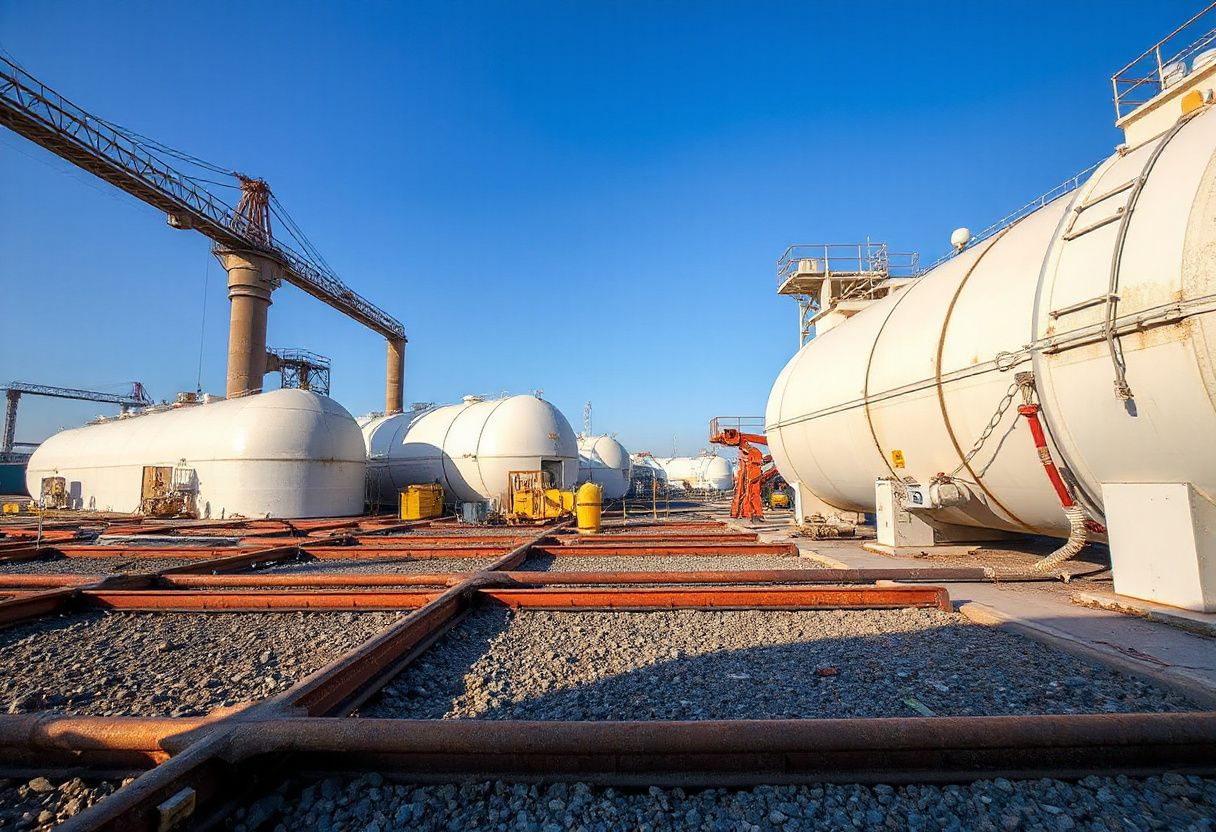
Modern methods of processing and disposal of oil sludge at enterprises of the fuel and energy complex
30.09.2026
The article examines modern technologies for processing and neutralizing oil sludge at fuel and energy complex enterprises, which make it possible to minimize the negative impact of waste on the environment. Special attention is paid to thermal, physical-chemical, and biological disposal methods, which ensure the efficient extraction of valuable hydrocarbons and the safe disposal of residues. The application of these innovative approaches contributes to increasing the ecological safety of production and reducing resource losses in the oil and gas industry.
Waste Search
Calculate cost?
Calculate processing cost for