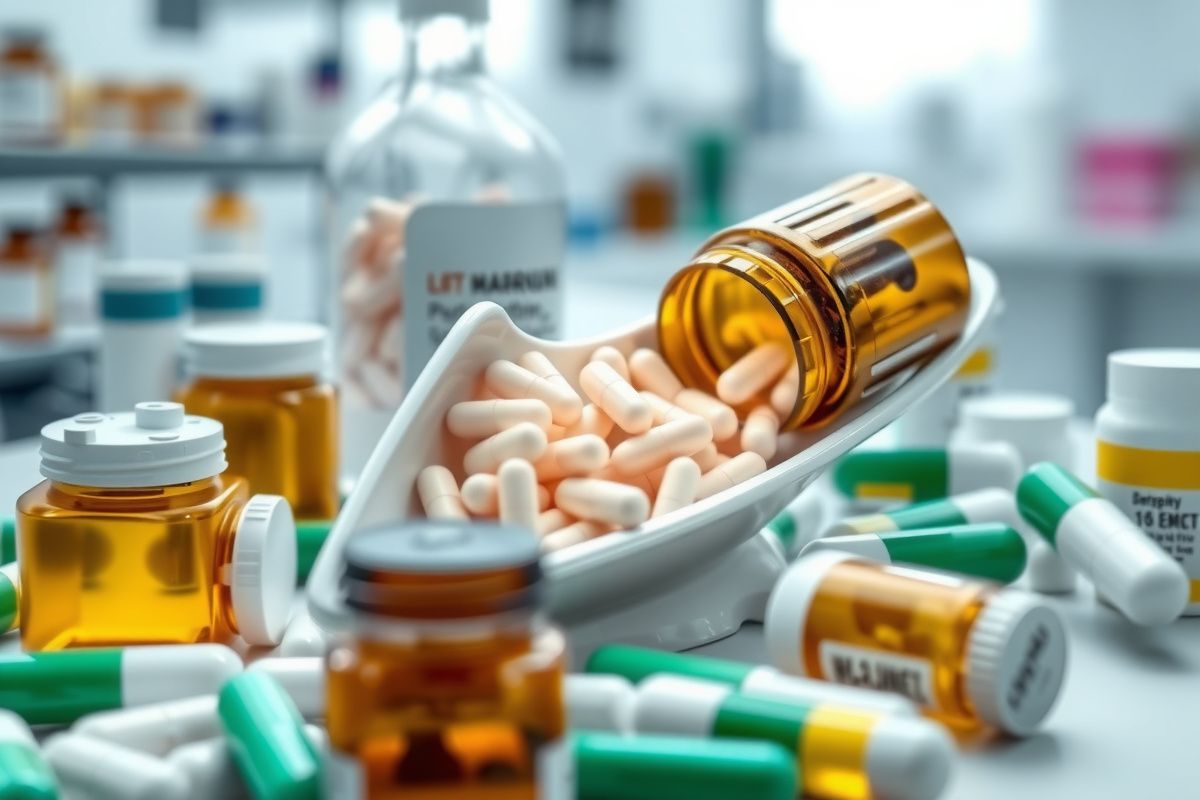
The pharmaceutical industry is one of the most important sectors of the global economy, playing a key role in ensuring public health. However, like any production, it generates a significant amount of waste that requires a special approach to processing and disposal. This is due to the specific composition of pharmaceutical waste, which often contains active pharmaceutical ingredients (APIs), toxic substances, heavy metals, and other hazardous components that can cause serious harm to the environment and human health.
The urgency of the problem of pharmaceutical waste management is constantly growing, given the increasing volumes of drug production and stricter environmental standards. Uncontrolled dumping or improper storage of such waste can lead to soil, water, and air pollution, as well as the development of antibiotic resistance in microorganisms in the environment. Therefore, the development and implementation of effective, safe, and environmentally sound methods for processing and disposing of this waste is a priority for the entire industry, as well as for companies specializing in environmental services for enterprises, such as UtilVtorProm.
Composition and Hazardous Properties of Pharmaceutical Waste
Pharmaceutical waste is characterized by an extremely diverse chemical composition, depending on the type of production and the stage of the technological process. These can include residues of raw materials, intermediate synthesis products, finished medicinal products with an expired shelf life or those that do not meet quality standards, as well as spent solvents, reagents, filter materials, and laboratory glassware. Many of these components are biologically active, mutagenic, carcinogenic, or toxic, which makes them extremely dangerous to the environment and humans.
Of particular danger are wastes containing cytostatic and cytotoxic drugs used in oncology, as well as antibiotics and hormonal agents. Even at low concentrations, these substances can have a significant impact on ecosystems, disrupting biological processes and posing risks to fauna and flora. In addition, some pharmaceutical wastes can be flammable or explosive, which requires special conditions for their storage, transportation, and processing. Correctly determining the composition and properties of waste is the primary step in choosing the optimal method for its disposal.
Modern Methods for Pharmaceutical Waste Treatment
To effectively and safely manage pharmaceutical waste, a complex of modern technologies is used to minimize its negative impact on the environment. One of the most common methods is high-temperature thermal disposal, particularly incineration in specialized incinerators. This process allows for the complete destruction of organic components of waste, converting them into non-toxic gases and ash. Modern incinerators are equipped with multi-stage flue gas cleaning systems, ensuring compliance with the strictest environmental standards.
In addition to thermal methods, physicochemical processing methods are also used. These include chemical inactivation, which involves the use of reagents to neutralize the hazardous properties of waste, as well as adsorption, coagulation, and filtration to remove harmful impurities from liquid waste. For waste containing heavy metals, precipitation and immobilization methods can be used. The choice of a specific method depends on the composition of the waste, its physicochemical properties, and the requirements of environmental legislation, which emphasizes the need for an individual approach to each case.
Classification and Management of Pharmaceutical Industry Waste
Pharmaceutical industry waste is classified in accordance with the National Waste List (NWL) and other regulatory documents, which allows for determining its degree of hazard and selecting appropriate management methods. Such wastes include, for example, 18 01 08* – medicinal products with cytotoxic and cytostatic properties, 18 01 09 – medicinal products, other than those specified in 18 01 08, as well as 07 05 13* – solid wastes containing hazardous substances from the production of pharmaceutical preparations. UtilVtorProm provides a full range of environmental services for enterprises, including collection, transportation, storage, processing, and disposal of these and other waste categories.
Proper management of pharmaceutical waste requires strict adherence to regulatory requirements and the application of specialized technologies. This includes proper sorting of waste at the point of generation, hermetic packaging in special containers, labeling, and documenting each stage of management. UtilVtorProm has all the necessary licenses and permits to work with hazardous waste, guaranteeing environmental safety and compliance with all legal norms. Our company develops individual solutions for each client, ensuring effective and responsible disposal of pharmaceutical waste.
Comprehensive Solutions from UtilVtorProm for Pharmaceutical Enterprises
UtilVtorProm offers a professional and comprehensive approach to solving problems related to the processing and disposal of pharmaceutical industry waste. Our company has many years of experience and the necessary resources to ensure a full cycle of hazardous waste management, from consultation and audit to the execution of all permitting documentation and direct work performance. We guarantee compliance with the highest standards of environmental safety and confidentiality, which is especially important for pharmaceutical enterprises. By contacting UtilVtorProm, you get a reliable partner who will ensure the environmental cleanliness of your production and compliance with all regulatory requirements. For detailed information and individual consultation, please contact our specialists.