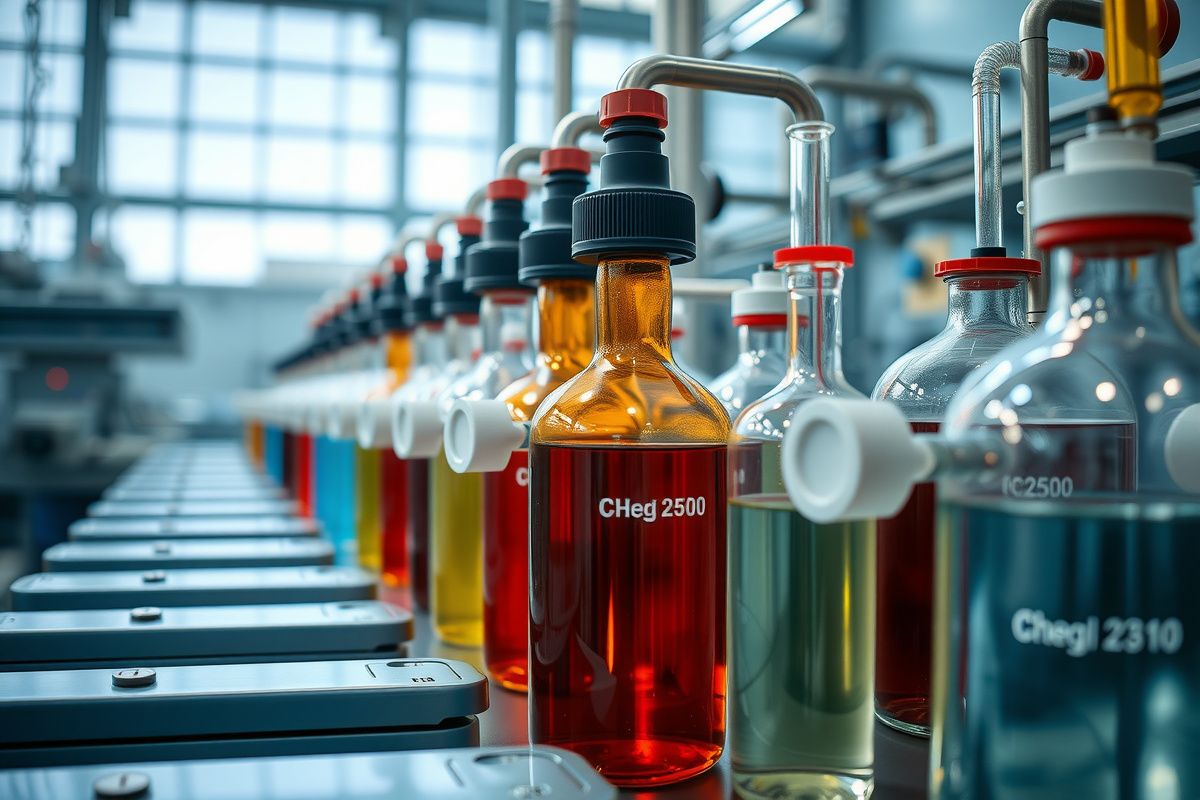
The modern chemical industry is one of the key sectors of the economy, ensuring the production of a wide range of materials and substances necessary for everyday life and other industries. However, this intensive activity inevitably leads to the formation of a significant amount of waste, among which spent catalysts occupy a special place. These materials, which play a critical role in accelerating chemical reactions, gradually lose their activity over time and require replacement.
The problem of spent catalyst management is extremely relevant. They often contain valuable, and sometimes rare, metals such as platinum, palladium, rhodium, nickel, molybdenum, vanadium, as well as toxic or hazardous components. Improper handling of such waste can lead to significant environmental pollution, loss of valuable resources, and economic losses. Therefore, the development and implementation of effective technologies for processing and recovering spent catalysts is a priority for ensuring the sustainable development of the chemical industry and environmental protection.
Methods for extracting valuable metals from spent catalysts
Technologies for processing spent catalysts are based on the principles of extracting valuable components and neutralizing hazardous substances. The main methods are pyrometallurgical, hydrometallurgical, and biometallurgical processes. Pyrometallurgy involves thermal treatment of catalysts at high temperatures, which allows separating metals from carriers and other impurities. This method is effective for catalysts with a high content of precious metals but can be energy-intensive and require complex gas purification systems.
Hydrometallurgical methods use acid or alkali solutions to extract metals into the liquid phase, after which valuable components can be precipitated or extracted. These processes are more flexible and allow processing a wide range of catalysts, including those containing lower concentrations of metals. Biometallurgy, although less common, offers an environmentally friendly approach using microorganisms to extract metals. Each method has its advantages and limitations, and the choice of a specific technology depends on the catalyst's composition, economic feasibility, and environmental requirements.
Application of recovered catalysts in the chemical industry
Recovered catalysts are widely used in various sectors of the chemical industry, helping to reduce dependence on primary raw materials and lessen the environmental burden. For example, platinum, palladium, and rhodium-based catalysts used in oil refining for the production of high-octane gasoline can be re-integrated into technological processes after recovery. This also applies to catalysts for the production of polymers, nitric acid, sulfuric acid, and other important chemical products.
The use of recovered catalysts not only provides cost savings but also contributes to sustainable development by reducing the volume of new metal extraction and minimizing the generation of hazardous waste. Such catalysts, having undergone all stages of processing and recovery, demonstrate almost identical or even improved performance characteristics compared to new ones, making them an attractive solution for many production processes. This underscores the importance of investing in research and development of new, more effective recovery methods.
Ecological management of spent catalysts from the chemical industry
Ecological management of spent catalysts is an extremely important aspect for environmental protection and human health. These wastes are often classified as hazardous due to the content of heavy metals, toxic compounds, or radioactive elements. According to the National Waste List (NWL), spent catalysts can have different codes, depending on their composition and hazardous properties. For example, catalysts containing precious metals may have code 16 08 01* if they contain gold, silver, platinum, palladium, rhodium, iridium, osmium, ruthenium. Catalysts with transition metals such as nickel, copper, zinc, can be classified as 16 08 02*, 16 08 03* or 16 08 04*, as well as 16 08 07* if they contain hazardous substances. Other spent catalysts not falling under these categories may be assigned code 16 08 06* or 16 08 08*.
UtilVtorProm company provides comprehensive services for environmental maintenance of enterprises, including collection, transportation, storage, processing, and disposal of spent catalysts. We guarantee full compliance with all environmental norms and legal requirements, ensuring safe and responsible handling of hazardous waste. Our activities are aimed at minimizing negative environmental impact and rational use of resources, which is an integral part of modern industry.
Cooperation with UtilVtorProm: a reliable partner in waste management
Choosing a reliable partner for handling spent catalysts is key for any chemical enterprise. UtilVtorProm offers a professional approach and many years of experience in industrial waste management. Our company holds all necessary licenses and permits for activities related to the collection, transportation, storage, and processing of hazardous waste, including spent catalysts. We develop individual solutions for each client, taking into account the specifics of their production and waste composition, ensuring maximum efficiency and environmental safety. Contact us to get a consultation and discuss cooperation opportunities that will help your enterprise meet the highest environmental standards and optimize waste management costs.