Hazardous waste
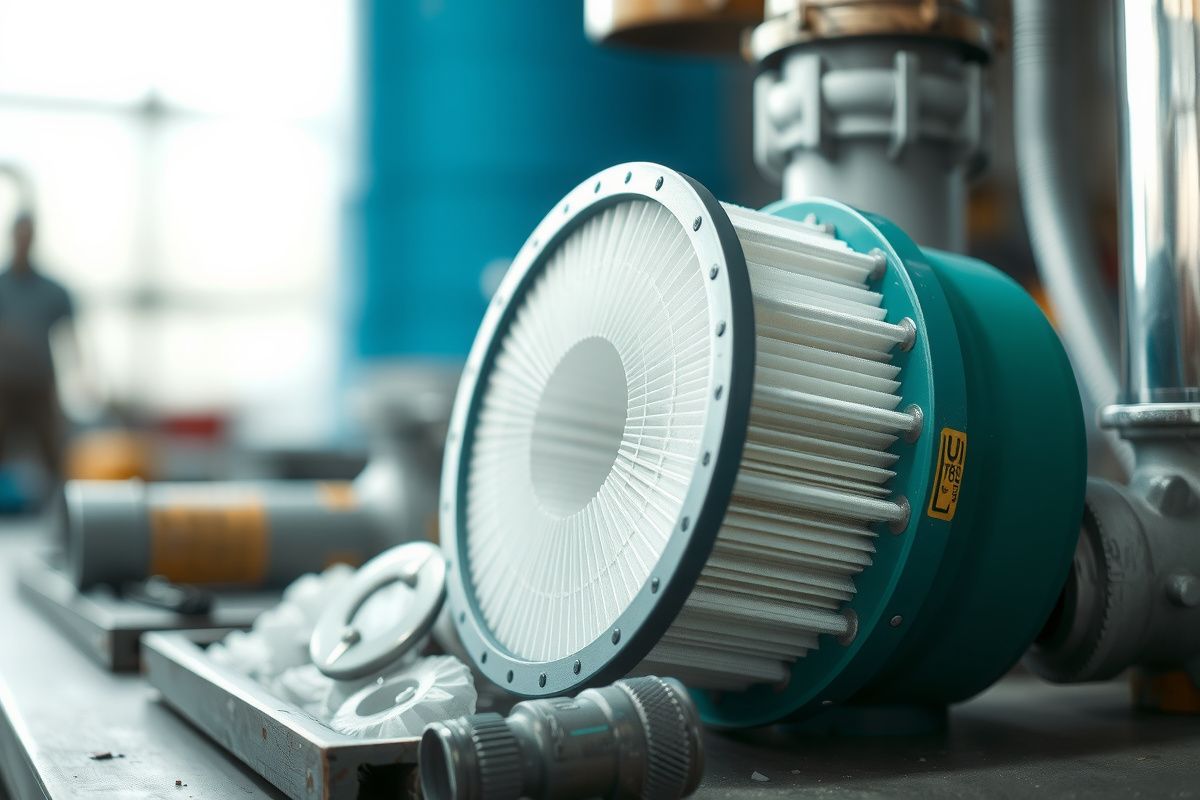
Recycling and disposal of spent industrial filter elements
09.07.2026
Recycling and disposal of industrial filter elements is critically important for minimizing negative impacts on the environment and human health. These elements often contain hazardous substances, which requires the use of specialized technologies for their safe disposal or regeneration. Effective filter waste management strategies contribute to sustainable industrial development and resource conservation.
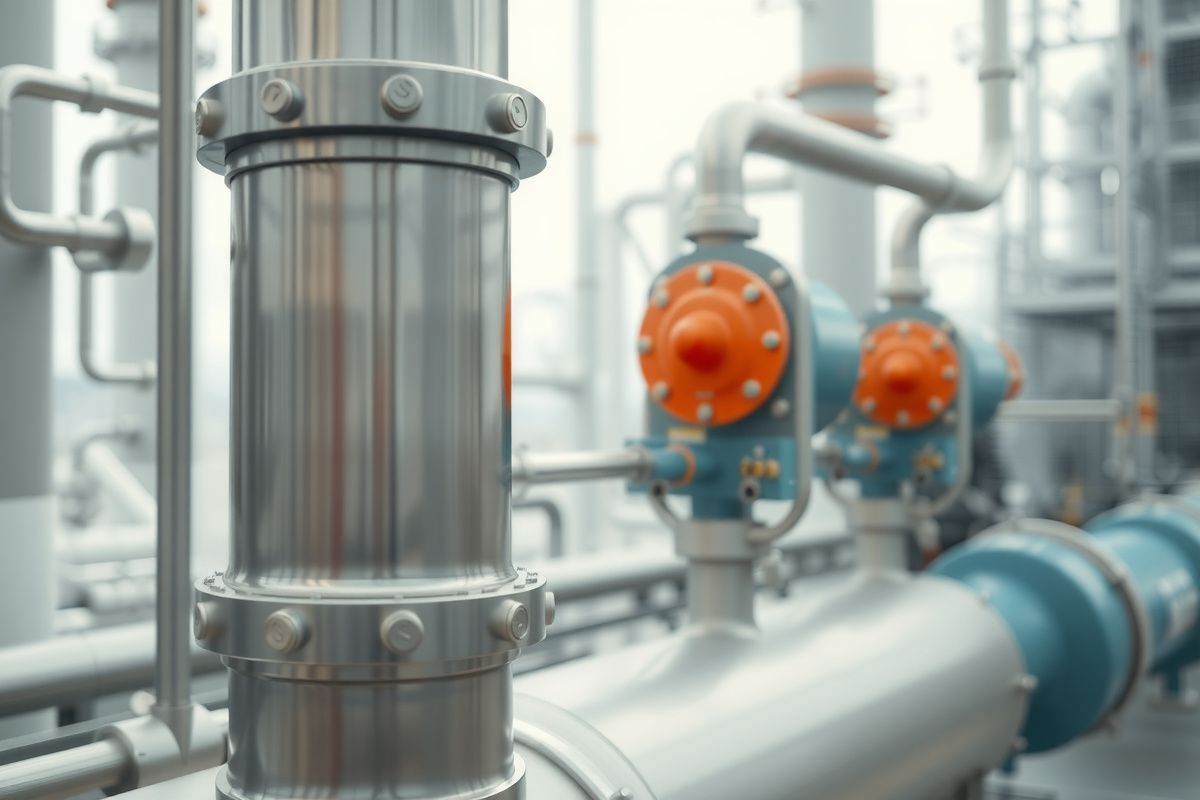
Technologies for purification of industrial gas emissions from specific pollutants
07.07.2026
Modern technologies for cleaning industrial gas emissions from specific pollutants, such as heavy metals, organic compounds, and acid gases, are critically important for protecting the environment and human health. They include adsorption, absorption, catalytic, and biological methods that allow for the effective removal of harmful substances, ensuring compliance with strict environmental standards. The continuous development of these technologies is aimed at increasing efficiency, reducing energy consumption, and minimizing secondary waste.
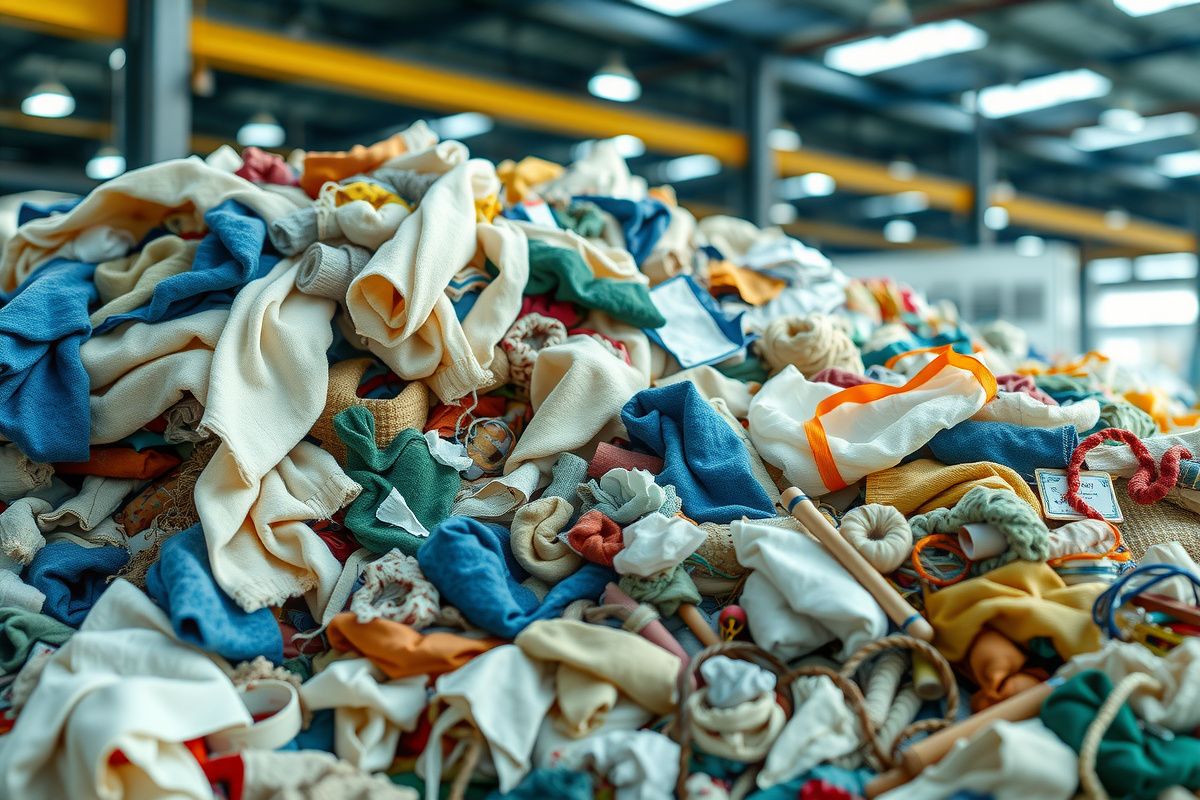
Recycling and Reuse of Industrial Textile Waste
06.07.2026
Recycling and reusing industrial textile waste is a key direction for reducing the environmental footprint of the textile industry. This process helps conserve valuable resources, reduce landfill waste, and decrease the consumption of virgin raw materials. The implementation of innovative technologies allows for the transformation of textile waste into new materials and products, contributing to a circular economy.
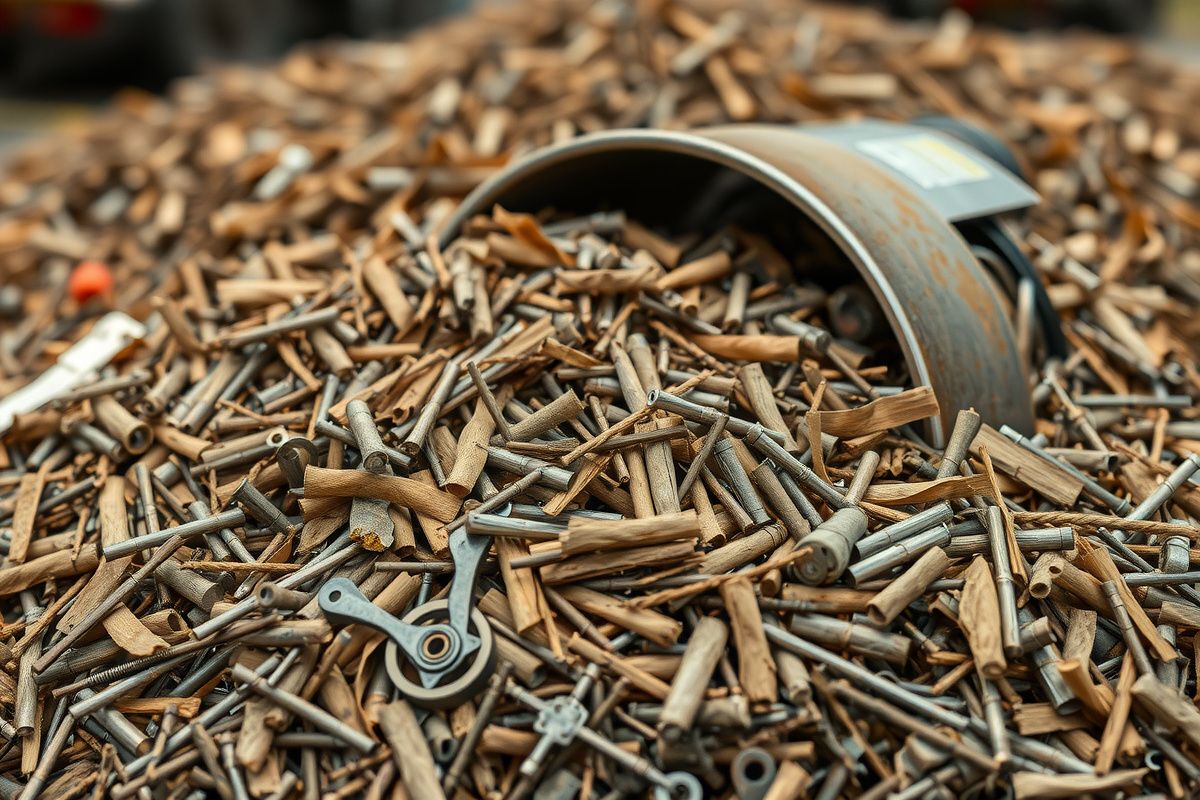
Recycling metal chips and metalworking waste
05.07.2026
Recycling metal chips and metalworking waste is critically important for reducing environmental pollution, conserving natural resources, and lowering production costs. This process includes collecting, sorting, cleaning, and melting metal waste for its subsequent use in the production of new products. An effective recycling system contributes to creating a closed loop for metal use, minimizing the need for primary raw material extraction.
Extraction of Rare Earth Elements from Waste
04.07.2026
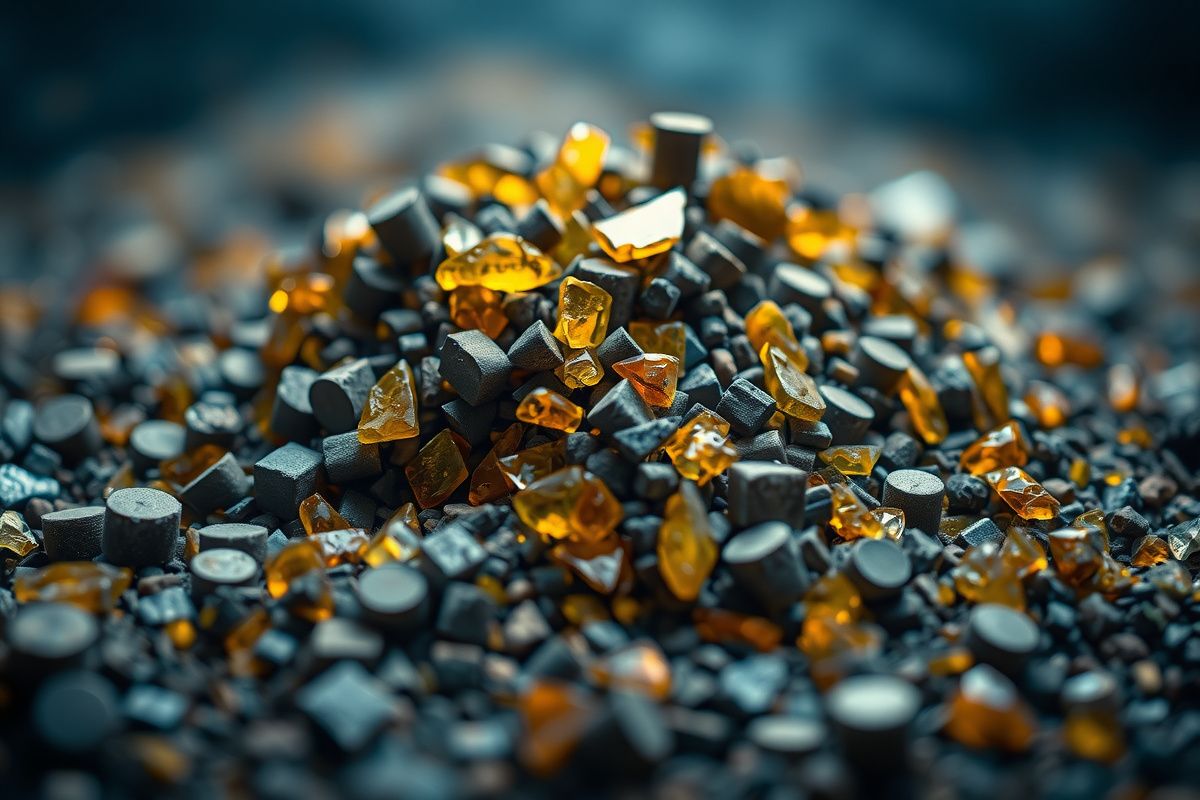
The extraction of rare earth elements from industrial waste and secondary raw materials is critically important for sustainable development and reducing dependence on primary sources. This process not only allows for meeting the growing demand for these valuable materials but also minimizes negative environmental impact. The development and implementation of effective recycling technologies are key to economic and environmental security.
Implementation of closed-loop water use in industry
03.07.2026
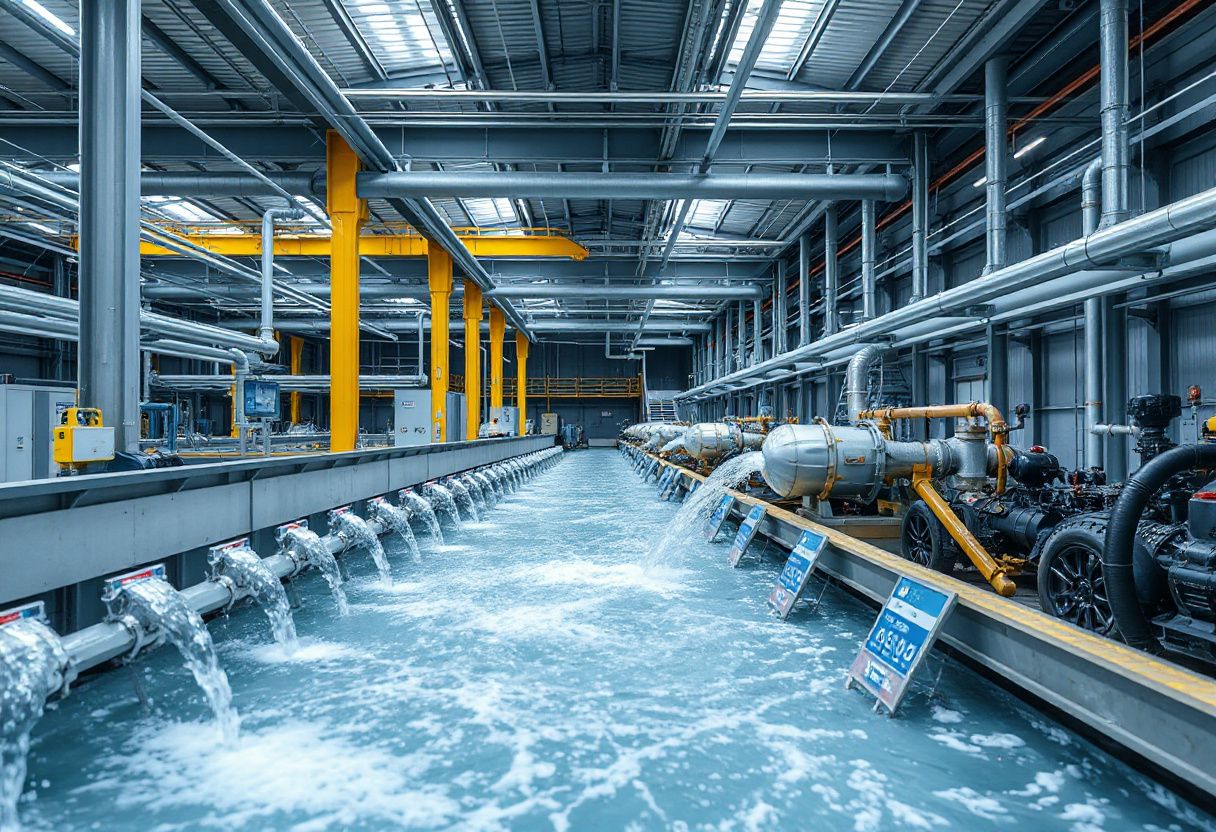
Implementation of Closed-Loop Water Usage Cycles in Industry Effective implementation of closed-loop water usage cycles in industry is crucial for reducing fresh water consumption and minimizing wastewater discharge. This approach involves treating and reusing water directly in production, significantly lowering environmental impact and operational costs. Successful realization of such systems requires comprehensive analysis of technological processes, selection of optimal treatment methods, and continuous monitoring of water quality.
Digitalization and automation of industrial waste management processes
02.07.2026
Digitalization and automation of industrial waste management processes introduce innovative technologies to optimize waste accounting, monitoring, and management at all stages. This ensures increased efficiency, transparency, and environmental safety, minimizing risks to the environment and human health. Thanks to data integration and automated decision-making systems, enterprises can significantly improve waste management, contributing to sustainable development.
Handling Industrial Wastewater Sludge: Treatment and Utilization Methods
01.07.2026
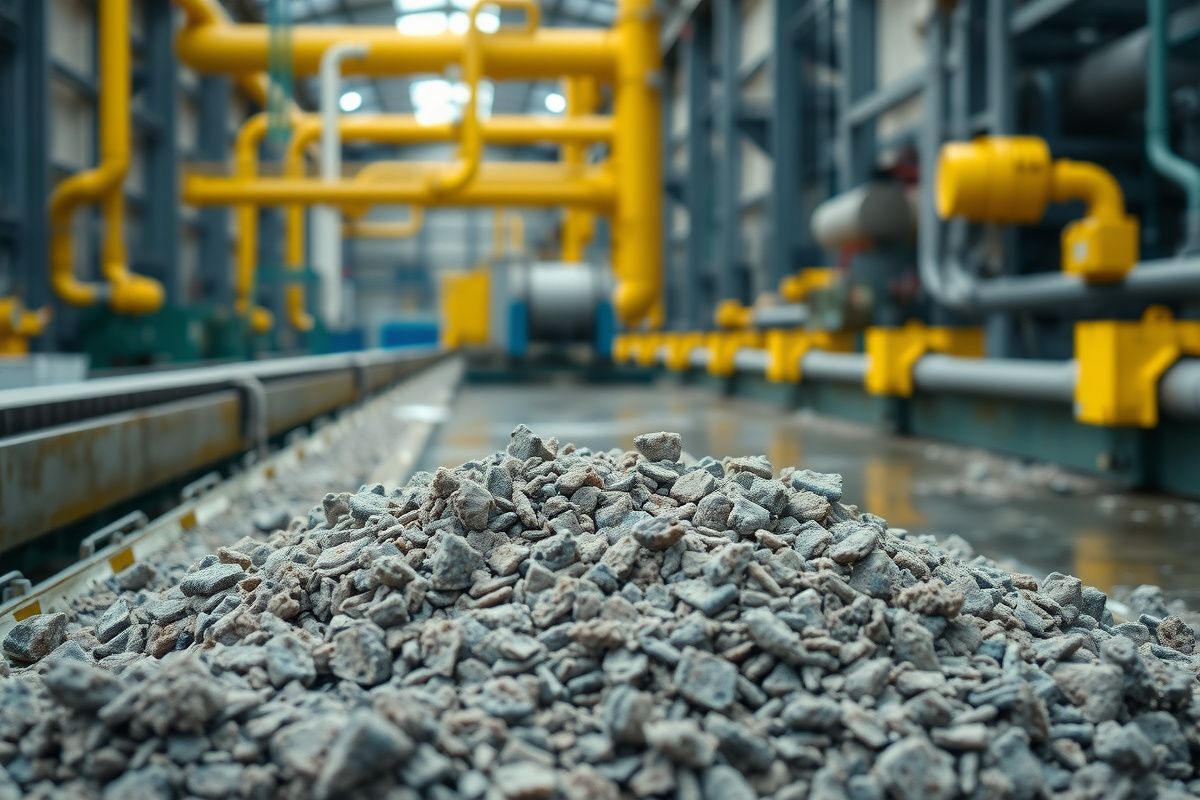
Disposal of industrial wastewater sludge requires the application of effective treatment methods that allow reducing its volume, stabilizing it, and making it safe for the environment. This includes mechanical dewatering, chemical stabilization, and thermal processes, which are key for further possible use or safe disposal. The choice of method depends on the sludge composition and the economic feasibility of its conversion into secondary raw materials.
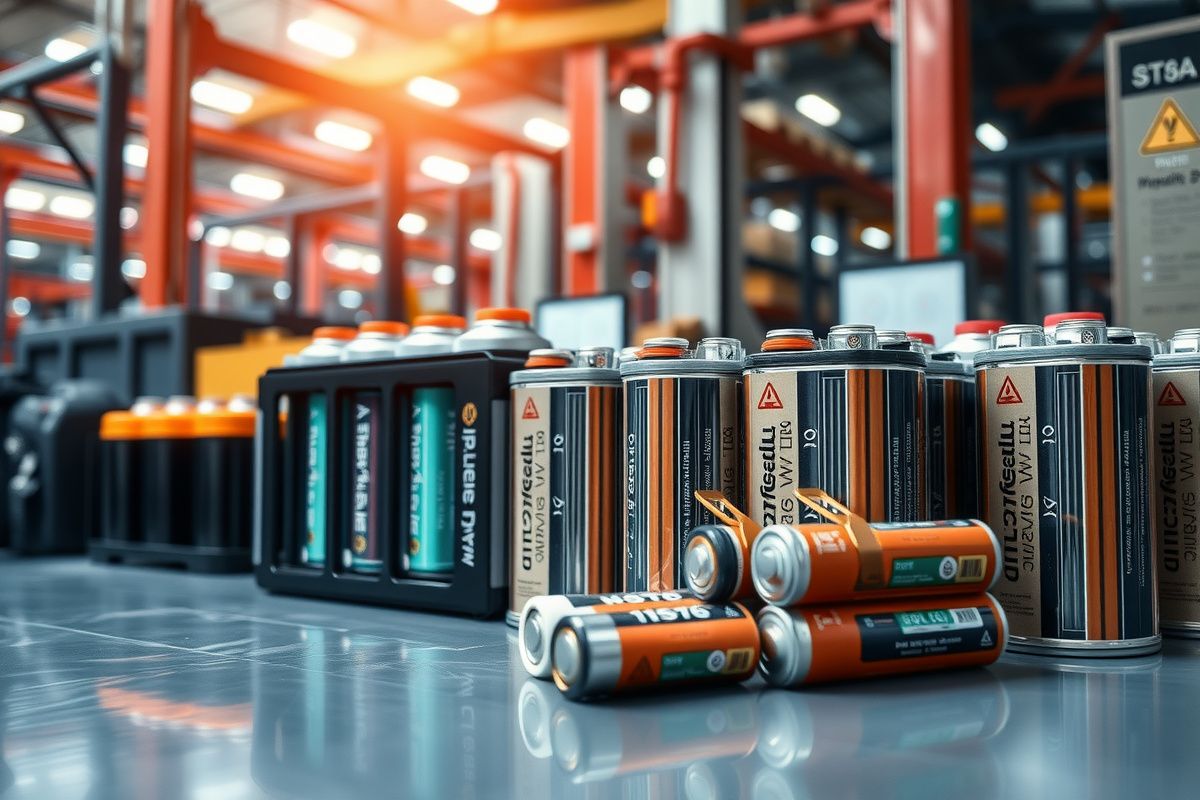
Recycling of spent industrial accumulators and batteries: prospects and technologies
30.06.2026
The recycling of spent industrial accumulators and batteries is critically important for sustainable development and environmental preservation, as it allows for the extraction of valuable metals and the minimization of harmful waste. Modern technologies are focused on developing efficient and economically viable recycling methods, including pyrometallurgical, hydrometallurgical, and direct processes, which opens new perspectives for the circular economy. This contributes to reducing dependence on primary resources and solving the problem of hazardous waste accumulation.
Waste Search
Calculate cost?
Calculate processing cost for