Hazardous waste
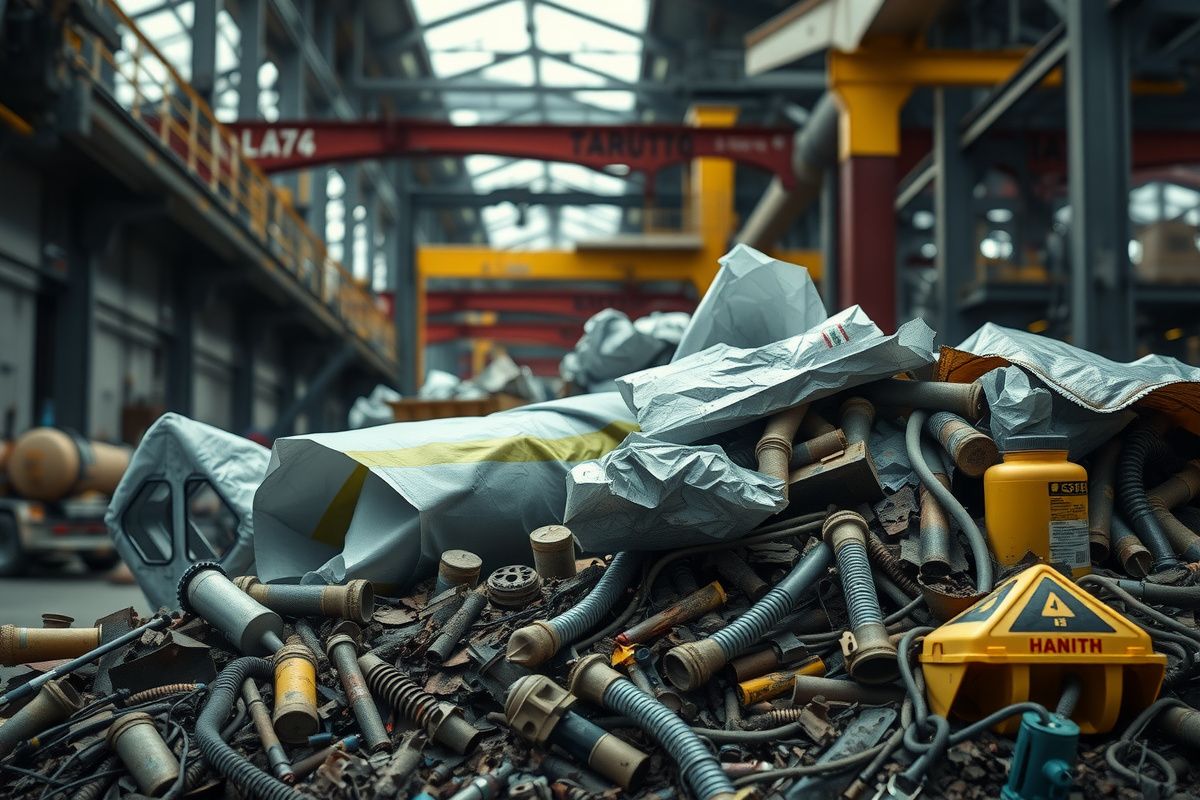
Problems and Solutions in Hazardous Waste Management
15.05.2026
Hazardous waste poses a serious threat to the environment and human health due to its toxicity, requiring immediate and comprehensive solutions. Problems include improper storage, contamination of natural resources, and the lack of effective disposal systems. Effective approaches involve minimizing waste generation, implementing modern processing and disposal technologies, and strengthening legislative regulation and control.
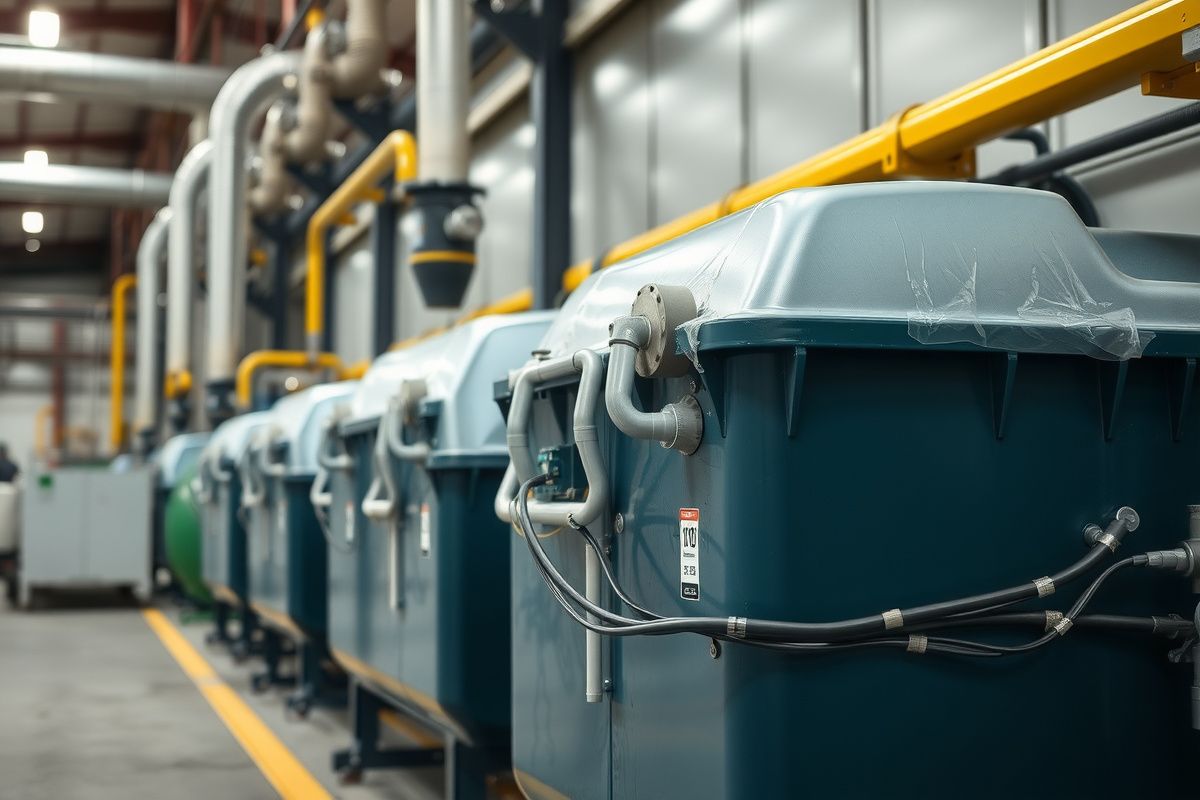
Waste collection and processing systems at industrial enterprises
14.05.2026
Waste collection and processing systems at industrial enterprises are key to minimizing environmental impact and ensuring sustainable development. They encompass comprehensive approaches to sorting, recycling, utilization, and safe disposal of various industrial waste. The implementation of such systems not only allows compliance with environmental legislation but also optimizes resource utilization, transforming waste into secondary raw materials.
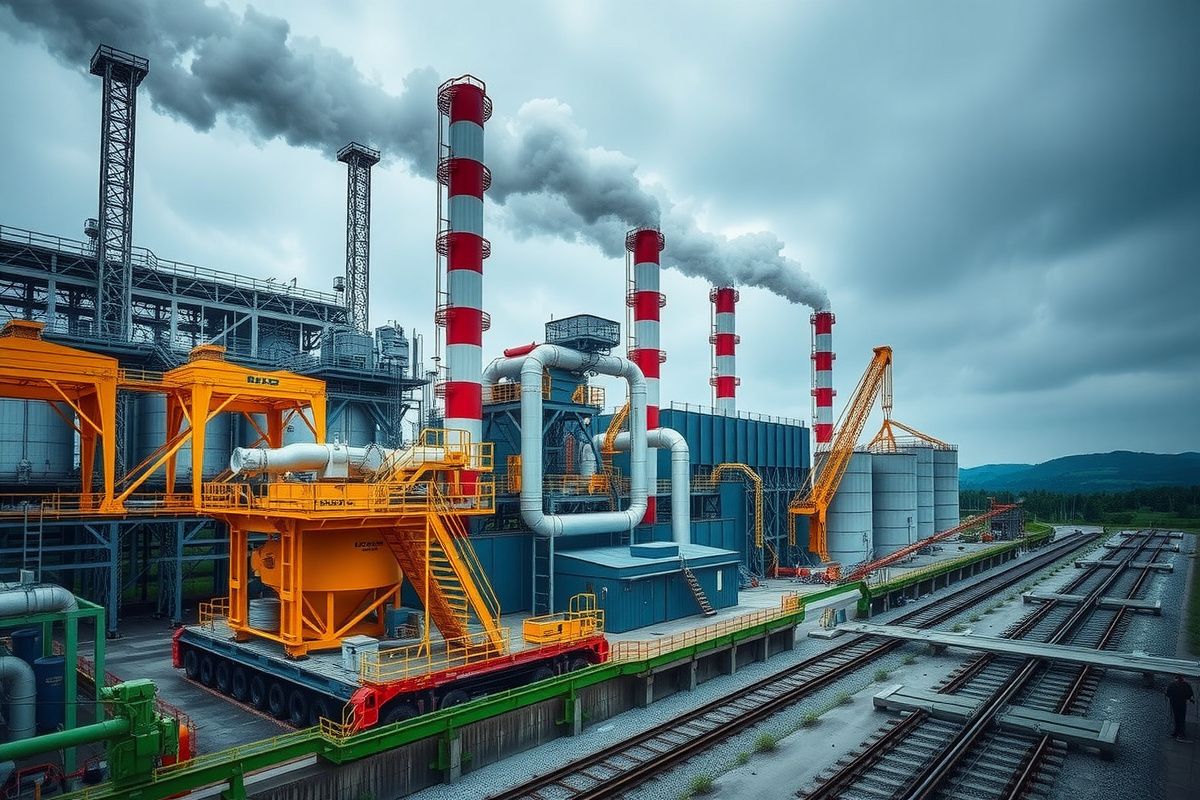
Environmental aspects of using secondary raw materials in metalworking
11.05.2026
The use of secondary raw materials in metalworking significantly reduces the consumption of primary natural resources and energy, contributing to the reduction of greenhouse gas emissions. This minimizes the volume of industrial waste and the overall negative impact of production on the environment, supporting the principles of a circular economy.
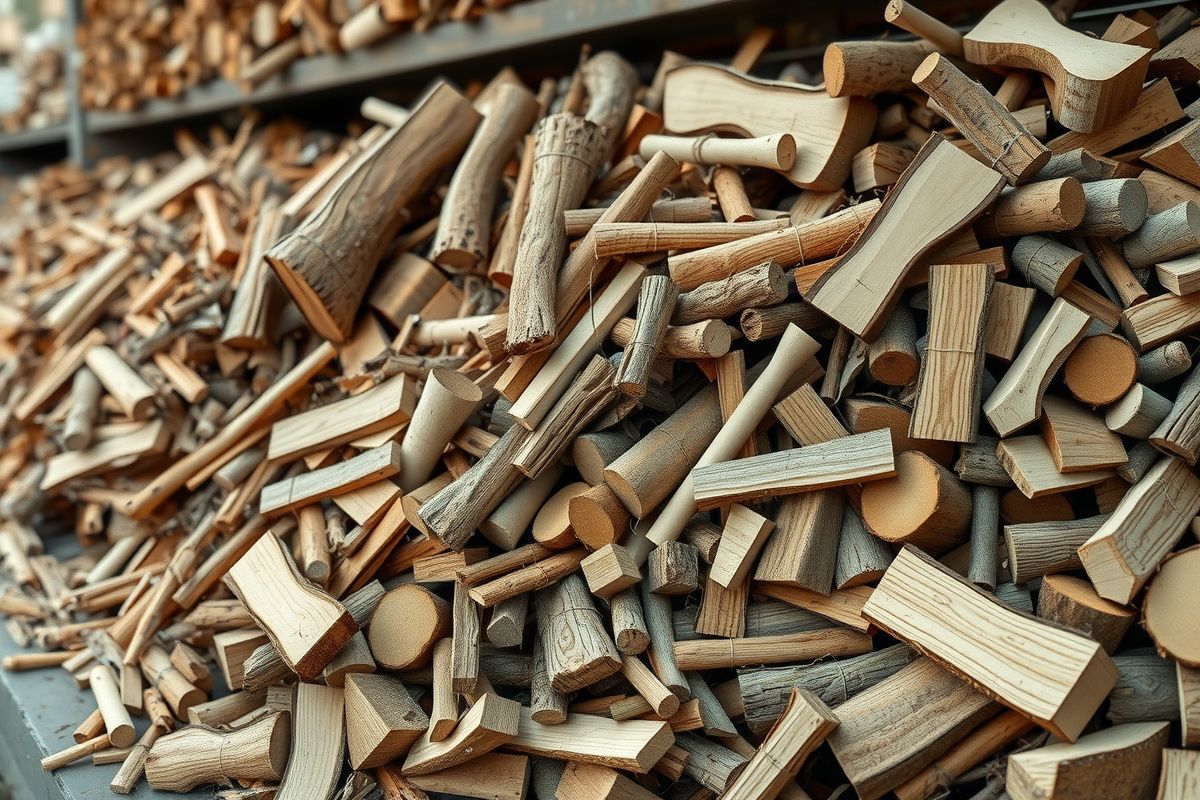
Wood processing waste: problems and solutions
07.05.2026
The generation of significant volumes of waste in the process of wood processing creates environmental challenges and requires effective solutions. The ways to solve these problems lie in the implementation of innovative processing technologies that allow converting waste into valuable resources, such as biofuels, fertilizers, or new materials, ensuring sustainability and economic benefit.
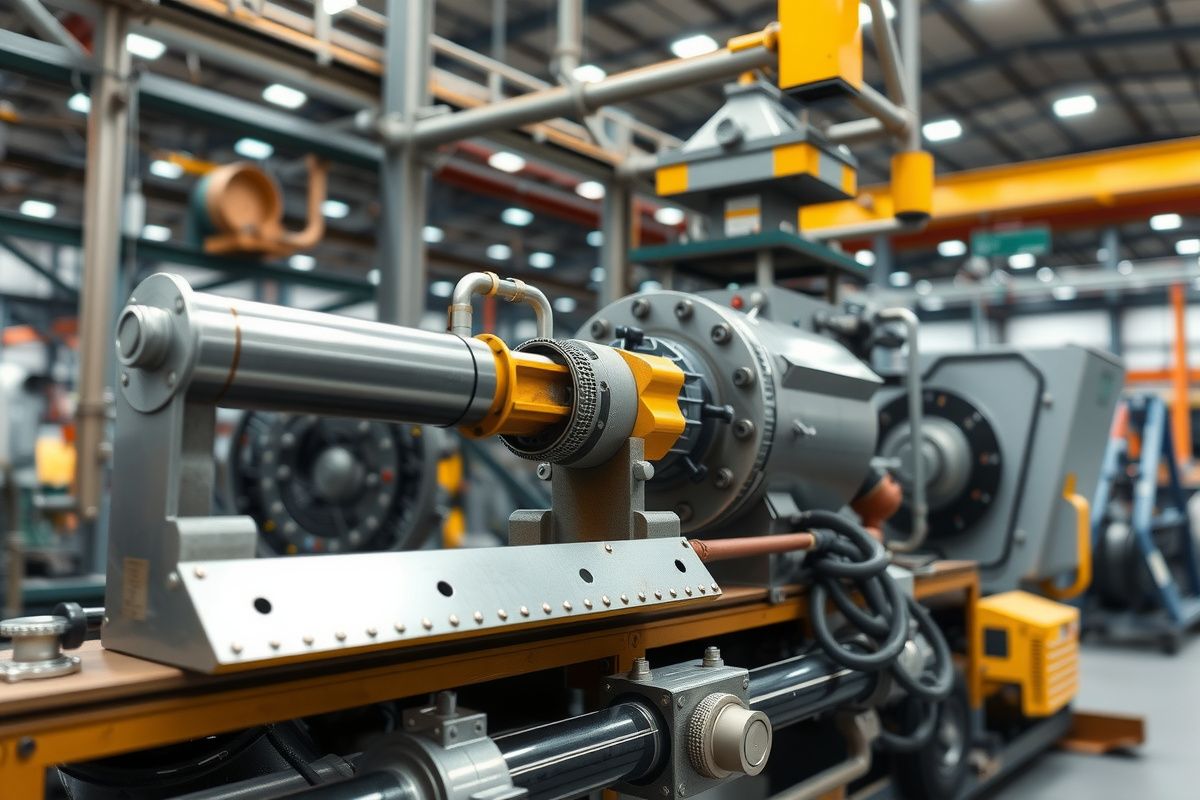
Modern methods of hazardous waste management in mechanical engineering
04.05.2026
Modern methods of hazardous waste management in mechanical engineering focus on their minimization at the source and the application of advanced treatment technologies, such as chemical neutralization, thermal destruction, and recovery of valuable materials. These approaches significantly reduce environmental impact and contribute to the sustainable development of the industry.
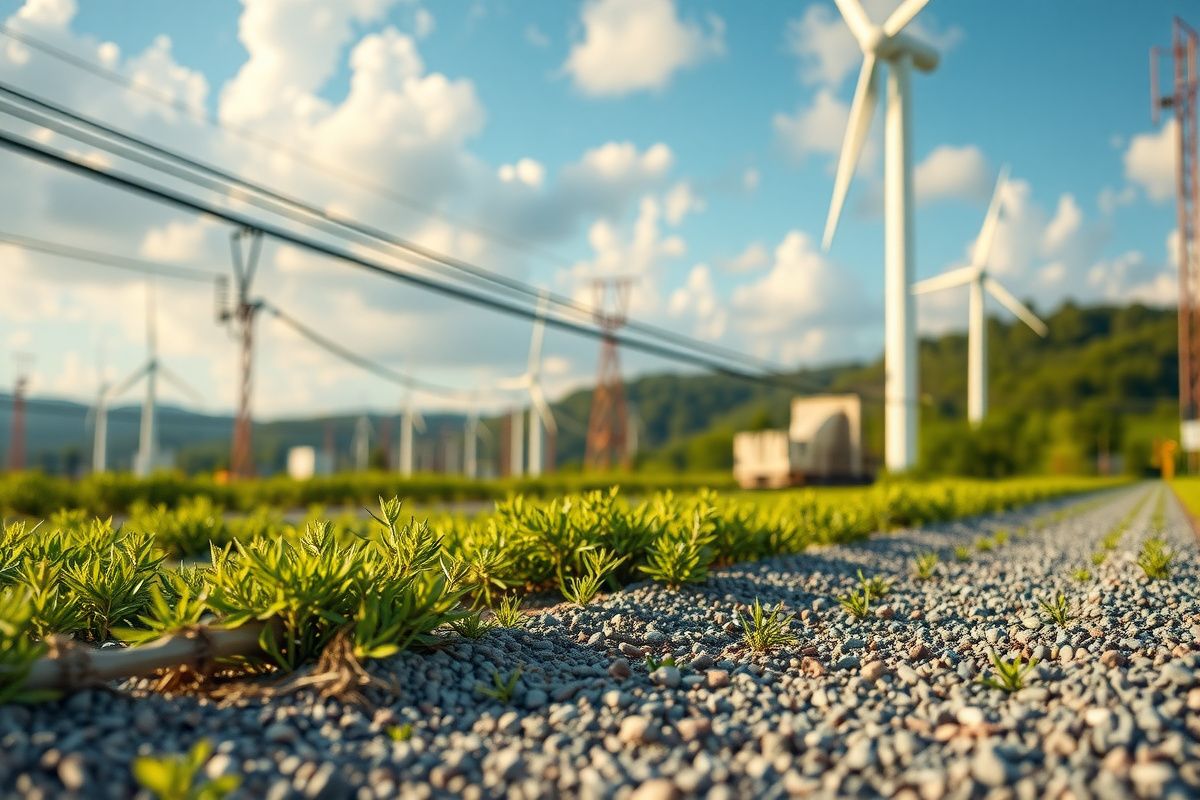
Impact of new technologies on reducing waste emissions in the energy sector
30.04.2026
Modern technologies play a key role in the transformation of the energy sector, aimed at minimizing negative environmental impact. They contribute to a significant reduction in waste emissions through increased energy efficiency, the development of renewable energy sources, and the implementation of innovative methods for carbon utilization and capture. This enables the creation of more sustainable and environmentally friendly energy production systems.
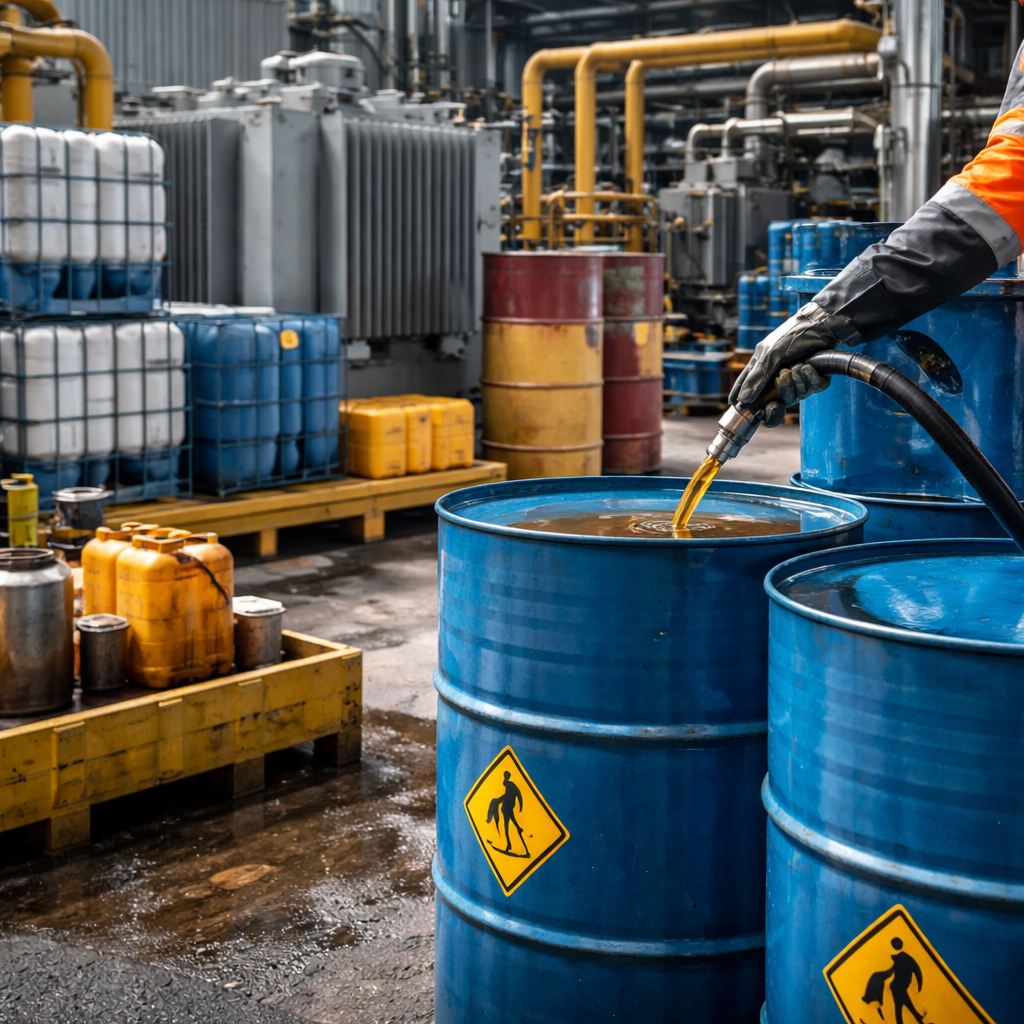
Industrial heat transfer fluids and their environmental impact
26.04.26
Other insulating and heat transfer oils (code 13 03 10*) are used in industrial systems where stable heat transfer and electrical insulation are required.
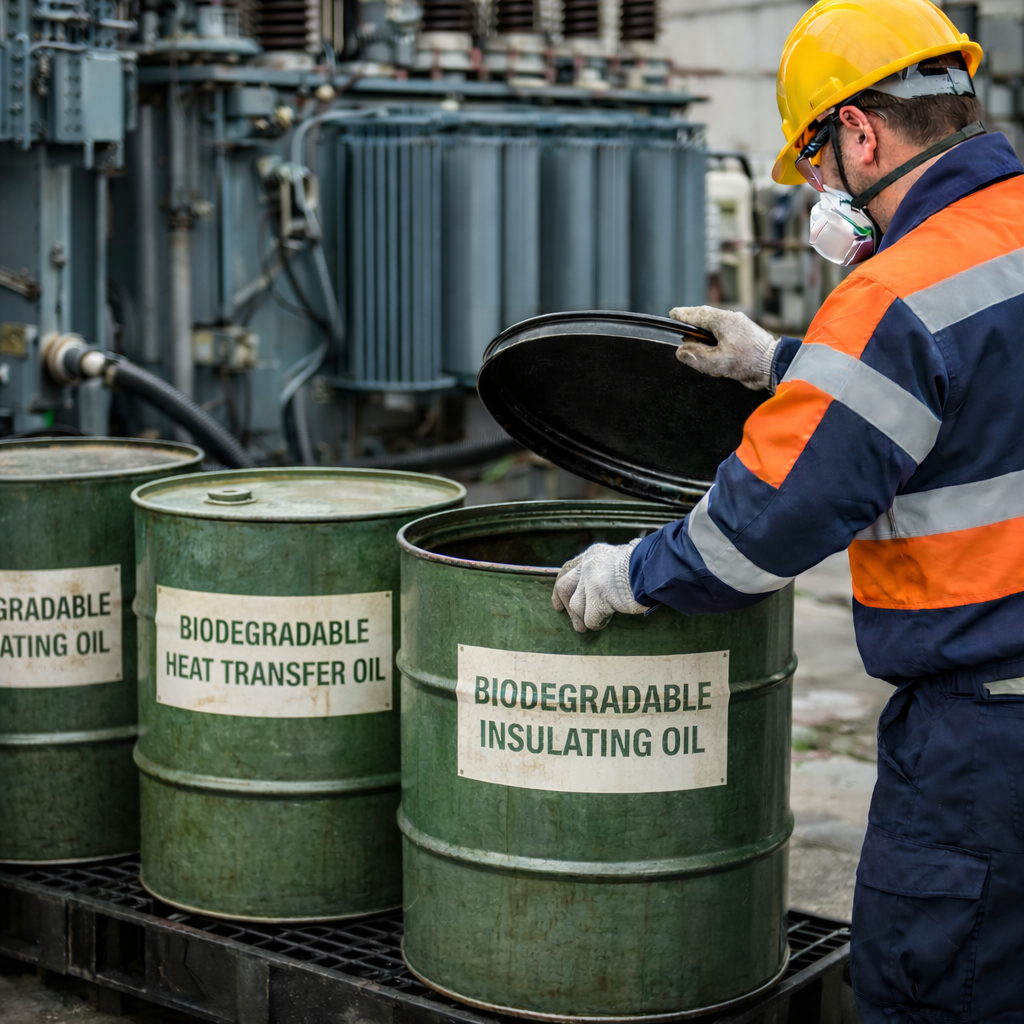
Environmental management of biodegradable insulating oils
22.04.26
Insulating and heat transfer oils that are rapidly biodegradable (code 13 03 09*) are used in modern equipment where reducing environmental impact is important. These heat transfer and insulating fluids are developed using components that can break down more quickly in natural conditions.
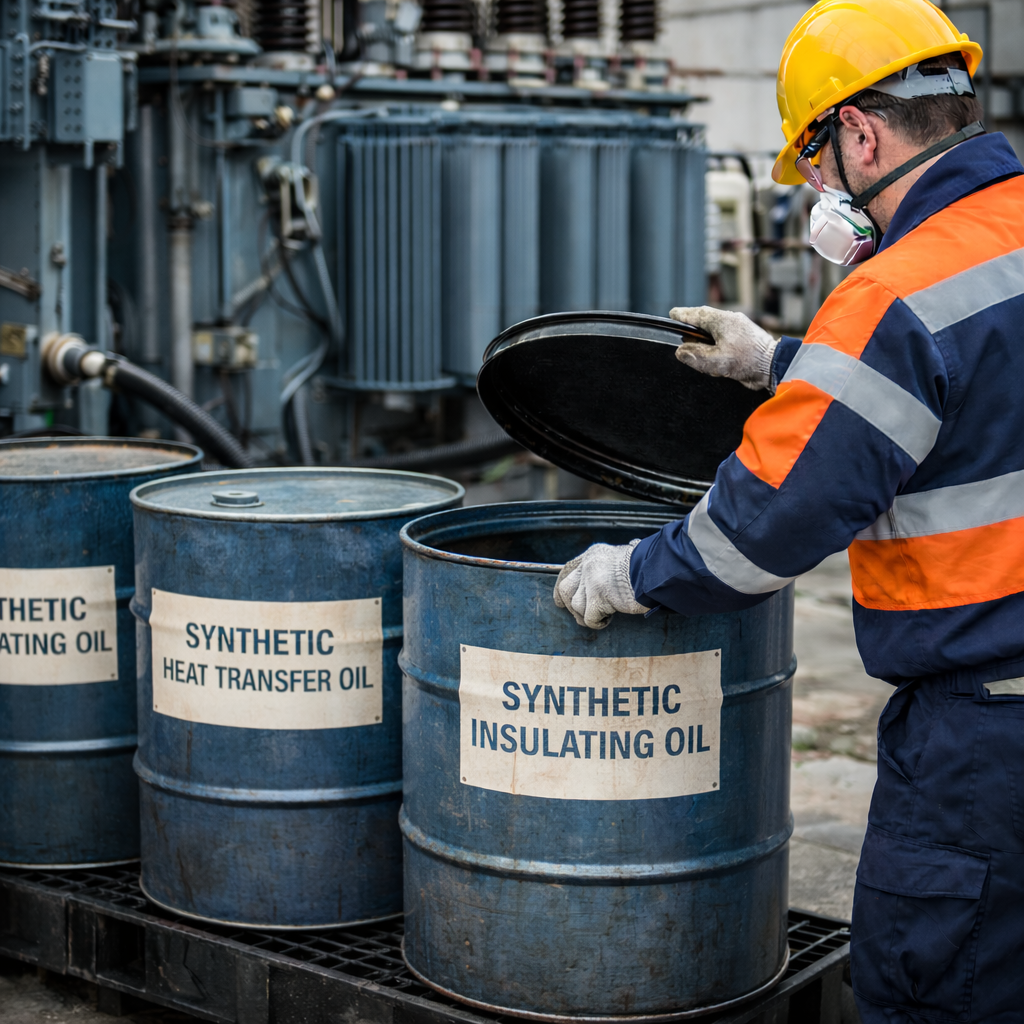
Environmental management of synthetic insulating and heat-transfer oils
18.04.26
Synthetic insulating and heat transfer oils (code 13 03 08*) are used in modern electrical equipment and heat exchange systems. Due to their stable physicochemical properties, they ensure efficient cooling and electrical insulation of various industrial installations.
Waste Search
Calculate cost?
Calculate processing cost for