Hazardous waste
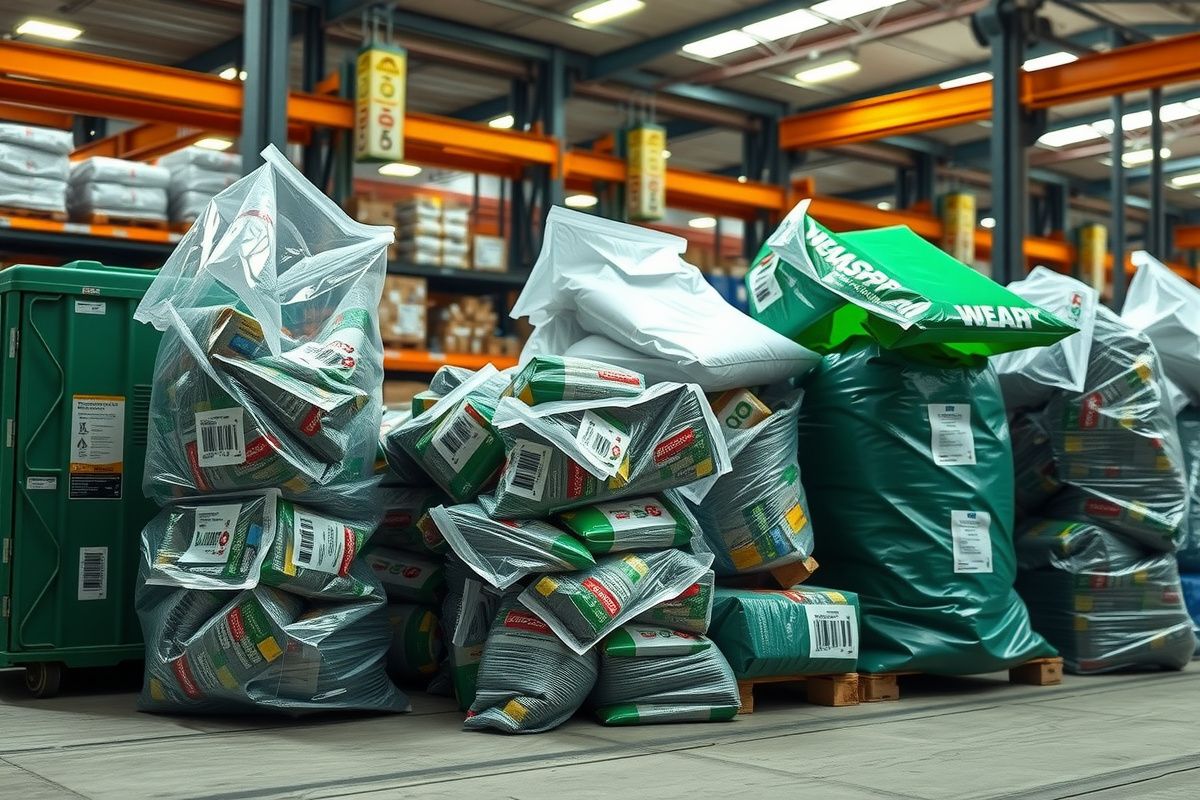
Optimization of industrial packaging waste management
17.06.2026
Optimizing the management of industrial packaging waste is critically important for reducing its volume and minimizing its negative impact on the environment. It involves implementing effective strategies for collecting, sorting, recycling, and reusing materials, which contributes to both environmental sustainability and the economic benefit of enterprises.
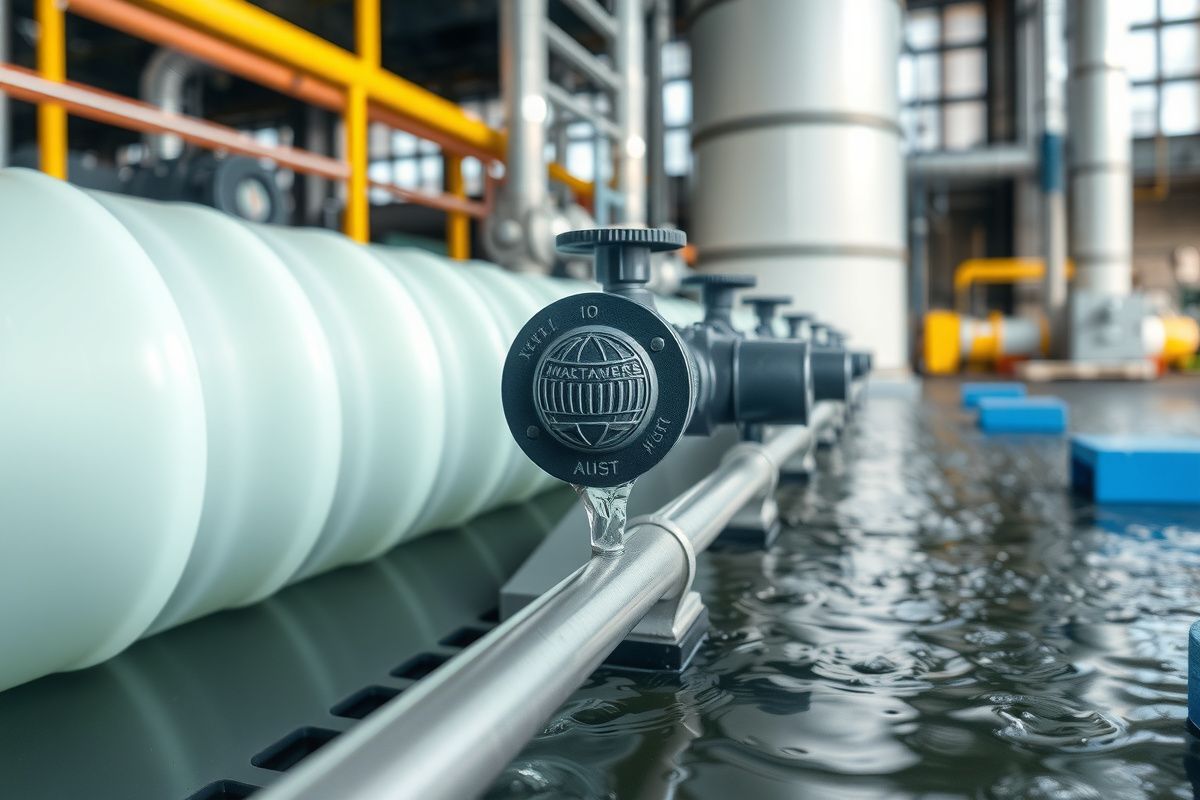
Membrane technologies in industrial wastewater treatment
16.06.2026
Membrane technologies play a key role in industrial wastewater treatment, ensuring highly efficient removal of various pollutants. These processes allow for achieving stringent environmental standards and promote the reuse of water and valuable components. Thanks to their versatility and reliability, membrane systems are a promising solution for sustainable water resource management in industry.
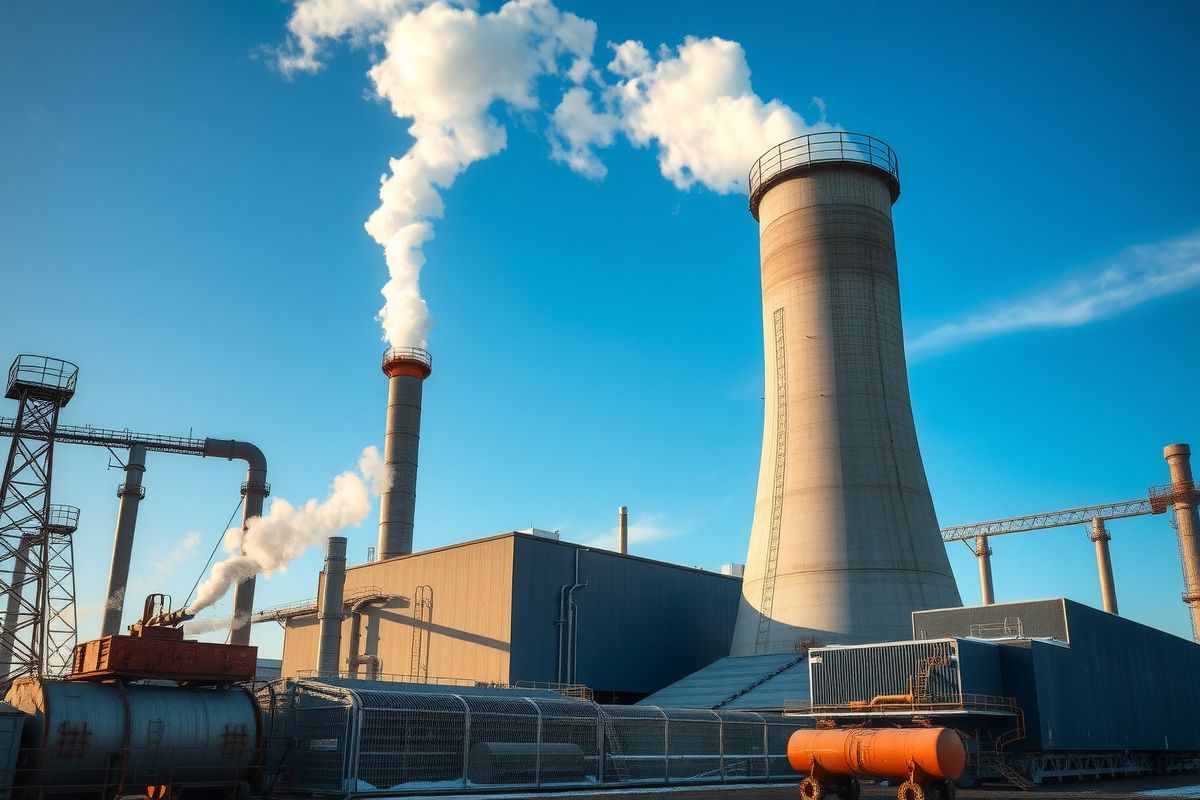
Utilization of industrial excess heat: potential and technologies
15.06.2026
Industrial waste heat is a significant, but often underutilized energy source, which offers great potential for improving energy efficiency and reducing emissions. Modern technologies allow for the effective recovery of this heat, converting it into electricity, hot water, or steam for reuse in production or for heating. This contributes to economic benefits and the sustainable development of enterprises.

Environmental reclamation and processing of mining waste dumps
14.06.2026
Ecological reclamation and recycling of mining waste dumps are key to minimizing negative environmental impact. These measures allow for the restoration of degraded lands, stabilization of ecosystems, and extraction of valuable components, transforming waste into potential resources. Such a comprehensive approach contributes to sustainable development and reduction of the ecological burden.
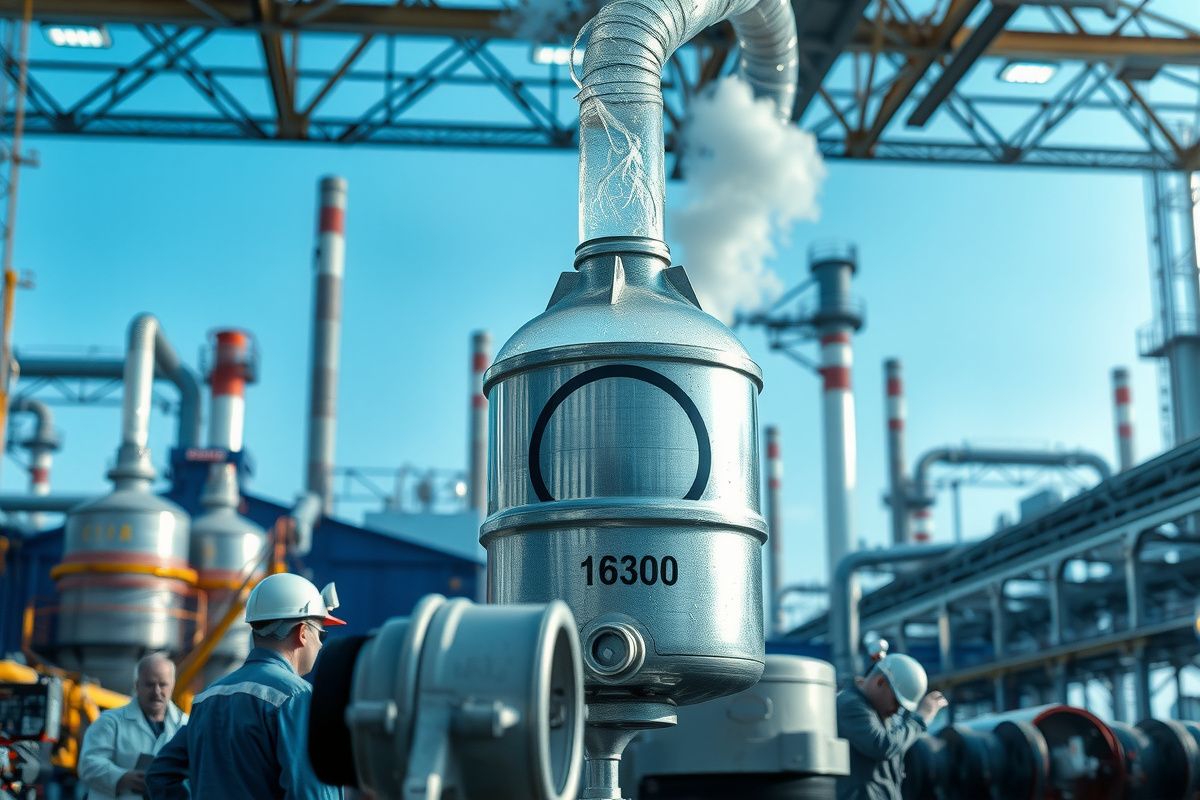
Modern methods of hazardous chemical waste disposal
13.06.2026
Modern methods for the disposal of hazardous chemical waste are critically important for protecting the environment and human health. They encompass a wide range of advanced technologies aimed at transforming toxic substances into safer forms, their stabilization, or complete destruction. Continuous improvement of these physicochemical, biological, and thermal processes ensures increased efficiency and minimization of environmental risks.
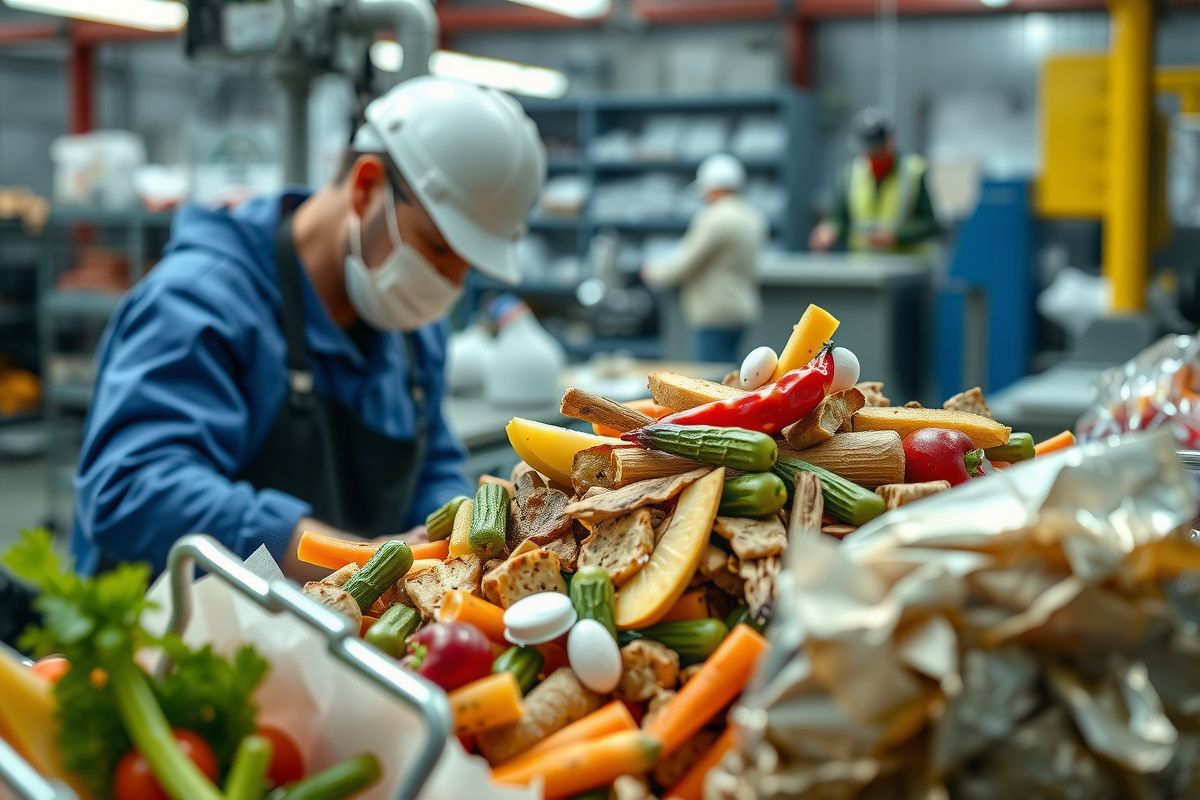
Innovative solutions for processing food industry waste
12.06.2026
Innovative solutions in food industry waste processing enable the effective transformation of significant volumes of production by-products. These approaches not only reduce the environmental burden but also create new valuable resources, fostering the development of a circular economy and enhancing the economic efficiency of enterprises.
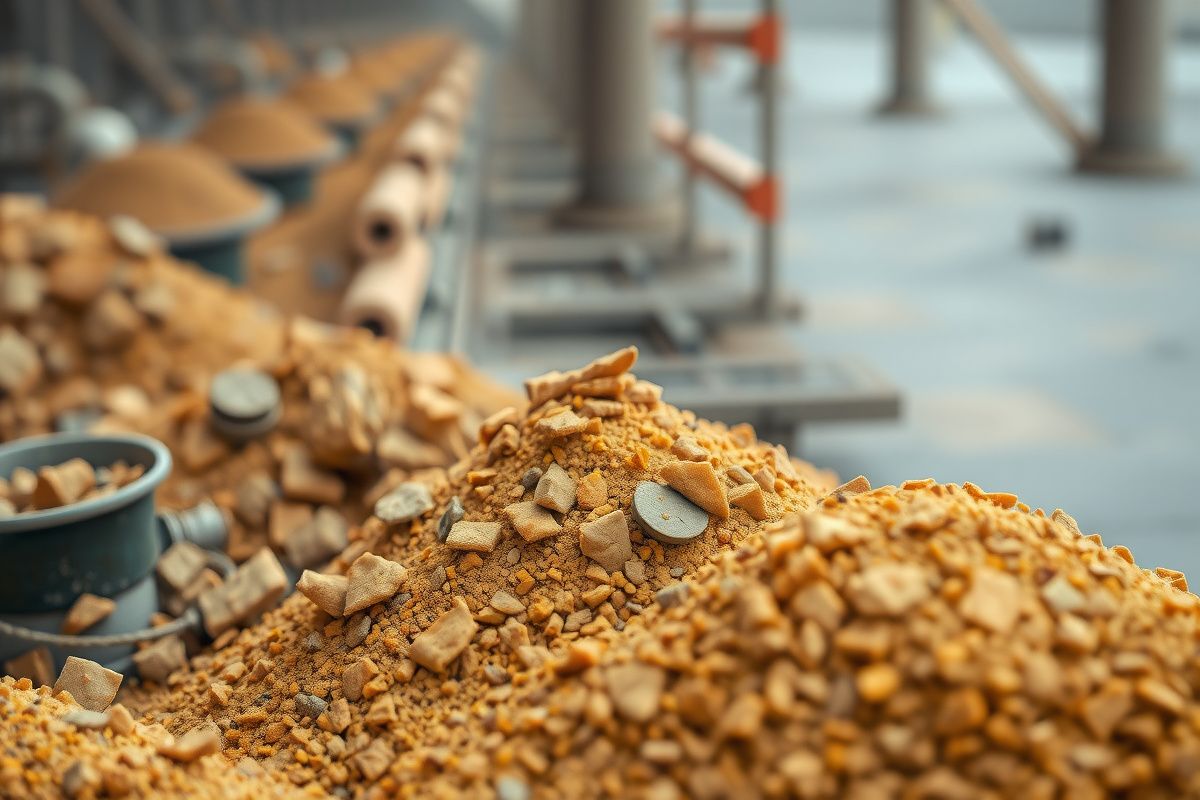
Technologies for processing industrial sludges and sediments: minimization of environmental impact
11.06.2026
Industrial sludge and sediments are a significant source of pollution, therefore modern processing technologies play a key role in reducing their negative impact on the environment. These technologies focus on effective utilization and detoxification, often allowing valuable resources to be recovered. Thus, they contribute to stable environmental safety and a circular economy.
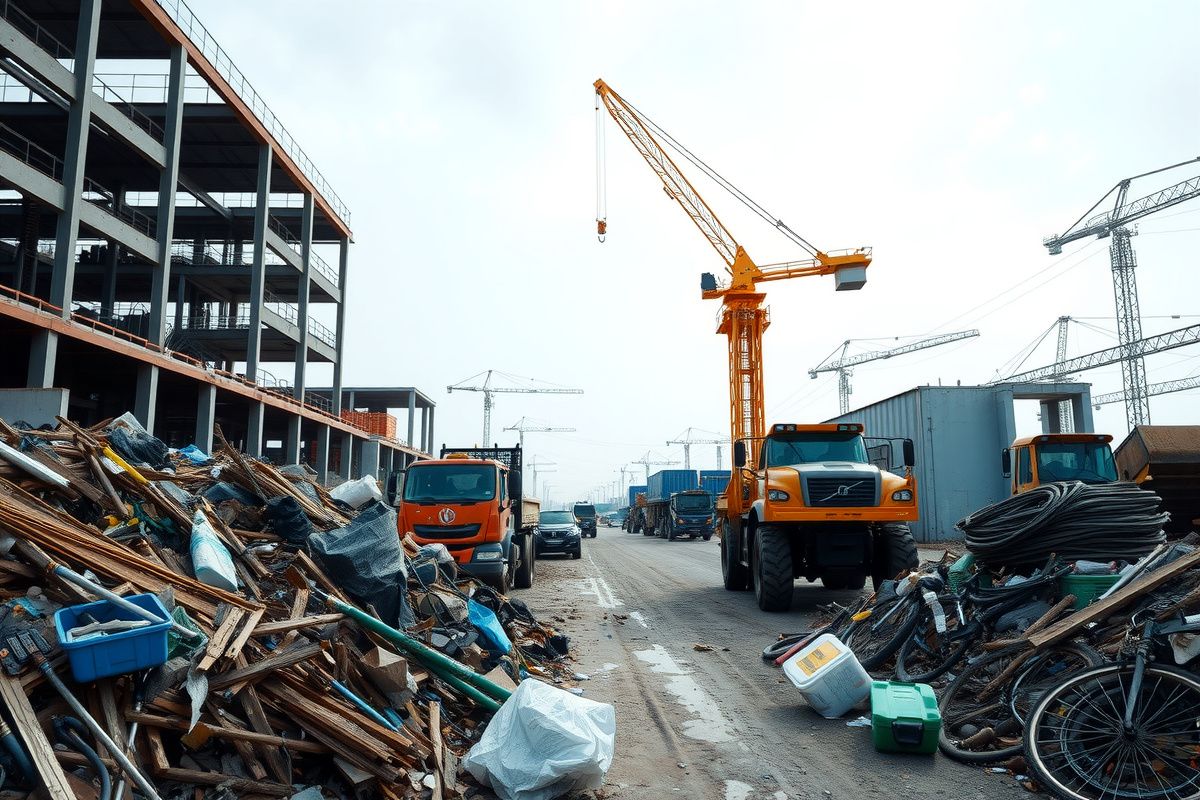
Construction Waste Management: Principles and Technologies of Reuse
10.06.2026
Construction waste management is critically important for sustainable development, requiring the implementation of effective strategies to minimize its generation and environmental impact. It is based on the principles of the waste hierarchy, which prioritize reduction, reuse, and recycling of materials. The application of modern technologies allows for the conversion of construction waste into valuable secondary resources, contributing to resource conservation and increased economic efficiency of projects.
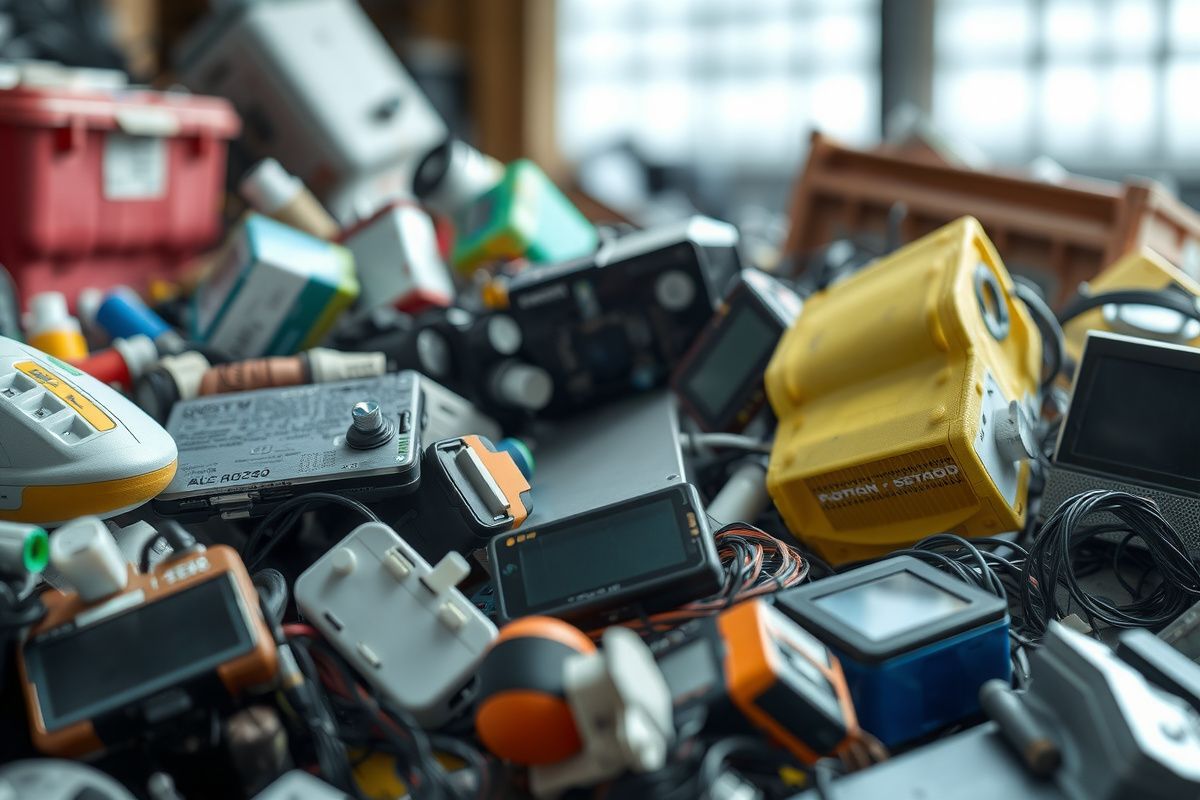
E-waste recycling: challenges and opportunities for industry
09.06.2026
E-waste recycling is a critical challenge for the industry due to its rapid growth and complex composition, requiring innovative approaches. At the same time, it opens up significant opportunities for the extraction of valuable resources, the creation of new markets, and fostering a sustainable circular economy.
Waste Search
Calculate cost?
Calculate processing cost for