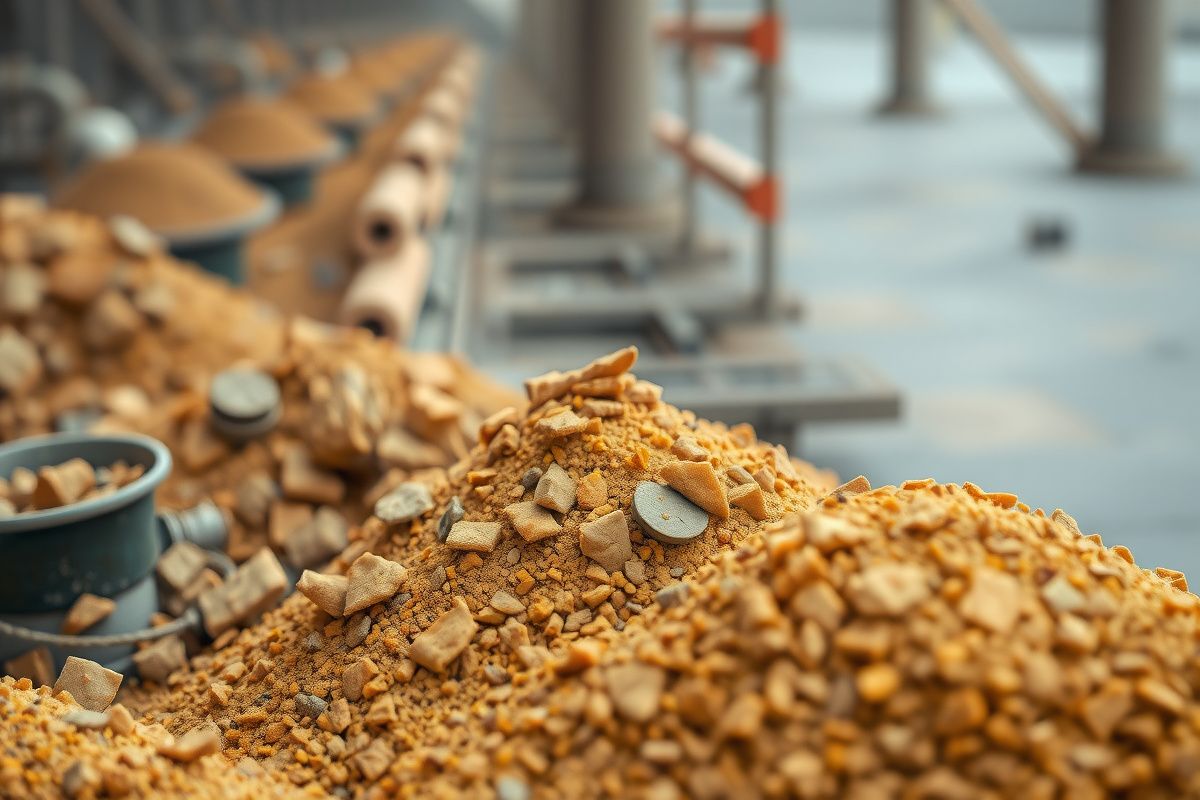
Industrial sludges and sediments are an integral part of production processes in many sectors of modern industry, from metallurgy and chemical industry to wastewater treatment. Their accumulation poses a serious threat to the environment, as these wastes often contain toxic substances, heavy metals, organic pollutants, and other hazardous components. Uncontrolled storage or improper handling of such materials leads to soil, water resource, and air pollution, which has long-term negative consequences for ecosystems and human health. Given the growing environmental requirements and tightening legislation, the development and implementation of effective technologies for processing industrial sludges and sediments becomes a critically important task for every responsible enterprise. This is not only a path to minimizing negative environmental impact but also an opportunity for resource efficiency and economic benefit.
The urgency of this problem is underscored by global efforts to transition to a circular economy, where waste is viewed as a secondary raw material rather than merely an unwanted product. Instead of traditional landfilling, modern approaches involve maximum extraction of valuable components or their conversion into safe materials. This requires innovative technological solutions that not only reduce the volume of waste but also neutralize its hazard. UtilVtorProm actively promotes the implementation of such solutions, offering comprehensive services for environmental maintenance of enterprises, helping them meet the highest standards of environmental safety and efficiency in industrial waste management.
Innovative methods for detoxification and stabilization of industrial sediments
Modern technologies for processing industrial sludges and sediments are based on a comprehensive approach that combines physical, chemical, and biological methods to achieve maximum efficiency and safety. The main technical characteristics of these processes include the ability to reduce waste volume, stabilize hazardous components, extract valuable substances, and convert sludges into environmentally safe materials. The principle of operation often includes mechanical dewatering (filter presses, centrifuges), which significantly reduces the mass and volume of sludge, as well as thermochemical treatment, such as incineration or pyrolysis, which destroys organic pollutants. For example, similar to how fly ash from the combustion of emulsified hydrocarbons is analyzed, ash from sludge incineration also requires careful control to assess its safety and potential for further use.
The composition of industrial sludges is extremely diverse and depends on the specific industry and technological process that generates the waste. It may include heavy metals (lead, cadmium, mercury), petroleum products, organic solvents, acids, alkalis, phenols, and other toxic compounds. For effective processing, chemical stabilization/solidification is used, which binds hazardous substances into insoluble forms, preventing their leaching. Biological methods, such as bioremediation, use microorganisms to decompose organic pollutants, which is particularly relevant for sediments with a high organic content. These methods allow transforming potentially hazardous waste into stable, inert materials, significantly reducing their negative impact on the environment and opening avenues for their further use.
Practical application of deposit processing technologies in the industrial sector
Technologies for processing industrial sludges and sediments are widely used in various sectors of the economy, where they help solve complex environmental and production challenges. Examples of equipment include modern filter presses for maximum dewatering, rotary kilns for thermal treatment, chemical stabilization units for binding toxic elements, and bioreactors for biological degradation of organic compounds. In the metallurgical industry, reprocessed sludges can be used as secondary raw materials for metal smelting or as components for building materials. Chemical enterprises apply these technologies to neutralize hazardous reagents and extract valuable substances from waste, reducing the need for primary raw material extraction.
The wastewater treatment industry is one of the largest generators of sediments, and it is here that processing technologies are of immense importance. Wastewater sediments, after appropriate treatment (dewatering, stabilization, pasteurization), can be used as organic fertilizers in agriculture or as an energy source through anaerobic digestion with biogas production. Also, reprocessed sludges can serve as fillers or components for the production of building materials, similar to concrete, bricks, facing tiles, and ceramics (NACE codes 17 01), demonstrating the potential for a circular economy. Through such approaches, enterprises not only comply with environmental norms but also gain additional benefits from transforming waste into useful products, reducing their operating costs and improving their image.
Classification and environmentally safe management of industrial deposits
Effective management of industrial sludges and sediments requires strict adherence to regulatory requirements and proper waste classification. It is necessary to accurately determine the composition and hazard level of the waste to select the optimal processing technology and ensure environmental safety. For example, sludges from the treatment of industrial wastewater containing hazardous substances are classified under NACE code 11 01 09*. Sludges from on-site wastewater treatment, also containing hazardous substances, may fall under code 06 05 02*. These wastes require a special approach, including specialized collection, transportation, storage, and processing, to minimize their environmental impact. As with other hazardous wastes, such as batteries and accumulators, for which effective management is key to environmental protection, industrial sludges also require licensed and professional handling.
UtilVtorProm provides a full range of environmental services for enterprises, including identification, classification, collection, transportation, storage, and processing of industrial sludges and sediments. We ensure compliance with all current environmental standards and norms, possessing the necessary licenses and permits to work with wastes of various hazard classes. Our approach guarantees that all stages of waste management are carried out professionally and responsibly, which is a prerequisite for minimizing environmental risks and ensuring the sustainable development of your enterprise. We help our clients not only comply with legal requirements but also implement the best available technologies for industrial waste processing.
Partnership with UtilVtorProm: comprehensive solutions for environmental safety
Choosing a reliable partner for industrial waste management is a key aspect of any enterprise's successful environmental strategy. UtilVtorProm offers a professional approach and comprehensive solutions for the collection, transportation, storage, and processing of industrial sludges and sediments. Our activities are licensed, confirming our competence and adherence to the highest standards of safety and environmental responsibility. We understand the unique needs of each client and develop individual waste management plans that not only ensure compliance with all regulatory requirements but also optimize costs and promote sustainable development. We invite you to contact us for a detailed consultation and to develop an effective solution for your enterprise, to build a cleaner and safer future together.