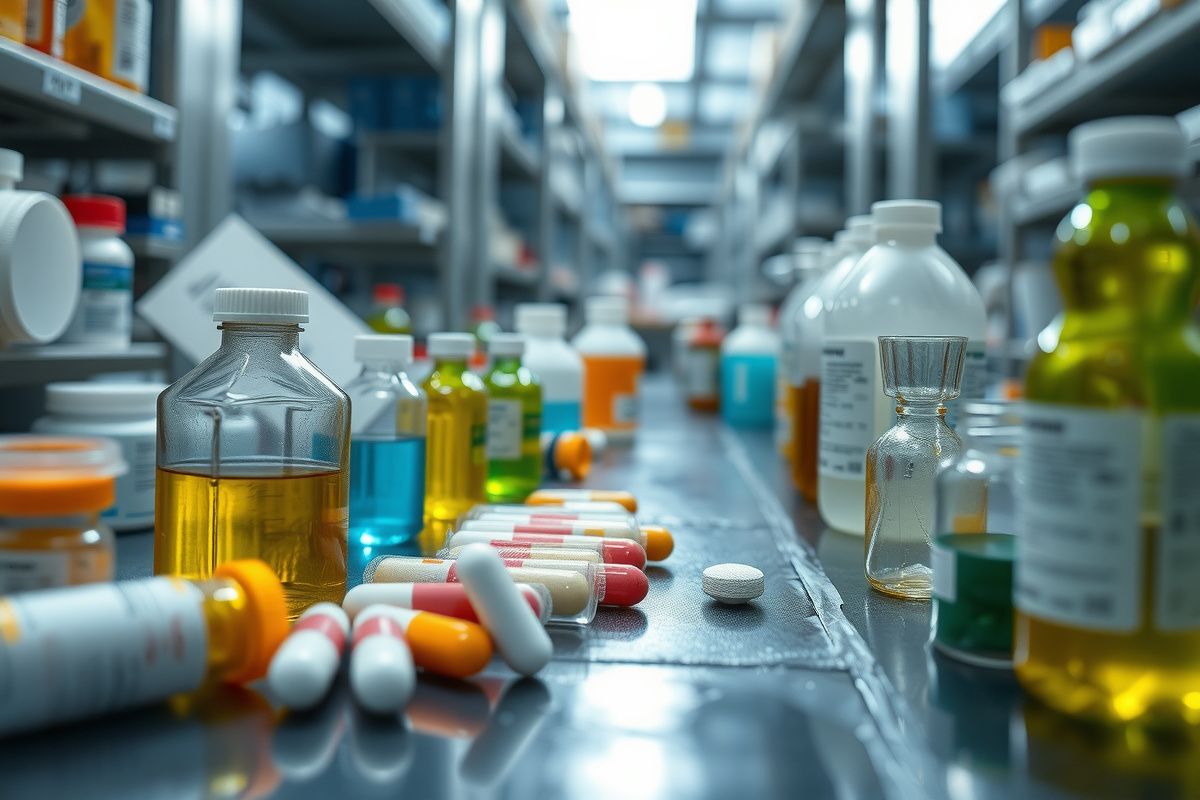
The pharmaceutical industry is one of the most important sectors ensuring human health, yet its activities are inextricably linked to the generation of significant volumes of hazardous chemical waste. This waste, including residues of medicinal products, intermediate chemical compounds, solvents, and contaminated materials, poses a serious threat to the environment and human health if improperly managed. The urgency of developing and implementing effective technologies for neutralizing such waste increases every year, as environmental safety requirements become stricter, and the volumes of pharmaceutical production continuously grow.
Hazardous chemical waste from the pharmaceutical industry is often characterized by high toxicity, mutagenicity, carcinogenicity, or other harmful properties, requiring specialized approaches for its neutralization. Uncontrolled discharge or improper storage of these substances can lead to the contamination of soils, water resources, and air, causing long-term negative consequences for ecosystems and public health. Therefore, modern enterprises strive to implement innovative solutions that minimize their environmental footprint and ensure full compliance with national and international environmental safety standards.
Modern Thermochemical Destruction Methods for Pharmaceutical Waste
Technologies for neutralizing hazardous chemical waste from the pharmaceutical industry are based on the principles of complete destruction of harmful components or their transformation into less dangerous forms. Among the most effective methods is high-temperature thermal destruction, which includes incineration, pyrolysis, and gasification. These processes ensure the complete decomposition of complex organic compounds into simple inorganic substances, such as carbon dioxide, water, and mineral residues, under controlled conditions, preventing the formation of secondary toxic products. For example, specialized incinerators with multi-stage flue gas purification systems are capable of processing even the most complex pharmaceutical substances, minimizing the emission of harmful substances into the atmosphere.
In addition to thermal methods, physicochemical technologies such as chemical neutralization, oxidation, reduction, and sorption are also used. Chemical neutralization allows for changing the pH of the environment or converting toxic substances into non-toxic salts. Oxidation, often using strong oxidants or photocatalytic processes, effectively destroys organic pollutants. Sorption methods, similar to the use of activated carbon for air and water purification, allow for the removal of hazardous components from solutions or gas streams, as occurs in the handling of absorbents and filter materials not falling under code 15 02 02, which are also often used in pharmaceutical production for purification. The choice of a specific technology depends on the physicochemical properties of the waste, its volume, and the requirements for the final processed product.
Specialized Equipment for Pharmaceutical Chemical Waste Treatment
The application of advanced technologies for neutralizing hazardous chemical waste from the pharmaceutical industry requires the use of high-tech and specialized equipment. This may include rotary kilns for incineration, plasma gasification plants, chemical destruction reactors, and complex multi-stage systems for treating wastewater and gas emissions. Such systems are integrated directly into the production cycles of pharmaceutical enterprises or operate at specialized hazardous waste management facilities. An important aspect is process automation and continuous monitoring of parameters, which ensures operational safety and neutralization effectiveness.
In addition to stationary complexes, mobile units exist for processing small batches of specific waste or for carrying out work at remote sites. These solutions provide flexibility and efficiency in waste management, reducing logistical costs and risks associated with transporting hazardous substances over long distances. An example of such waste is residues of cytotoxic and cytostatic medications, for which, as for other hazardous pharmaceutical waste, safe handling is critically important, as detailed in the material "Safe Handling of Cytotoxic and Cytostatic Medications: An Environmental Approach." This emphasizes the need for an individualized approach to each type of waste.
Rules for Handling Hazardous Pharmaceutical Waste according to NPW
Effective handling of hazardous chemical waste from the pharmaceutical industry is impossible without strict adherence to regulatory acts and standards, particularly the National Waste List (NPW). Pharmaceutical production waste is classified according to its origin and hazardous properties. Such waste may include spent cytotoxic and cytostatic medicinal products with code 18 01 08*, as well as chemical substances consisting of or containing hazardous components, classified as 18 01 06*. Proper labeling, sorting, and temporary storage are the first steps towards safe and environmentally responsible handling.
UtilVtorProm company provides a full range of environmental services for enterprises, including collection, transportation, storage, and processing of hazardous chemical waste from the pharmaceutical industry. We ensure compliance with all legislative requirements, using licensed technologies and modern equipment. Our approach guarantees not only the complete neutralization of hazardous substances but also the minimization of environmental impact, which is a priority for any responsible manufacturer. Adherence to these rules is a guarantee of preserving ecological balance and the health of future generations.
Partnership with UtilVtorProm: Reliability and Environmental Responsibility
Cooperation with UtilVtorProm provides pharmaceutical enterprises with confidence in the professional and safe handling of their hazardous chemical waste. We possess all necessary licenses and permits for waste management activities, and our team consists of highly qualified specialists with deep knowledge and practical experience. We offer individualized solutions, developed considering the specifics of each client and type of waste. By providing a full cycle of services — from consultation and logistics to direct processing and neutralization — UtilVtorProm becomes a reliable partner in achieving environmental stability and adhering to all regulatory requirements. Contact us today to discuss your needs and receive professional support in hazardous waste management.