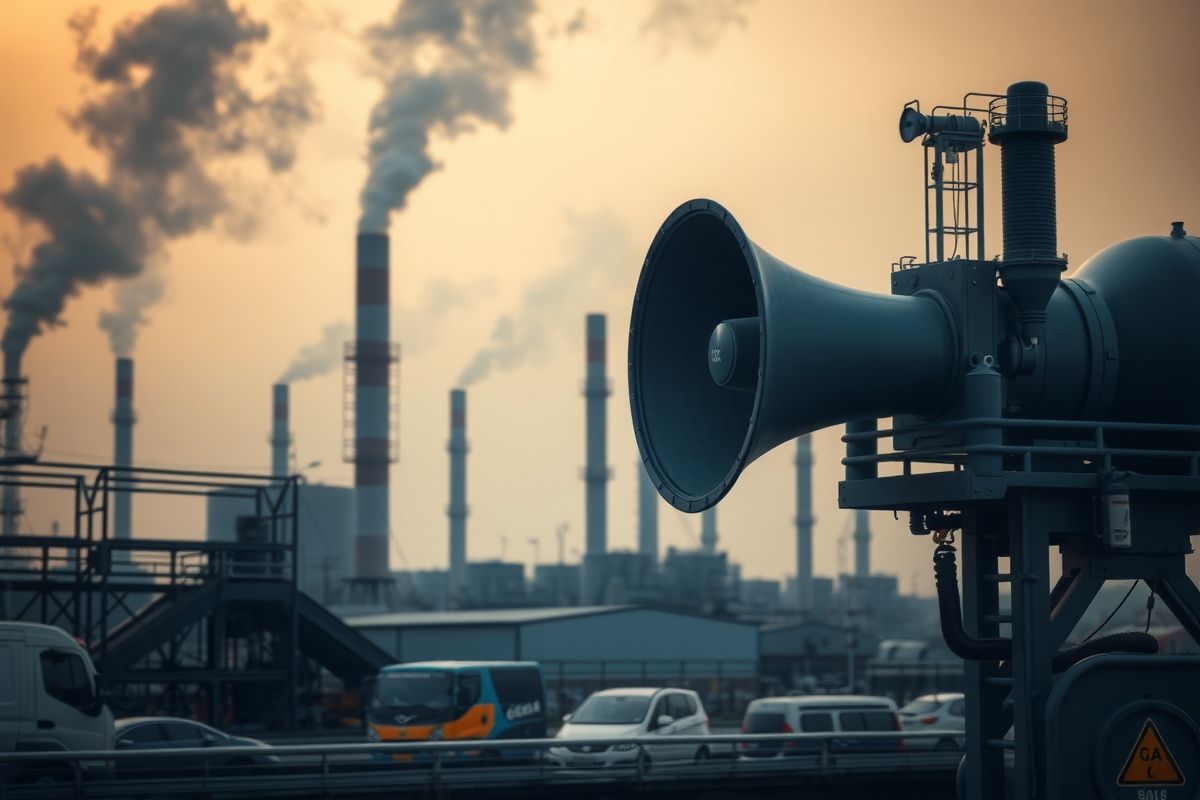
Industrial noise pollution is one of the most pressing environmental and social problems of our time, significantly impacting the health of industrial workers and residents of adjacent territories. Constant exposure to high noise levels can lead to serious consequences such as hearing loss, increased stress, sleep disturbances, cardiovascular diseases, and reduced overall labor productivity. Given the growing demands for environmental safety and occupational hygiene, the implementation of effective methods and modern equipment for reducing industrial noise becomes an integral part of responsible business conduct.
A comprehensive approach to noise control involves not only the use of engineering solutions but also a thorough analysis of noise sources, optimization of production processes, and the implementation of organizational measures. The application of innovative technologies and materials significantly reduces acoustic load, creating more comfortable and safe working conditions, and minimizing negative environmental impact. Our company, UtilVtorProm, as an expert in environmental services, pays special attention to integrated solutions for the environmental safety of enterprises.
Engineering Solutions for Effective Acoustic Insulation of Industrial Facilities
Modern engineering solutions for industrial noise reduction are based on the principles of sound insulation and sound absorption, utilizing specialized materials and constructions. Soundproofing materials, such as heavy acoustic panels, multi-layered partitions, and sealed enclosures for equipment, are designed to reflect and block the propagation of sound waves. Their effectiveness is determined by density, mass, and the absence of gaps that can allow noise to pass through. Sound-absorbing materials, which include mineral wool, acoustic foam, perforated panels with porous fillers, convert sound energy into thermal energy, thereby reducing reverberation and the overall noise level in the room.
The principle of operation of these materials lies in converting sound vibrations passing through their structure into thermal energy or in reflecting and dissipating them. Technical characteristics such as the Noise Reduction Coefficient (NRC) and the Sound Reduction Index (Rw) are key indicators of effectiveness. The correct selection and combination of such materials, considering the frequency range of the noise, allow for optimal results. Just as it is important to properly handle "Absorbents, filtering materials, wiping cloths and protective clothing Waste Code 15 02", so too do used sound insulation materials require professional environmental management.
Innovative Technologies and Equipment for Active Control of Industrial Noise Pollution
In addition to passive methods, modern industry actively implements innovative active noise cancellation (ANC) technologies, which create an antiphase sound wave, effectively neutralizing unwanted noise. These systems are particularly useful for low-frequency noise, which is difficult to reduce with traditional passive means. Specialized silencers are also widely used for ventilation systems, exhaust pipes of industrial installations, and compressors, significantly reducing noise generated by air or gas flows. Vibration isolation platforms and shock absorbers are indispensable for heavy equipment, reducing the transmission of vibration and structural noise to building structures.
The application of such technologies is critically important in various industries. For example, metallurgical plants use powerful silencers for rolling mills, and machine-building factories implement active noise reduction systems for CNC machines. In energy facilities, vibration isolation solutions are effectively applied for turbines and generators, while chemical enterprises actively use enclosures and screens for pumps and compressors. Constant monitoring of noise levels using special sensors and software allows for prompt responses to changes and maintenance of necessary safety standards. Effective noise management, like the handling of "Anaerobic liquid waste of household type," requires a systematic approach.
Environmental Management of Sound Insulation Material Waste and Worn-Out Acoustic Systems
The process of replacing or upgrading noise reduction systems inevitably leads to the generation of various wastes that require proper environmental management. Such wastes may include used acoustic panels, worn-out vibration isolation mats, metal frames and plastic components of silencers, as well as electronic components of active systems. Some of these materials, especially old insulation, may contain hazardous substances such as asbestos, making their handling similar to "Asbestos-containing construction materials" and requiring special safety measures and licensed activities for their collection and processing.
Examples of waste codes according to the National Waste List (NWL) include: 17 06 04 (insulation materials not containing hazardous substances), 17 06 03* (insulation materials containing hazardous substances), 16 02 14 (discarded equipment not containing hazardous components other than those mentioned in 16 02 09 to 16 02 13), and also 17 04 07 (mixed metals). UtilVtorProm provides a full range of environmental services for enterprises, ensuring professional collection, transportation, storage, and processing of all types of waste generated as a result of the operation and replacement of noise reduction systems, guaranteeing compliance with all environmental norms and standards.
Comprehensive UtilVtorProm Services for Ensuring Acoustic Safety in Production
Cooperation with UtilVtorProm guarantees a professional and responsible approach to solving all issues related to industrial waste generated during the implementation, operation, and modernization of noise reduction systems. Our company holds all necessary licenses and permits for activities involving the handling of hazardous and non-hazardous waste, ensuring full compliance with environmental standards and Ukrainian legislation. We offer individual and comprehensive solutions that help enterprises not only effectively reduce noise pollution but also optimize waste management processes, caring for the environment and the health of their employees. Contact UtilVtorProm today to receive expert consultation and favorable terms of cooperation, ensuring the environmental safety and sustainable development of your production.