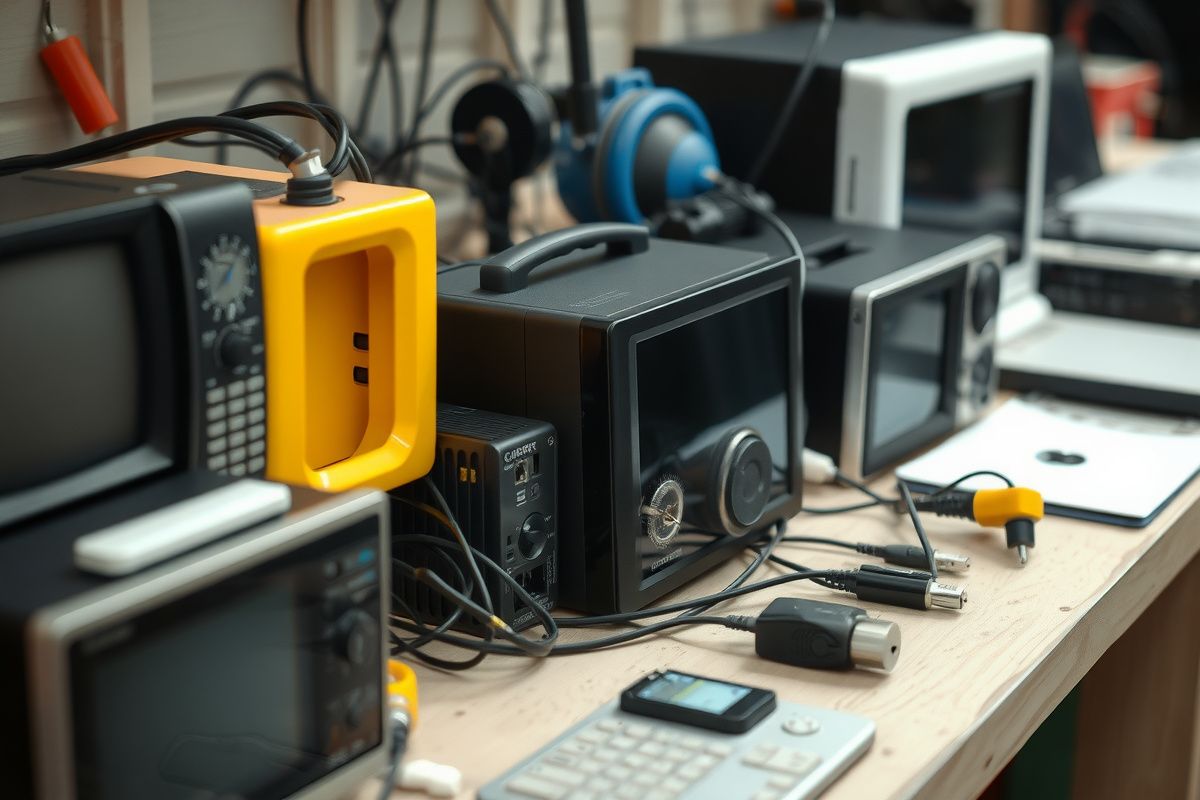
The rapid development of technology and the constant renewal of electronic equipment generate a global problem of increasing volumes of waste electrical and electronic equipment, known as WEEE or e-waste. This category of waste is one of the most complex and dangerous for the environment and human health due to the presence of harmful substances in its composition. Uncontrolled accumulation and improper handling of such waste lead to soil, water resources, and air pollution, creating long-term environmental threats. For industry, this issue is becoming increasingly relevant, requiring the implementation of effective systems for collection, processing, and safe handling in accordance with current legislation.
Responsible management of electronic equipment waste is a key element of corporate social responsibility and sustainable development for any modern enterprise. It not only minimizes the negative impact on the environment but also contributes to the recovery of valuable secondary resources. It is important to understand that each component of electronic equipment can contain toxic elements, which, if improperly processed, ex-