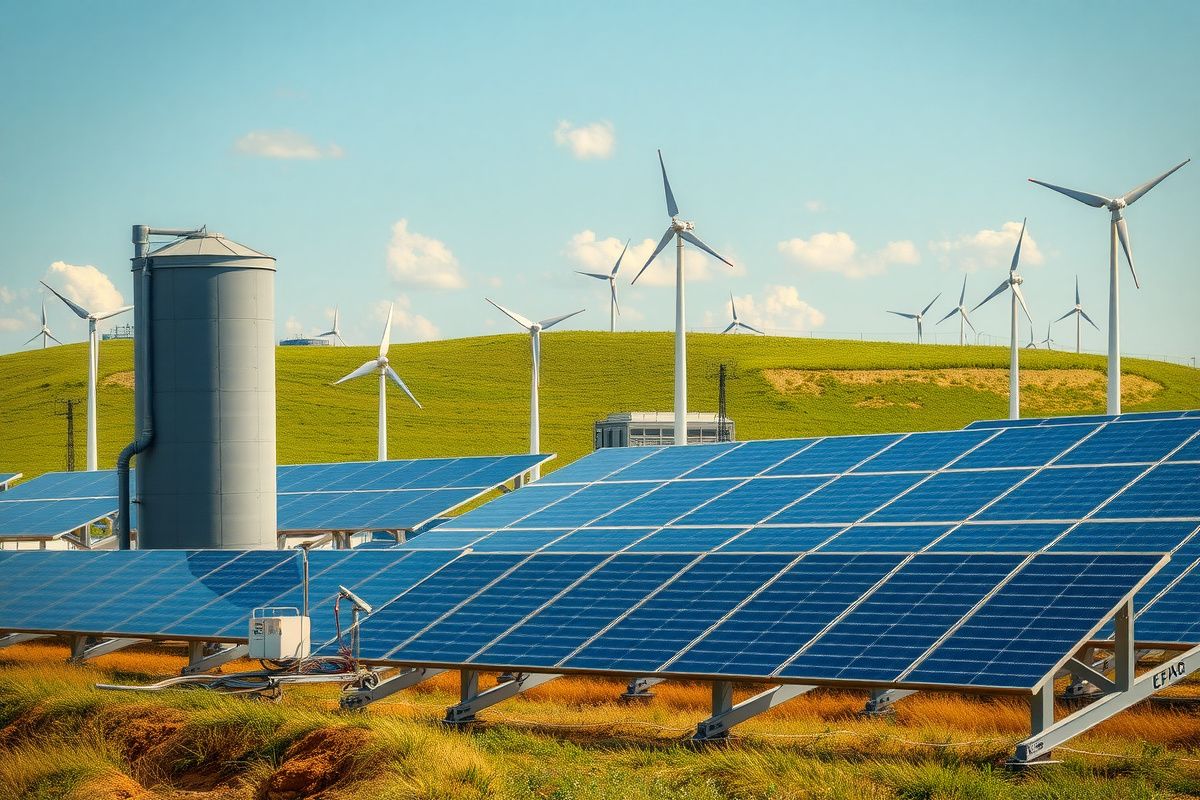
The modern world faces challenges related to energy security and environmental sustainability, which necessitates the search for innovative solutions in the field of alternative energy sources. Technologies for processing agricultural waste to produce biofuel are becoming increasingly relevant, offering an effective way to reduce dependence on fossil fuels and minimize negative environmental impact. This direction not only promotes rational resource use but also opens new economic opportunities for the agro-industrial complex. The use of biofuel obtained from such waste as straw, husks, corn stalks, and organic residues is a key element of the circular economy.
The conversion of agro-industrial waste into valuable biofuel is strategically important for many industries, including energy, heat supply, and transport. This allows enterprises not only to solve the problem of waste accumulation but also to obtain their own energy sources, reducing operational costs and increasing their competitiveness. The development of such technologies is an integral part of global efforts for decarbonization and the creation of more sustainable production cycles, which is especially important in the context of the growing demand for "alternative fuels (including mixtures)", as discussed in other materials. Ukraine, with its significant agricultural potential, has all the prerequisites for leadership in this area.
TECHNOLOGICAL PROCESSES AND RAW MATERIAL COMPOSITION FOR BIOFUEL PRODUCTION FROM AGRO-WASTE
Technologies for processing agricultural waste into biofuel encompass a wide range of methods, each with its technical features and optimal application conditions. The most common include pyrolysis, gasification, and anaerobic digestion. Pyrolysis is the thermal decomposition of organic materials in the absence of oxygen, allowing for the production of bio-oil, biochar, and syngas. Gasification involves the partial oxidation of raw materials to produce syngas, which can be used for electricity generation or liquid fuel production. These processes require precise control of temperature and pressure to achieve maximum conversion efficiency.
Anaerobic digestion, in turn, is a biological process in which organic substances are decomposed by microorganisms in the absence of oxygen, forming biogas, consisting mainly of methane and carbon dioxide. This method is particularly effective for processing wet waste, such as animal manure, silage, or organic residues from the food industry, similar to how it occurs with "anaerobic liquid household waste". The composition of the raw material is crucial: a high content of lignin and cellulose in straw or husks makes them ideal for thermochemical processes, while organic residues with high moisture content are better suited for biological conversion.
PROSPECTS FOR USING BIOFUEL FROM AGRO-INDUSTRIAL WASTE IN VARIOUS INDUSTRIES
Biofuel obtained from agricultural waste finds widespread application in the energy sector, replacing traditional energy sources. Biogas can be used to produce electricity and heat in cogeneration plants, ensuring the energy independence of agricultural enterprises and municipal facilities. Bio-oil obtained through pyrolysis is a promising raw material for the chemical industry and can be processed into liquid motor fuel. Solid biofuels, such as straw pellets or briquettes, are actively used in boiler houses for heating industrial and residential premises, demonstrating high efficiency and environmental friendliness compared to traditional coal.
Furthermore, the development of agro-waste processing technologies opens up opportunities for creating new high-value bio-products. For example, biochar obtained after pyrolysis can be used as a fertilizer to improve soil fertility or as an adsorbent. The integration of such solutions not only solves the waste problem but also creates closed production cycles, where the waste from one process becomes a valuable raw material for another. This contributes to the sustainable development of the agro-industrial complex and reduces its ecological footprint, ensuring a systematic approach to resource conservation and environmental safety in production.
ENVIRONMENTAL CONTROL AND CLASSIFICATION OF WASTE FROM BIOFUEL PRODUCTION
Effective management of waste generated during the production of biofuel from agro-waste is key to ensuring environmental safety and compliance with regulatory requirements. Although agricultural waste itself is organic, its processing can generate by-products that require proper classification and handling. Such waste may include ash and slag from biomass combustion, residues after anaerobic digestion (digestate), and spent filter materials. It is important to note that waste of plant origin, such as straw and husks, is classified as 02 01 03, and animal feces and manure – as 02 01 06 according to the National Waste List.
Special attention should be paid to by-products such as digestate, which is formed after anaerobic digestion. Although it is a valuable organic fertilizer, its content of heavy metals and other potentially hazardous substances must be monitored to avoid soil contamination. UtilVtorProm company provides comprehensive environmental services for enterprises, including collection, transportation, storage, and processing of various wastes, ensuring their safe and responsible handling. Our professional approach guarantees compliance with all environmental standards, minimizing risks to the environment and human health, similar to how we approach "safe handling of cytotoxic and cytostatic medications".
UTILVTORPROM: COMPREHENSIVE SOLUTIONS FOR EFFICIENT AGRO-WASTE PROCESSING
UtilVtorProm company is a leading expert in waste management and offers comprehensive solutions for enterprises striving to efficiently process agricultural waste and ensure environmental safety. We have all the necessary licenses and permits to carry out activities for the collection, transportation, storage, and processing of a wide range of wastes, including those generated during biofuel production. Our team of highly qualified specialists provides an individual approach to each client, developing optimal waste management strategies that comply with the highest environmental standards. Contact us today to discuss your needs and find the best solutions for your business.