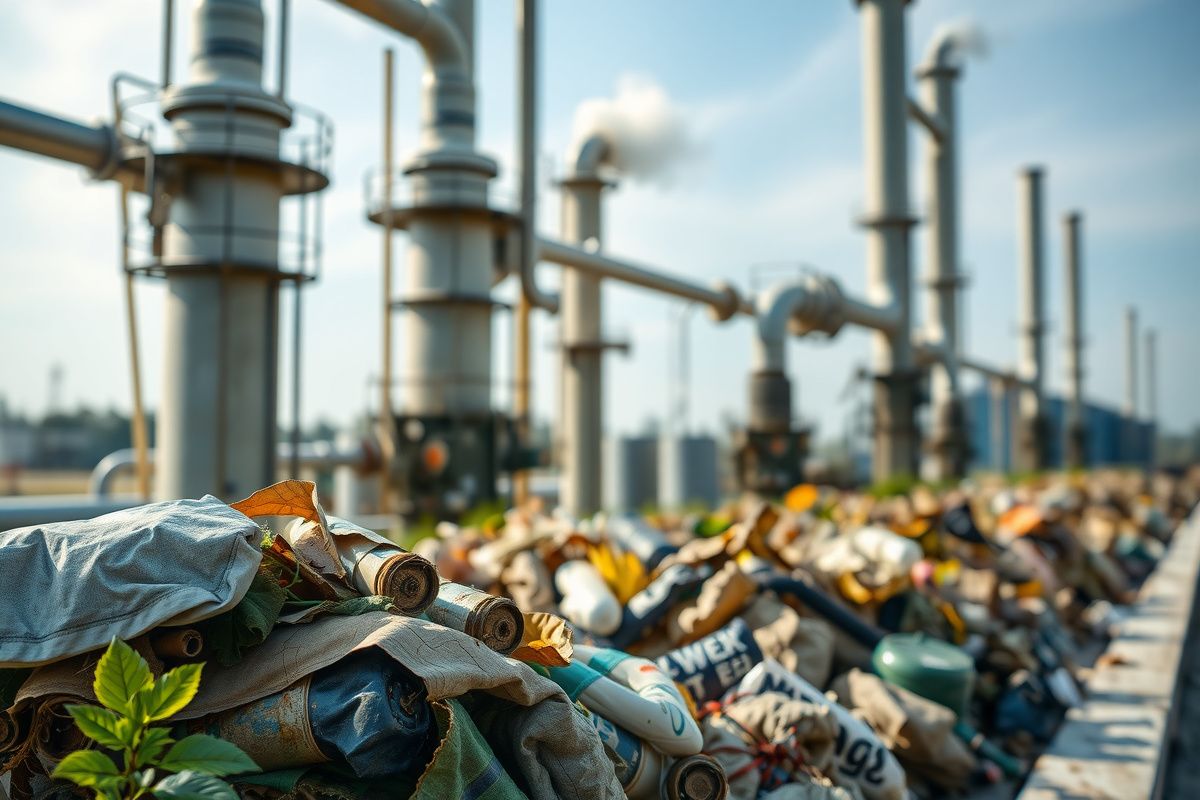
The modern world faces an urgent need to transition to stable and environmentally friendly energy sources, and in this context, the use of biomass and organic industrial waste for biofuel production is becoming particularly relevant. This approach not only reduces dependence on depleting fossil resources but also effectively addresses the problem of managing the huge volumes of organic waste generated annually by various industries. Converting this waste into valuable biofuel is a key element of the circular economy, contributing to reduced environmental pollution and the creation of new economic opportunities.
Innovative technologies for processing organic raw materials open up broad prospects for industrial enterprises, allowing them not only to minimize the ecological footprint of their activities but also to obtain additional sources of energy and income. The energy potential of biomass, which includes agricultural residues, waste from the forestry and food industries, as well as specially grown energy crops, is significant and can substantially supplement the traditional energy system. This is a strategically important direction for ensuring the country's energy security and implementing the principles of sustainable development, which is a priority for many responsible companies, including UtilVtorProm.
Methods for converting organic waste into biofuel
The conversion of biomass and organic waste into biofuel is a multifaceted process that includes a number of technological approaches, each with its own characteristics and applications. The main components of biomass are cellulose, hemicellulose, and lignin, as well as proteins, fats, and carbohydrates, which determine the choice of processing method. Among the most common methods are anaerobic digestion for biogas production, pyrolysis for bio-oil and biochar production, gasification for syngas, and transesterification for biodiesel production from vegetable oils and animal fats. Each of these processes is optimized for a specific type of raw material and desired final product.
The principle of anaerobic digestion, for example, involves the decomposition of organic substances by microorganisms in the absence of oxygen, leading to the formation of biogas, the main component of which is methane. This method is effective for processing wet organic waste, such as agricultural effluents and anaerobic liquid household waste. Pyrolysis, conversely, is the thermal decomposition of biomass at high temperatures without oxygen access, which allows for the production of liquid (bio-oil), solid (biochar), and gaseous products. Gasification converts biomass into syngas, which can be used to generate electricity or as a raw material for the chemical industry, demonstrating the versatility of approaches to alternative energy sources.
Industrial use of biofuel and its advantages
Biofuel obtained from biomass and organic waste is widely used in various industrial sectors, contributing to the diversification of the energy balance and the reduction of greenhouse gas emissions. In the energy sector, biogas and solid biofuels (pellets, briquettes) are actively used for heat and electricity production at combined heat and power plants and boiler houses, which is particularly relevant for enterprises that generate significant volumes of organic waste. Biodiesel is an effective substitute for traditional diesel fuel for transport, and bioethanol is used as an additive to gasoline or as a standalone fuel.
The use of biofuels extends not only to the energy sector but also to agriculture, where biogas can provide the energy needs of farms, and to the chemical industry, where biomass serves as a raw material for the production of bioplastics and other bioproducts. Examples of efficient equipment include modern biogas plants integrated into the production cycles of agricultural holdings, and biomass-fired boilers that provide heating and hot water to industrial facilities. This allows enterprises to optimize energy costs and enhance their environmental responsibility, similar to how the issue of alternative fuel types such as gas oil, boiler fuel, and diesel is considered, but with an emphasis on renewable sources.
Proper handling of organic waste for biofuel
Effective utilization of biomass and organic waste for biofuel production begins with their correct and environmentally safe handling. It is important to understand that not all organic waste is the same, and its classification according to the National Waste List (NWL) is mandatory to ensure proper processing. Typical industrial organic wastes that can be used for biofuel include: animal by-products unsuitable for consumption or processing – 02 01 06*, bark and wood waste – 03 01 01, and sludge from the treatment of domestic wastewater containing organic impurities – 19 08 05. Proper sorting and temporary storage are critically important stages.
UtilVtorProm provides comprehensive environmental services to enterprises, including the collection, transportation, storage, and processing of organic waste that can be used as raw material for biofuel. Our specialists ensure full compliance with all environmental norms and standards, guaranteeing safe and efficient handling of various types of waste. We understand the importance of each stage – from identification to final processing – to achieve maximum environmental and economic benefits for our clients.
Partnership with UtilVtorProm: a path to environmental efficiency
By choosing UtilVtorProm as your partner for industrial organic waste management, you receive a guarantee of a professional approach and licensed activity in the field of environmental services. Our company possesses all necessary permits and modern infrastructure to ensure a full cycle of waste management – from collection and safe transportation to qualified processing. We offer individual solutions adapted to the specific needs of each enterprise, helping to optimize processes and minimize environmental impact. Contact us today to discuss collaboration opportunities and contribute to a sustainable future by transforming waste into a valuable resource.