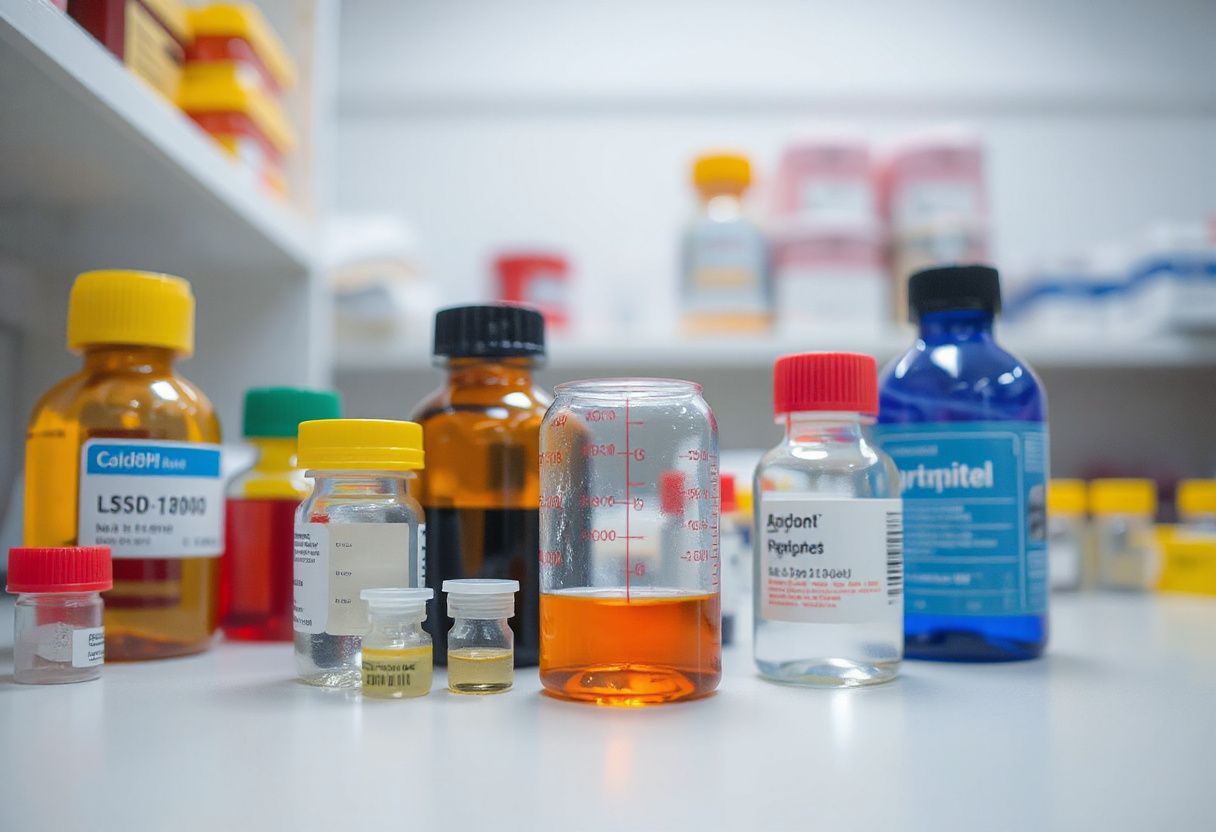
Technical reagents lose their properties due to expiration dates or violation of storage conditions. Enterprises in the chemical and pharmaceutical industries often face the problem of accumulation of such materials in warehouses. Depending on the state of the batch, these compounds begin to emit toxic vapors or change their aggregate structure. In practice, occupational safety engineers discover expired acids or polymerization initiators during scheduled audits. Hazardous residues are formed in laboratory complexes and finished goods warehouses of large plants. Storing such substances on one's own territory becomes too risky due to the threat of spontaneous combustion.
Inspection of warehouse premises most often reveals typical violations of technological regulations. Under normal conditions, personnel ignore corrosion of metal packaging and damage to sealing gaskets. Old paper labels are destroyed by time and make the identification of the contents impossible without laboratory analysis. Engineers often try to mix unknown liquids themselves, which provokes uncontrolled exothermic reactions. The elimination of the consequences of such incidents requires the involvement of specialized transport and KZ-200 brand airtight containers.
Chemical composition and classification of reagents
Expired preparations contain active compounds with various indicators of toxicity and reactivity. Organic solvents and inorganic salts of heavy metals form hazardous mixtures with high vapor pressure. Under the condition of operable equipment, laboratories determine the exact component composition using gas chromatography. The physical state of the reagents varies from crystalline hydrates to viscous resinous masses.
- Strong oxidizing agents based on permanganates and chromates
- Nitro compounds with increased explosiveness
- Toxic barium salts and cyanide compounds
- Volatile organic compounds of the first hazard class
- Water-reactive powder reagents
Thermal neutralization in rotary kilns
The main method for processing highly toxic compounds remains high-temperature incineration in furnaces with a gas cleaning system. Environmental services control the combustion process at a temperature of not less than 1200 °C for the complete destruction of stable molecular bonds. The resulting flue gases undergo multi-stage filtration through activated carbon and alkaline scrubbers. At the UtilVtorProm enterprise, the technological cycle is built on strict compliance with temperature regimes for each batch of waste.
Liquid inorganic acids and solutions are subject to neutralization in special reactors using lime milk. Solid residues are packed in 12Kh18N10T grade stainless steel drums. Storage of neutralized residues is carried out on protected sites.
NPV codes and regulatory documentation
Proper waste labeling begins with determining their origin according to the state classifier. Code 06 01 01* covers spent sulfuric and sulfurous acids with a high impurity content. For inorganic chemicals without additional description, code 16 05 06* is applied in accordance with the current classification rules. The execution of accompanying transport consignment notes takes up to 24 hours before the special transport departs.
Environmental engineers prepare hazardous waste passports based on the results of laboratory sample testing. Complete documentation is transferred to the customer of services after the completion of all stages of work.
Company specialists perform a full range of works on handling hazardous substances. Transportation and subsequent processing are based on a valid license.