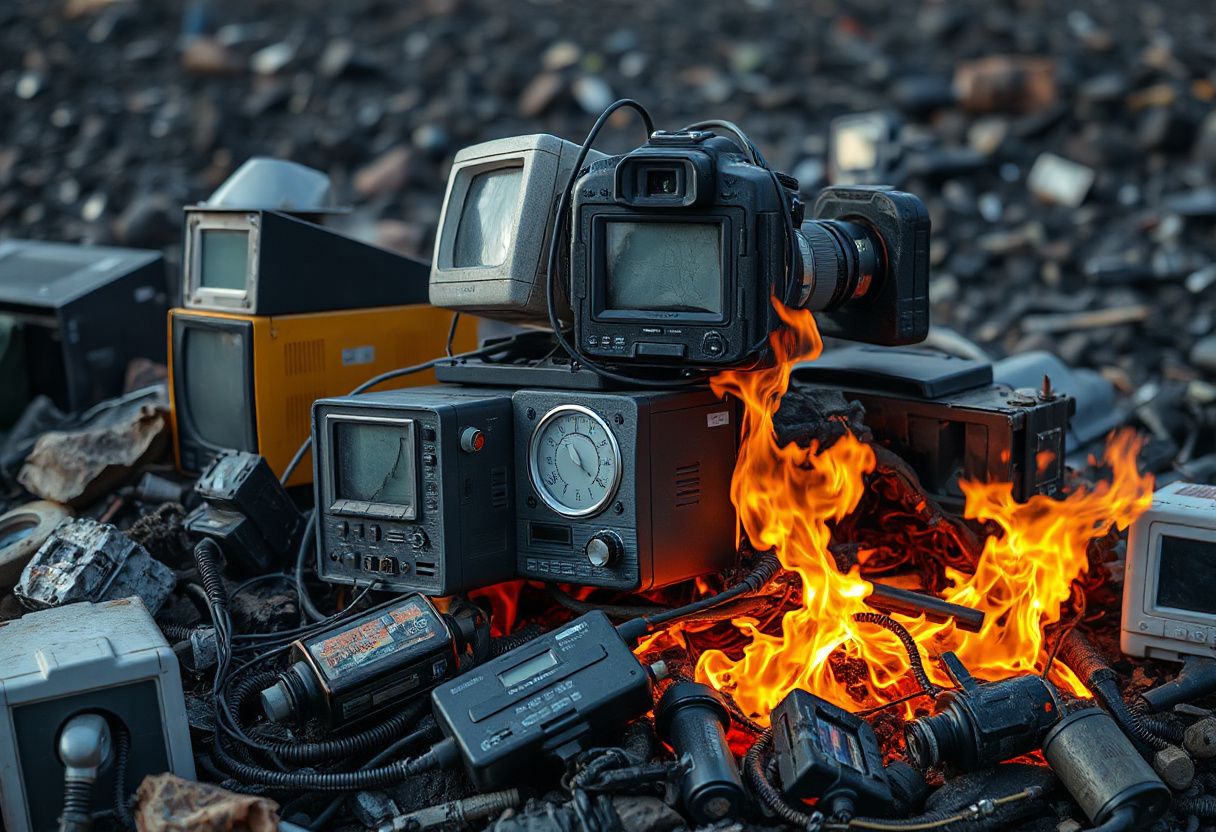
Previously, old electronic equipment accumulated in industrial landfills or was uncontrollably burned in the open. Today, the rapid development of digital technologies forces progressive enterprises to look for more rational ways of handling hazardous scrap. Modern printed circuit boards contain a significant amount of extremely valuable metals, but their high-quality extraction requires the mandatory use of complex, high-tech equipment for component separation. Safe processing of complex microcircuits requires the involvement of specialized enterprises with a high level of technical equipment and appropriate licenses. The domestic company UtilVtorProm provides a full cycle of work with such equipment, guaranteeing complete environmental safety and strict compliance with state standards.
Toxic heavy metal compounds in outdated devices can easily enter open groundwater if safety rules are ignored. Specialized processing enterprises use modern mechanical grinding methods for primary raw material purification before further thermal or chemical treatment. The resulting fine fractions of non-ferrous metals are promptly sent to metallurgical plants for remelting.
Thermal processing of boards in a furnace at a temperature of 1200 °C
The basis of most modern electronic boards is sturdy fiberglass of the widespread FR-4 grade. This resistant composite material contains a durable epoxy resin reinforced with thin strands of alkali-free glass. During thermal decomposition in special pyrolysis reactors, hazardous brominated flame-retardant impurities are usually released, which must be neutralized in afterburner chambers.
Hydrometallurgical method of gold refining
The use of concentrated nitric acid allows chemists to separate the copper substrate from the precious gold plating, which is only a few microns thick, on the boards. Is this chemical method always cost-effective? Aggressive chemical reagents require delicate handling, as the formation of toxic nitrogen oxide vapors cannot always be effectively localized without absorption columns. For processing large volumes of raw materials, industrial grinders of the UNTHA type are mostly used, which are capable of quickly turning durable textolite into a homogeneous powder. Subsequent electromagnetic separation helps to quickly separate iron from non-ferrous metal residues.
Waste management under codes 16 02 15* and 20 01 35*
Spent electronic equipment is subject to mandatory state registration according to current classification standards. Hazardous parts removed from old devices receive the official state code 16 02 15*. Household appliances containing harmful components are marked with the code 20 01 35* and require special conditions for transportation. The accumulation of such materials in open areas of enterprises is strictly prohibited due to the high risk of oxidation. Special sealed containers reliably prevent this. Large enclosed warehouses must be equipped with forced ventilation and hazardous dust collection systems, at least in practice this significantly minimizes threats.
Transportation of hazardous goods to the processing site is carried out exclusively by specialized freight transport with appropriate markings and a package of documents. Solid residues after thermal processing have a low hazard class, but still require disposal in special landfills. A modern semi-dry cleaning system guaranteed captures up to 99% of harmful volatile substances. Special technological methods make it possible to return a significant part of high-grade M1 copper and other metals to secondary industrial circulation.
Proper management of electronic waste significantly reduces the overall environmental burden on the environment. Returning valuable components to production stimulates the development of domestic non-ferrous metallurgy and industry. The licensed company UtilVtorProm offers professional services for the collection, safe transportation, and subsequent ecological processing of obsolete printed circuit boards. Experienced specialists of the enterprise will ensure the quick and correct execution of all necessary reporting documentation. Contact our representatives today. Our managers will provide a detailed consultation on the terms of long-term cooperation and help to quickly organize the process of transferring hazardous waste.