Hazardous waste
Using plasma gasification technologies for hazardous waste treatment
25.08.2026
The use of plasma gasification technologies is an effective solution for the safe and environmentally friendly processing of hazardous waste. This method allows for the complete destruction of toxic substances, converting them into inert slags and syngas, which can be used as an energy source. The application of plasma technology minimizes waste volumes and prevents the formation of harmful emissions, ensuring a sustainable approach to hazardous material management.
Development of biodegradable materials for industrial product packaging
24.08.2026
Development of Biodegradable Materials for Industrial Product Packaging Modern ecological challenges demand a transition to sustainable solutions, particularly in the field of industrial product packaging. Traditional polymeric materials used for this purpose create a significant environmental burden due to their slow degradation. This article focuses on the research and development of innovative biodegradable materials that can become an effective and environmentally safe alternative. The aim of the research is to create composite materials with improved physico-mechanical properties that meet the requirements of industrial packaging, while ensuring complete biodegradation after use. We consider various natural polymers such as starch, cellulose, and polylactide, as well as biodegradable fillers to optimize their characteristics. The results of this research will contribute to reducing plastic waste and implementing a circular economy in industry.
Economic aspects of implementing waste-free technologies at industrial enterprises
23.08.2026
The implementation of waste-free technologies in industrial enterprises is crucial for sustainable development, minimizing environmental impact and optimizing resource utilization. This involves significant initial investments, which, however, pay off through reduced costs for raw materials, waste disposal, and potential income from the sale of by-products. The economic efficiency of such initiatives is enhanced by tax incentives and access to "green" finance, which stimulates enterprises towards environmental modernization.
Impact of industrial waste on biodiversity and methods for its minimization
22.08.2026
Industrial waste significantly threatens biodiversity by polluting ecosystems and destroying natural habitats. To minimize this impact, comprehensive measures are needed, including the implementation of clean production technologies, effective waste recycling, and strict environmental monitoring. These steps will help preserve biological diversity and ensure a sustainable future.
Technologies for the Recycling and Recovery of Polymer Waste
21.08.2026
Technologies for Recycling and Recovery of Polymer Waste Effective recycling of polymer waste is a key challenge of our time, requiring the implementation of innovative technologies for its recovery. Modern methods include mechanical recycling, chemical depolymerization, and pyrolysis, which allow for the production of secondary raw materials or fuel. The development of these technologies contributes to reducing environmental pollution and preserving natural resources.
Application of Drones for Monitoring and Assessment of Industrial Pollution
20.08.2026
Drones are an effective tool for monitoring and assessing industrial pollution due to their ability to collect data in hard-to-reach areas. They allow for prompt detection of pollution sources, assessment of their scale, and tracking of changes over time, which is critically important for environmental management. The use of drones significantly increases the accuracy and speed of obtaining information necessary for making decisions on reducing negative environmental impact.
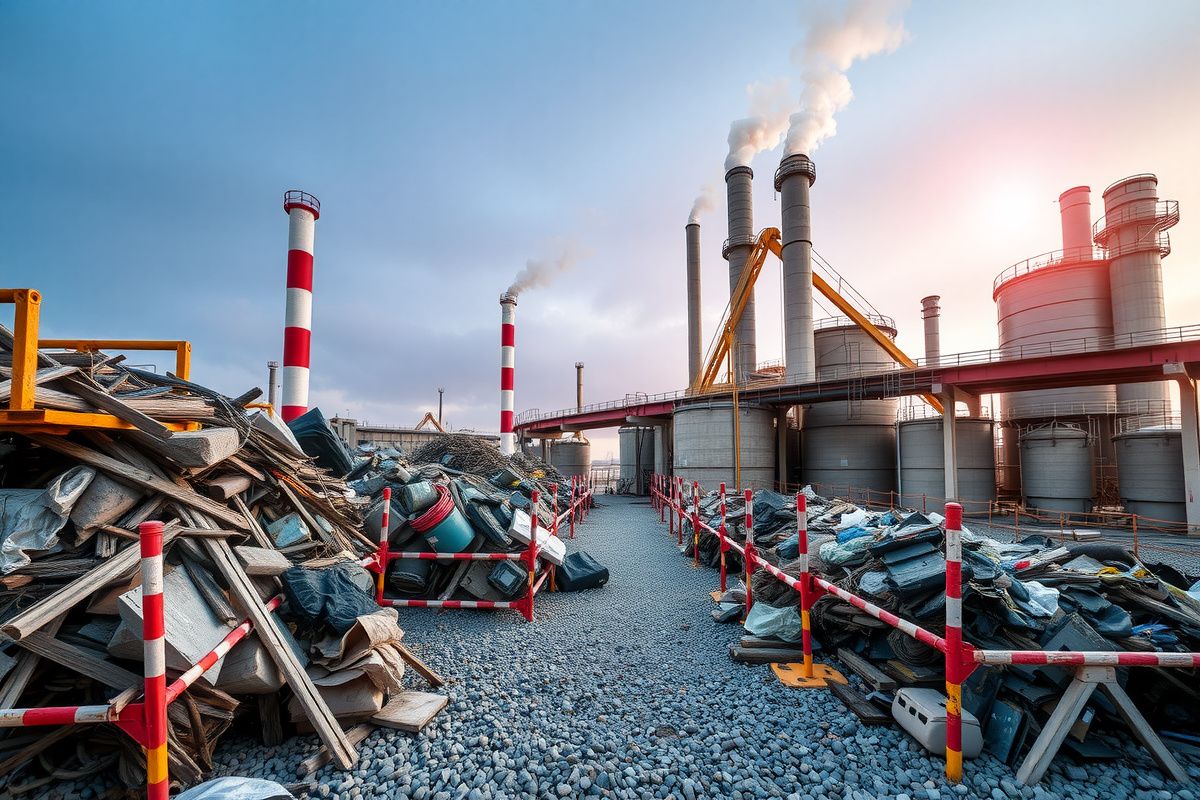
Development of new materials from industrial waste for the construction industry
19.08.2026
The development of new building materials from industrial waste is a key direction for the sustainable development of the industry. This approach allows reducing the impact on the environment and at the same time ensuring the economic efficiency of production. The use of such materials contributes to the rational use of resources and the reduction of waste landfill volumes.
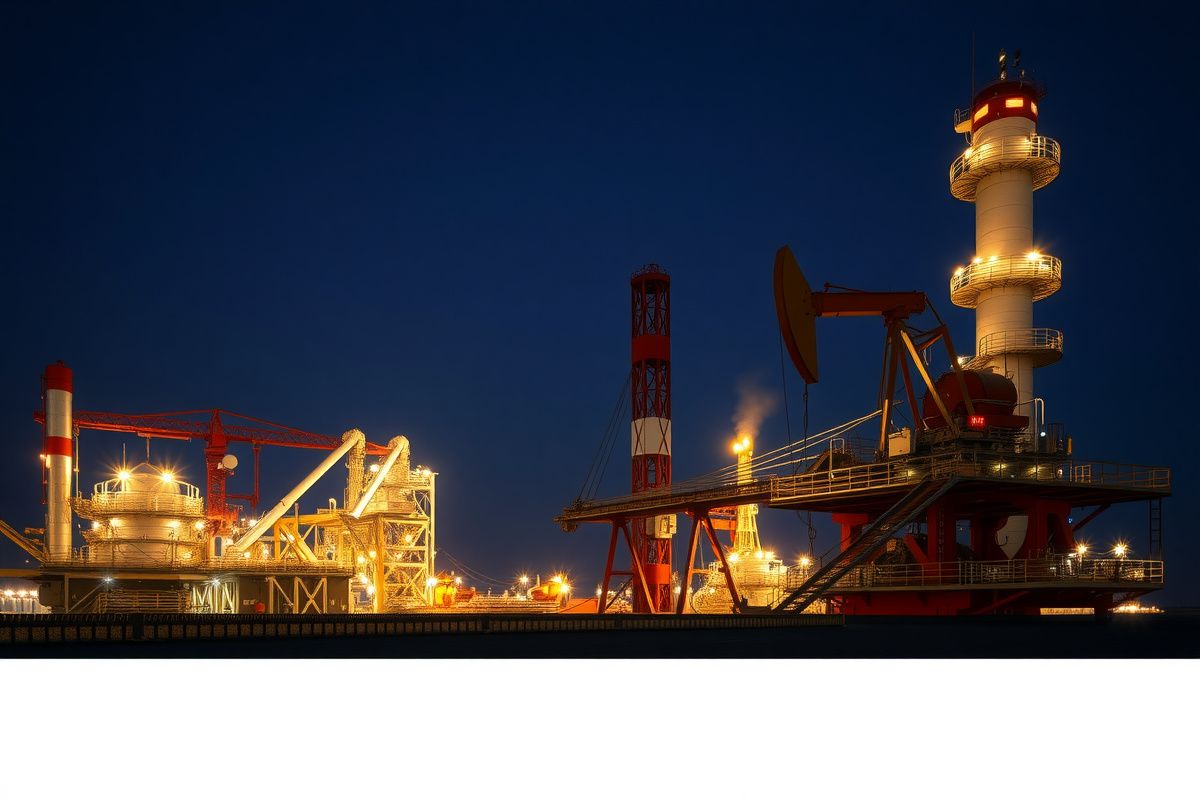
Recycling and disposal of oil and gas industry waste
18.08.2026
Recycling and disposal of oil and gas industry waste is critically important for minimizing environmental impact and preserving natural resources. This includes the use of advanced technologies for the utilization of drilling fluids, sludges, and other specific waste. Effective recycling strategies allow for the extraction of secondary raw materials and the reduction of waste volumes requiring landfilling.
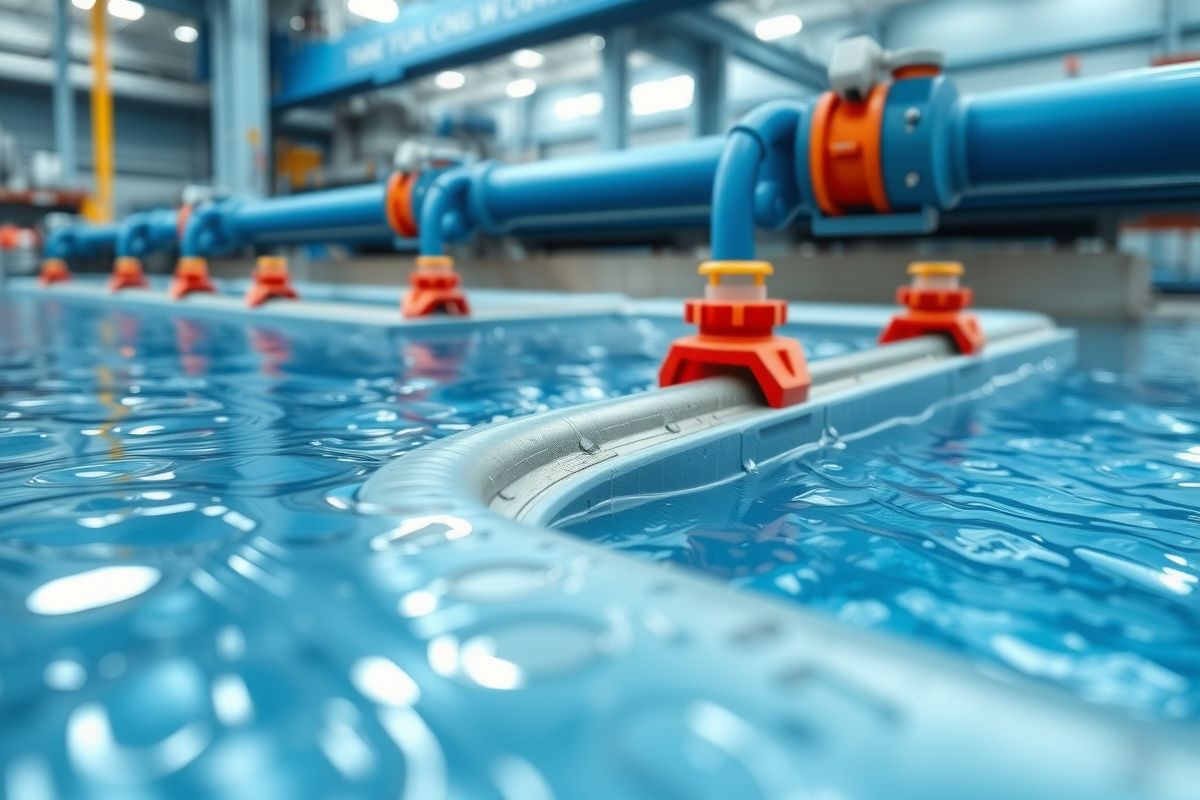
Water regeneration and reuse technologies in industrial cycles
17.08.2026
Modern technologies for water regeneration and reuse in industrial cycles are crucial for sustainable development, minimizing fresh water consumption and wastewater discharge. They encompass membrane processes, biological treatment, and chemical treatment, allowing for a high degree of purification for various industrial needs. The implementation of such systems not only reduces the environmental footprint of enterprises but also ensures significant resource savings.
Waste Search
Calculate cost?
Calculate processing cost for