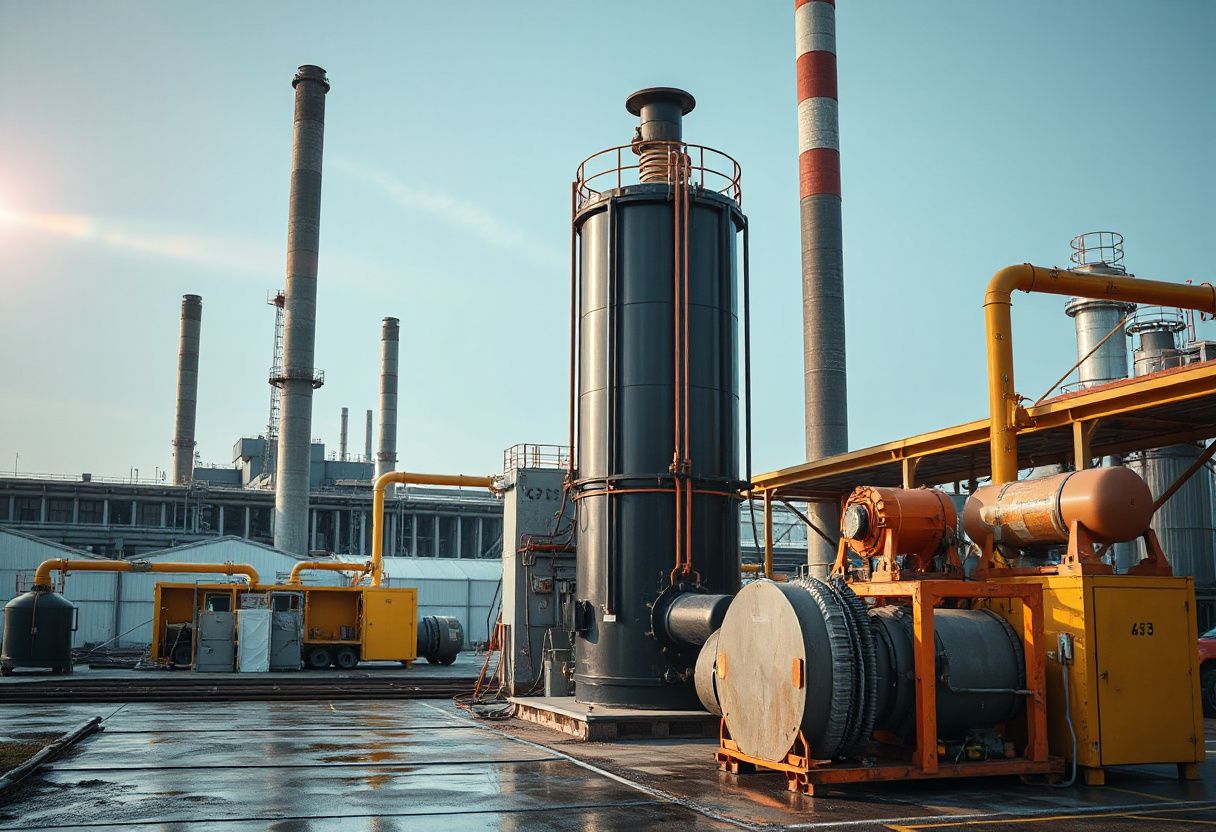
The implementation of waste-free technologies in industrial enterprises is not just a fashionable trend, but an urgent need of our time, dictated by both environmental and economic factors. Increasing pressure on the environment, depletion of natural resources, and tightening regulatory requirements are forcing businesses to seek innovative ways to optimize production processes. The economic aspects of this transition play a key role, as they determine the feasibility of investments and the potential benefits for enterprises. This is not just about reducing fines for pollution, but also about significantly lowering operating costs, increasing the efficiency of raw material and energy use, and creating new sources of income through the processing of secondary resources.
The relevance of the topic is also enhanced by the growing consumer awareness, who increasingly prefer products from companies that demonstrate a responsible attitude towards the environment. This creates additional competitive advantages for enterprises that actively implement the principles of a circular economy. In the long term, waste-free technologies form the foundation for sustainable industrial development, ensuring its stability and competitiveness in the global market. Thus, the analysis of economic advantages and challenges associated with the implementation of waste-free technologies is critically important for strategic planning and investment decision-making in the industrial sector.
Energy efficiency and resource optimization of waste-free production
Waste-free technologies are based on the principles of maximum efficient use of raw materials and energy, minimization of waste generation, and its subsequent processing into valuable products. The main principle is a closed cycle, where the waste of one process becomes raw material for another, or is converted into new materials. This is achieved through the introduction of innovative equipment, optimization of technological schemes, and the application of modern methods of recuperation and recycling. For example, heat recovery systems allow a significant part of previously lost energy to be returned to the production cycle, significantly reducing fuel and electricity consumption. The use of modern membrane technologies and sorption methods for wastewater treatment allows treated water to be returned to production, reducing fresh water consumption and discharges of contaminated wastewater.
Technical characteristics of waste-free systems include a high degree of automation, integration of various processes, and the ability to monitor key parameters in real time. This allows for quick response to changes and maintenance of optimal production conditions. The composition of such systems may include installations for mechanical, chemical, and biological waste processing, as well as equipment for the production of secondary raw materials, such as plastic granules, compost from organic waste, or synthetic fuel. The principle of operation of these technologies is based on the maximum extraction of useful components from waste and their subsequent use, which significantly increases the overall economic efficiency of the enterprise.
Application of waste-free technologies in key industries
Waste-free technologies are applied in a wide range of industrial sectors, demonstrating significant economic potential. In metallurgy, for example, systems for the utilization of metal waste and slags are being implemented. Slags, previously considered waste, are now processed into building materials or used as components for cement, which not only reduces waste volumes but also creates additional sources of income. Equipment for such processing includes crushers, magnetic separators, and granulators. In the chemical industry, technologies for recycling solvents, catalysts, and reagents are actively used, which significantly reduces the cost of purchasing new raw materials and reduces the volume of hazardous waste. Examples include installations for the regeneration of acids and alkalis used in metal pickling or surface cleaning processes.
In the food industry, waste-free approaches allow organic waste, such as fruit, vegetable, or dairy product residues, to be processed into biogas, compost, or feed additives. This not only solves the problem of disposal but also creates a valuable product. Equipment includes bioreactors, composting plants, and drying complexes. In the textile industry, technologies for recycling textile fibers for the production of new fabrics or fillers are being developed, which reduces the burden on landfills and saves natural resources. Examples include mechanical and chemical systems for processing old clothes and fabric scraps. The application of these technologies allows enterprises not only to comply with environmental standards but also to obtain significant economic benefits by reducing costs and creating new products.
Environmentally safe waste management in the context of waste-free technologies
Even with the implementation of the most modern waste-free technologies, a certain amount of waste may still be generated. It is important to understand that this waste requires qualified and environmentally safe handling. Such waste may include residues from purification processes, non-recyclable fractions, or materials that cannot be temporarily recycled due to the lack of appropriate technologies. Examples include filter materials contaminated with hazardous substances, or certain types of sludge. Waste codes according to the National Waste List (NWL) can vary depending on the industry and production specifics. For example, 15 02 02* (absorbents, filter materials, wiping cloths and protective clothing contaminated with hazardous substances), 10 01 05* (gas cleaning waste containing hazardous substances), 11 01 06* (sludges containing hazardous substances from on-site wastewater treatment). UtilVtorProm provides a full range of environmental services for enterprises, including collection, transportation, storage, and processing of all types of waste generated during production.
Our services ensure compliance with all environmental norms and legislative requirements, minimizing risks to the environment and the enterprise's reputation. We work with various categories of waste, from hazardous chemicals to industrial sludge, using modern methods and equipment for their safe handling. Even if a waste-free technology cannot completely eliminate waste generation, we guarantee that the residues will be processed with maximum responsibility, recycled, or disposed of according to the highest standards. This allows enterprises to focus on their core activities, being confident in reliable and environmentally sound waste management. By contacting UtilVtorProm, you get a reliable partner who will help you effectively manage waste, which is an integral part of any industrial process, even in the context of waste-free production.
Professional partnership with UtilVtorProm for environmental safety
UtilVtorProm is a reliable partner for industrial enterprises that seek to implement waste-free technologies and ensure the environmental safety of their production processes. We provide comprehensive waste management services, from their classification and identification to transportation, processing, and disposal. Our activities are licensed, which guarantees a high level of professionalism and compliance with all legislative requirements. We understand that each enterprise has unique needs, so we offer individual solutions developed taking into account the specifics of your activities and the type of waste. Our experts will help you optimize waste management processes, reduce environmental impact, and increase resource efficiency. Contact UtilVtorProm today to learn more about how we can help your enterprise achieve sustainable development and environmental responsibility goals.