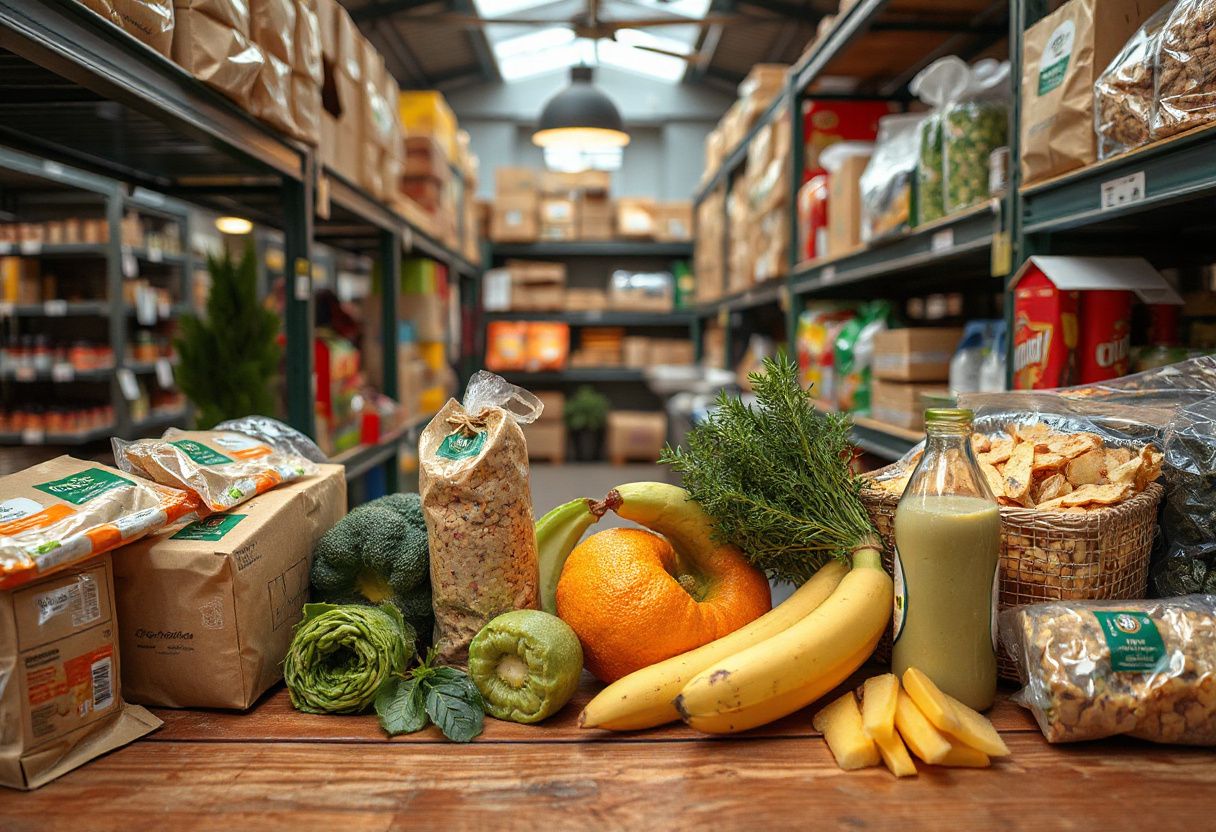
Modern industry faces an urgent need to reduce the environmental impact created by traditional packaging. The development of biodegradable materials for industrial product packaging is one of the key directions in the search for environmentally responsible solutions. These innovative materials offer a viable alternative to conventional plastics, which decompose for hundreds of years, polluting soils and water resources. Growing attention to sustainable development and responsible consumption stimulates scientists and engineers to actively research in this area.
The relevance of the topic is enhanced not only by environmental challenges but also by the economic advantages associated with the introduction of biodegradable solutions. Companies that use environmentally friendly packaging improve their image, attract conscious consumers, and meet growing regulatory requirements. This also contributes to the creation of closed production cycles, where packaging waste can be composted or recycled, returning to natural circulation. Thus, biodegradable materials are not just a trend but a necessity for the future of industry.
Advanced properties of biodegradable polymers for industrial packaging
Biodegradable materials for industrial product packaging are characterized by a unique composition that allows them to decompose under the influence of microorganisms in a natural environment. The basis of such materials is often plant-based polymers, such as polylactide (PLA), polyhydroxyalkanoates (PHA), or starch. These polymers are obtained from renewable resources, such as corn, sugarcane, potatoes, or cellulose. They can mimic the properties of traditional plastics, providing the necessary strength, elasticity, and barrier characteristics to protect products.
The technical characteristics of biodegradable polymers are constantly being improved to meet the high demands of industrial packaging. Modern developments allow for the creation of materials with high resistance to moisture, mechanical damage, and temperature changes. Some biodegradable films and containers have improved antistatic properties, which is important for packaging electronics. There are also biodegradable composites that combine a polymer base with natural fibers, such as wood cellulose or hemp, to increase strength and reduce the total amount of polymer. The principle of operation is biological decomposition, in which microorganisms convert the material into water, carbon dioxide, and biomass.
Application of innovative biodegradable materials in industry
Biodegradable materials are widely used in various industries, where they replace traditional types of packaging. For example, in the automotive industry, they are used for packaging small parts, fasteners, and for protecting sensitive components during transportation. These can be molded trays, protective films, and inserts. In the food industry, although not the main topic, biodegradable materials are also used for packaging bulk products, ready meals, and beverages, demonstrating their versatility.
In the electronics industry, biodegradable antistatic bags and protective films help prevent damage to sensitive components from electrostatic discharges. The construction industry uses biodegradable films to protect building materials from moisture and dust, as well as for temporary packaging of insulation materials. Metallurgical enterprises can use biodegradable wrappers to protect metal products from corrosion and scratches during storage and transportation. Thanks to their environmental friendliness, such solutions are becoming increasingly popular among companies striving for sustainable development and minimizing their environmental footprint.
Environmental management of biodegradable packaging waste
Waste management of biodegradable packaging materials is an important part of their life cycle. Although these materials are designed to decompose, their proper collection and recycling are still critically important to ensure maximum environmental efficiency. Biodegradable packaging waste can be classified under different codes of the National Waste List (NWL) depending on their specific composition and level of contamination. For example, clean biodegradable polymer waste that does not contain hazardous substances can be classified as 15 01 07 (Wooden packaging). However, if the packaging is contaminated with hazardous substances, such as chemicals or lubricants, it may fall under other, more specific codes, for example, 15 01 10* (Packaging containing residues of hazardous substances or contaminated with hazardous substances).
It is important to understand that not all biodegradable materials can be composted at home. Many of them require industrial composting, where optimal conditions of temperature, humidity, and microbial activity are maintained. UtilVtorProm company provides comprehensive services for the environmental maintenance of enterprises, including the collection, transportation, storage, and processing of biodegradable packaging waste. We ensure compliance with all environmental norms and standards, guaranteeing that waste will be processed properly, minimizing the negative impact on the environment.
Professional partnership with UtilVtorProm in waste management
Cooperation with UtilVtorProm company provides enterprises with full confidence in complying with all environmental requirements for waste management, including biodegradable packaging materials. We offer a professional approach to each client, developing individual solutions for the collection, transportation, and processing of waste of any complexity. Our activity is fully licensed, which guarantees compliance with all state standards and norms. By contacting UtilVtorProm, you get a reliable partner who will help your enterprise effectively manage waste, contributing to sustainable development and environmental protection. Contact us today to discuss your needs and get qualified advice.