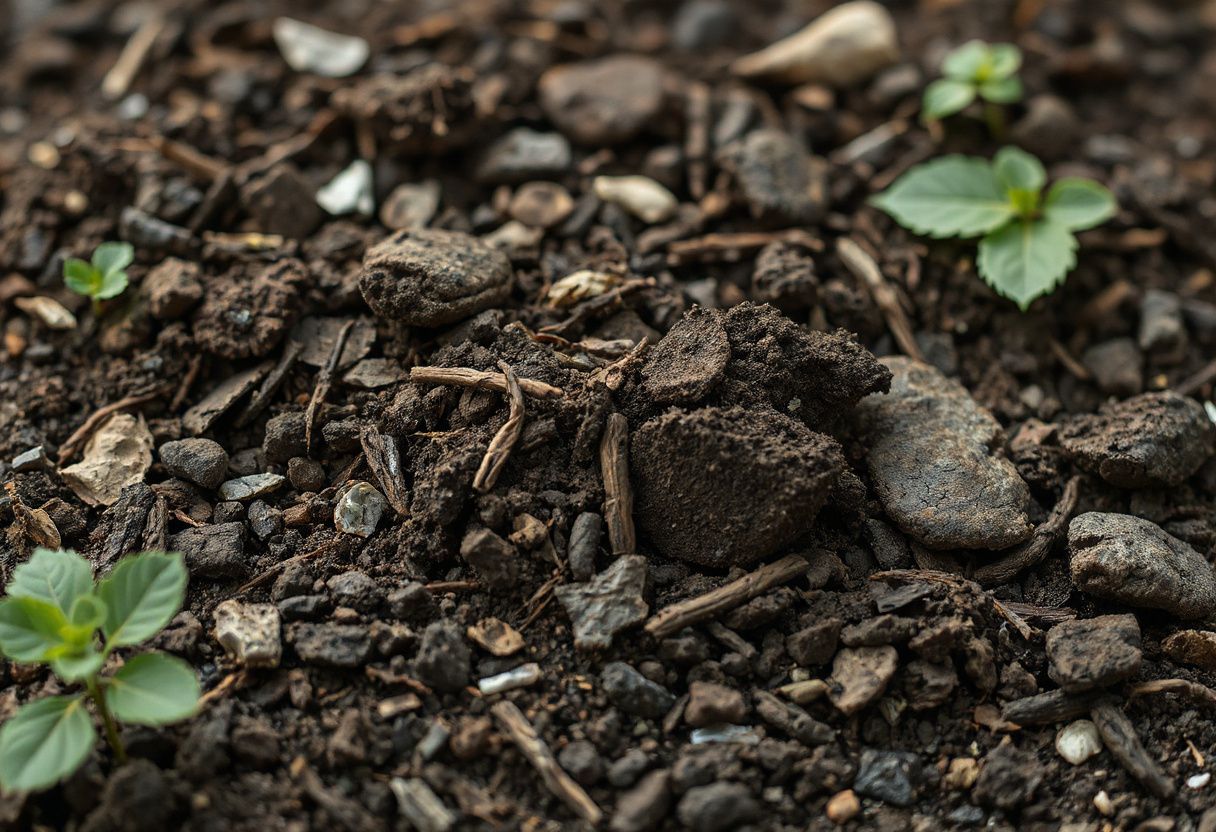
Soil pollution is one of the most acute environmental problems of our time, threatening the health of ecosystems and humans. Industrial activity, intensive agriculture, and urbanization lead to the accumulation of heavy metals, petroleum products, pesticides, and other dangerous substances in the soil. Traditional purification methods, such as physico-chemical ones, are often expensive, energy-intensive, and can create secondary pollution, so finding environmentally safe and economically viable alternatives becomes a priority. In this context, bioremediation, particularly the use of microorganisms, is gaining increasing importance as a promising and sustainable approach to restoring contaminated areas.
UtilVtorProm, being a leader in the field of environmental services for enterprises, constantly monitors and implements innovative technologies to minimize the negative impact of industrial waste on the environment. The use of microorganisms for bioremediation of contaminated soils is one such area that allows not only to purify the soil but also to restore its natural structure and functionality. This technology is a key element of a sustainable development strategy that allows industrial enterprises to meet the highest environmental standards and reduce their ecological footprint. The development and implementation of such methods are extremely relevant for Ukraine, where significant territories suffer from technogenic pollution.
Mechanisms of pollutant biodegradation by microorganisms
The use of microorganisms for soil bioremediation is based on their natural ability to decompose organic and some inorganic compounds. The principle of action of these biological agents lies in the metabolic transformation of toxic substances into less harmful or completely non-toxic products, such as water, carbon dioxide, and biomass. Microorganisms, such as bacteria, fungi, and yeasts, possess unique enzyme systems that allow them to catalyze complex biochemical reactions. They can carry out aerobic (with oxygen) and anaerobic (without oxygen) degradation of a wide range of pollutants, including petroleum products, polycyclic aromatic hydrocarbons (PAHs), pesticides, chlorinated solvents, and even some heavy metals through biosorption and biotransformation processes.
Technical characteristics of microbial preparations for bioremediation include the concentration of viable cells, the species composition of microorganisms, and their specificity to certain types of pollutants. Mixtures of microorganisms (consortia) are often used because they provide a wider range of degradation and greater resistance to changes in the environment. For example, bacteria of the genera Pseudomonas, Rhodococcus, Alcanivorax are used for the degradation of petroleum products, while fungi of the genus Phanerochaete chrysosporium are more effective for the decomposition of pesticides. The composition of the biopreparation is carefully selected depending on the type of pollution, the physico-chemical properties of the soil, and climatic conditions, which ensures maximum efficiency of the bioremediation process.
Practical application of microbial biopreparations for soil purification
The use of microorganisms for bioremediation is multifaceted and covers various industries and agriculture. One of the most common areas is the purification of soils contaminated with petroleum products in oil refineries, oil depots, gas stations, and accident spill sites. In these cases, biopreparations containing hydrocarbon-oxidizing bacteria, which actively decompose oil components, are used. Another important area is the restoration of lands contaminated with pesticides and other agrochemicals, which is especially relevant for intensively used agricultural lands. Here, microorganisms capable of degrading chemicals into harmless compounds are used, restoring soil fertility.
In addition, bioremediation is actively used to purify soils from heavy metals, although the mechanisms here differ somewhat. Microorganisms can immobilize heavy metals, converting them into less mobile and toxic forms, or promote their bioaccumulation in their biomass, which facilitates further removal. For example, some bacteria are able to reduce metal ions, such as chromium (VI) to chromium (III), which significantly reduces their toxicity. This technology is also used in the restoration of industrial areas that worked with chemicals, for example, in the chemical, metallurgical, and mining industries. UtilVtorProm provides comprehensive solutions for environmental services, including the development and implementation of individual bioremediation programs for various types of pollution.
Biomass and waste management after bioremediation
Despite the environmental safety of the bioremediation technology itself, the issue of managing microbial biomass and residual products of the process is extremely important. After the soil purification process is completed, microbial biomass, although a natural component of the ecosystem, may contain bioaccumulated pollutant residues or their metabolites. Therefore, it is necessary to ensure proper handling of this biomass and any other waste generated during or after the process. This may include collection, transportation, and further processing or safe disposal, if necessary. Waste from microbial preparations and contaminated soil residues can be classified according to the NRM as 19 08 99* (waste not otherwise specified) or 19 08 09* (waste containing hazardous substances) depending on their composition and degree of contamination. It is important that UtilVtorProm provides a full range of environmental services for enterprises, including the collection, transportation, storage, and processing of all types of waste generated during bioremediation, ensuring their safe and environmentally responsible management.
In addition, when using microbial preparations, it is important to take into account possible residues of carriers on which microorganisms were cultivated, as well as any auxiliary substances used to optimize the process. These components also require careful handling and can be classified as waste. For example, used absorbents or filtering materials that may have come into contact with biopreparations and contaminated soil must be properly identified and processed. UtilVtorProm provides a professional approach to the classification and management of all types of waste, guaranteeing compliance with all environmental norms and standards. We have the necessary licenses and experience to work with waste of any hazard category, which allows our clients to be confident in the compliance of their activities with environmental legislation.
Comprehensive solutions and partnership with UtilVtorProm for environmental safety
UtilVtorProm offers a professional and comprehensive approach to solving environmental problems related to soil pollution and waste management. Our company has many years of experience and all the necessary licenses to carry out activities for the collection, transportation, storage, processing, and safe handling of waste of various hazard classes, including those generated during bioremediation. We understand that each bioremediation project is unique, so we develop individual solutions that take into account the specifics of pollution, soil type, and legal requirements. Our team of experts is ready to provide consultations, conduct audits, and develop an optimal strategy for your enterprise, ensuring maximum efficiency and minimal impact on the environment. Contact UtilVtorProm to get a reliable partner in the field of environmental services and ensure the sustainable development of your business.