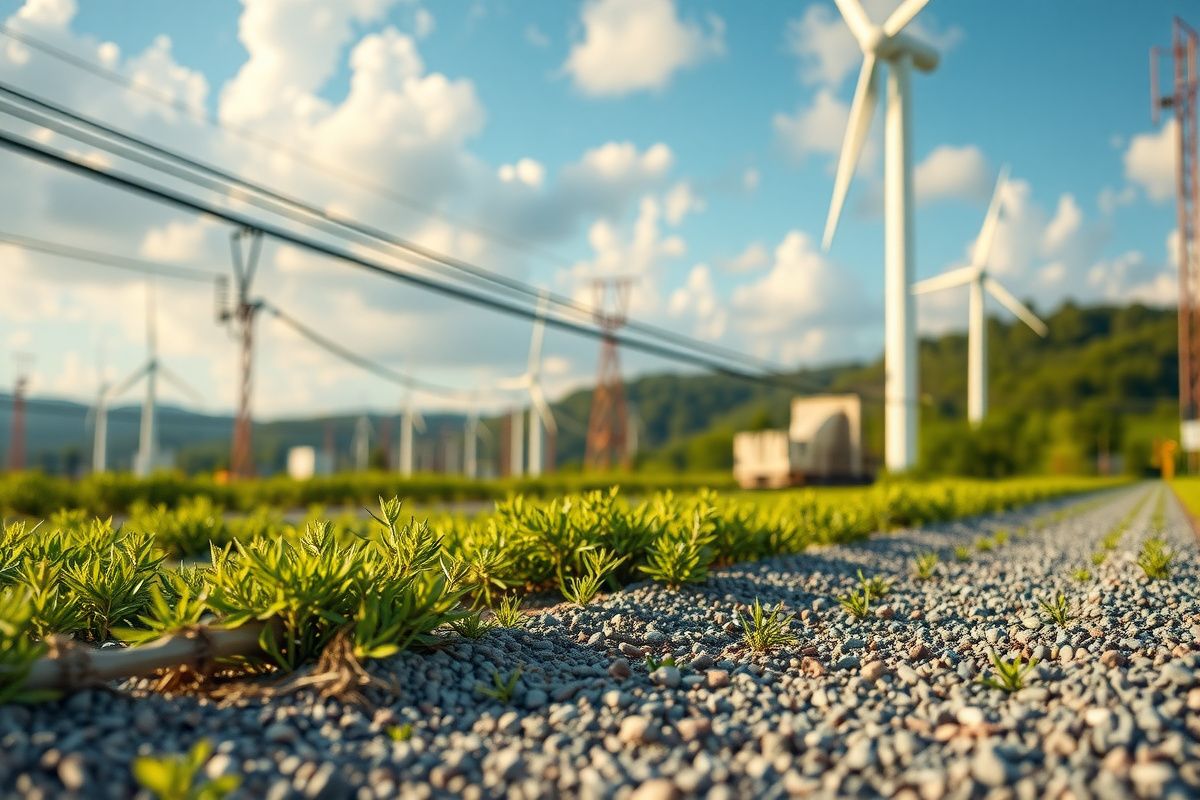
Modern energy faces a global challenge: to meet society's growing energy needs while minimizing negative environmental impact. Traditional methods of energy production, based on fossil fuels, lead to significant greenhouse gas emissions and the generation of hazardous waste that requires complex and expensive handling. This problem is particularly relevant for industrial enterprises striving for sustainable development and compliance with strict environmental regulations. The implementation of new technologies is a key factor in achieving these goals, paving the way for a cleaner and more efficient energy future.
The relevance of reducing waste emissions in energy is not limited to environmental aspects but has a deep economic and social dimension. Reducing waste volumes helps to lower costs for their storage, transportation, and processing, as well as to increase the energy efficiency of production processes. For industry, this means not only resource savings but also enhanced competitiveness in the market, improved corporate image, and attracting investments. UtilVtorProm, as a leader in industrial waste management, actively supports and analyzes these trends, offering comprehensive solutions for the environmental servicing of enterprises.
Innovative Energy Generation Methods for Waste Reduction
New technologies in energy encompass a wide range of solutions aimed at increasing efficiency and minimizing waste. One such direction is the development of renewable energy sources, such as solar power plants and wind turbines, which during operation generate virtually no harmful emissions or solid waste, unlike traditional thermal power plants. Their principle of operation is based on converting natural resources (sunlight, wind) directly into electrical energy, which eliminates fuel combustion processes and associated waste, such as ash or slag. This significantly reduces the environmental burden, contributing to the transition to a circular economy.
In addition, significant progress has been made in fossil fuel combustion technologies, particularly in the development of highly efficient boilers and gas purification systems. Modern installations allow for more complete fuel combustion, which reduces the volume of solid residues and emissions of harmful substances into the atmosphere. The operating principles of such systems include optimizing temperature and air supply, using catalytic converters, and advanced filters that capture fine particles and toxic compounds. These technologies, while not eliminating waste entirely, significantly change its composition and volume, making it less dangerous and easier to handle, which also affects the requirements for materials such as *filter materials and used absorbents*.
Practical Application of Environmentally Friendly Solutions in Energy
The implementation of new technologies is already actively taking place in various sectors of energy and industry. For example, large solar parks and wind power plants are becoming an integral part of the energy infrastructure of many countries, providing a significant share of electricity and demonstrating the advantages of clean production. In industry, especially in metallurgy and the chemical sector, where energy consumption is very high, combined heat and power generation cycles (cogeneration) are used, allowing fuel to be utilized most efficiently, reducing overall emissions. This also applies to the use of biomass and waste as fuel, converting them into energy using modern installations.
Examples of equipment include not only solar panels and wind turbines but also advanced carbon capture and storage (CCS) systems, integrated gas turbine units, and bioenergy complexes that process agricultural waste and household waste into biogas and electricity. The development of energy-saving technologies and smart grids also plays a key role, optimizing energy distribution and consumption, which indirectly reduces the need for excess production and, consequently, waste generation. This allows enterprises, similar to those requiring the handling of *lead-acid batteries* for energy storage, to significantly increase their environmental responsibility.
Environmental Management of Energy Production Residues
Despite significant achievements in waste reduction through new technologies, some types of residues are still generated and require qualified handling. Such wastes include, for example, ash and slag from solid fuel combustion, even with the use of the most modern technologies. They may contain hazardous components, so their storage and processing must comply with strict environmental standards. Typical waste codes under NPW that may be generated in the energy sector include: 10 01 01* (slags, ash and dust from coal combustion), 15 02 02* (absorbents, filter materials, wiping cloths and protective clothing contaminated with hazardous substances), and 16 06 01* (lead-acid batteries), which are wastes from energy storage systems.
UtilVtorProm provides comprehensive environmental services for enterprises, including the collection, transportation, storage, and processing of hazardous and industrial waste. We understand that even waste generated as a result of using the latest energy technologies requires a responsible approach. Our activities are aimed at minimizing negative environmental impact by implementing the best available technologies and complying with all regulatory requirements. We help enterprises effectively manage all types of waste, ensuring their safe and environmentally sound handling.
Professional Approach to Environmental Servicing with UtilVtorProm
Cooperation with UtilVtorProm is a guarantee of a professional approach and compliance with all environmental standards. Our company holds all necessary licenses and permits for waste management activities across various categories, which is critically important for energy enterprises. We offer individualized solutions developed with consideration for each client's specifics and waste type. By contacting us, you gain a reliable partner who will provide a full cycle of environmental services – from consultations to actual waste processing. Contact us today to learn more about our services and discuss how we can help your enterprise become more environmentally responsible.