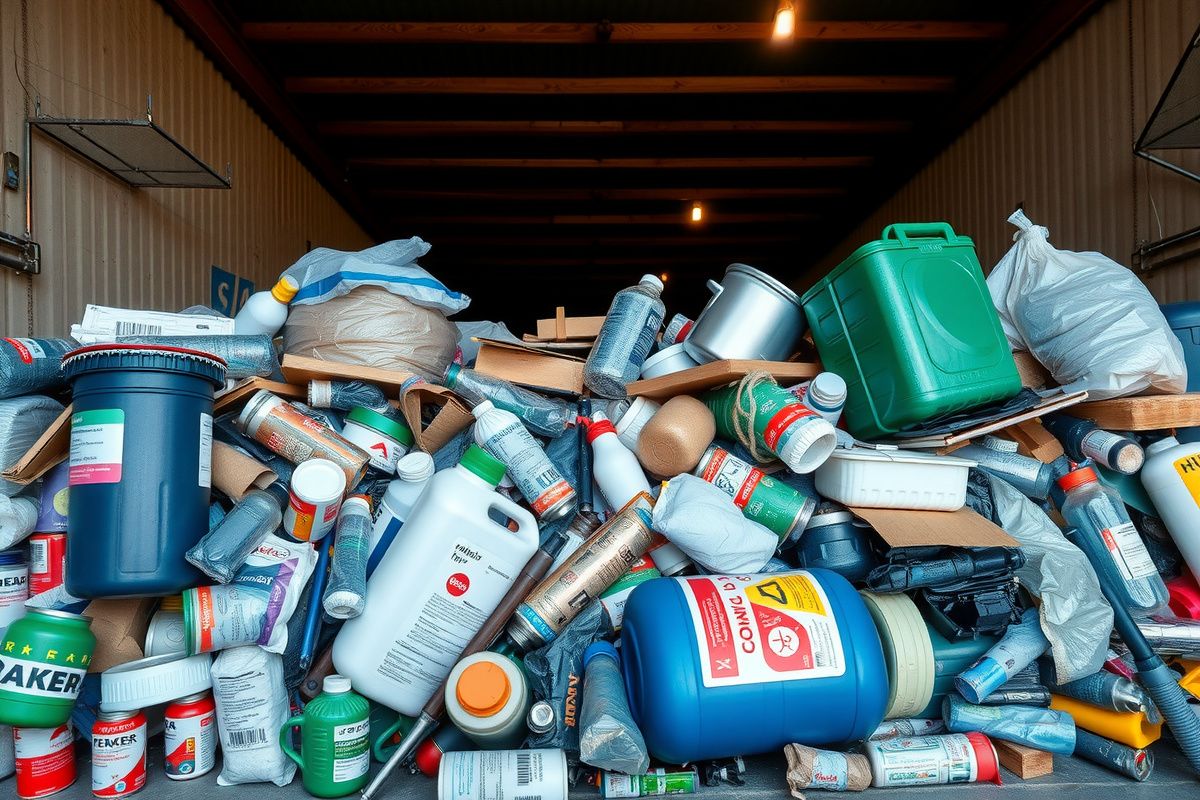
The increasing volume of medical waste is one of the most pressing environmental and sanitary problems of our time, requiring immediate and comprehensive solutions. Hospitals, polyclinics, laboratories, and pharmaceutical enterprises daily generate a significant amount of waste, much of which is classified as hazardous due to potential infectious, chemical, or radiation threats. Improper handling of such materials can lead to environmental pollution, the spread of infectious diseases, and risks to public health. That is why the implementation of effective technologies for the disposal and recycling of medical waste is a critically important task for ensuring sustainable development and societal safety.
The urgency of this topic is also amplified by growing awareness of environmental responsibility and the strengthening of the regulatory framework in the field of hazardous waste management. Enterprises operating in the medical industry face the need to comply with strict standards and requirements for the collection, transportation, treatment, and final disposal of waste. Such challenges, for example, are similar to those discussed in the article "Batteries and Accumulators as Hazardous Waste: Effective Management for Environmental Protection," which also emphasizes the importance of a comprehensive approach to hazardous materials management. Professional environmental services provided by UtssylVtorProm allow enterprises to effectively address these challenges, ensuring safety and compliance with all regulations.
Innovative Methods of Thermal and Non-Thermal Medical Waste Treatment
Modern technologies for medical waste disposal and recycling are based on the principles of maximum destruction of pathogenic microflora, reduction of waste volume, and minimization of negative environmental impact. The main methods include thermal and non-thermal processes. Thermal methods, such as incineration in high-temperature incinerators, ensure complete destruction of infectious agents and a significant reduction in waste volume to ash. Pyrolysis and gasification are more environmentally friendly alternatives, as they allow organic waste components to be converted into synthesis gas or liquid fuel, reducing harmful emissions into the atmosphere.
Non-thermal technologies include autoclaving, microwave disinfection, and chemical treatment. Autoclaving involves treating waste with steam under high pressure, which effectively sterilizes it, making it safe for further processing or disposal. Microwave systems use microwave energy to heat and disinfect waste, often in combination with shredding. Chemical disinfection is used for treating liquid medical waste, employing special reagents to destroy microorganisms. Each of these technologies has its technical characteristics, requirements for waste composition, and a specific principle of action, allowing for the selection of an optimal solution for different types of medical materials.
Comprehensive Solutions for Medical Waste Treatment in Healthcare Facilities
The application of advanced technologies in medical waste management is an integral part of the functioning of modern healthcare institutions, diagnostic centers, and research laboratories. For example, large hospitals often install complex systems that combine shredding, autoclaving, and pressing to neutralize infectious Class B waste. This allows not only for safe disinfection of waste but also significantly reduces its volume, simplifying subsequent transportation and storage. Pharmaceutical companies, in turn, use specialized incinerators for highly effective disposal of expired medicines and production waste containing hazardous chemical substances.
Effective medical waste management solutions also find application in veterinary medicine and biological research, where potentially hazardous biological materials are also generated. An example is specialized equipment for handling cytotoxic and cytostatic drugs, as detailed in the article "Safe Handling of Cytotoxic and Cytostatic Drugs: An Ecological Approach." These technologies ensure complete destruction of active components and minimize risks to personnel and the environment. A comprehensive approach to equipment and technology selection allows for adapting waste management systems to the specific needs of each enterprise, ensuring maximum efficiency and environmental safety.
Regulated Handling of Hazardous Medical Waste
Proper management of medical waste is not only a matter of environmental responsibility but is also strictly regulated by national legislation and international standards. An important stage is the classification of waste and its labeling in accordance with the National Waste List (NWL). Among medical waste, special attention is paid to hazardous categories that require special methods of collection, transportation, and treatment. Examples of such waste include: infectious waste, marked with NWL code **18 01 03***; chemical substances containing hazardous components, corresponding to code **18 01 06***; and cytotoxic and cytostatic drugs, which are classified as **18 01 08***.
For these categories of waste, strict control is necessary at all stages of the life cycle – from the point of generation to final processing or disposal. UtssylVtorProm provides a full range of environmental services for enterprises, including the collection, transportation, temporary storage, and processing of medical waste in accordance with all regulatory requirements. This guarantees that hazardous materials will be handled professionally, using appropriate technologies, preventing any risks to human health and the environment. Compliance with these norms is a prerequisite for the safe and legal operation of any medical facility.
Partnership with UtssylVtorProm: Guarantee of Effective Medical Waste Management
Choosing a reliable partner for medical waste management is a key aspect for every enterprise in the medical sector. UtssylVtorProm offers a professional approach and licensed activities in the collection, transportation, storage, and processing of various categories of waste, including all types of medical waste. Our specialists ensure full compliance with environmental norms and safety standards, using advanced technologies and equipment. We understand the unique challenges associated with medical waste and offer customized solutions that meet the specific needs of each client. By contacting UtssylVtorProm, you receive a guarantee of quality service, environmental safety, and compliance with all legal requirements, allowing your enterprise to focus on its core activities, confident in reliable waste management. Contact us today to discuss your medical waste management needs.