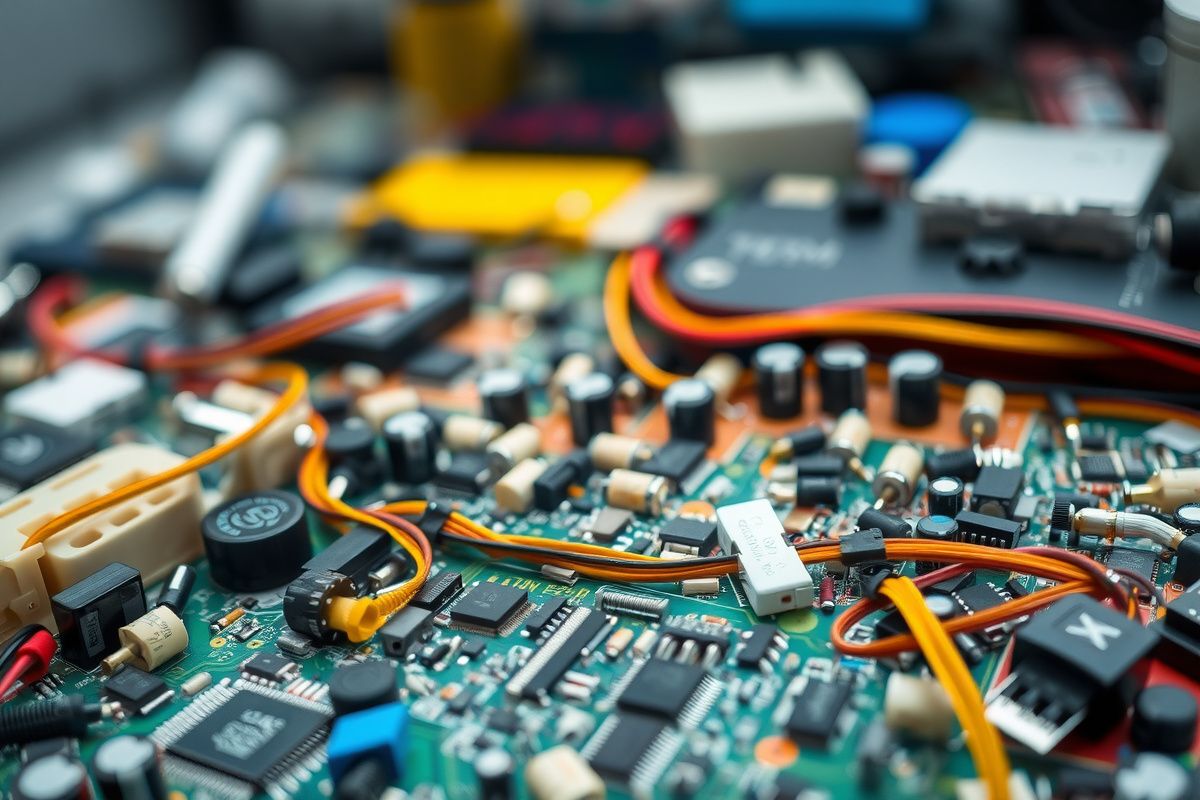
The modern world is rapidly developing thanks to electronic technologies, leading to a constant increase in the volume of spent electronic components. These wastes, known as electronic scrap or e-waste, contain a significant amount of valuable metals such as gold, silver, platinum, palladium, copper, and rare earth elements. Extracting these metals not only reduces the need for primary raw material extraction, which is a resource-intensive and environmentally harmful process, but also contributes to a circular economy, reducing the burden on the environment and creating new economic opportunities. The relevance of this topic for the industry in Ukraine and the world is growing every year, as the volume of e-waste continues to increase, and prices for precious metals remain high.
UtilVtorProm actively researches and implements the latest approaches in waste management, particularly in the extraction of valuable metals from spent electronics. The development of effective technologies is crucial for ensuring sustainable development and preserving natural resources for future generations. Investments in research and development in this area are strategically important for achieving environmental safety and economic benefits. The implementation of advanced methods not only allows for the recovery of valuable materials but also reduces the volume of toxic waste that can harm the environment.
Modern Methods of Recycling Precious Metals from Electronic Scrap
Technologies for extracting valuable metals from spent electronic components are based on complex physicochemical processes that allow separating valuable components from other materials. Key methods include pyrometallurgical, hydrometallurgical, and biometallurgical approaches. Pyrometallurgical processes involve high-temperature treatment, during which metals melt and are then separated by differences in melting temperature and density. This method is effective for large volumes but can require significant energy consumption and result in emissions of harmful substances. Hydrometallurgical methods use chemical solutions (acids, alkalis, cyanides) to leach metals, which are then precipitated or electrolytically separated. These processes are more precise and less energy-intensive but require careful control of chemical reagents and their subsequent handling.
Biotechnological methods, which involve the use of microorganisms for metal extraction, are a promising developing area. They are considered more environmentally friendly as they use biological agents instead of aggressive chemicals. In addition to these main approaches, there are also mechanical methods, such as crushing, density separation, magnetic, and electrostatic separation, which are used for preliminary component separation. A combination of these methods allows for maximum efficiency in metal extraction and ensures high purity of the obtained products. For example, mechanical processing often precedes chemical treatment to increase the contact area for reagents.
Application of Valuable Metal Regeneration Technologies on an Industrial Scale
Technologies for extracting valuable metals are widely used in various industries. For example, in the electronics and telecommunications sector, where large volumes of spent circuit boards, microchips, cables, and other components are constantly generated. Specialized enterprises use automated lines for dismantling and preliminary sorting of electronic scrap, after which the materials are sent for further processing using pyro- or hydrometallurgical processes. Examples of equipment include induction furnaces for melting, electrolytic baths for metal deposition, and filtration and purification systems to minimize emissions. These technologies allow for the recycling of gold, silver, copper, nickel, and other metals, which are then used in the production of new electronic devices.
In addition to electronics, these technologies are used in the jewelry industry for processing spent catalysts containing platinum and palladium, and in dentistry for extracting precious metals from dental scrap. Metallurgical plants also implement these methods for processing industrial waste containing valuable metals, thereby reducing dependence on imports and improving the environmental performance of production. Companies specializing in the recycling of automotive catalysts also actively use these technologies to extract platinum, palladium, and rhodium, which are key components for reducing harmful vehicle emissions. The development of these technologies creates new opportunities for innovation and economic growth.
Ecological Waste Management After Valuable Metal Extraction
After valuable metals are extracted from electronic components, waste remains that requires proper handling to prevent environmental pollution. These wastes may contain residues of hazardous substances such as lead, cadmium, mercury, brominated flame retardants, and other toxic compounds. It is important to ensure their correct classification and subsequent processing or safe disposal. Waste codes according to the National Waste List (NWL) for such materials may include: 16 02 13* (spent equipment containing hazardous components), 19 02 04* (hazardous waste from physicochemical treatments), 11 01 07* (waste containing hazardous substances from non-ferrous metal treatment processes). UtilVtorProm provides environmental services to enterprises, ensuring the collection, transportation, storage, and processing of such waste in accordance with all environmental norms and standards.
Effective management of these wastes includes their stabilization, neutralization, and, if possible, further processing to extract other useful components or reduce their toxicity. For example, non-metallic fractions can be used as secondary raw materials in the construction industry or for energy production. UtilVtorProm has all the necessary licenses and permits to work with hazardous waste, guaranteeing environmental safety at all stages of handling. We help enterprises comply with legal requirements, minimize environmental risks, and promote sustainable development. Our experience and technological capabilities allow us to effectively manage even the most complex types of industrial waste.
Reliable Partner in Industrial Waste Management — UtilVtorProm
UtilVtorProm is a leading specialist in integrated industrial waste management, including electronic component waste. We offer a professional approach to each client, developing individual solutions for the collection, transportation, storage, and processing of waste containing valuable metals. Our activities are licensed, which guarantees full compliance with all requirements of current legislation and international environmental safety standards. We strive to ensure that every stage of waste management is as efficient and environmentally safe as possible. If your enterprise needs a reliable partner for managing spent electronic component waste and extracting valuable metals, contact us. We are ready to provide comprehensive consultation and develop an optimal cooperation plan that meets your needs and contributes to the preservation of natural resources.