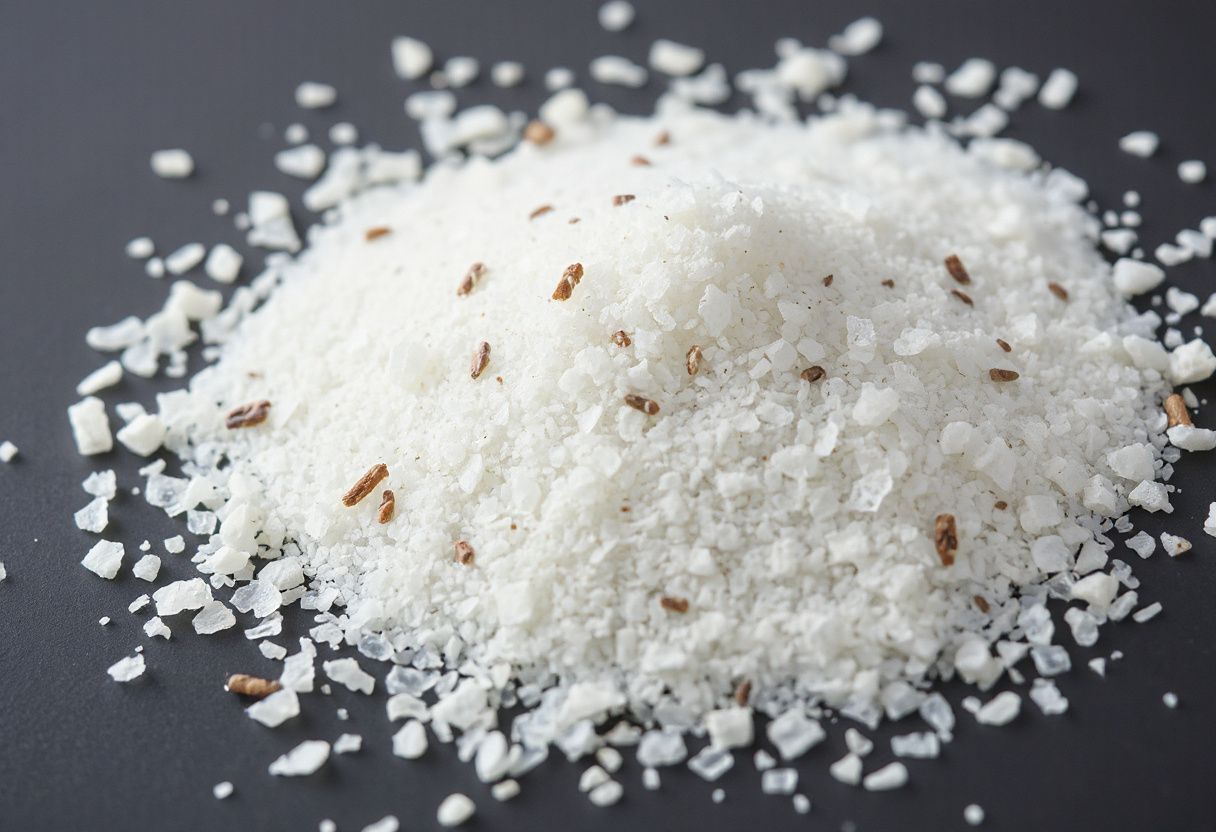
Spent ion-exchange resins are granular polymeric materials that have lost their ability to effectively purify water. They accumulate hazardous chemical compounds. By their structure, these polymers typically consist of a polystyrene matrix cross-linked with divinylbenzene and contain active functional groups. The accumulation of such filtered substances makes the loading hazardous for regular landfill disposal.
Thermal destruction of polymers at a temperature of 1200 °C
During prolonged operation in water treatment plants, resins undergo mechanical destruction, chemical poisoning by organics, and the ultimate loss of working capacity. The structure of the sorbents undergoes irreversible changes. Unlike conventional BAU-A grade activated carbon, these sulfonated copolymers cannot simply be regenerated by washing with standard acid or alkali solutions. They contain a significant amount of bound water that evaporates upon heating, which requires preliminary drying before thermal treatment. Incineration of the dry residue is performed in special furnaces at high temperatures.
Operation of sorption columns at thermal power plants
The largest volumes of such specific waste are generated by combined heat and power plants and large chemical complexes. Powerful block desalination plants for the deep purification of high-pressure boiler feed water operate there. Strongly acidic cation exchangers and strongly basic anion exchangers are used in these processes, which, upon exhausting their resource, are subject to mandatory unloading and subsequent processing. Is it safe to leave such wet loads in open-air storage areas of the enterprise? Due to the leaching of regeneration solution residues by atmospheric precipitation, there is a real threat of chemical contamination of surrounding soils and underground aquifers.
Waste classification under codes 19 09 05 and 06 05 02*
The new national list clearly demarcates various categories of spent filter materials depending on the sphere of their direct practical application. At the same time, strict accounting rules apply. For example, water treatment resins saturated with harmful ions are classified under category 19 09 05, which covers saturated or spent ion-exchange resins. Meanwhile, hazardous sludges from the regeneration and washing of purification systems are marked with code 06 05 02*, indicating the content of toxic compounds.
M400 cement mortar solidification method
For the safe handling of such polymers, technologists use several time-tested methods. The first approach involves the complete thermal destruction of the organic matrix in special incinerators. Where this is impossible due to the high concentration of toxic heavy metal salts, encapsulation or cementation technology is applied. Mixing with cement turns mobile granules into monolithic blocks for subsequent safe storage.
Compliance with licensing control requirements
To carry out any operations with hazardous chemical waste, it is necessary to strictly comply with environmental standards and have the appropriate permitting documents. The specialized enterprise UtilVtorProm provides a full range of works on the accumulation, transportation in sealed transport, and environmentally safe processing of such polymeric materials. All logistic operations are performed exclusively in special containers preventing the leakage of toxic moisture.
Laboratory analysis of sorbent residues prior to removal
Before starting the work, the exact chemical composition of the saturated polymer load is mandatory determined. Laboratory studies show the toxicity level and the presence of radioactive or explosive substances. Based on the obtained analyzes, engineers select the optimal method for neutralizing active functional groups prior to the thermal destruction of the material. Such preparation minimizes the release of harmful gases during the high-temperature incineration process. Thanks to flue gas purification in modern scrubbers, full compliance of atmospheric emissions with established state environmental standards is guaranteed. The ash obtained after incineration is mixed with binders to form a stable matrix that is insoluble in water.
Ordering the transfer of spent filters
To begin the process of safe management of this waste, the enterprise needs to conduct an inventory of all accumulated volumes in warehouses. After that, one should order official maintenance from the company UtilVtorProm, which has the appropriate licenses and technical base for carrying out the work. During the transfer of waste, the parties must sign acceptance certificates and draw up complete environmental reporting. Timely conclusion of a processing agreement prevents fines from state environmental supervision authorities for violation of accumulation rules.