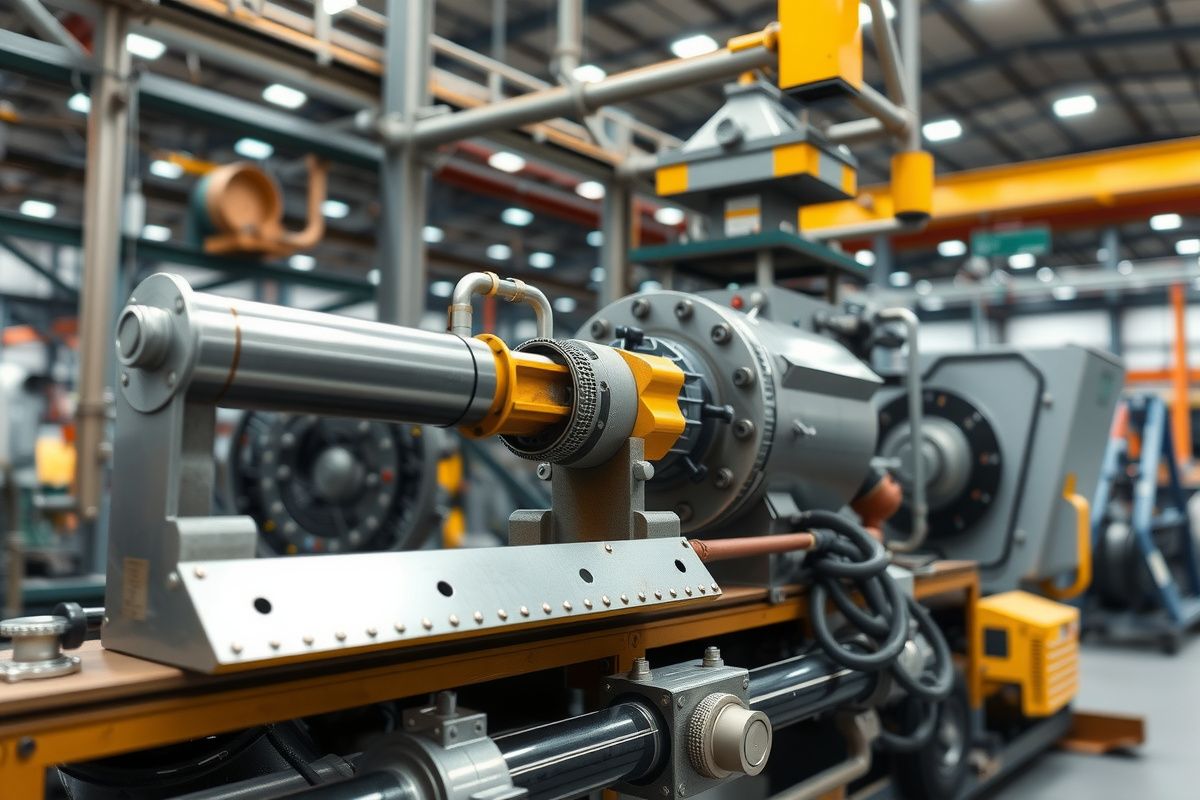
Modern mechanical engineering is one of the key sectors of the global economy, constantly developing and implementing new technologies. However, this progress is inextricably linked to the generation of a significant amount of waste, among which hazardous waste occupies a special place. Improper handling of such waste poses a serious threat to the environment, human health, and can lead to significant financial and reputational losses for enterprises. That is why the issue of implementing modern and effective methods for handling hazardous waste becomes extremely relevant in the context of growing environmental awareness and strengthening legislative requirements. Environmental responsibility is becoming an integral part of the successful strategy of any production complex.
Ensuring environmental safety at mechanical engineering enterprises requires a comprehensive approach that includes not only minimizing waste generation but also its proper collection, transportation, storage, and processing. In the conditions of rapid technological development, companies are constantly looking for innovative solutions to optimize these processes, reduce negative impact on nature, and comply with international standards. UtilVtorProm provides professional environmental services, helping mechanical engineering enterprises effectively manage their waste, ensuring full compliance with all norms and requirements. We understand that every stage of hazardous waste management must be carefully planned and executed to guarantee safety and sustainability.
Chemical Composition and Potential Hazard of Mechanical Engineering Waste
Mechanical engineering waste is characterized by an extremely diverse chemical composition, due to the wide range of materials and technological processes used. The most common hazardous wastes include spent cutting fluids (lubricant-cooling liquids), hydraulic and engine oils, solvents, paints and varnishes, sludge from galvanic productions, as well as contaminated wiping materials and filters. This waste often contains heavy metals, petroleum products, organic compounds, and other toxic components that can be carcinogenic, mutagenic, or teratogenic. For example, spent engine oils, similar to "Alternative fuel types: gas oil, boiler and diesel," can contain polycyclic aromatic hydrocarbons, which pose a significant threat when entering soil or water. Proper determination of the chemical composition is the first step towards safe handling of them.
The principle of operation of many production processes in mechanical engineering, such as metalworking, grinding, painting, leads to the formation of highly hazardous waste. For example, emulsions and solutions for machine processing, especially those containing halogens, can be extremely toxic. These substances, upon contact with water or air, can release dangerous vapors or form persistent pollutants. Sludge from electroplating baths, containing chromium, nickel, zinc, and other metals, also requires a special approach due to its high toxicity. Ignoring these properties can lead to irreversible environmental consequences. A high concentration of hazardous substances requires the application of specialized methods for their neutralization, which is critically important for environmental preservation.
Innovative Technologies for Waste Processing and Resource Recovery
Modern methods of hazardous waste management in mechanical engineering focus on maximizing the extraction of valuable components and minimizing the volume of waste subject to final disposal. Among innovative approaches, physico-chemical methods such as coagulation, flocculation, membrane filtration, and ion exchange are distinguished, which allow separating heavy metals and other pollutants from aqueous solutions. Thermal methods, including pyrolysis and gasification, are used for processing organic waste, such as spent oils and solvents, with the possibility of obtaining energy or secondary products. For example, the regeneration of spent oils allows them to be returned to the production cycle, which is a significant step towards a circular economy and reduces the need for primary resources.
In addition to traditional methods, biological technologies are actively developing, for example, biodegradation of organic pollutants in wastewater and sludge, which allows converting toxic substances into safer compounds. The implementation of recycling technologies for wastes such as "Lead-acid batteries" is also of great importance, where the recovery of lead and other metals is economically viable and environmentally justified. The application of these technologies not only reduces the environmental burden but also provides additional economic benefits by returning resources to production. The constant search for new solutions is a priority for responsible enterprises striving for sustainable development and minimizing their impact on the environment.
Effective Management of Hazardous Mechanical Engineering Waste and its Classification
Proper management of hazardous mechanical engineering waste begins with its accurate identification and classification in accordance with current legislation, particularly the National Waste List (NWL). This allows determining the necessary safety measures during collection, transportation, and storage, as well as choosing the most optimal processing method. Typical hazardous waste in the mechanical engineering industry includes spent oils, which can be classified as 13 02 05* (spent mineral engine, gear, and lubricating oils) or 13 02 06* (synthetic engine, gear, and lubricating oils). A significant category also includes contaminated wiping materials, filters, and protective clothing, which fall under code 15 02 02*. These materials, not covered by other codes, require special attention due to the high concentration of toxic substances. UtilVtorProm provides environmental services to enterprises, ensuring the correct determination of waste categories.
According to the classification, an individual waste management scheme is developed for each type of hazardous waste. This includes specialized containers for collection, safe labeling, adherence to temporary storage conditions that prevent leaks and environmental pollution, and the use of licensed transport for transportation. For example, for waste from electroplating production, which often contains heavy metal salts, hermetic containers and special transportation conditions are required. Equally important is the documentation of all stages of waste management, which ensures transparency and compliance with regulatory requirements. The comprehensive approach to hazardous waste management offered by UtilVtorProm guarantees environmental safety at all stages. Our experience allows us to effectively solve the most complex tasks in this area, ensuring full compliance with regulatory acts.
Partnership with UtilVtorProm for Comprehensive Environmental Services
By choosing UtilVtorProm as a partner for hazardous mechanical engineering waste management, enterprises gain access to a professional approach and a full range of services that meet the highest environmental standards. Our company possesses all the necessary licenses and permits for the collection, transportation, storage, and processing of a wide range of hazardous waste. We provide an individual approach to each client, developing optimal solutions taking into account the specifics of production and the type of waste. Our team of qualified specialists guarantees strict adherence to legislative norms and environmental requirements at all stages of cooperation. Contact UtilVtorProm today to get a consultation and start effective and safe hazardous waste management for your enterprise. We are ready to become your reliable partner in ensuring environmental safety and sustainability, offering proven and effective solutions.