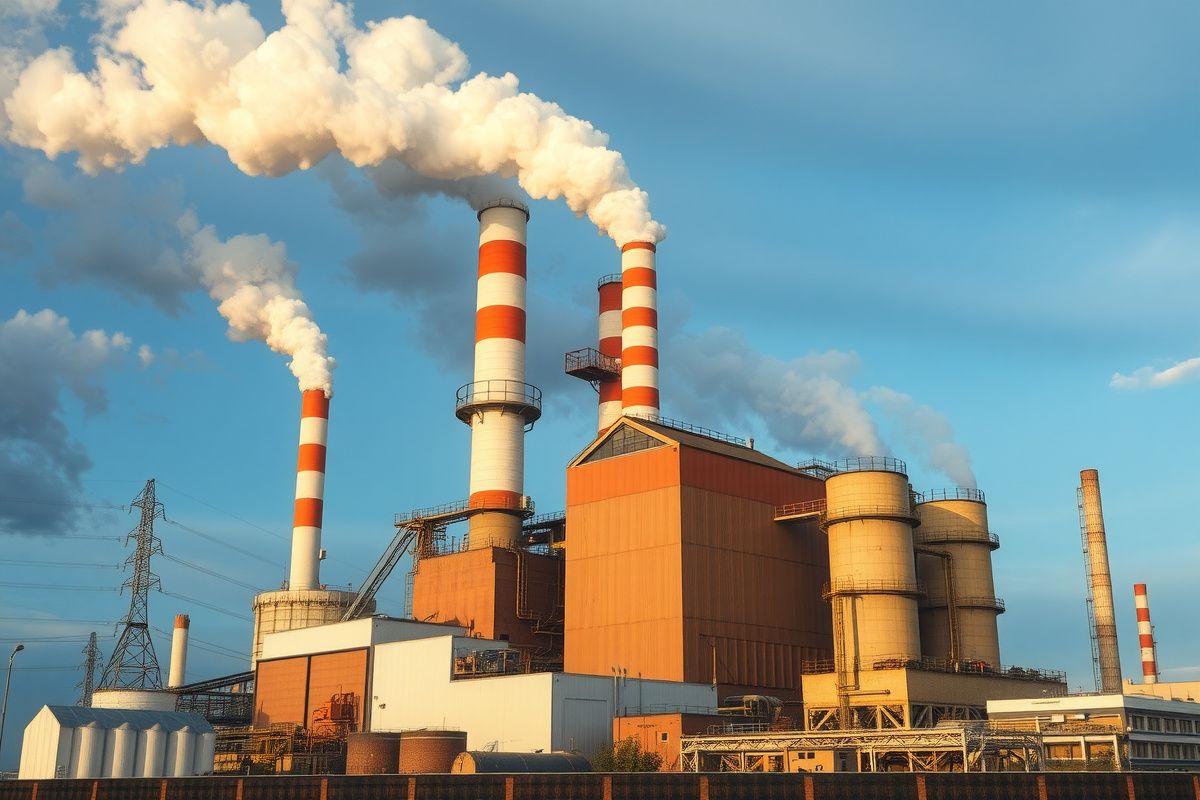
Industrial enterprises that use combustion processes, such as thermal power plants, metallurgical plants, chemical industries, are among the main sources of nitrogen oxides (NOx) and sulfur oxides (SOx) emissions into the atmosphere. These compounds are powerful pollutants that cause acid rain, smog, air quality deterioration, and negatively affect human health, biodiversity, and the global climate. Growing attention to environmental problems and strengthening environmental legislation force industry to seek and implement effective methods for purifying industrial gases from these harmful components.
The relevance of developing and implementing innovative technologies for purifying industrial emissions from nitrogen and sulfur oxides is due not only to regulatory requirements but also to the desire of enterprises for sustainable development, increasing their competitiveness, and forming a positive image. UtilVtorProm, as a leader in environmental services, actively monitors the latest achievements in this field and offers comprehensive solutions for managing waste generated during gas emission purification, ensuring its safe and environmentally responsible processing.
Modern technologies for neutralizing nitrogen and sulfur oxides
Methods for purifying industrial gases from nitrogen and sulfur oxides can be conditionally divided into several main categories: absorption, adsorption, catalytic, and combined. Absorption methods, such as Wet Flue Gas Desulfurization (WFGD), are among the most common for SOx removal. They are based on the reaction of sulfur dioxide with an absorbent solution (e.g., limestone or lime), which leads to the formation of calcium sulfate (gypsum). This method demonstrates high efficiency, achieving 90-99% SOx removal, but requires significant capital and operating costs, and also generates large volumes of waste in the form of gypsum sludge.
For nitrogen oxide removal, catalytic methods are widely used, particularly Selective Catalytic Reduction (SCR). The principle of SCR is to introduce a reducing agent (usually ammonia or urea) into the flue gas stream, which then passes through a catalytic reactor. On the surface of the catalyst (e.g., titanium, vanadium, and tungsten oxides), nitrogen oxides react with ammonia, forming harmless nitrogen and water vapor. The efficiency of SCR can exceed 90%, making it one of the most effective methods for combating NOx emissions. However, catalysts degrade over time and require replacement, and their spent forms are hazardous waste.
Application of gas purification systems in industry
Industrial gas purification systems for nitrogen and sulfur oxides are widely used in various industries where fuel combustion processes or chemical reactions occur, accompanied by the formation of these pollutants. First of all, these are thermal power plants operating on coal, fuel oil, or gas. For them, the installation of flue gas purification systems is a mandatory condition for compliance with environmental standards. Thanks to such systems, the amount of SOx and NOx emissions is significantly reduced, which contributes to improving air quality in the regions where thermal power plants are located.
Metallurgical enterprises, especially those using blast furnaces, converters, and sintering machines, are also significant sources of SOx and NOx emissions. In this industry, combined systems are used, which may include both absorption and catalytic units. The chemical industry, which produces sulfuric, nitric acids, as well as fertilizers, also needs effective purification systems, as its production processes are often accompanied by the formation of high concentrations of sulfur and nitrogen oxides. Modern equipment, such as Venturi scrubbers, packed absorbers, fluidized bed reactors, are integrated into technological lines to ensure maximum purification efficiency.
Environmental management of gas purification system waste
The processes of purifying industrial gases from nitrogen and sulfur oxides are not absolutely waste-free. They generate significant volumes of by-products and waste that require proper management to avoid secondary environmental pollution. Such waste includes gypsum sludge from wet limestone purification, spent SCR catalysts, as well as other solid and liquid waste containing heavy metals, reagent residues, and other hazardous components. For example, spent SCR catalysts often contain vanadium, tungsten, and titanium oxides, which are toxic substances. Waste codes according to NPD for such materials can be: 10 02 02* (metallurgical industry waste containing hazardous substances), 10 03 15* (aluminum production waste containing hazardous substances), 16 08 07* (spent catalysts containing hazardous substances not specified in other subgroups).
Improper handling of this waste can lead to soil, water, and air pollution, creating new environmental problems. That is why UtilVtorProm provides a full range of environmental services to enterprises, including collection, transportation, storage, and processing of hazardous waste generated by gas purification systems. We ensure compliance with all regulatory requirements and standards, guaranteeing safe and environmentally responsible handling of each type of waste.
Professional partnership with UtilVtorProm in environmental services
Cooperation with UtilVtorProm is a guarantee of a professional and responsible approach to solving environmental problems related to waste management generated during the purification of industrial gases. We have all the necessary licenses and permits for hazardous waste management activities, and our specialists have deep knowledge and many years of experience in this field. By contacting us, you get not just services, but a comprehensive partnership aimed at minimizing environmental risks, optimizing costs, and ensuring the uninterrupted operation of your enterprise within the framework of current legislation. Contact us today to discuss your needs and receive an individual offer that meets the highest standards of environmental safety and efficiency.