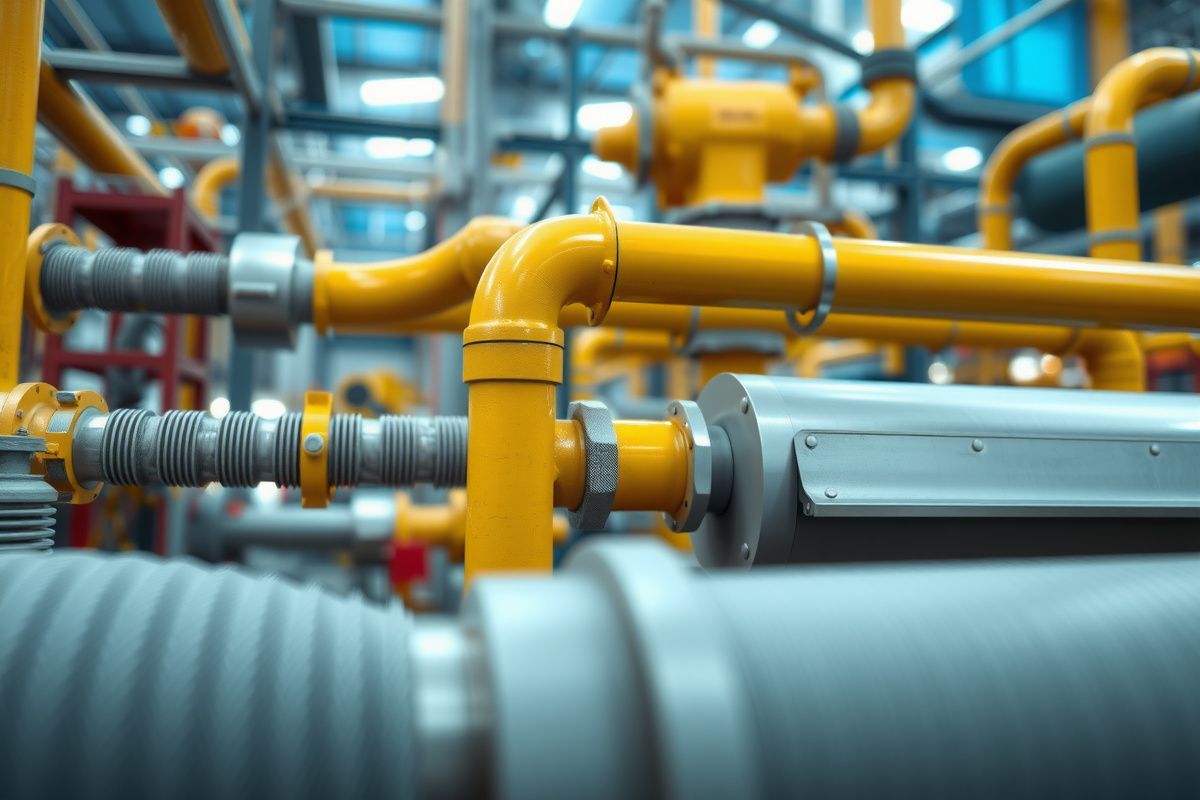
Improving the energy efficiency of heating and cooling systems at industrial facilities is one of the most pressing topics in the modern industrial sector. Rising energy prices, tightening environmental standards, and the global need for sustainable development are forcing enterprises to seek innovative ways to optimize their production processes. Effective management of thermal and refrigeration energy not only significantly reduces operating costs but also minimizes environmental impact, which is critically important for the reputation and competitiveness of any company. This is not just a matter of saving money, but a strategic investment in the future of the enterprise, ensuring its stability and development in a volatile market.
Inefficient heating and cooling systems often become a source of significant financial losses, as a large part of the energy is dissipated as unnecessary heat or cold, requiring additional costs to compensate for these losses. Modern technologies offer a wide range of solutions, from upgrading existing equipment to implementing entirely new, high-tech systems that allow for significant resource savings. A comprehensive approach to improving energy efficiency includes auditing, design, implementation, and continuous monitoring, which ensures maximum return on investment and contributes to reducing the carbon footprint of industrial production.
Modern Technologies for Optimizing Thermal and Refrigeration Processes
Improving the energy efficiency of heating and cooling systems at industrial facilities is based on the implementation of advanced technical solutions and innovative approaches. The main components of such systems are high-efficiency heat exchangers, intelligent control systems using artificial intelligence algorithms and Internet of Things (IoT) technologies, as well as modern heat pumps and recuperators. Their principle of operation is to maximize energy utilization, minimize heat or cold losses, and convert waste energy into useful energy. For example, recuperators allow up to 90% of heat, which is usually discharged into the atmosphere, to be returned to the system, significantly reducing the load on the main heating units. Real-time monitoring systems provide operational control over operating parameters, allowing for quick response to any deviations and optimization of equipment operating modes.
Key technical characteristics of such systems include a high coefficient of performance (COP), low energy consumption per unit of generated thermal or cooling capacity, and adaptability to varying production loads. The composition of modern energy-efficient systems may include new-generation boilers, chillers with magnetic bearings, heat and cold accumulation systems, as well as advanced insulation materials that prevent energy losses through walls, roofs, and pipelines. These technologies not only reduce the consumption of primary energy resources but also increase the stability of temperature regimes in production, which is critically important for many technological processes. The implementation of such comprehensive solutions allows for significant savings and an increase in the overall productivity of the enterprise.
Implementation of Energy-Saving Solutions in Industrial Sectors
The application of energy-efficient heating and cooling systems covers a wide range of industrial sectors, demonstrating their effectiveness in various production conditions. For example, in the chemical industry, where precise temperature control is vital for many reactions, the implementation of high-efficiency chillers and heat recovery systems not only saves significant costs but also increases process safety. In the food industry, where stable low temperatures must be maintained for product storage, the use of modern refrigeration units with variable compressor speed significantly reduces energy consumption. Similar solutions can be applied in metallurgy, where efficient equipment cooling is critically important for its durability and productivity, which is similar to the importance of proper handling of hydrometallurgical copper waste for environmental protection.
Examples of implemented equipment include air-to-water or water-to-water heat pumps that use ambient or ground heat, as well as cogeneration units that simultaneously produce electrical and thermal energy. In the textile industry, where large volumes of hot water are used for dyeing and fabric processing, heat recovery systems from wastewater can significantly reduce heating costs. In mechanical engineering and automotive industries, where heating large production workshops is a significant cost item, modernization of ventilation and heating systems using energy-efficient air heaters and intelligent thermostats leads to tangible savings. These examples highlight the versatility and economic feasibility of investing in energy efficiency improvements.
Environmental Management of Waste from Modernized Systems
Improving the energy efficiency of heating and cooling systems at industrial facilities inevitably entails the need for proper waste management generated during the dismantling of old equipment or the replacement of its components. Such waste may include spent refrigerants, which often contain ozone-depleting substances or powerful greenhouse gases, as well as old insulation materials that may contain harmful compounds, as is the case with insulation materials containing hazardous substances. In addition, spent oils and lubricants from compressors, electronic components of control systems, metal structures, and plastic elements are generated. Improper handling of this waste can lead to soil, water, and air pollution, as well as significant fines from regulatory authorities.
To ensure environmental safety and compliance with legal norms, strict rules for handling such waste must be observed. Spent refrigerants belong to the category of hazardous waste with codes, for example, 14 06 01* (chlorofluorocarbons, HFCs) or 14 06 03* (other halogenated solvents), which require special processing. Old insulation materials, especially those that may contain asbestos or other harmful substances, are classified as 17 06 01* (insulation materials containing asbestos) or 17 06 03* (other insulation materials consisting of or containing hazardous substances). Electronic components of control systems belong to waste electrical and electronic equipment, for example, 16 02 13* (discarded equipment containing hazardous components). UtilVtorProm company provides a full range of environmental services for enterprises, including collection, transportation, storage, and processing of these specific wastes, ensuring compliance with all environmental standards and norms, which is similar to a comprehensive approach to handling batteries and accumulators as hazardous waste.
Partnership with UtilVtorProm for Sustainable Enterprise Development
UtilVtorProm company is a reliable partner for industrial enterprises that strive to improve their energy efficiency and ensure the environmental safety of their production processes. We offer a professional approach to handling all types of waste generated as a result of modernization and operation of heating and cooling systems. Our activity is licensed, which guarantees full compliance with all current norms and standards of environmental legislation of Ukraine. We do not produce goods or sell products; instead, we specialize in providing high-quality services for the collection, transportation, storage, and processing of industrial waste, ensuring its safe and responsible handling. By contacting UtilVtorProm, you receive a guarantee that your waste will be handled professionally, allowing your enterprise to focus on its core activities while maintaining high standards of environmental responsibility. We encourage you to contact our specialists for consultation and development of individual solutions that will meet the needs of your production.