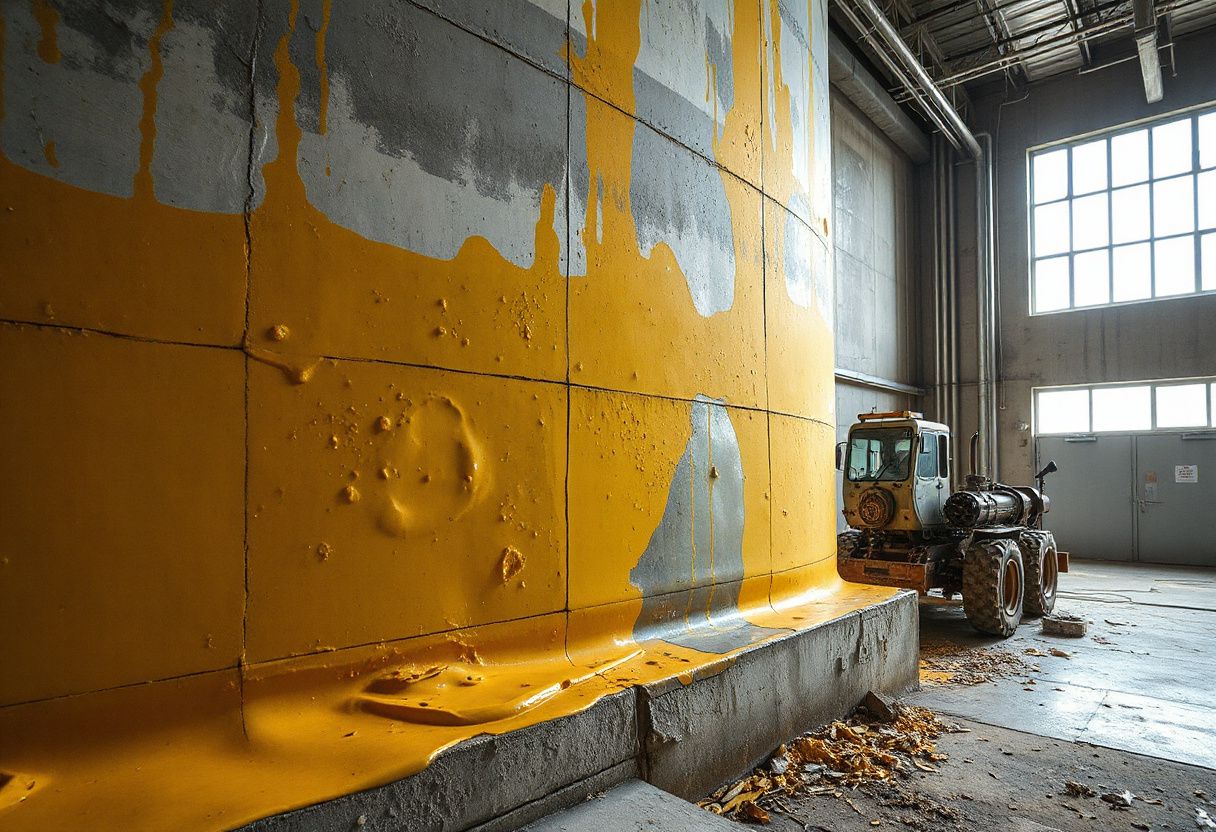
When spent acid mixtures uncontrollably accumulate in unsealed tanks of electroplating shops, it destroys the concrete foundations of buildings and accelerates the corrosion of ventilation system elements. Aggressive fumes degrade the condition of the equipment. Sulfuric and hydrochloric acid vapors constantly interact with metal structures, causing expensive machine tool equipment to rust and fail prematurely. Enterprises often face the problem of toxic substances leaking accidentally from outdated storage tanks that lose their hermetic seal due to the prolonged action of hazardous chemically active compounds. Such incidents pose a real threat to personnel health, thus requiring management to react immediately.
Typical Violations in Reagent Neutralization of Chromium Solutions
Laboratory studies reveal serious deviations from technological regulations at many engineering plants. Usually, engineers attempt to neutralize acidic effluents simply by adding an excess amount of lime. This simplified approach generates a huge amount of heavy sludge that quickly clogs drainage systems and requires additional funds for their cleaning. Less frequently, chemists record attempts to mix incompatible concentrated solutions with each other. Toxic gases are released suddenly, or the mixture boils violently when personnel grossly violate elementary safety rules for handling chemicals. If technologists do not control the pH level during neutralization, it becomes impossible to effectively precipitate toxic nickel and zinc ions.
Physicochemical Properties of Sulfate and Chloride Electrolytes
Spent solutions from electroplating baths are complex multi-component systems containing high concentrations of free mineral acids and heavy metal salts. Can one ignore the presence of highly toxic iron, copper, chromium, and nickel ions in these liquid wastes? Organic additives and surfactants significantly complicate the subsequent treatment of these effluents.
Methods of Electrolysis and Membrane Regeneration in UR-2 Units
Modern treatment of liquid chemical waste implies that technologists apply advanced membrane systems. Membranes retain metal ions. Thanks to this, the enterprise returns purified water and concentrated salts back into its production cycle. Another common method is the electrochemical deposition of pure metals on the cathodes of special electrolyzers. Industrial plants reuse the obtained copper or nickel powders in the metallurgy industry for smelting various strong alloys. Mostly, such technologies require significant initial investments in equipment, but they fully pay off due to the savings on fresh chemical reagents. Effective treatment of chemical concentrates significantly reduces the accumulation volumes of hazardous substances at industrial sites.
State Classifier and Codes 11 01 05* and 11 01 09* for Liquid Wastes
According to the requirements of national legislation, all spent chemical solutions of electroplating origin are subject to mandatory accounting according to the state waste classifier. Liquid acid mixtures for pickling metal surfaces are classified under the code 11 01 05*, and the sediments formed during treatment are marked as 11 01 09*. Transportation is carried out by the licensed company UtilVtorProm. Only specialized enterprises have the legal right to carry out the collection, accumulation, and subsequent neutralization of such hazardous substances on the basis of a relevant license. Transferring these hazardous materials to unauthorized persons without an appropriate license is strictly prohibited by law.
Execution of Acceptance Certificates and Form 1-Ecological Reporting
Timely conclusion of official contracts for chemical waste management completely protects the enterprise from environmental fines. The company UtilVtorProm provides a full range of services for the safe collection, transportation, and treatment of hazardous substances. Official certificates confirm the transfer of toxic electrolytes for subsequent safe treatment in accordance with the current environmental safety norms of Ukraine.