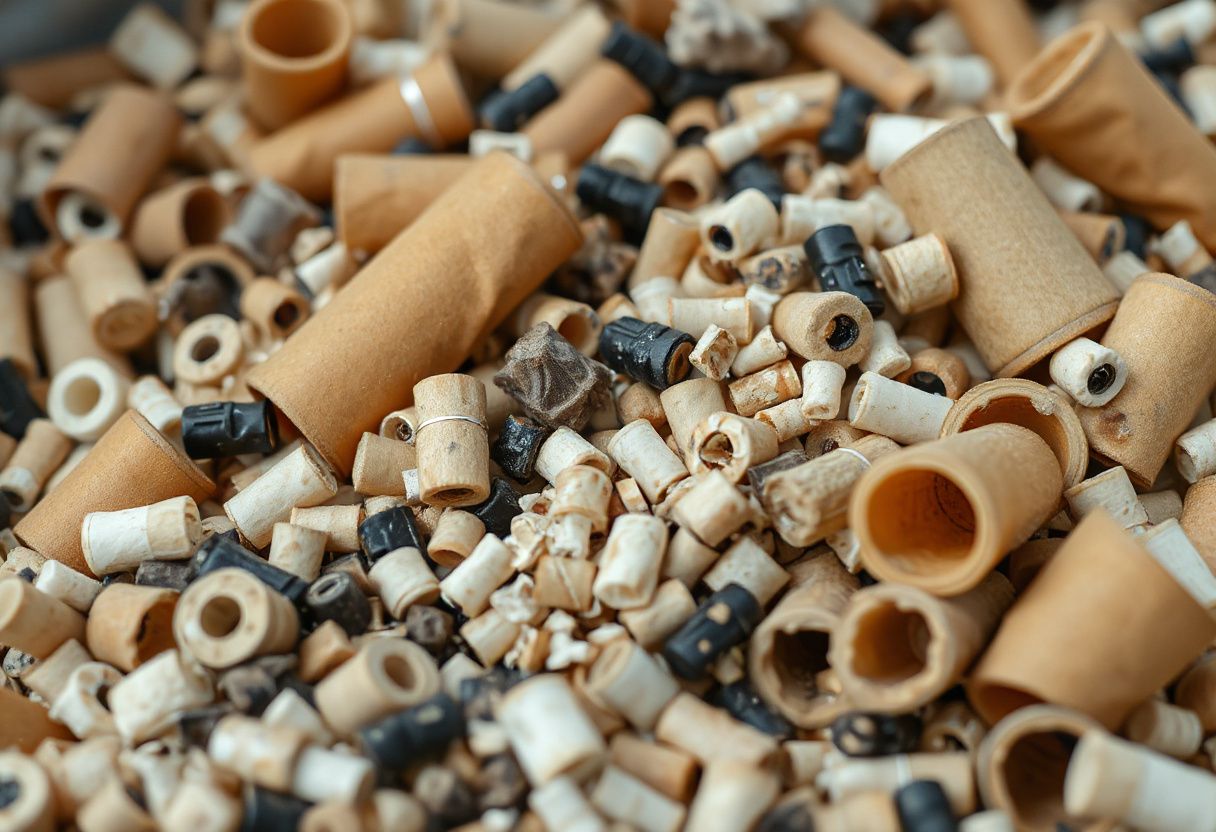
Most enterprises mistakenly dump spent treatment filter media into regular landfills. Waste management legislation strictly prohibits such actions due to the toxicity of the accumulated substances. Filter sands, membranes, and carbon media concentrate heavy metals, highly toxic petroleum products, and carcinogenic organic compounds during industrial wastewater treatment. The entry of these components into groundwater causes long-term environmental pollution. Thermal treatment in high-temperature furnaces at 1100 °C remains the only safe method for the complete destruction of toxic organic pollutants in the residues.
Requirements for Facilities According to Code 19 08 and State Ecological Inspectorate Inspections
Improper storage of contaminated granular carbon at an industrial site entails the imposition of significant fines by environmental inspectors. Economic entities must conduct laboratory tests on each spent charge to accurately determine the hazard class of the accumulated material. Delaying the transfer of waste for licensed treatment for more than 30 days violates environmental regulations. Is an enterprise capable of neutralizing toxic loads on its own? The lack of specialized installations makes independent material neutralization absolutely impossible. Therefore, plants send the accumulated resources to special facilities for thermal destruction.
Classification According to the National List of Wastes under Codes 15 02 02* and 19 08 10*
Classification of spent filter media depends on the type of substances retained during the treatment process. Most of such materials are classified as hazardous. Spent absorbents and filter rags are marked with the state code 15 02 02*. Residues from the treatment of industrial wastewater by ingredients receive the code 19 08 10*.
Hermetic Containers and Transportation by ADR Specialized Vehicles
Special metal containers with anti-corrosion coating and rubber sealing lids are used to transport loads saturated with toxic substances. Safety requirements prohibit the spillage of toxic dust. The loaded containers are transported by specialized motor vehicles that have permits for the transportation of hazardous goods of the ADR classification. At the temporary storage site, materials are placed on a concrete surface with pallets to collect any liquid leachate. Regular inspection of the packaging prevents accidental leakage of harmful chemical compounds.
Physicochemical Characteristics of BAU-A Activated Carbon and Sand
The moisture content of spent BAU-A activated carbon after water treatment reaches 60%. Quartz sand contains up to 15% heavy metals and organic residues.
Organization of Waste Transfer by UtilVtorProm Enterprise
To organize the safe processing of filtering masses, the enterprise should start by conducting a full inventory of existing storage facilities and filtration units. The obtained laboratory analysis data will allow to accurately calculate the volumes of residues and select optimal technological methods for neutralization or incineration. Collection and transportation of such residues are carried out in accordance with current environmental regulations. UtilVtorProm provides comprehensive services for the management of hazardous waste from treatment facilities based on a valid license. Ordering environmental support guarantees the correct filling of reporting documents for inspections. Transferring residues to a licensed operator eliminates the risks of business fines.