19 05 02 Non-compostable fractions of animal and vegetable waste
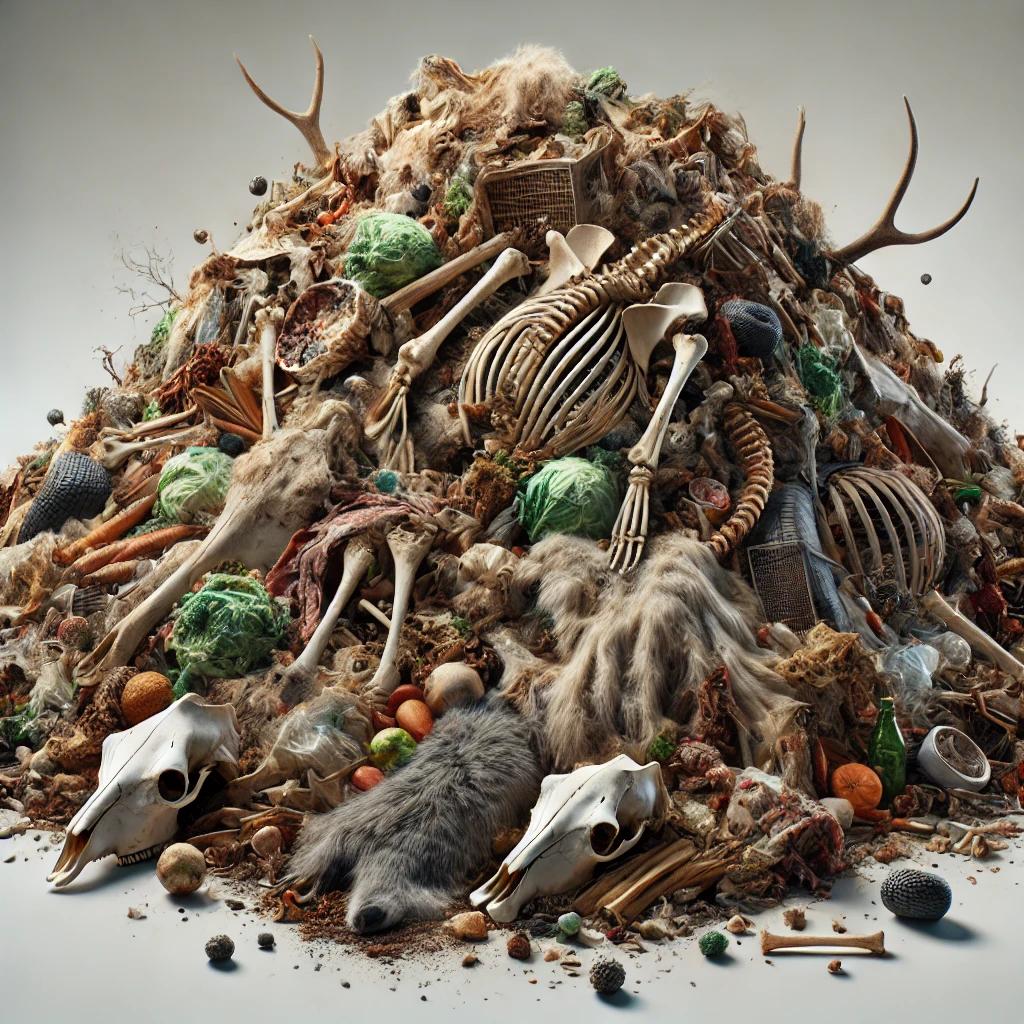
Waste management has become one of the most urgent issues today. Among the many challenges facing modern ecological systems, fractions of animal and plant waste that are not compostable are a particular problem. These wastes cannot be converted into organic fertilizers due to their composition, structure or properties. They are the remains of the aerobic treatment of solid waste, which remain after the completion of the composting process or are not subject to this process at all.
The main reasons that such waste cannot be composted are the high content of fats, proteins or other substances that prevent the normal decomposition process. In other words, these wastes do not contain enough organic material or have a chemical composition that makes the composting process ineffective or even dangerous. For example, animal waste fractions may include bones, horns, hooves, as well as hides, which, due to their hardness or high collagen content, do not decompose properly. Similarly, some types of plant waste may contain heavy metals or other toxic substances, making them unsuitable for composting.
This state of affairs leads to serious environmental and social consequences. The lack of effective methods of waste management of fractions of animal and vegetable waste that are not compostable poses a serious threat to the environment and human health. Waste is accumulated in landfills or taken to special landfills, which leads to soil, water and air pollution.
The problem is also complicated by the fact that existing methods of processing such waste are ineffective or require significant financial and technological resources. Many countries still do not have adequate infrastructure to treat this waste, which contributes to its accumulation and further spread of pollution. Services for waste management, collection and processing: Fractions of animal and vegetable waste that are not subject to composting Code of NPV 19 05 02.
Fractions of animal and plant waste that are not subject to composting. Code according to the National List of Waste 19 05 02. Operations according to Appendices 1, 2 to the Law of Ukraine "On Waste Management" D13.
A pity for the environment and people
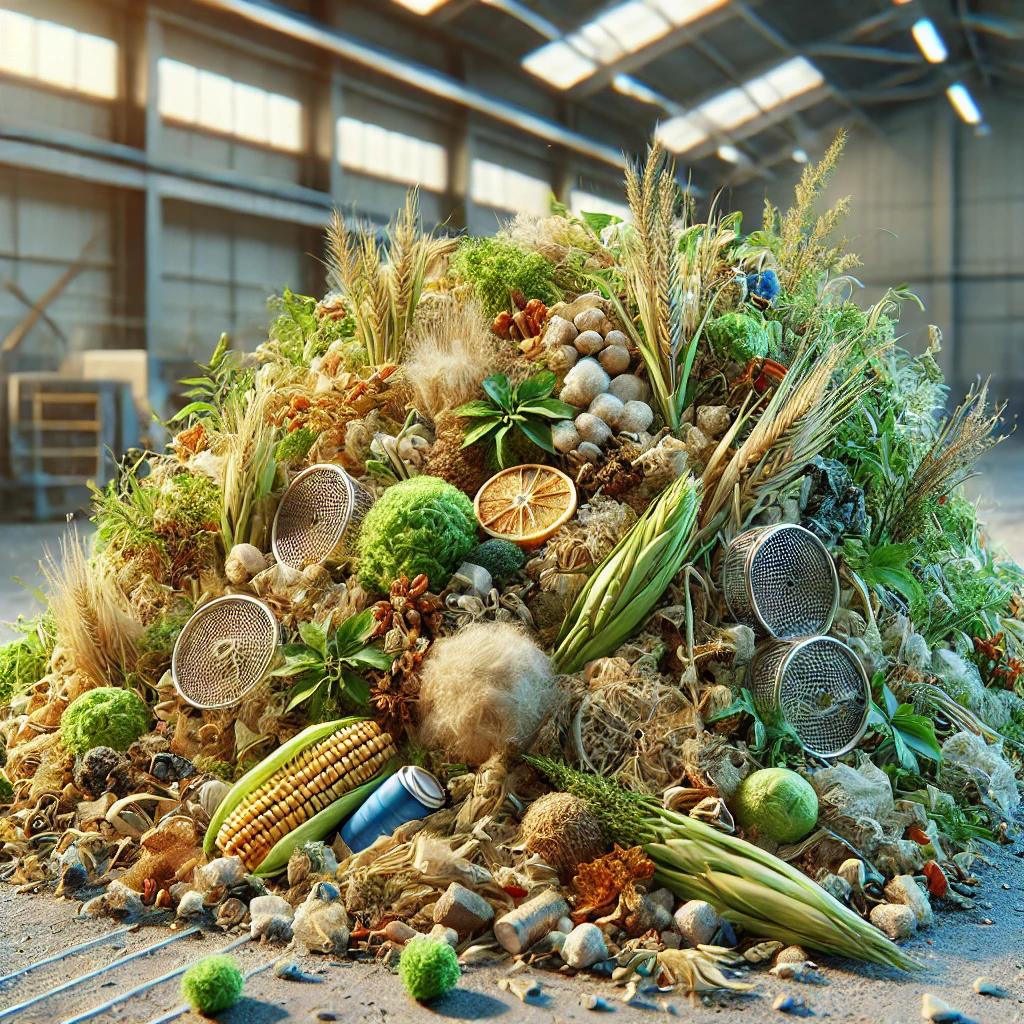
Waste fractions of animal and vegetable waste, which are not compostable, have a significant negative impact on the environment. Since this waste cannot be effectively recycled or destroyed naturally, it often accumulates in nature or in landfills, where it can remain unchanged for years, releasing harmful substances into the soil and water.
The accumulation of such waste can lead to serious soil pollution, which reduces their fertility and negatively affects agricultural crops. Contaminated soils may contain heavy metals, chemical compounds or toxins that are transferred to plants and eventually enter the food chain. This not only threatens food safety, but also poses risks to the health of people who consume such products.
Water pollution is also an important aspect. Non-compostable waste can cause toxic substances to enter groundwater or surface water bodies. This can have catastrophic consequences for ecosystems, in particular, the destruction of aquatic organisms and the contamination of drinking water sources. Pollution of water resources also negatively affects fisheries and other activities that depend on clean water.
Additionally, the release of greenhouse gases such as methane during the decomposition of non-compostable organic waste contributes to climate change. Methane is one of the most powerful greenhouse gases, having a much greater effect on global warming than carbon dioxide. This is especially relevant for waste of animal origin, which during decomposition produces large amounts of methane.
Pity for people
The negative impact of non-compostable fractions of animal and vegetable waste on human health is significant. Air, water and soil pollution due to the accumulation of such waste creates numerous threats to public health.
First of all, wastes that contain heavy metals or toxins can enter the soil and water and eventually end up in food. Consuming such products can lead to serious health problems, including heavy metal poisoning, cancer, and dysfunction of internal organs.
In addition, the decomposition of animal waste in landfills is accompanied by the release of toxic gases that can cause breathing problems, allergic reactions and other respiratory diseases. This is especially dangerous for people who live near landfills or other places where waste accumulates.
Water pollution also poses risks to human health, especially in areas where spring water is the main source of drinking water. Pollution of such sources can cause epidemics of diseases associated with the consumption of contaminated water.
In addition, during the burning of such waste, dangerous substances such as dioxins, which have carcinogenic properties, can be released. This endangers the life and health of people who are near such areas.
Ways to reduce harm
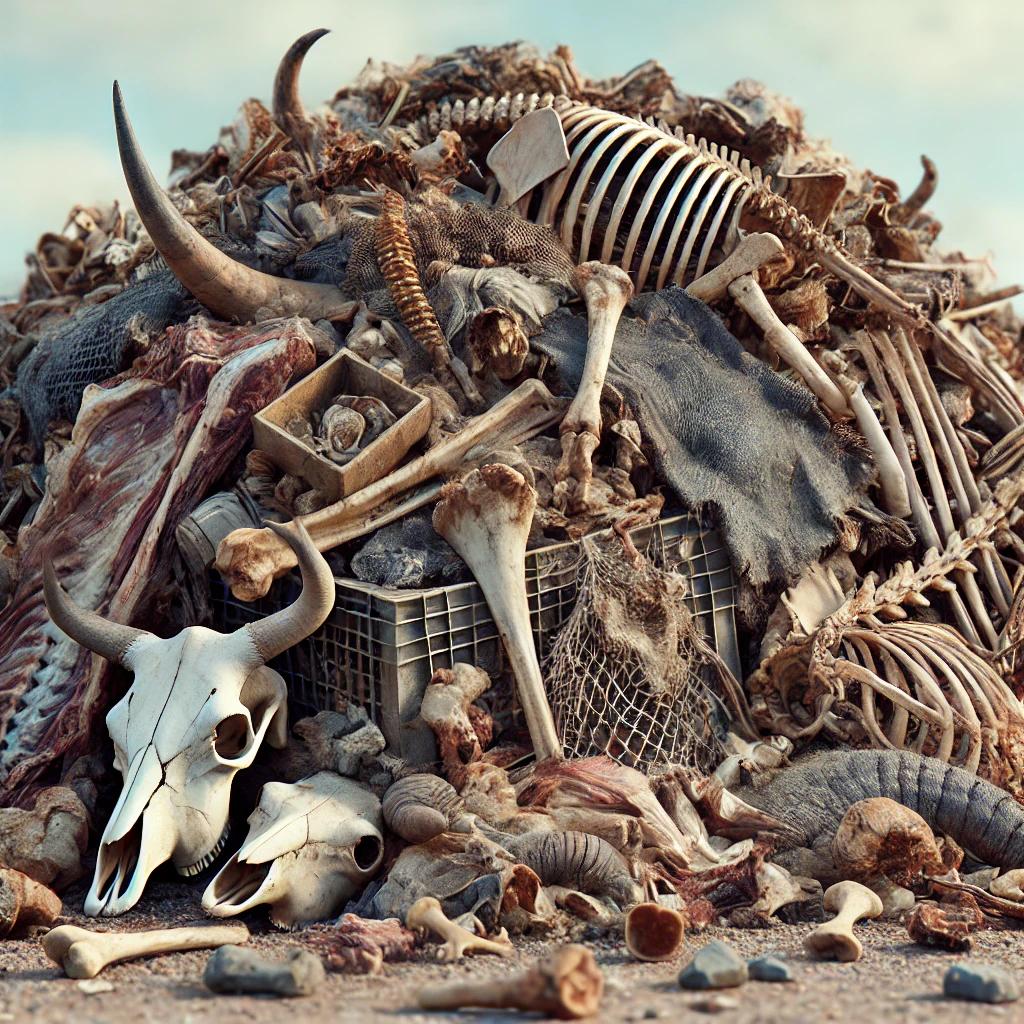
In order to reduce the damage caused by non-compostable fractions of animal and plant waste, it is necessary to implement effective methods of ecological waste management. This includes:
- development of new technologies for processing and processing of such waste, which will allow to reduce their quantity and danger to the environment;
- introduction of effective waste sorting methods to separate hazardous fractions from those that can be safely processed;
- providing adequate infrastructure for the collection, transportation and processing of such waste;
- conducting information campaigns among the population with the aim of raising awareness of the dangers of such waste and methods of their proper storage and processing.
The operations of collecting, sorting, crushing and processing (D13) waste fractions of animal and plant waste that are not compostable are key to ensure their safe destruction or recycling. Transportation of such waste must be carried out in accordance with international safety standards, which minimizes the risks of environmental pollution during transportation.
Information about the company "UtilVtorProm"
The company "UtilVtorProm" is a leader in the field of ecological waste management in Ukraine. Thanks to the use of the latest technologies and compliance with international standards, our company provides safe processing and destruction of waste of various origins, including fractions of animal and vegetable waste that are not subject to composting.
"UtilVtorProm" offers a full range of services, including collection, sorting, transportation and treatment of such waste. The company guarantees environmentally safe waste management, which contributes to the preservation of the environment and the protection of people's health. Our specialists constantly improve methods of processing and destruction of waste, ensuring a high level of safety and efficiency.
We understand the importance of a responsible approach to waste management and strive to provide our customers with the best solutions to reduce their environmental impact. Thanks to many years of experience and a professional team, "UtilVtorProm" remains a reliable partner for business and the community in matters of environmental waste management.
Why choose us
Professional waste management with care for the environment
Modern equipment
We use the latest technologies for efficient processing
Wide range of services
Comprehensive solutions for all types of waste
Comprehensive approach
Full management cycle from collection to disposal
Qualified staff
Experienced specialists with relevant certificates
All types of waste
We work with industrial waste
Over 10 years in the market
Reliable partner for businesses and organizations
Customer Reviews
Hryshchenko Olena
28.10.2023Thank you for the completed order. Our suppliers advised us to contact this company on issues of environmental management of hazardous waste. We liked the integrated approach to work on hazardous waste management. Thank you for your cooperation. A role model for others. We recommend!
Kravchenko Nataliia
07.11.2023The director asked to write a review. It was necessary to transport hazardous waste, a large volume of waste. We will be glad to cooperate in the future, I really liked the approach to work. I am not ashamed to recommend.
Tymoshenko Mykola
08.12.2023Hello. We were looking for a waste management contractor. It is difficult to find a reliable partner in the matter of environmental management of hazardous waste. Convenient and easy to work with. It is a pleasure to recommend such a company.
Bondar Serhii
07.02.2024Good day to all. Couldn't resist leaving a review. Our suppliers advised us to contact you specifically on issues of environmental management of hazardous waste. We regretted that we contacted you specifically on issues of hazardous waste management. Worthy professionals in their field.
Nataliia Horobets
14.09.2024UtylVtorProm completed all hazardous waste operations efficiently and within the established deadlines. We note the company’s excellent organization and compliance with environmental requirements at every stage.
Andrii Miroshnychenko
30.10.2024We are grateful to UtylVtorProm for their effective communication and professional approach. All services were delivered on time, ensuring complete environmental safety and quality control.
Leave a Review
Share your experience working with us
