10 11 03 Waste of fibrous materials based on glass
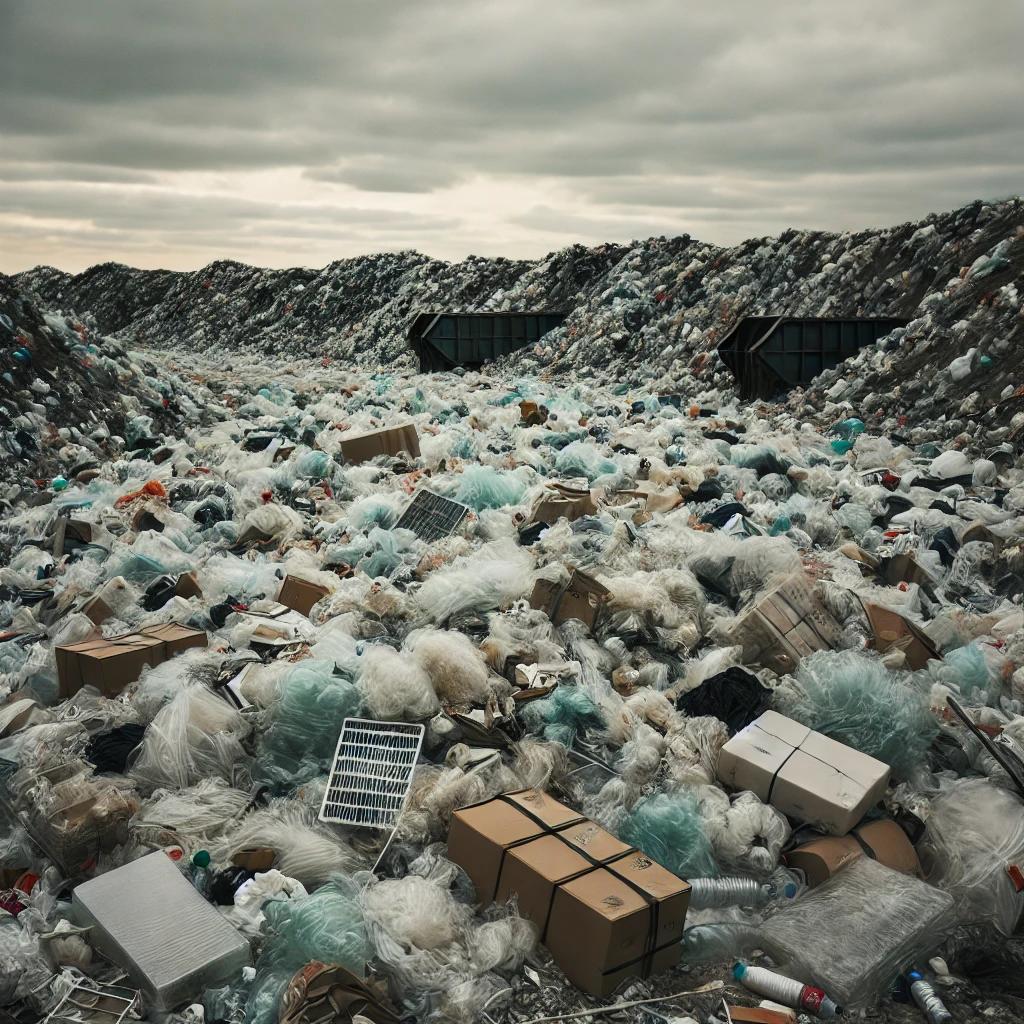
The waste of glass-based fibrous materials is a significant environmental problem that requires immediate attention and solutions. Fiberglass materials are used in a variety of industries, such as construction, automotive, aviation, and electronics, due to their unique properties, including high strength, heat resistance, and corrosion resistance. However, at the end of their service life, these materials turn into waste that is difficult to recycle or destroy, creating serious problems for the environment and human health.
Fiberglass materials, on the one hand, are extremely useful in production, but on the other hand, their waste is difficult to process. The main problem is that these materials do not decompose naturally and can retain their structure for decades. They occupy a significant volume in landfills and can cause soil and water pollution.
An additional complication is that glass-based fiber materials can contain various chemical additives and compounds that make them even more resistant to natural decomposition processes. This means that simple storage of such waste in landfills is not an acceptable solution.
There are various methods of environmental management of waste glass-based fibrous materials, which include the operations of collection, sorting, crushing and treatment of waste glass-based fibrous materials. These processes can reduce the volume of waste and facilitate its further processing or destruction. However, they also require a significant expenditure of resources and energy. Services for waste management, collection and processing: Waste of glass-based fibrous materials Code of NPV 10 11 03.
A pity for the environment and people
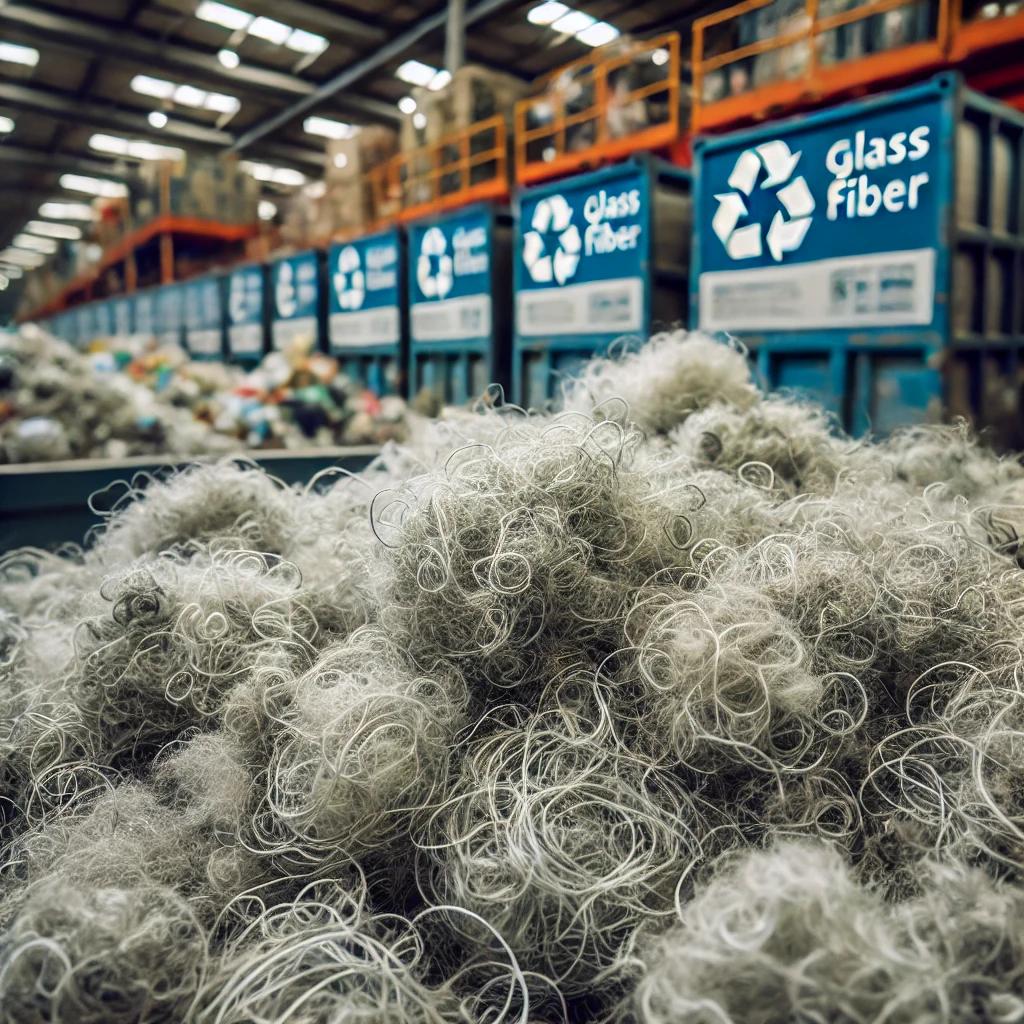
The waste of glass-based fibrous materials causes serious damage to the environment. One of the main problems is soil and water pollution. Fiberglass materials, falling into landfills, can spread over the surface of the soil and penetrate into water sources, causing damage to plants, animals and microorganisms.
Another threat is the possibility of fires. Fiberglass materials can easily react at high temperatures, making them unsafe for storage in open landfills. The occurrence of fires can lead to emissions of toxic gases into the atmosphere, which deteriorates air quality and causes additional pollution.
Environmental methods of waste management of glass-based fibrous materials can include their reuse or recycling, reducing the amount of waste that ends up in landfills. For example, fiberglass materials can be reused in the production of new products or used as fillers for building materials.
However, even with these methods, there remain certain difficulties and limitations associated with the effective processing and utilization of waste fiberglass materials. The need to improve processing technologies, as well as increase the volume of waste collection and sorting are important steps to minimize the negative impact on the environment.
Pity for people
Waste of fibrous materials based on glass can harm not only the environment, but also human health. One of the biggest threats is the possibility of small particles of fiberglass getting into the respiratory tract. Inhaling these particles can cause lung irritation, allergic reactions, and even serious illnesses such as pneumonia or lung cancer.
Contact with waste fiberglass materials can also cause skin and eye irritation. Small particles of fiberglass can penetrate the skin, causing itching, redness and other unpleasant symptoms. Contact with waste is especially dangerous for workers who collect, sort and process it.
Operations for collecting, sorting, crushing, and treating waste glass-based fibrous materials can create dust that contains fine glass fiber particles. This dust can become airborne, creating a health risk for people who work or live near such facilities. Therefore, it is important to provide adequate means of protection and ventilation to minimize the impact on health.
Transporting waste glass-based fibrous materials can also be dangerous. Improper storage and transportation of waste can lead to the dispersion of small particles of fiberglass in the air and water, which poses a risk to the health of people at great distances from the collection and processing sites.
Ways to reduce harm
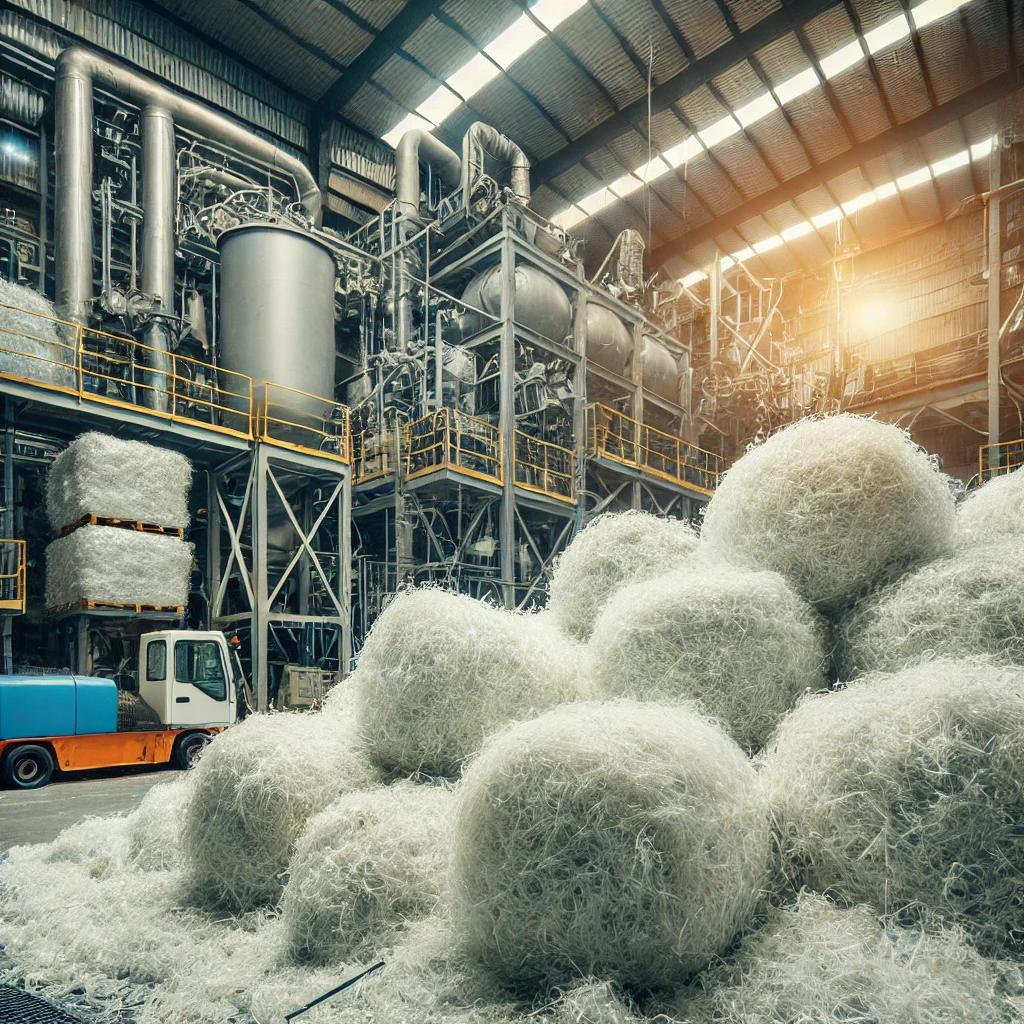
There are various ways to reduce the damage from the waste of glass-based fibrous materials. One of them is the introduction of methods of ecological management of waste of fibrous materials based on glass. This includes the operations of collecting, sorting, crushing and processing (D13) of waste glass-based fibrous materials, which allows to reduce the volume of waste and facilitate its further processing or destruction.
An important step is also to increase the level of awareness and education among the population about the dangers of fiberglass waste. This may include information campaigns, seminars and training aimed at increasing understanding of the problem and the importance of proper waste management.
- development and implementation of new waste processing technologies;
- increasing the efficiency of waste collection and sorting operations;
- ensuring adequate protection and safety for workers;
- control and monitoring of the state of the environment around waste collection and processing facilities (R5).
Waste of fibrous materials based on glass. Code in accordance with the National List of Waste 10 11 03. Operations in accordance with Appendices 1, 2 to the Law of Ukraine "On Waste Management" D13, R5.
The company "UtilVtorProm" is engaged in environmental management of waste of glass-based fibrous materials. It is important to implement innovative approaches and technologies to reduce the volume of waste and its negative impact on the environment. Thanks to the operations of collection, sorting, crushing and processing of waste, our company achieves high results in the field of environmental management of waste of glass-based fibrous materials.
Thus, solving the problem of glass-based fibrous material waste requires a comprehensive approach, including the introduction of new technologies, raising public awareness and ensuring adequate protection for workers. Methods of ecological management of waste of fibrous materials based on glass allow to reduce their negative impact on the environment and human health, creating prerequisites for sustainable development and preservation of natural resources.
Why choose us
Professional waste management with care for the environment
Modern equipment
We use the latest technologies for efficient processing
Wide range of services
Comprehensive solutions for all types of waste
Comprehensive approach
Full management cycle from collection to disposal
Qualified staff
Experienced specialists with relevant certificates
All types of waste
We work with industrial waste
Over 10 years in the market
Reliable partner for businesses and organizations
Customer Reviews
Savenko Hanna
23.10.2023Thank you for the completed order. Our suppliers advised us to contact this company on issues of environmental management of hazardous waste. The task of hazardous waste is now set to automatic. You can do your job without being distracted by this routine. It is nice to leave a review of such a company.
Petrenko Dmytro
03.12.2023We were deciding between UtilVtorProm and another company. We chose environmental management of hazardous waste from you and have never regretted it. We decided to work only with this company, because a license for the transportation of hazardous waste is an indicator of trust. It is convenient to work by bank transfer. We are satisfied with the quality. We recommend contacting only here.
Ponomarenko Viktoriia
13.01.2024Thank you very much for the speed of work. I had to choose between this company and another. We settled on this one and were right. It is convenient to work by bank transfer. We are happy with the quality. I definitely recommend this company.
Morozova Vitalii
18.02.2024We are satisfied with the work on hazardous waste management. The choice was obvious, since we need a partner with all the permits. We will contact you in the future on hazardous waste management issues. We recommend.
Leave a Review
Share your experience working with us
