04 02 Textile industry waste
More about:
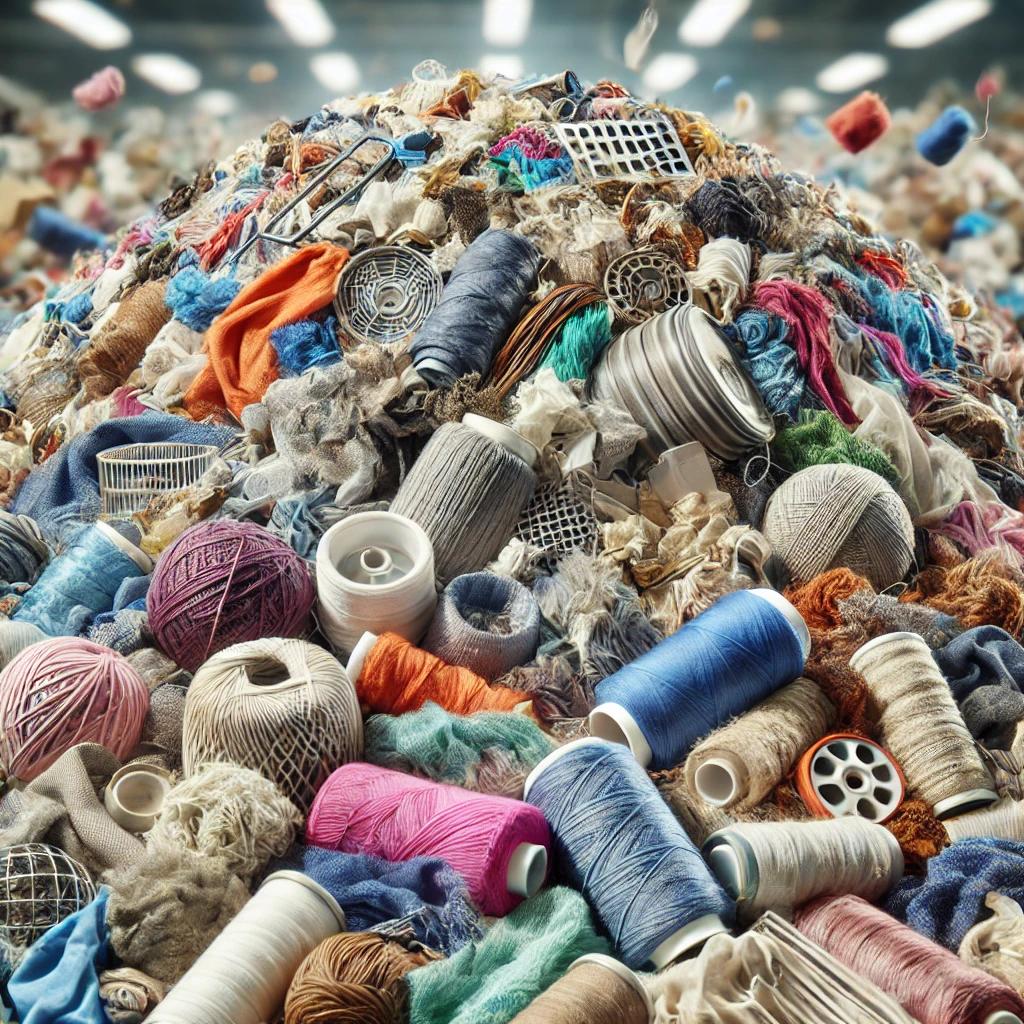
The problem of textile industry waste is becoming more and more urgent in the context of growing consumption and production of textile products. The main sources of waste are fabric and fiber residues left after cutting and sewing, waste generated during dyeing, processing and printing on fabrics, as well as unusable or defective materials. In addition, a significant part of the waste consists of used textile products, which lose their functionality and become unnecessary. Considering the high level of production of textile products, the volume of such waste continues to grow.
The complexity of the problem lies in the fact that textile waste is very diverse in its composition and may contain various types of synthetic and natural fibers, dyes, and chemicals used in the production process. These materials are often hazardous to the environment because they can release toxic substances when they decompose or are stored in landfills. In addition, textile waste occupies significant areas in landfills, which leads to the loss of valuable land resources.
Another important problem is that a significant part of textile waste cannot be reused or recycled due to the low quality of the materials or the difficulty of separating them into separate components. This means that most textile waste ends up in landfills or is incinerated, contributing to air pollution and greenhouse gases. At the same time, effective waste management of the textile industry is necessary to reduce the negative impact on the environment and human health. Services for waste management, collection and processing: Waste of the textile industry Code of NPV 04 02
Textile industry waste. Code according to the National List of Waste 04 02. Operations according to Appendices 1, 2 to the Law of Ukraine "On Waste Management" R7, D13.
A pity for the environment and people
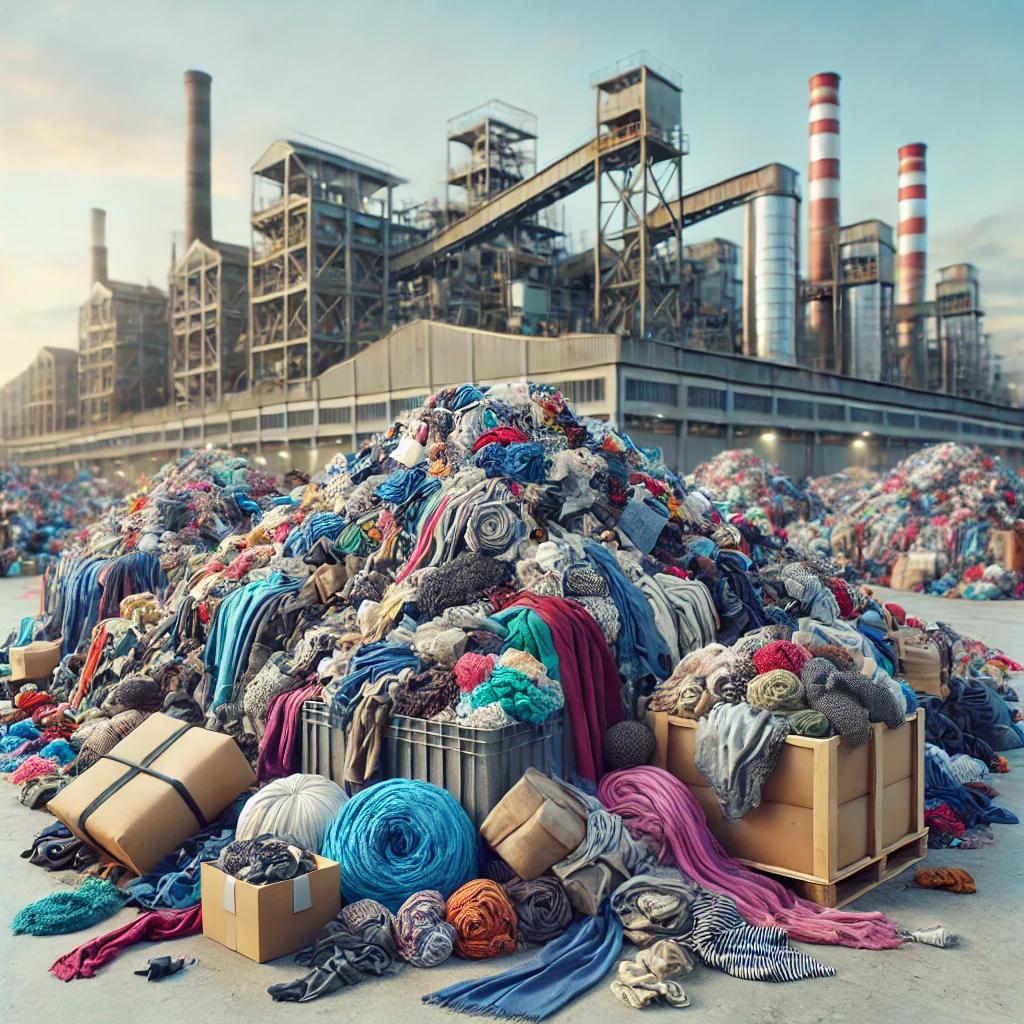
Waste from the textile industry poses a serious threat to the environment, as it contains numerous hazardous substances that may enter the environment during their storage or disposal. One of the main environmental problems associated with textile waste is its decomposition in landfills, where it can remain for decades, releasing toxic chemicals into the soil and groundwater.
Synthetic fibers, which are widely used in the textile industry, are particularly dangerous because they are practically non-biodegradable and can remain in the environment for many years. In addition, they can emit microplastics, which enter water bodies and oceans, where they accumulate in the organisms of marine inhabitants and can affect the entire ecosystem.
Chemical substances used in the process of dyeing and processing fabrics also pose a significant threat to the environment. They can get into reservoirs together with sewage and cause pollution of rivers and lakes, which leads to the death of fish and other aquatic organisms. Many of these chemicals are toxic and can accumulate in the food chain, adversely affecting human and animal health.
The operations of collecting, sorting, crushing and processing waste from the textile industry, during which small particles that pollute the air can be formed, also have a significant impact on the environment. These particles can be transported over long distances and settle in soil, water and on the surface of plants, which negatively affects ecosystems.
Pity for people
Textile industry waste not only threatens the environment, but also poses a serious threat to human health. Inhalation of dust generated during the processing of textile waste can lead to various respiratory diseases, including asthma, bronchitis and other chronic lung diseases. In addition, many chemicals used in the production of textile products can be toxic or carcinogenic, which increases the risk of developing cancer.
Substances contained in paints and dyes, which can cause allergic reactions, skin and eye irritation, as well as disruption of the endocrine system, are a particular danger. Contact with such substances can be especially dangerous for children, pregnant women and people with a weakened immune system.
A significant health risk is also associated with the transportation of waste from the textile industry, during which toxic substances may leak out or harmful particles may enter the air. This can lead to environmental pollution and public health risks, especially in areas where such waste is stored or processed.
No less important is the impact of textile waste on the workers involved in its collection, sorting and processing. Frequent contact with chemicals and dust can lead to the development of occupational diseases such as dermatitis, allergies and respiratory diseases. Therefore, it is important to ensure proper working conditions and health protection for those who work in this field.
Ways to reduce harm
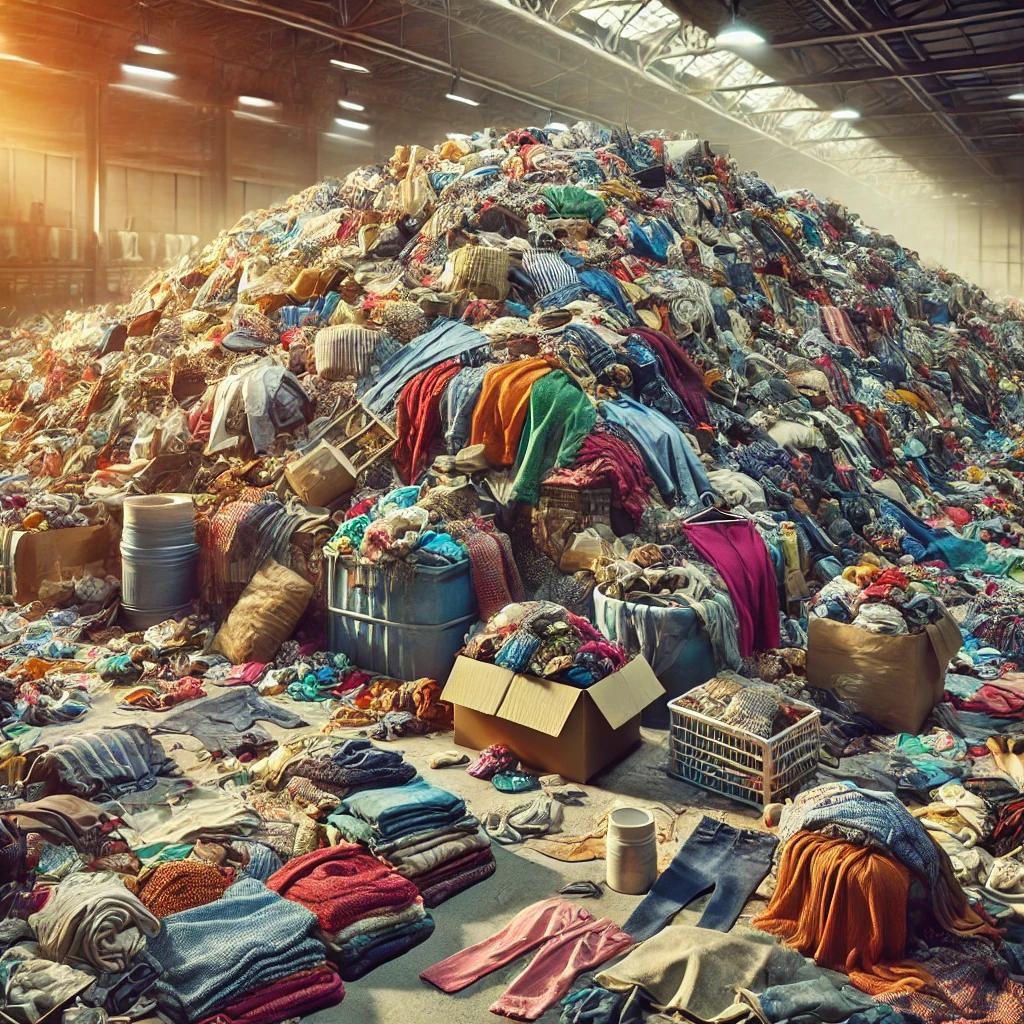
In order to reduce the damage from textile industry waste, it is necessary to implement effective methods of environmental management, which include various stages of collection, sorting, processing and recycling of waste. One of the key approaches to reducing the volume of textile waste is to implement more environmentally friendly production processes that allow to reduce the amount of waste and pollutants.
Another important area is increasing the level of reuse (R7) of textile materials, which includes recycling old or defective products into new products. This not only reduces the volume of waste, but also contributes to the saving of resources needed for the production of new materials. Waste management of the textile industry should take into account the possibility of reuse and recycling, which contributes to the creation of a circular economy.
In addition, it is important to implement wastewater treatment technologies and reduce the emission of harmful substances into the environment. This may include the installation of treatment facilities that allow the retention and neutralization of toxic substances used in the production of textile products.
Operations for collection, sorting, crushing and treatment (D13) of textile waste must be organized in such a way as to minimize dust generation and air pollution. This includes the use of modern technologies and equipment that allow to reduce emissions of harmful substances in the process of waste treatment.
An important aspect is also raising public awareness of the importance of environmental management of waste from the textile industry. This may include information campaigns aimed at encouraging more responsible consumption of textiles and supporting initiatives to reuse materials.
Information about the company UtilVtorProm
The company UtilVtorProm is engaged in environmental management of waste from the textile industry, offering a full range of services for their collection, sorting, transportation and processing. Thanks to many years of experience and the use of modern technologies, our company provides safe and effective waste management, which contributes to reducing their negative impact on the environment and human health.
We ensure that all operations of collection, sorting, crushing and processing of waste from the textile industry are carried out in accordance with the highest quality and safety standards. Our specialists are constantly improving the methods of ecological waste management of the textile industry in order to ensure maximum efficiency and minimize harmful effects on the environment.
The company UtilVtorProm strives to be a leader in the field of waste management of the textile industry, offering its customers individual solutions that meet their needs and requirements. We are confident that our approach to sustainable textile waste management will help create a more sustainable future for all.
Why choose us
Professional waste management with care for the environment
Modern equipment
We use the latest technologies for efficient processing
Wide range of services
Comprehensive solutions for all types of waste
Comprehensive approach
Full management cycle from collection to disposal
Qualified staff
Experienced specialists with relevant certificates
All types of waste
We work with industrial waste
Over 10 years in the market
Reliable partner for businesses and organizations
Customer Reviews
Hryshchenko Tetiana
09.11.2023Hello. Thank you for your cooperation. We spent a long time choosing a partner for environmental management of hazardous waste and settled on this company. Everything is super. Thank you for your work. Special respect for the human attitude.
Ponomarenko Viktoriia
30.12.2023Hello. We have been looking for a reliable partner in the field of waste management for a long time. The website indicated that there are licenses for ecological waste management, this is extremely important for us. Everyone would like such a level of service as here. Very satisfied with the work. The best in their field. Contact us.
Svitlychna Serhii
20.01.2024Pleasantly surprised. Thank you for your work. We chose between two companies and chose this one. I would like to write a few positive words to the management of your company. Thank you for your cooperation. It is a pleasure to recommend such a company to others.
Zaytsev Ivan
02.02.2024Thank you for the completed order. The choice was obvious, since we need a partner with all the permits. It was important for us to have a license for environmental waste management. It turned out that this is not the main thing. It is really convenient to work with you. A reliable company that you can vouch for.
Mariana Knysh
07.08.2024UtylVtorProm handled hazardous waste at our facility with precision and strict attention to safety. Their structured workflow ensured smooth, reliable, and efficient cooperation.
Oleksii Tereshchuk
30.10.2024The company provided safe transportation and effective processing of our industrial waste. Their professionalism and consistent coordination fully met our expectations.
Leave a Review
Share your experience working with us
