13 03 Waste oils for insulation and heat transfer
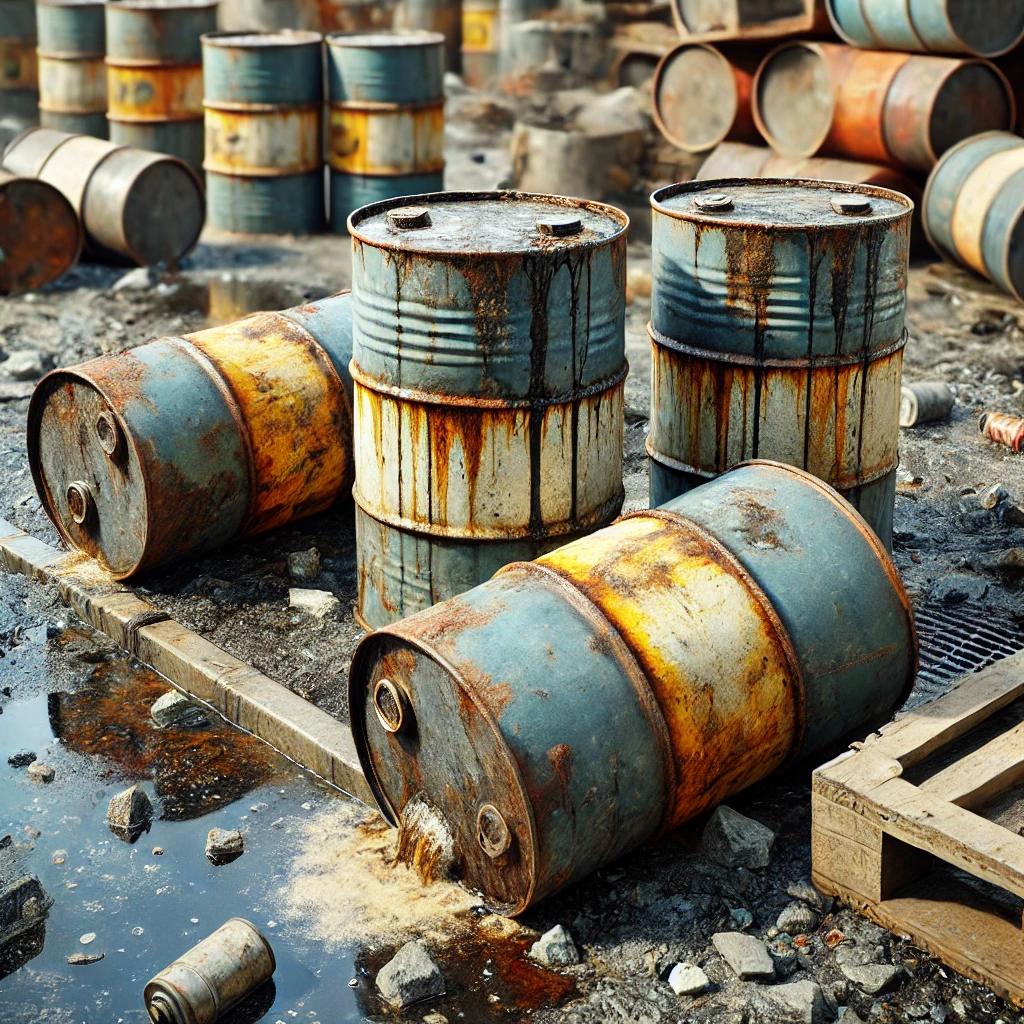
Waste insulation and heat transfer oils are becoming an increasingly serious problem in today's world, particularly in the industrial and energy sectors. Oils are used in a variety of processes where high levels of heat transfer and insulation are required, such as transformers, electrical generators, refrigeration systems, and many other processes. Over time, these oils lose their properties, become contaminated or degrade due to use, and need to be replaced.
The problem is that used oils for insulation and heat transfer often contain toxic substances, including heavy metals, polychlorinated biphenyls (PCBs), and other harmful chemical compounds that can have a significant negative impact on the environment and people's health. In addition, these wastes often accumulate in large volumes, creating additional challenges for their safe management.
Methods of environmental management of waste oils for insulation and heat transfer require a serious approach, as improper management of these wastes can lead to soil, water and air pollution. As a result, there is a need to develop and implement effective systems for collecting, sorting, processing and transporting waste, which will minimize risks to the environment and human health. Services for waste management, collection and processing: Waste oils for insulation and heat transfer Code NPV 13 03.
Waste oils for insulation and heat transfer. Code according to the National List of Waste 13 03. Operations according to Appendices 1, 2 to the Law of Ukraine "On Waste Management" R5, D10.
A pity for the environment and people
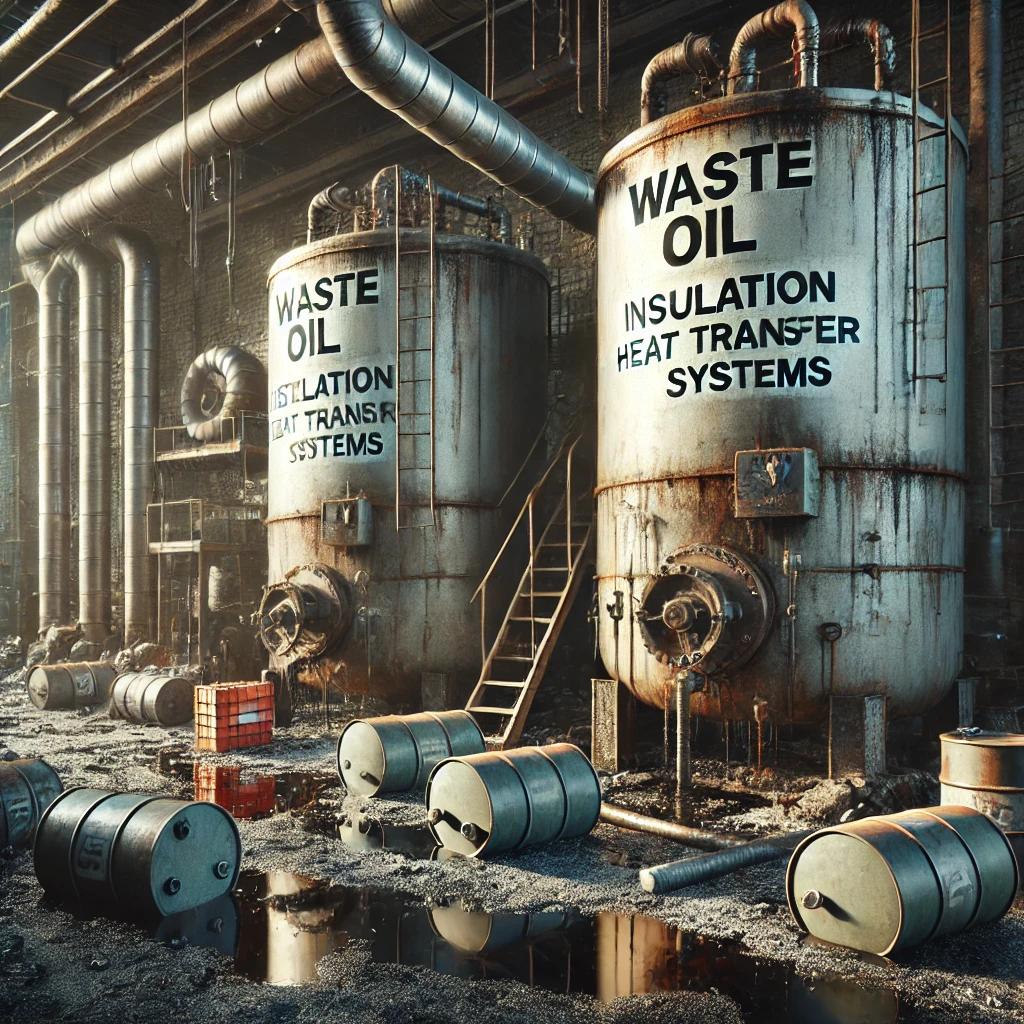
Environmental management of waste insulation and heat transfer oils is of particular importance given the potential damage they can cause to the environment. Used oils containing polychlorinated biphenyls and other toxic components can cause soil and water pollution if they enter the natural environment without proper treatment. Pollution can have long-term consequences, because these chemical compounds can accumulate in food chains, which leads to an increase in the level of toxicity in living organisms.
One of the biggest threats is the leakage of these oils into water systems. They can cause significant pollution of rivers, lakes and groundwater, which complicates the process of cleaning water resources and affects water supply. Oils that get into reservoirs create a film on the surface of the water that prevents the access of oxygen, which can lead to the death of aquatic flora and fauna.
It is also important to note that improper storage or burial of used oils can lead to long-term contamination of the soil, which further complicates its reclamation. This is especially relevant in conditions where contaminated sites are located near residential areas or agricultural land.
Pity for people
The damage that waste oils for insulation and heat transfer can cause to people's health is significant and requires special attention. It is important to understand that this waste can contain a variety of toxic substances, such as heavy metals, polychlorinated biphenyls, as well as other dangerous chemicals that pose a serious threat to human health upon contact.
One of the main dangers for humans is that these substances can enter the body through the skin, respiratory tract or with food and water that has been contaminated with waste. It is known that polychlorinated biphenyls, for example, have a carcinogenic effect and can cause various diseases, including cancer, disruption of the endocrine system, the immune system, and also negatively affect reproductive function.
Other components of used oils, such as heavy metals, can cause poisoning with serious symptoms such as nervous system disorders, liver and kidney damage, and other serious diseases. Employees of enterprises that collect, process and transport these wastes are in particular danger, as they may be regularly exposed to these substances.
Ways to reduce harm
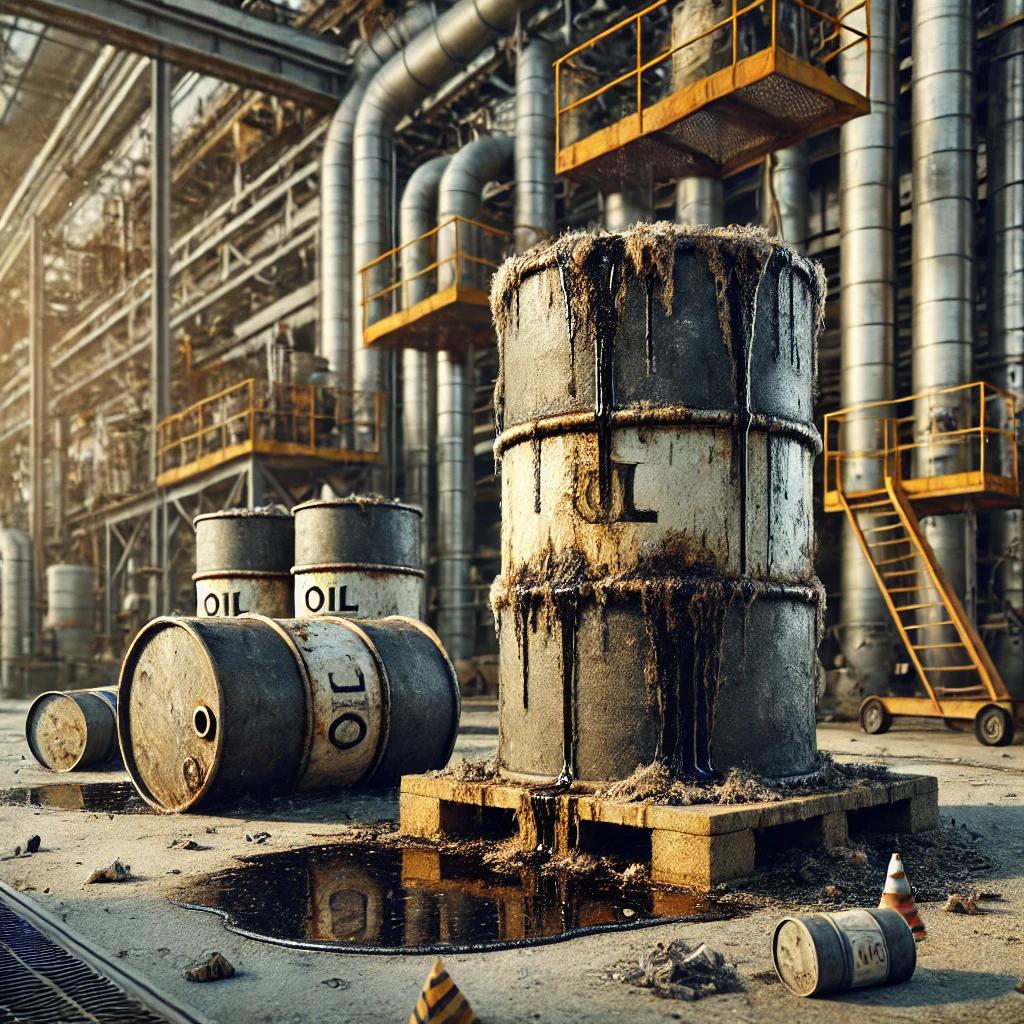
Given the serious threats associated with waste oils for insulation and heat transfer, effective measures must be taken to reduce harm to both the environment and human health. Effective environmental management of waste insulation and heat transfer oils can significantly reduce risks and ensure safer handling.
The main ways to reduce harm include:
- implementation of technologies for purification and processing of used oils in order to reduce their toxicity (R5);
- use of advanced waste collection and sorting methods that minimize the risk of leaks and pollution;
- regular monitoring of the condition of systems using oils to prevent their premature failure and contamination;
- increasing the level of awareness among workers who work with oils about the risks and methods of safe work;
- creating a system of efficient transportation of waste oils for insulation and heat transfer, which will ensure their safe transportation to places of treatment or destruction (D10).
Reducing the harm from used oils is also possible due to the development of new technologies that allow replacing traditional oils with environmentally safe analogues that have less impact on the environment and human health.
Information about the company UtilVtorProm
The UtilVtorProm company is actively engaged in ecological management of waste oils for insulation and heat transfer, implementing advanced methods of collection, sorting, crushing and processing of this waste. Thanks to many years of experience and innovative approaches, we ensure the safe transportation of waste oils for insulation and heat transfer, minimizing risks to the environment and human health. We provide comprehensive solutions for effective waste management, which helps our customers to comply with environmental standards and keep the environment clean.
Our operations for collecting, sorting, crushing and processing waste oils for insulation and heat transfer meet the highest quality standards, which allows us to ensure the safety and environmental friendliness of all stages of handling waste. We are always open for cooperation and offer individual solutions that take into account the specifics of each project.
Why choose us
Professional waste management with care for the environment
Modern equipment
We use the latest technologies for efficient processing
Wide range of services
Comprehensive solutions for all types of waste
Comprehensive approach
Full management cycle from collection to disposal
Qualified staff
Experienced specialists with relevant certificates
All types of waste
We work with industrial waste
Over 10 years in the market
Reliable partner for businesses and organizations
Customer Reviews
Chernenko Kateryna
09.11.2023The director asked me to write a review. It is difficult to find a reliable partner in the matter of environmental management of hazardous waste. I liked the work of your company in the management of hazardous waste. Thank you for your help. I wish all companies in Ukraine worked at such a high level as this one. Thank you. I recommend.
Ivanova Mariia
18.12.2023Convenient to work with. We ordered operations for collecting, sorting, crushing and processing hazardous waste yesterday, and the work was done tomorrow. We were looking for a reliable partner and settled on your company. This is the hazardous waste management company we were looking for. I definitely recommend this company.
Ponomarenko Pavlo
08.01.2024It is quite difficult to find reliable contractors. The website indicated that there are licenses for ecological waste management, this is extremely important for us. We were very pleased with the services. Thank you for completing the urgent order. We recommend cooperation.
Zakharchenko Denys
13.02.2024It was urgent, the work was done promptly. We were pressed for time, so we contacted this company, it was the first one that caught our eye. I liked the work of your company on hazardous waste management. Thank you for your help. Now that's what I call service. Thank you. We recommend it.
Leave a Review
Share your experience working with us
