01 03 09 Red sludge from the production of alumina other than waste specified under code 01 03 10
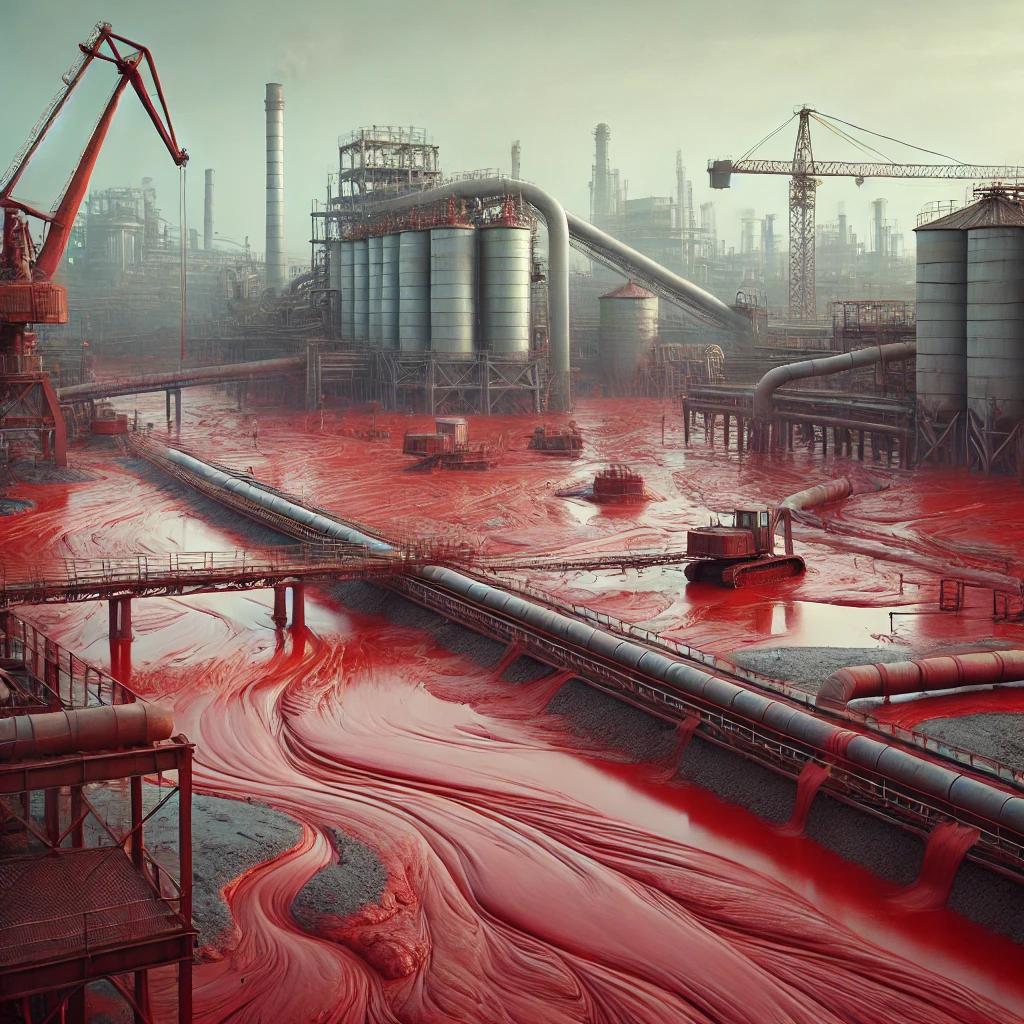
Red slime is a by-product of the alumina production process, which is formed during the processing of bauxite by the Bayer method. This waste consists mainly of iron oxides, which gives it a characteristic red color. In addition to iron oxides, red mud contains other metals such as titanium, vanadium, and rare earth elements. The problem of this type of waste is its large volumes generated in the production process, as well as its chemical activity and toxicity.
Unlike other waste listed under code 01 03 10, red mud has a high level of alkalinity, which makes it corrosive and dangerous for the environment. Failure to properly manage these wastes can lead to serious environmental disasters. The main problems are related to the generation of large quantities of sludge and its storage, as traditional methods of storage, such as sludge storages, are potentially hazardous.
In addition, red mud contains toxic elements that can enter the soil and water sources, which poses an additional threat to the environment and human health. Exposure to heavy metals, such as arsenic, lead and cadmium, which can cause various diseases and disorders of the body's functions, is especially dangerous.
Alumina production is one of the most resource-intensive processes, requiring large quantities of bauxite and water. This puts additional pressure on natural resources and ecosystems. In this regard, it is necessary to develop and implement methods of effective waste management in order to reduce the negative impact on the environment and ensure the sustainable development of the industry.
One of the main problems associated with red mud is its accumulation in large volumes. Sludge storages occupy significant areas of land that could be used for other needs. In addition, sludge storage facilities can become a source of soil and water pollution in case of accidents or improper management.
The difficulty of red mud processing lies in its chemical resistance and high alkalinity. Traditional methods of waste processing are often not suitable for this type of waste, which requires the development of special technologies. This makes the recycling process expensive and energy intensive, creating additional challenges for the industry. Waste management, collection and processing services: Red sludge from the production of alumina other than the waste specified under code 01 03 10 NPV code 01 03 09
A pity for the environment and people
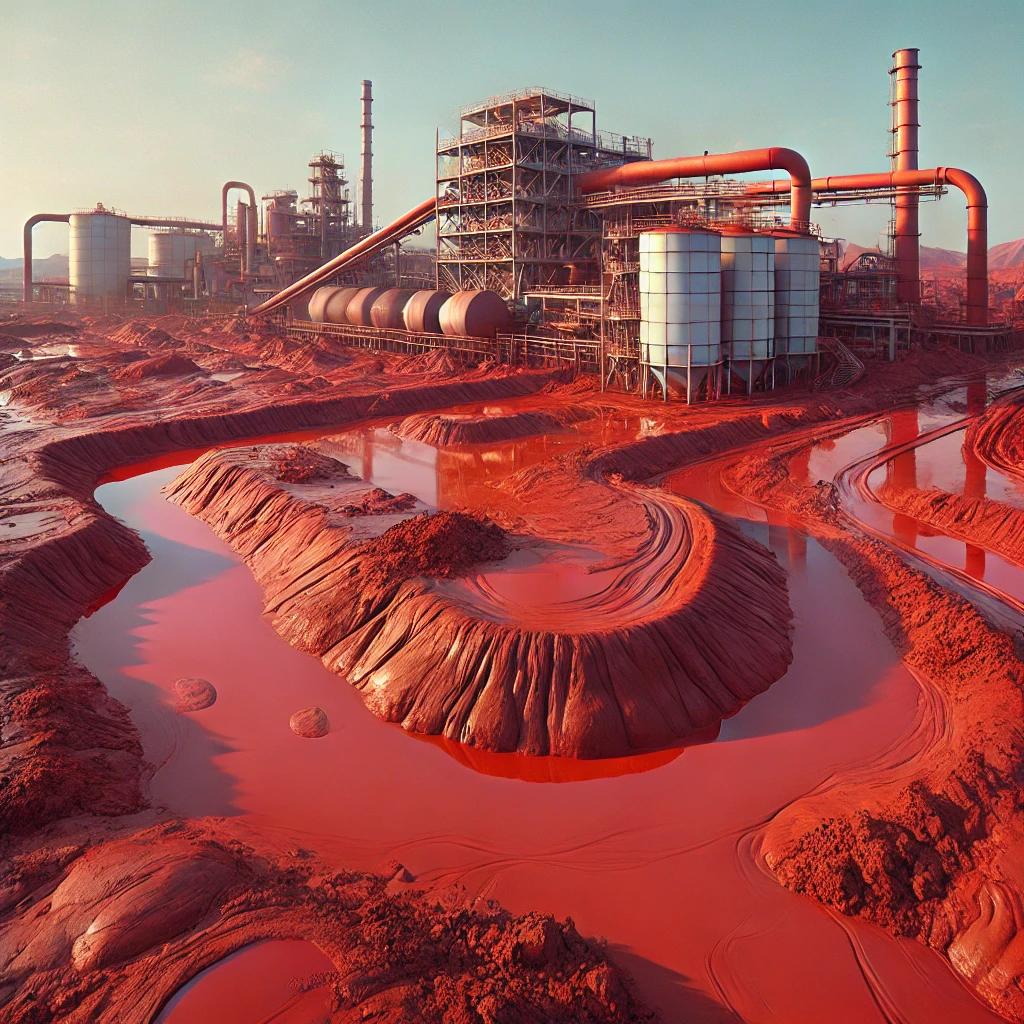
Red slime is a serious threat to the environment due to its composition and properties. The high alkalinity of this waste can cause corrosion of the equipment and infrastructure used to store and transport it. This increases the risk of leaks and accidents that can lead to the contamination of large areas of land and water resources.
The main damage to the environment is the contamination of soil and water with heavy metals and other toxic elements contained in red mud. Heavy metals such as arsenic, cadmium, lead and chromium can enter water sources and soils, where they accumulate and harm flora and fauna. This can lead to a decrease in biodiversity and disruption of ecosystems.
The high alkalinity of red mud can also affect soil structure, making it unsuitable for agriculture and other activities. Alkalinity can cause the destruction of soil structures, making it difficult to restore vegetation and natural ecosystems. This can lead to land degradation and a decrease in their productivity.
If red mud gets into water resources, it can cause a decrease in water quality, which affects the life of aquatic organisms and the health of people who use this water for drinking or economic needs. In addition, sludge can accumulate in bottom sediments, creating long-term sources of pollution.
- pollution of water resources;
- decreasing water quality;
- accumulation of heavy metals in soils;
- impact on flora and fauna;
- corrosion of soil and infrastructure.
Pity for people
Red sludge poses a significant threat to human health due to the presence of heavy metals and other toxic elements in its composition. These substances can enter the human body through water, food or air, which can lead to a number of serious diseases. Heavy metals such as arsenic, lead and cadmium are known for their toxicity and ability to cause chronic diseases.
Inhalation of red mud dust, which may rise into the air during its transportation or storage, is dangerous for the respiratory system. Inhalation of this dust can cause respiratory diseases, allergic reactions and exacerbation of chronic diseases. Children, the elderly and those who already have chronic diseases are especially vulnerable to the effects of red mud.
In addition, contact with water or soil contaminated with red mud can lead to dermatological problems and other skin diseases. Toxic elements can cause skin irritation, allergic reactions and other dermatological problems. This is especially dangerous for people who work in the field of storage and processing of this waste.
Heavy metals contained in red mud can also cause serious systemic diseases such as cancer, nervous system damage, liver and kidney dysfunction. Long-term accumulation of these elements in the body can lead to chronic diseases and a decrease in the quality of life.
- oncological diseases;
- damage to the nervous system;
- disruption of liver and kidney functions;
- respiratory diseases;
- dermatological problems.
Red sludge from the production of alumina is different from the waste specified under the code 01 03 10. The code according to the National list of waste 01 03 09. Operations according to Annexes 1, 2 to the Law of Ukraine “On Waste Management&rdquo ; D13, D15, D5.
Ways to reduce harm
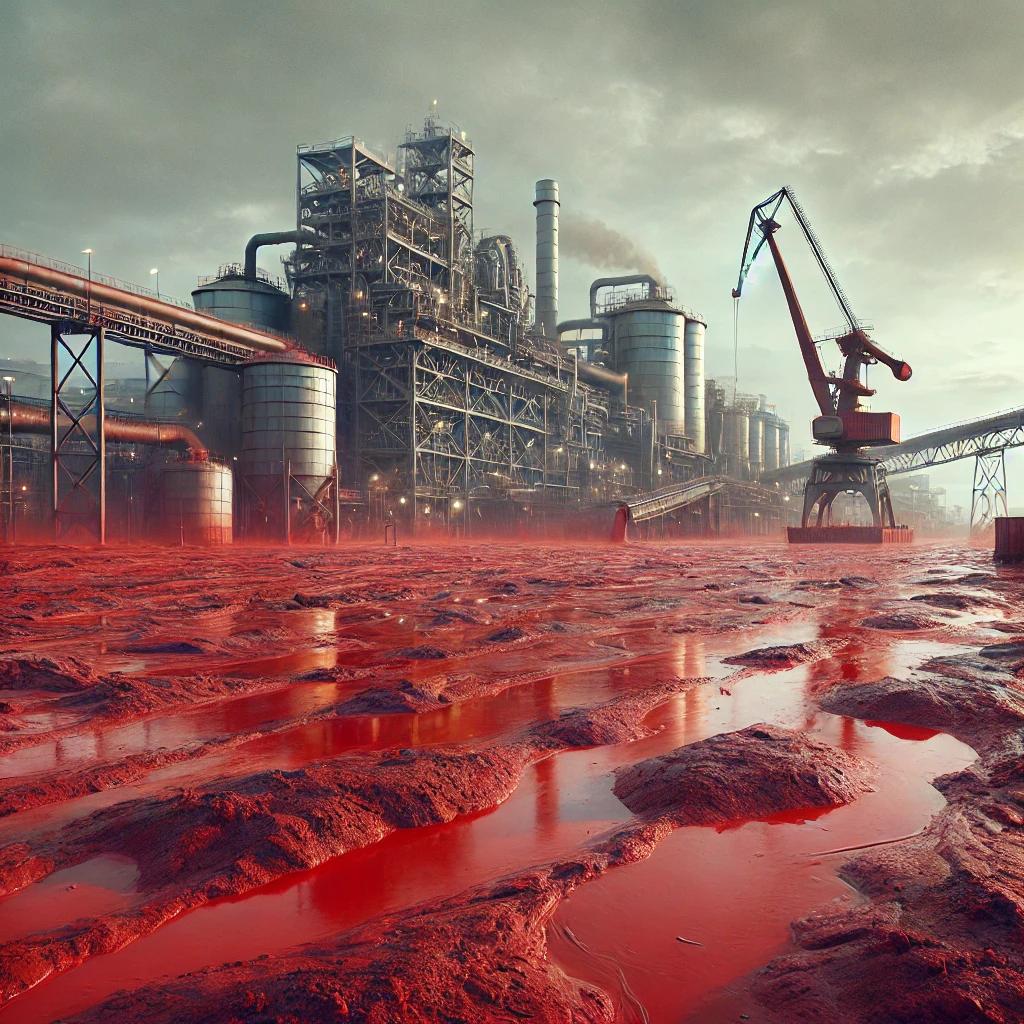
Reduction of harm from red mud requires an integrated approach, which includes methods of environmental management of hazardous red mud waste from alumina production, other than the waste specified under code 01 03 10. Among the main directions, the introduction of modern technologies for disposal of harmful components, use of sludge as a secondary raw material for the production of construction materials, creation of safe places for storage and burial of sludge, as well as development and implementation of programs for monitoring the state of the environment.
Furthermore, the transport of red mud waste from alumina production, other than the waste specified under code 01 03 10, plays an important role, ensuring their safe transport to processing or storage sites (D15). This includes the use of specialized vehicles that minimize the risk of leaks and environmental pollution.
Organization of harvesting, sorting, crushing and processing operations is also important (D13) red mud waste from the production of alumina other than the waste specified under code 01 03 10. These operations make it possible to use available resources as effectively as possible and reduce the amount of waste to be stored or buried.
Methods of environmental management of red mud waste from alumina production other than waste specified under code 01 03 10 may include the use of chemical methods to neutralize alkalinity, the introduction of processing technologies to extract valuable components, and the use of biological methods for reducing waste toxicity. These approaches help to reduce the negative impact on the environment and human health.
The introduction of modern technologies for neutralization of harmful components of red mud is one of the key directions in reducing its negative impact. This may include the use of chemical reagents to neutralize alkalinity, the use of technologies for the extraction of valuable metals and other useful components, as well as the introduction of heat treatment methods to reduce toxicity.
Using red mud as a secondary raw material for the production of construction materials is another effective way to reduce its negative impact. This can include the production of bricks, concrete, ceramics and other building materials, which allows to reduce the volume of waste and ensure their safe storage.
Creating safe places to store and bury red mud is also an important direction in reducing its damage. This may include the construction of specialized sludge storage facilities with protective barriers to prevent leakage and environmental pollution. Such storage facilities must be equipped with monitoring and control systems that ensure constant supervision of the state of waste. (D5)
Development and implementation of environmental monitoring programs is an important element in reducing red mud damage. This may include regular testing of water resources, soils and atmospheric air for the presence of toxic elements contained in the waste. Such programs help to detect and respond in a timely manner to possible pollution, ensuring protection of the environment and human health.
- implementation of modern technologies for neutralization of harmful components
- use of sludge as a secondary raw material for the production of building materials
- creating safe places for sludge storage and burial
- development and implementation of environmental monitoring programs
- organization of waste collection, sorting, crushing and processing operations
- transportation of hazardous red mud waste to processing or storage sites
UtilVtorProm company
The UtilVtorProm company is a leader in Ukraine in the field of environmental management of hazardous waste. Our mission is to ensure the safety of the environment and human health through effective waste management. We offer comprehensive solutions that include the collection, sorting, transportation and processing of hazardous waste.
We use modern technologies and adhere to the highest quality standards, which allows us to achieve high results in the field of environmental management of hazardous red mud waste from the production of alumina other than waste specified under code 01 03 10. Our team of professionals is always ready to provide advice and help in solving any environmental issues.
- Other sludge from wastewater treatment at the enterprise (except code 03 03 10)
- Other waste from stone cutting and sawing, except for code 01 04 07
- Other sludges from sewage treatment, except for code 07 05 11
- Sludges from sewage treatment, except those specified in code 07 04 11
- Sediments from industrial wastewater treatment, except for those specified under code 07 01 11
Why choose us
Professional waste management with care for the environment
Modern equipment
We use the latest technologies for efficient processing
Wide range of services
Comprehensive solutions for all types of waste
Comprehensive approach
Full management cycle from collection to disposal
Qualified staff
Experienced specialists with relevant certificates
All types of waste
We work with industrial waste
Over 10 years in the market
Reliable partner for businesses and organizations
Customer Reviews
Kozlovskyi Anastasiia
23.10.2023Nowadays, you cannot trust responsible work to untested people. I was interested in the speed of work and this was the decisive factor. We are pleased with the cooperation on the issue of hazardous waste management. A role model for others. We recommend!
Sydorenko Serhii
09.12.2023I would like to thank you for the high-quality work on waste management. The decision in choosing an environmental hazardous waste management contractor was obvious. The quality of services is at the highest level. A professional approach to hazardous waste management. Highly recommended.
Polischuk Iryna
13.01.2024Thank you for your quick response and solution to our problem with environmental waste management. We were choosing between two companies and chose this one. We will contact you in the future regarding hazardous waste management issues. We have never regretted that we came here. We recommend it to everyone.
Voronin Dmytro
18.02.2024We were pleasantly surprised. Thanks for the work. The decision in choosing an environmental hazardous waste management contractor was obvious. Operations for collecting, sorting, crushing and processing hazardous waste are no longer a burden. Convenient and easy to work with. Thank you. Very pleased with the work.
Nazar Verbytskyi
23.06.2024UtilVtorProm arranged an orderly system for hazardous waste handling at our company. Transportation and subsequent processing were managed consistently.
Khrystyna Malysheva
25.08.2024UtilVtorProm provided reliable environmental support with clear oversight of waste-related activities. Their structured coordination ensured smooth operations.
Leave a Review
Share your experience working with us
