17 05 08 Road ballast (crushed stone) other than specified under code 17 05 07
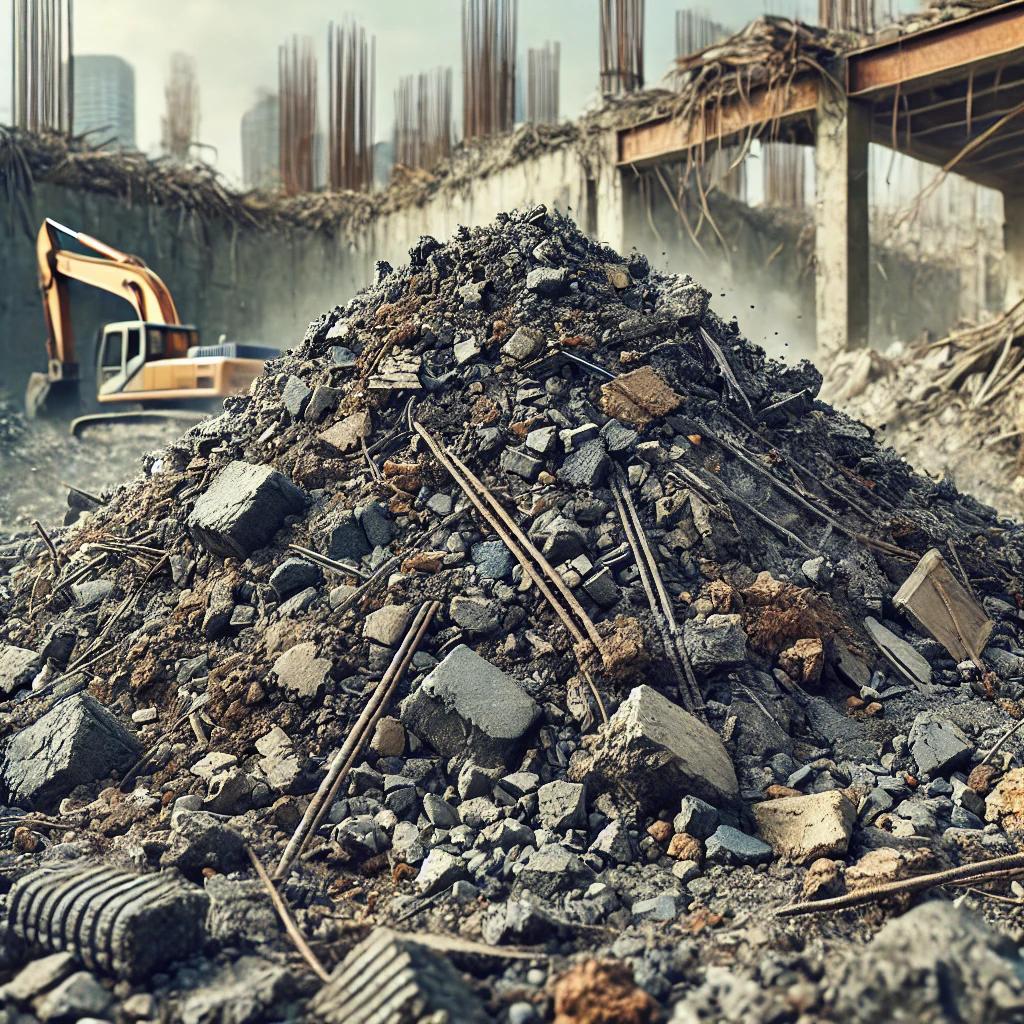
Road ballast, in particular crushed stone, is an integral component of road construction, which ensures the stability and durability of the road surface. However, at the end of its useful life, this material often falls into the category of waste. Crushed stone that does not fall under code 17 05 07, that is, that is not considered contaminated, can have a variety of physical and chemical properties that make it difficult to process and reuse. In this article, we will consider the problems associated with this waste, the harm to the environment and people, as well as possible ways to reduce this harm.
Road ballast waste, especially crushed stone that does not fall under code 17 05 07, is a serious problem for modern ecology and waste management. They often remain on construction sites or are taken to special landfills, where their processing or proper storage is problematic. This is due to the diversity of the chemical composition and physical properties of such waste, which greatly complicates their proper management.
The problem is exacerbated by the fact that road rubble can contain impurities such as residues of bitumen, cement or other construction materials that can be harmful to the environment. In addition, improper management of such waste can lead to soil and water pollution, which is a critical issue for any country.
Improper management of road ballast waste can lead to serious environmental and social problems. Such waste can occupy large areas, which creates additional pressure on land resources. Also, due to improper storage or disposal, they can become a source of air and water pollution, which poses a threat to human health and ecosystems.
The difficulty lies in the fact that there are not always standardized treatment methods for such waste, which greatly complicates their processing and reuse. Often, crushed stone after road works remains in nature, where its natural degradation can last for decades, which creates an additional burden on ecosystems. Waste management, collection and processing services: Road ballast (rubble) other than specified under code 17 05 07 NPV code 17 05 08.
Road ballast (crushed stone) other than specified under code 17 05 07. Code according to the National List of Waste 17 05 08. Operations according to Appendices 1, 2 to the Law of Ukraine "On Waste Management" D13, R5.
A pity for the environment and people
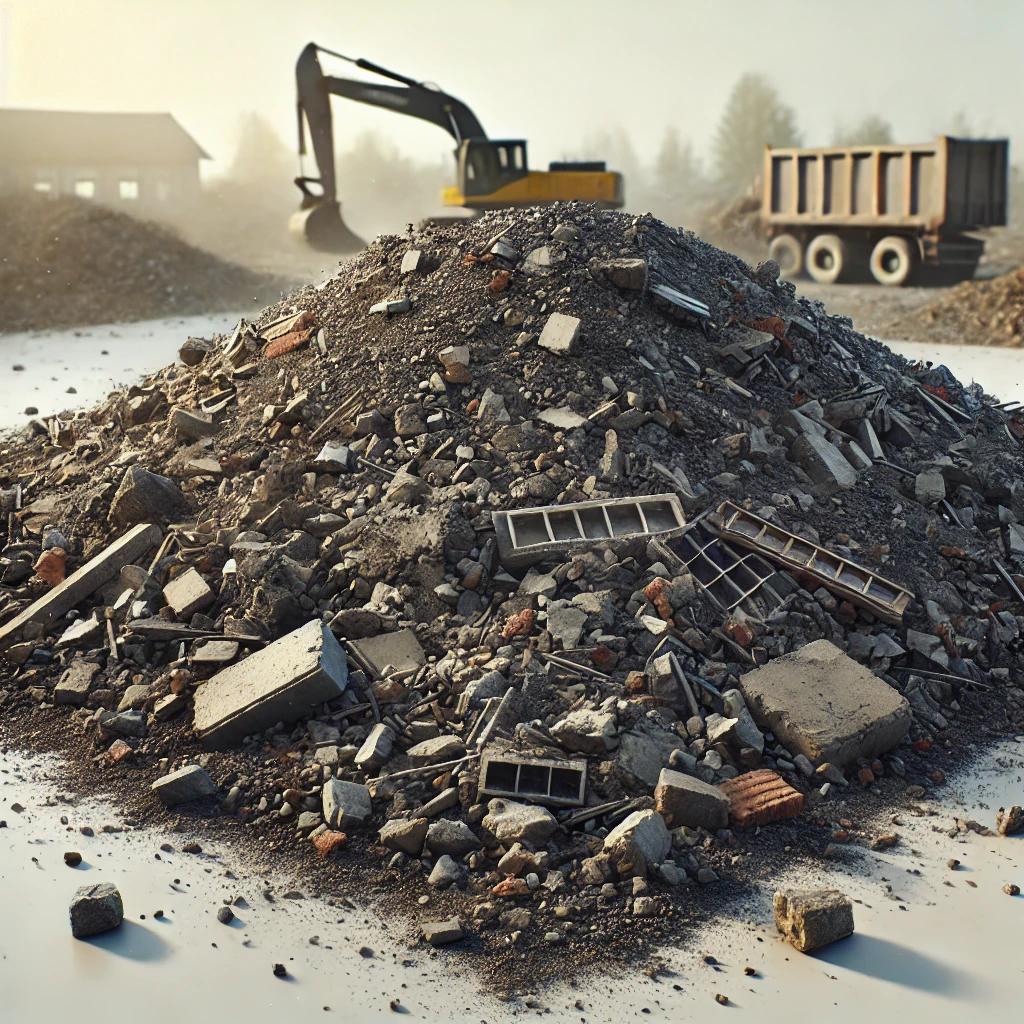
Improper management of road ballast waste can cause significant damage to the environment. One of the main problems is soil pollution. Crushed stone, which does not fall under code 17 05 07, often contains residues of other materials such as bitumen, cement and other harmful substances. These impurities can penetrate into the soil, worsening its quality and fertility.
There is also a risk of water pollution. During rains or snowmelt, harmful substances can wash out of the crushed stone and get into groundwater or reservoirs, which leads to their pollution. This poses a threat to the quality of drinking water and can also have serious consequences for flora and fauna.
Another problem is air pollution. During the transportation and processing of crushed stone waste, dust particles and other harmful substances can enter the air, which worsen the air quality. This is especially relevant in densely populated areas, where such pollution can have serious consequences for people's health.
In addition, improper storage or disposal of crushed stone can lead to soil erosion and degradation of natural landscapes. Large piles of crushed stone left at construction sites or landfills can change the natural topography and contribute to the emergence of erosion processes. This, in turn, can lead to the loss of fertile land and a decrease in biodiversity.
Pity for people
Road ballast waste, especially crushed stone, can pose a serious threat to human health. One of the main risks is air pollution by dust and other particles arising during the transportation, sorting and processing of such waste. Inhaling these particles can lead to various respiratory diseases, including chronic obstructive pulmonary disease, bronchitis and even lung cancer.
Another threat is chemical pollution. Road rubble can contain residues of bitumen, cement, lubricants and other chemicals that can penetrate into the soil and water. This can lead to poisoning and other serious illnesses in people who consume contaminated water or foods grown on contaminated land.
In addition, rubble waste can be a source of injury. Large stones or sharp debris can pose a danger to people working on construction sites or near storage sites for such waste. Cuts, shocks and other injuries can be common, especially if waste is not properly stored or transported.
In addition, there is a risk of social conflicts. Improper management of crushed stone waste can cause resentment among local residents, who may feel that the waste degrades their quality of life. This can lead to protests, legal disputes and other conflicts, which negatively affects social stability and trust in authorities and construction companies.
Ways to reduce harm
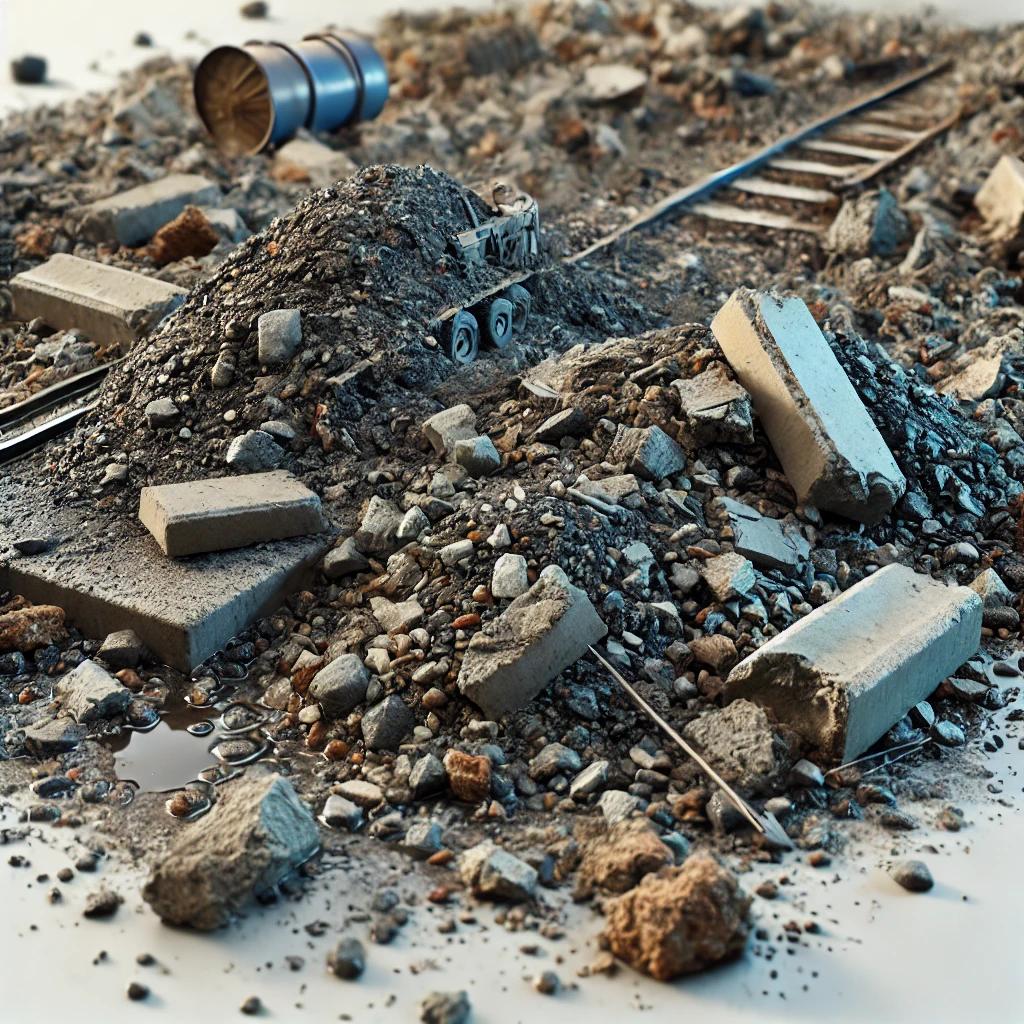
There are various methods of environmental management of waste road ballast (crushed stone) other than that specified under the code 17 05 07, which can help reduce the negative impact on the environment and human health. One of the most effective ways – this is the reuse of such materials in construction. Crushed stone can be used to create new road surfaces or as a substrate for sidewalks and other building structures.
It is also important to carry out operations for collecting, sorting, crushing and processing (D13) waste road ballast (crushed stone) other than that specified under code 17 05 07, which allows to reduce the amount of waste that needs to be stored or processed (R5). Such operations help to separate harmful impurities and ensure the possibility of reuse of materials.
In addition, it is important to ensure the proper transportation of waste road ballast (crushed stone) other than that specified under code 17 05 07. This includes the use of closed containers and specialized vehicles that minimize the risk of air and environmental pollution under waste transportation time.
Environmental management of road ballast (crushed) waste, other than that specified under code 17 05 07, also includes the application of the latest processing technologies. This may include the use of specialized equipment for crushing and sorting rubble, which allows for the effective separation of harmful impurities and the possibility of reusing materials.
It is also important to develop a waste control and monitoring system. Regular analyzes and tests allow timely detection of the presence of harmful substances in waste and taking measures to neutralize or neutralize them.
Information about the company "UtilVtorProm"
The company "UtilVtorProm" is a leading Ukrainian enterprise specializing in environmental management of various types of waste, including road ballast (crushed stone), which does not fall under code 17 05 07. Our company offers a wide range of services, including collection, transportation, sorting and processing of such waste.
Our company also actively cooperates with state bodies and local communities, offering solutions for waste management that contribute to improving the environmental situation in Ukraine. The main goal of "UtilVtorProm" is to ensure sustainable development and preserve natural resources for future generations.
Why choose us
Professional waste management with care for the environment
Modern equipment
We use the latest technologies for efficient processing
Wide range of services
Comprehensive solutions for all types of waste
Comprehensive approach
Full management cycle from collection to disposal
Qualified staff
Experienced specialists with relevant certificates
All types of waste
We work with industrial waste
Over 10 years in the market
Reliable partner for businesses and organizations
Customer Reviews
Savenko Oksana
05.11.2023We have been planning to write a review for a long time, but never got around to it. We ordered operations for collecting, sorting, crushing and processing hazardous waste and did not regret it. We liked literally everything: the management, the approach to work and punctuality. A reliable company that you can vouch for.
Yefremova Yuliia
19.12.2023Thank you very much for the speed of work. The director set the task to solve the issue of environmental management of hazardous waste. The presence of licenses was critically important. We were satisfied with the cooperation. It is always a pleasure to work with such a company. I recommend.
Sydorenko Oleksandr
13.01.2024Recently ordered ecological management of hazardous waste. Our suppliers advised us to contact them specifically on issues of ecological management of hazardous waste. We are satisfied with the cooperation on the issue of hazardous waste management. It is a pleasure to recommend such a company to others.
Zinchenko Yevheniia
15.02.2024This is my first time writing a review. I am completely satisfied with the cooperation. Always on time and without delays. We decided to work only with this company, because a license for the transportation of hazardous waste is an indicator of trust. I really liked the work of this company. It is nice to leave a review about such a company.
Serhii Diachuk
02.11.2024UtylVtorProm completed all hazardous waste management tasks efficiently and in accordance with environmental standards. We note their responsible approach, clear coordination, and high level of organization.
Olha Hordiichuk
22.03.2025We are satisfied with the results of our cooperation with UtylVtorProm. All work was carried out on time, professionally, and in full compliance with environmental safety requirements.
Leave a Review
Share your experience working with us
