16 01 18 Non-ferrous metals
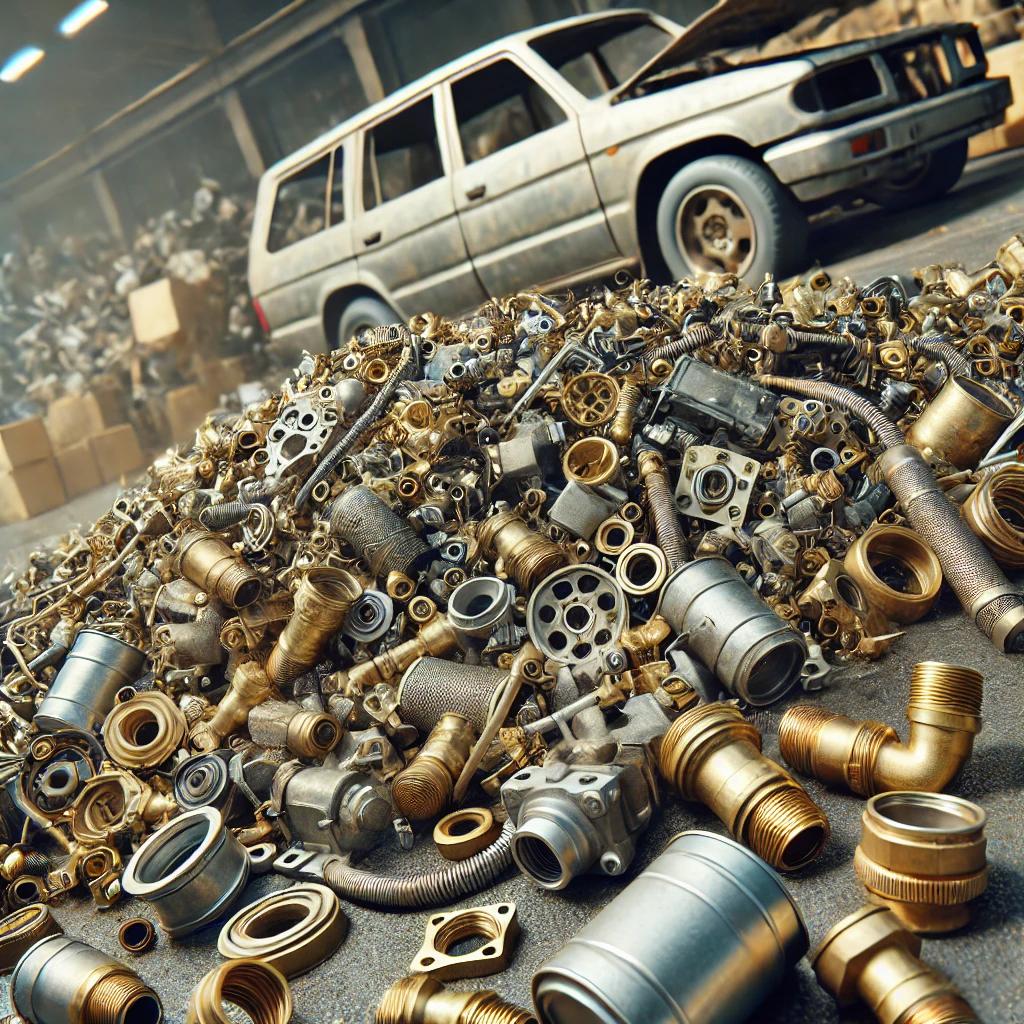
Non-ferrous metals play an important role in modern industry and everyday life, but when it comes to end-of-life vehicles of various types, as well as the waste generated during the dismantling and maintenance of these vehicles, there is a serious problem for the environment and human health. In this article, we will consider the issue of non-ferrous metal waste management arising from the decommissioning of vehicles and their processing.
With the development of the automotive industry and infrastructure, the number of vehicles reaching the end of their life cycle is increasing. This leads to a large amount of waste, in particular non-ferrous metals contained in vehicle parts. Waste from the dismantling and maintenance of vehicles often includes aluminum, copper, lead and other non-ferrous metals that can have a negative impact on the environment and human health.
Non-ferrous metals are used in the automotive industry because of their unique properties such as lightness, corrosion resistance and conductivity. However, at the end of the life of the vehicles, these metals become waste, which must be properly treated and disposed of. Violation of the process of environmental management of non-ferrous metal waste can lead to significant environmental pollution and negative consequences for human health.
Non-ferrous waste collection, sorting, crushing and processing operations are an important part of the waste management process. However, these operations may not be sufficiently efficient or environmentally safe, which leads to additional risks for the environment. The transportation of non-ferrous metal waste can also become a source of pollution, especially if it is carried out improperly. Services for waste management, collection and processing: Non-ferrous metals, NPV code 16 01 18.
A pity for the environment and people
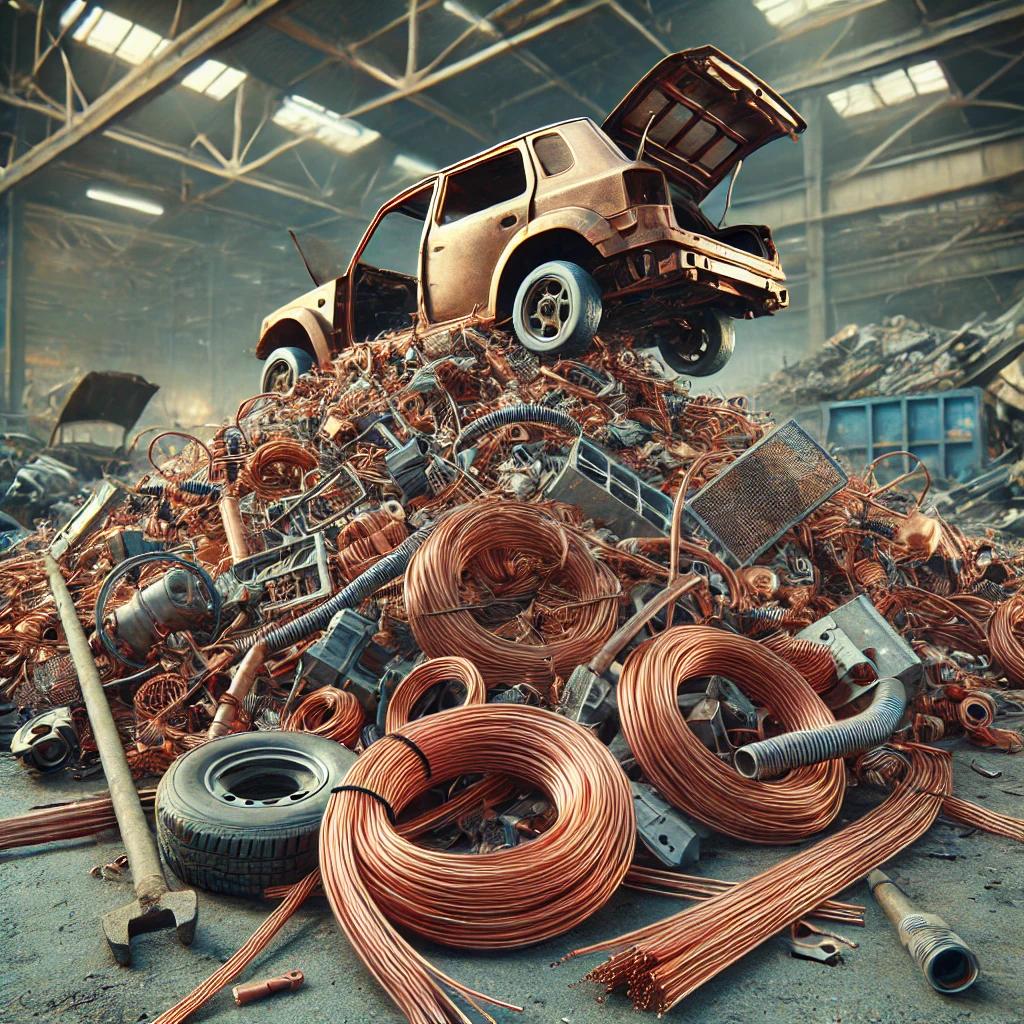
Non-ferrous metal waste generated as a result of the decommissioning of vehicles can cause significant damage to the environment. When non-ferrous metals enter soil or water, they can cause heavy metal pollution that is toxic to plants and animals. Particularly dangerous are lead and cadmium, which can accumulate in living organisms and harm ecosystems.
Besides direct pollution, non-ferrous metal waste can also contribute to greenhouse gases if not properly managed and treated. Methods of environmental management of non-ferrous metal waste help to reduce these risks, but they require a systematic approach and careful control at each stage.
Another aspect is air pollution during the operations of collecting, sorting and crushing metal waste. Inappropriate technologies or non-compliance with regulations can lead to the release of harmful substances into the air, which negatively affects the air quality in the region and the health of local residents.
Pity for people
The impact of non-ferrous metals on human health is another important issue that needs attention. For example, lead, which is often used in vehicle batteries, is extremely toxic and can cause serious illnesses, such as lead poisoning, which causes damage to the nervous system, kidneys, and circulatory system.
Copper and other non-ferrous metals can also be dangerous to health, especially if they end up in drinking water or food. They can cause various diseases, including poisoning and allergic reactions. Non-ferrous metal waste collection and processing operations, if not carried out in accordance with environmental standards, can become a source of these metals in the environment.
People working in non-ferrous waste processing plants are also at risk of exposure to toxic substances. Regardless of safety measures, these workers can come into contact with harmful substances, which over time can lead to serious health problems, such as chronic diseases of the lungs, skin and other organs.
Ways to reduce harm
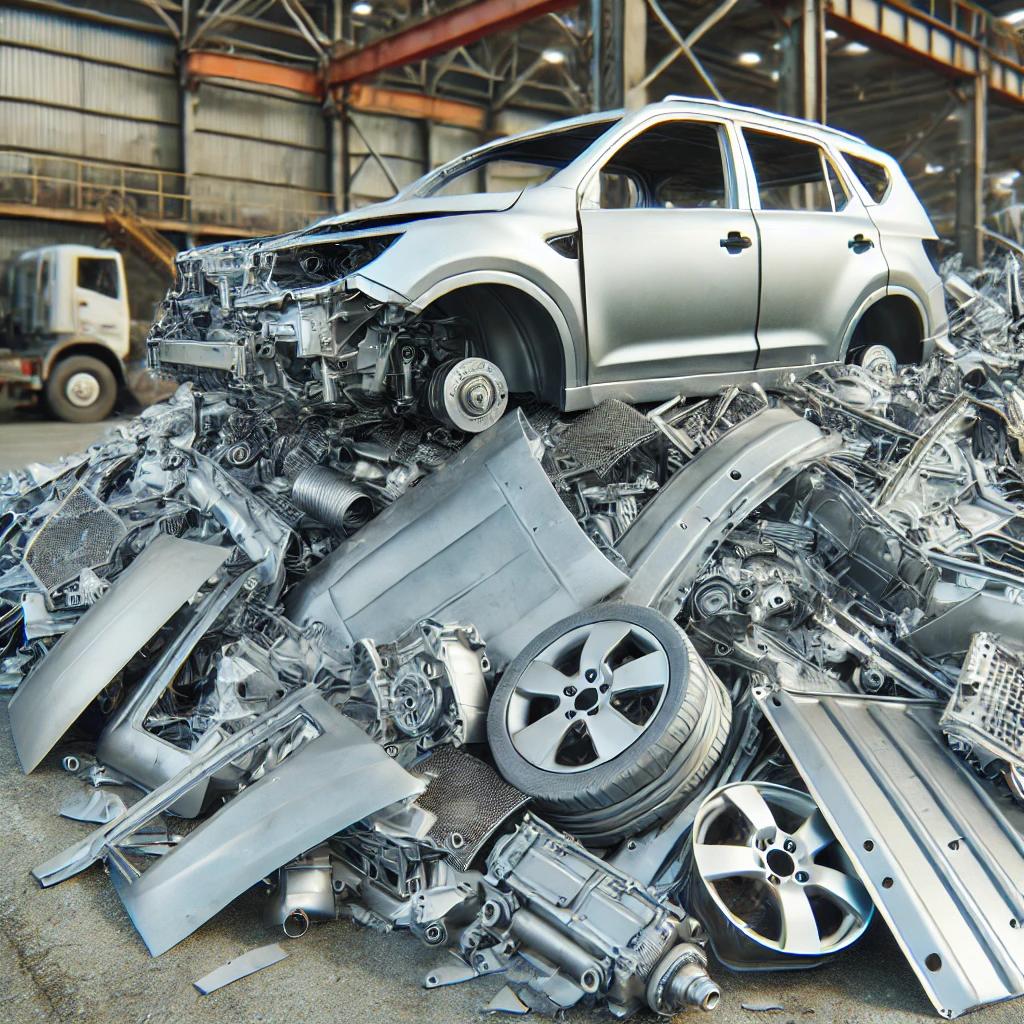
Reduction of damage from non-ferrous metal waste requires implementation of effective methods of environmental management of this waste. This includes the implementation of modern technologies for the collection, sorting and processing (D13) of waste, as well as compliance with international standards of safety and environmental protection.
Management of non-ferrous metal waste should be based on the principles of a closed loop, where metals after the end of the product life cycle can be reused (R7) in production. This will help reduce the extraction of new resources and reduce the amount of waste generated as a result of the processing of vehicles removed from service.
- implementation of low-pollution technologies;
- improvement of waste collection and sorting processes;
- reducing the use of toxic materials in the production of vehicles;
- effective management of transport flows and waste logistics;
- increasing public awareness of the need for proper handling of non-ferrous metal waste.
Non-ferrous metals. Code according to the National List of Waste 16 01 18. Operations according to Appendices 1, 2 to the Law of Ukraine "On Waste Management" D13, R7.
Our company "UtilVtorProm" is a leader in Ukraine in the field of environmental management of non-ferrous metal waste. Thanks to many years of experience and innovative approaches, the company carries out operations of collection, sorting, crushing and processing of non-ferrous metal waste with minimal impact on the environment. Using advanced technologies and adhering to high standards, we ensure environmentally safe transportation of non-ferrous metal waste, reducing harm to people and the environment.
Why choose us
Professional waste management with care for the environment
Modern equipment
We use the latest technologies for efficient processing
Wide range of services
Comprehensive solutions for all types of waste
Comprehensive approach
Full management cycle from collection to disposal
Qualified staff
Experienced specialists with relevant certificates
All types of waste
We work with industrial waste
Over 10 years in the market
Reliable partner for businesses and organizations
Customer Reviews
Kononenko Andrii
27.10.2023For us, it was critically important to have permits for waste management. We chose this company after reading reviews on the Internet. The quality of services is top notch. Professional approach to hazardous waste management. Only positive impressions from the work.
Fedorenko Yuliia
15.11.2023Good day to all. Couldn't resist leaving a review. The decision to choose a contractor for ecological handling of hazardous waste was obvious. We were very pleased with the services. It's not a shame to advertise such a company. They did everything efficiently and quickly.
Hryshchenko Tetiana
20.12.2023Unexpectedly pleasantly surprised by the speed and quality of work. The choice fell on this company for environmental management of hazardous waste. The cost of services is underestimated. The quality exceeds the cost several times. Feel free to contact.
Sydorenko Oleksandr
02.01.2024Thank you for your cooperation. We needed to transport hazardous waste in the shortest possible time, so we contacted this company. I would like to write a few positive words to the management of your company. Thank you for your cooperation. We finally found a reliable partner. Contact us.
Dmytro Serhiienko
28.12.2024UtylVtorProm took a responsible approach to handling hazardous waste. All tasks were completed efficiently, following environmental standards and technical requirements.
Oksana Moskalenko
22.03.2025We are grateful to UtylVtorProm for their professional environmental servicing. All stages of cooperation were well-organized, timely, and carried out under safety control.
Leave a Review
Share your experience working with us
