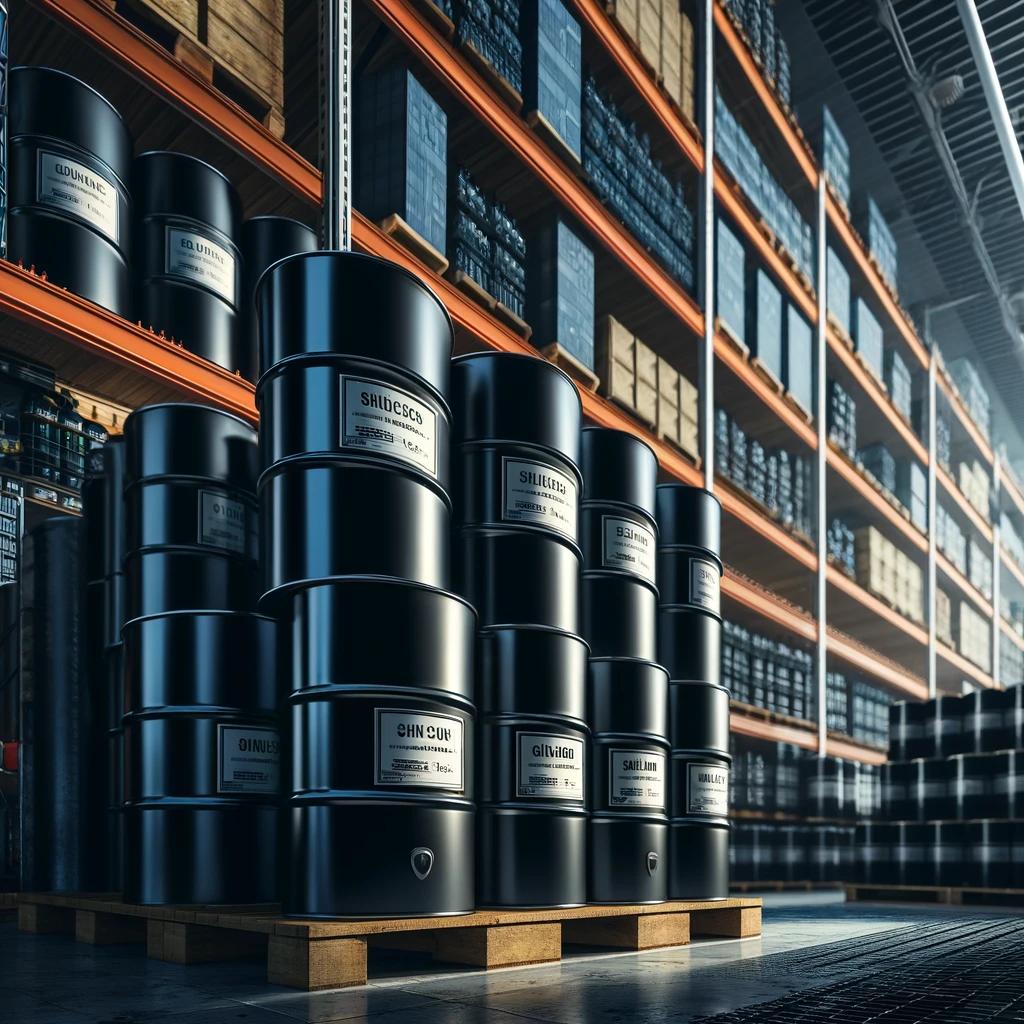
Synthetic hydraulic oils (code 13 01 11*) are used in industrial hydraulic systems requiring high thermal stability and extended service life.
They are produced from synthetic base fluids with functional additives.
These oils maintain stable viscosity and resistance to oxidation.
During operation, they accumulate metal particles and degradation products.
Gradual property deterioration reduces performance.
After losing functional characteristics, the oils become potentially hazardous materials.
Hazardous waste management is based on analyzing composition and contamination levels.
Regulated handling involves separation from other technical oils.
Special attention is required for storage of hazardous waste due to leakage risks.
Key storage requirements include:
- sealed metal reservoirs;
- regular inspection of containers;
prevention of contact with soil and water.
Transportation of hazardous waste considers viscosity and chemical activity.
During transportation, the following measures are ensured:
- complete container tightness;
- minimized mechanical stress;
- compliance with handling procedures.
Recycling focuses on reducing contaminant concentrations and stabilizing composition.
Technological methods help optimize accumulated volumes.
Environmental services include hydraulic system audits.
A systematic approach reduces industrial risks and enhances environmental safety.