20 01 11 Textiles
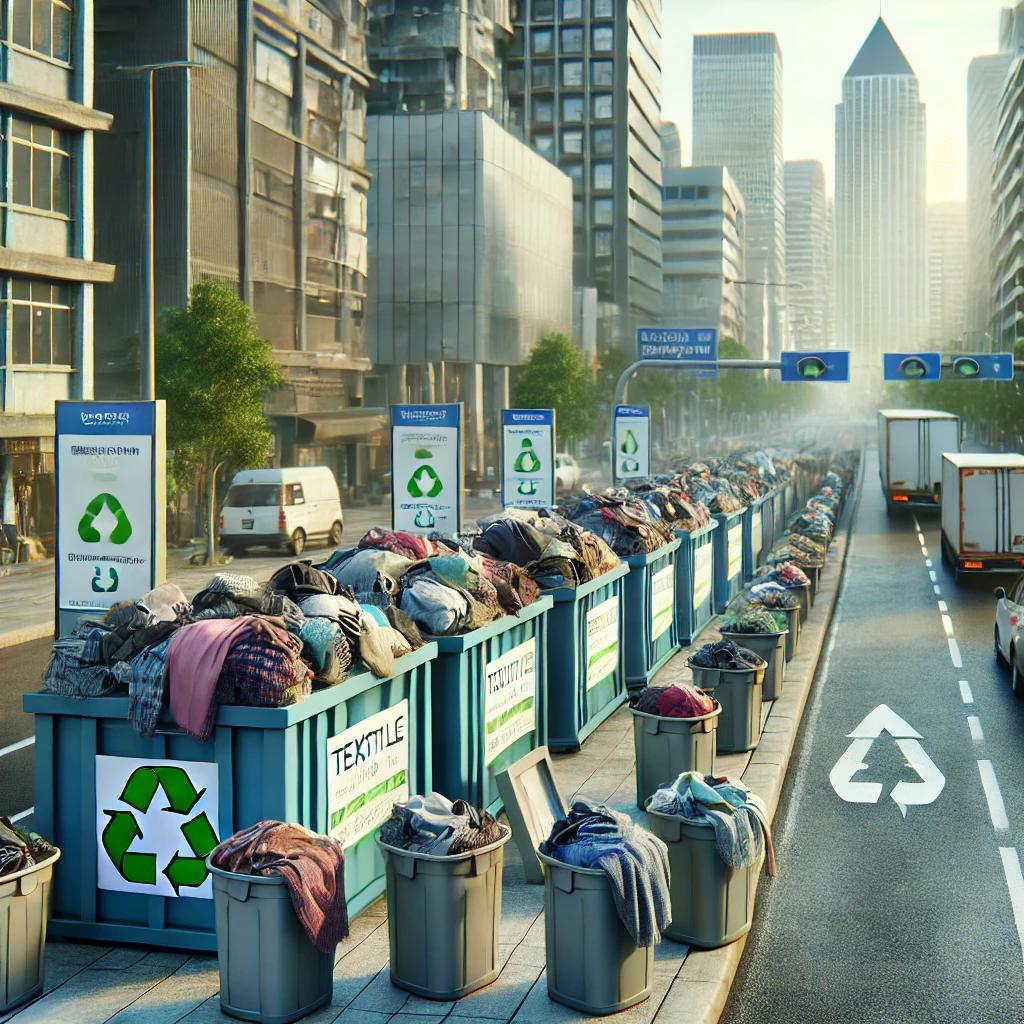
The problem of textile household waste has acquired a significant scale in the modern world. Population growth, lifestyle changes, fast fashion and increased consumption are leading to an increase in textile waste. Households, commercial organizations, industrial enterprises and institutions generate a huge amount of textile waste, which poses a significant challenge for the environmental management of textile waste. The collection, sorting, crushing and processing of textile waste, as well as their transportation, require significant resources and the introduction of new methods to reduce the negative impact on the environment.
Household textile waste consists of a wide range of materials, including clothing, bed linen, towels, carpets and other textiles used in everyday life. Every year, the amount of textile waste increases due to the high frequency of replacement of clothes and other textile products. Modern fashion is changing rapidly, which encourages consumers to buy new things more often than in the past. This creates a significant amount of textile waste, which is difficult to dispose of in an environmentally safe manner.
Textile waste is complex because of its diversity of materials. Natural fabrics such as cotton and linen are mixed with synthetic fibers such as polyester, making them difficult to process. The operations of collecting, sorting, crushing and processing textile waste require an efficient approach and the use of the latest technologies in order to reduce their negative impact on the environment.
There is also the problem of a lack of infrastructure to collect and recycle textile waste in many countries. This leads to the accumulation of textile waste in landfills, where it can remain for hundreds of years without decomposing. Transportation of textile waste to specialized processing centers is also a serious challenge due to significant logistics costs and the lack of a developed network of such centers. Services for waste management, collection and processing: Textiles Code NPV 20 01 11.
Textile. Code according to the National List of Waste 20 01 11. Operations according to Appendices 1, 2 to the Law of Ukraine "On Waste Management" R7, D13.
A pity for the environment and people
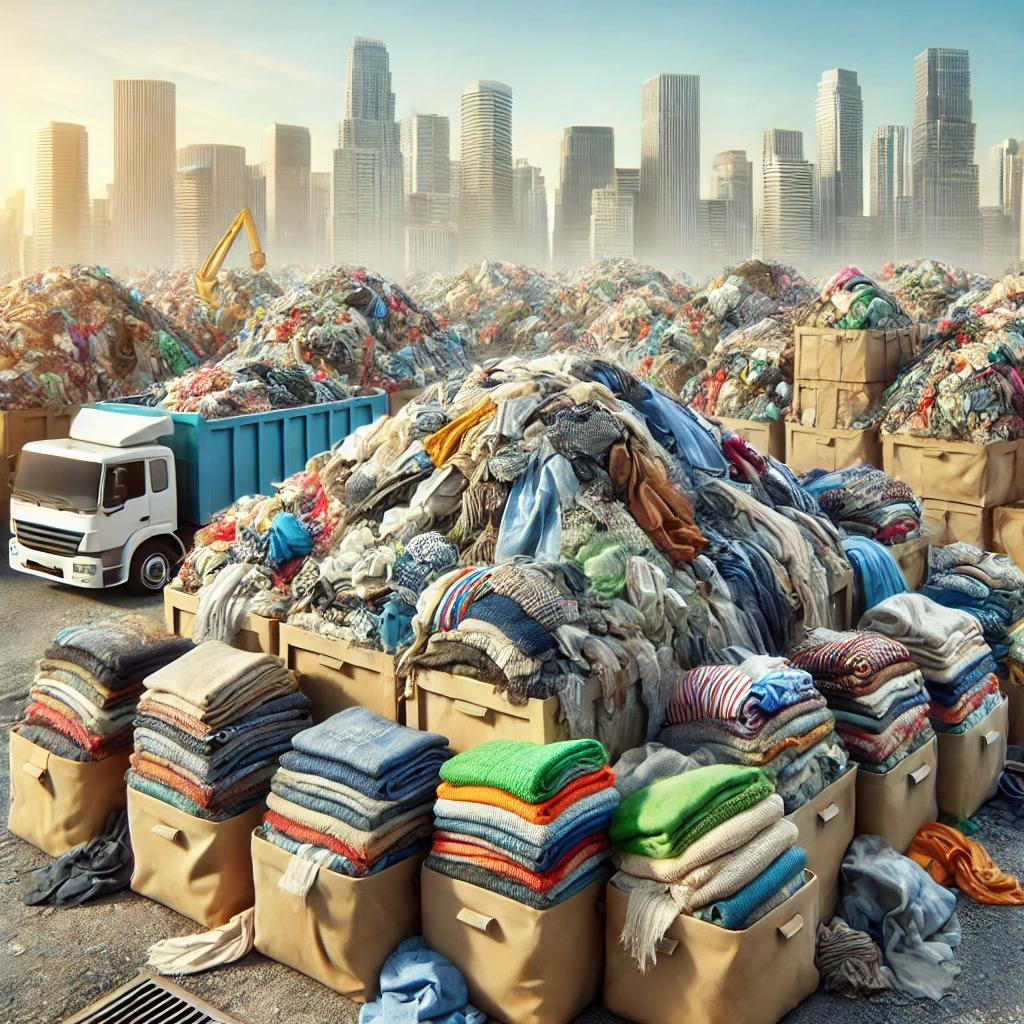
Textile waste has a significant impact on the environment, especially when it ends up in landfills. Many textiles contain synthetic materials that do not degrade naturally, leading to plastic accumulation in soil and water resources. Polyester, nylon and other synthetic fibers can remain in nature for hundreds of years, polluting the environment and creating serious environmental problems.
Incineration of textile waste is also harmful to the environment, as it releases toxic substances, including dioxins and other harmful compounds that pollute the air. In addition, the release of greenhouse gases during combustion contributes to global warming and climate change.
Textile waste can also pollute water resources. When washing synthetic fabrics, microplastics enter water systems, which poses a threat to marine fauna and flora. Water contaminated with microplastics can become a source of serious environmental problems that affect human health and the ecosystem.
Pity for people
The impact of textile waste on human health is significant. Toxic substances released when textiles burn or decompose can enter the air, water and soil, causing serious illness. Respiratory diseases, allergic reactions and even cancer can be caused by exposure to toxic substances released from textile waste.
Furthermore, microplastics contained in synthetic textiles can end up in the water we consume, as well as in food. This leads to the accumulation of toxic substances in our body, which can cause serious health problems, including organ failure, reduced immunity and other negative consequences.
Another problem is the impact of textile waste on psychological health. The accumulation of garbage, environmental pollution and the awareness of damage to nature and health can cause stress and depression in people, especially those who are directly faced with the problems of waste management.
Ways to reduce harm
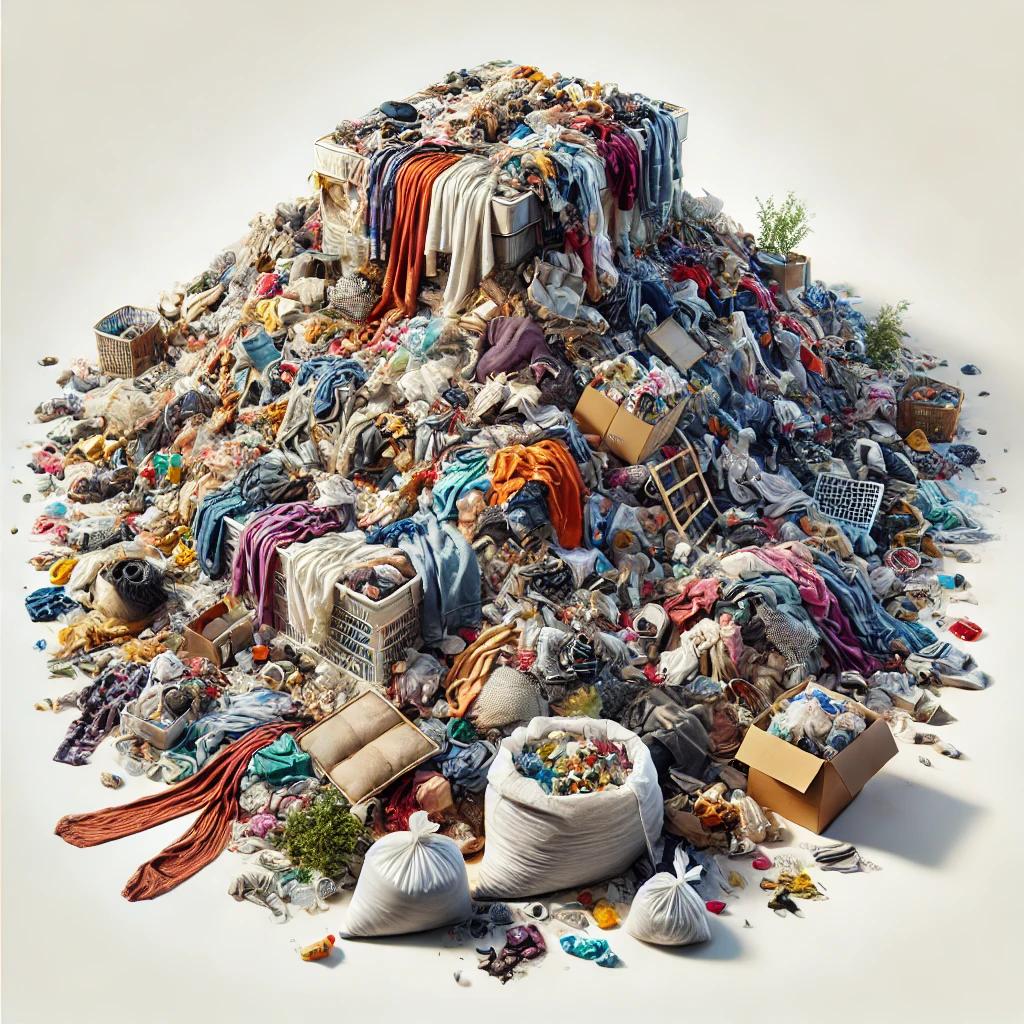
Reducing damage from textile waste requires a comprehensive approach, which includes the introduction of new methods of environmental management of textile waste, increasing consumer awareness and developing infrastructure for processing textile waste.
- Implementation of programs for textile recycling and reuse of textile products (R7);
- Decreasing consumption and encouraging a more responsible approach to buying clothes;
- Development of infrastructure for collection, sorting and processing of textile waste (D13);
- Application of the latest technologies for processing textiles, which allows to reduce emissions of toxic substances;
- Increasing consumer awareness of the harm of textile waste and ways to reduce it.
Methods of environmental management of textile waste should include the development of new approaches to sorting and processing textile products, which will allow to reduce the negative impact on the environment more effectively. An important aspect is also the development of programs for the reuse of textiles, which will reduce the amount of waste that ends up in landfills.
Information about the company UtilVtorProm
The company UtilVtorProm is engaged in the management of textile waste, providing collection, sorting and processing of textile waste with minimal impact on the environment. Thanks to the use of the latest technologies and ecological methods, our company successfully fulfills its mission to reduce the negative impact of textile waste on the environment. UtilVtorProm actively implements innovations in the field of textile waste management, which makes it possible to use resources more efficiently and reduce the amount of waste that ends up in landfills.
Why choose us
Professional waste management with care for the environment
Modern equipment
We use the latest technologies for efficient processing
Wide range of services
Comprehensive solutions for all types of waste
Comprehensive approach
Full management cycle from collection to disposal
Qualified staff
Experienced specialists with relevant certificates
All types of waste
We work with industrial waste
Over 10 years in the market
Reliable partner for businesses and organizations
Customer Reviews
Shapovalova Oleksandra
05.11.2023We have repeatedly contacted them with the need for environmental waste management, and they have never let us down. It did not take long to decide on a contractor company. We will continue to contact them on hazardous waste management issues. Thank you. We are very pleased with the work.
Polischuk Iryna
19.12.2023Thank you for the quick response and fast order fulfillment. We settled on this company for environmental management of hazardous waste. We are very happy to cooperate in the field of hazardous waste management. Order here.
Yakovenko Yelyzaveta
21.01.2024Hello. Thank you for the quality work. I had to choose between this company and another. We settled on this one and were not disappointed. We will contact you in the future on hazardous waste management issues. Responsible company. I recommend it.
Hryshchenko Olena
06.02.2024Pleased with the hazardous waste management work. We needed to urgently transport hazardous waste. Didn't expect it to be so easy to work with this company. Never regretted that we contacted them. We recommend them to everyone.
Tetiana Bondar
14.09.2024UtylVtorProm provided reliable environmental servicing for our company, taking full responsibility for all hazardous waste management processes. The work was completed responsibly, on time, and in full compliance with safety standards.
Andrii Zakharenko
15.12.2024We have been cooperating with UtylVtorProm for several years and are fully satisfied with their service level. The company guarantees high-quality waste processing and consistently demonstrates professionalism.
Leave a Review
Share your experience working with us
