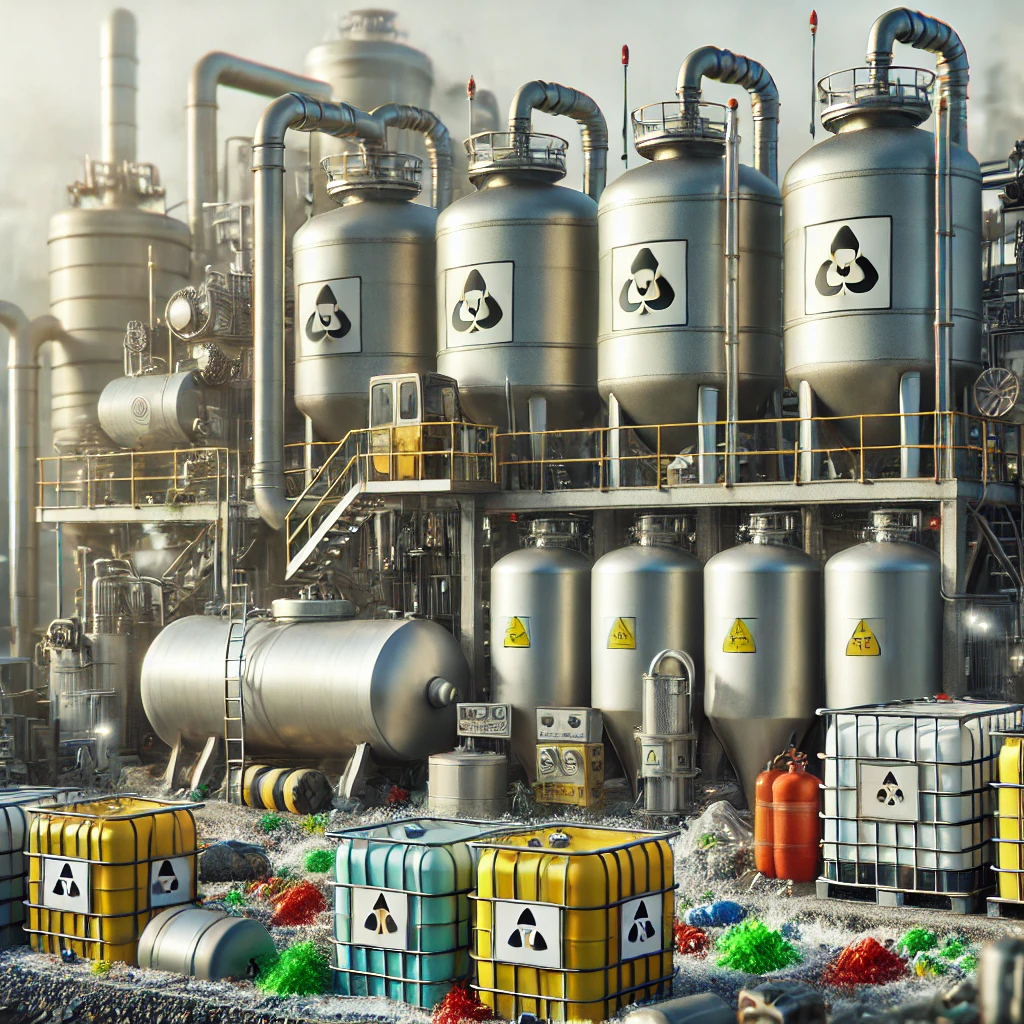
Hazardous liquid waste and water concentrates from groundwater treatment containing dangerous substances (code 19 13 07*) pose a serious environmental challenge. These wastes may contain heavy metals, organic pollutants, petroleum residues, chemical reagents, and other toxic substances that threaten water resources and human health.
Effective hazardous waste management for this category involves strict control over its collection, processing, and recycling. The primary goal is to prevent toxic substances from entering the environment and ensure the safe disposal of hazardous contaminants.
The main types of hazardous water waste include:
- concentrated solutions from groundwater treatment systems
- industrial wastewater with high levels of hazardous contaminants
- residual solutions from chemical water treatment processes
- water concentrates from filtration and sedimentation processes
Proper hazardous waste handling for this type of waste requires specialized purification technologies that effectively remove toxic components and reduce contamination levels. Using modern treatment methods significantly minimizes environmental impact.
Hazardous waste storage must be conducted in specially equipped tanks to prevent toxic liquid leaks into soil and water sources. It is also crucial to consider the chemical activity of certain components to avoid unwanted reactions.
Hazardous waste transportation for liquid waste requires specialized vehicles with sealed containers to prevent spills and vapor emissions of hazardous substances.
Hazardous waste recycling involves filtration technologies, chemical neutralization, and extracting useful components. Some substances can be reused after appropriate purification, reducing environmental pressure.
Environmental servicing for enterprises involved in groundwater treatment includes regular monitoring of liquid waste, optimizing purification methods, and complying with safety regulations.
The main risks of improper hazardous waste handling for this category include:
- contamination of soil and groundwater with toxic substances
- spreading of heavy metals and organic pollutants in the environment
- risk of leaks due to improper storage or transportation
- chemical reactions that may lead to the formation of new toxic compounds
Modern hazardous waste recycling technologies significantly reduce their impact on the environment and ensure effective purification of toxic components.