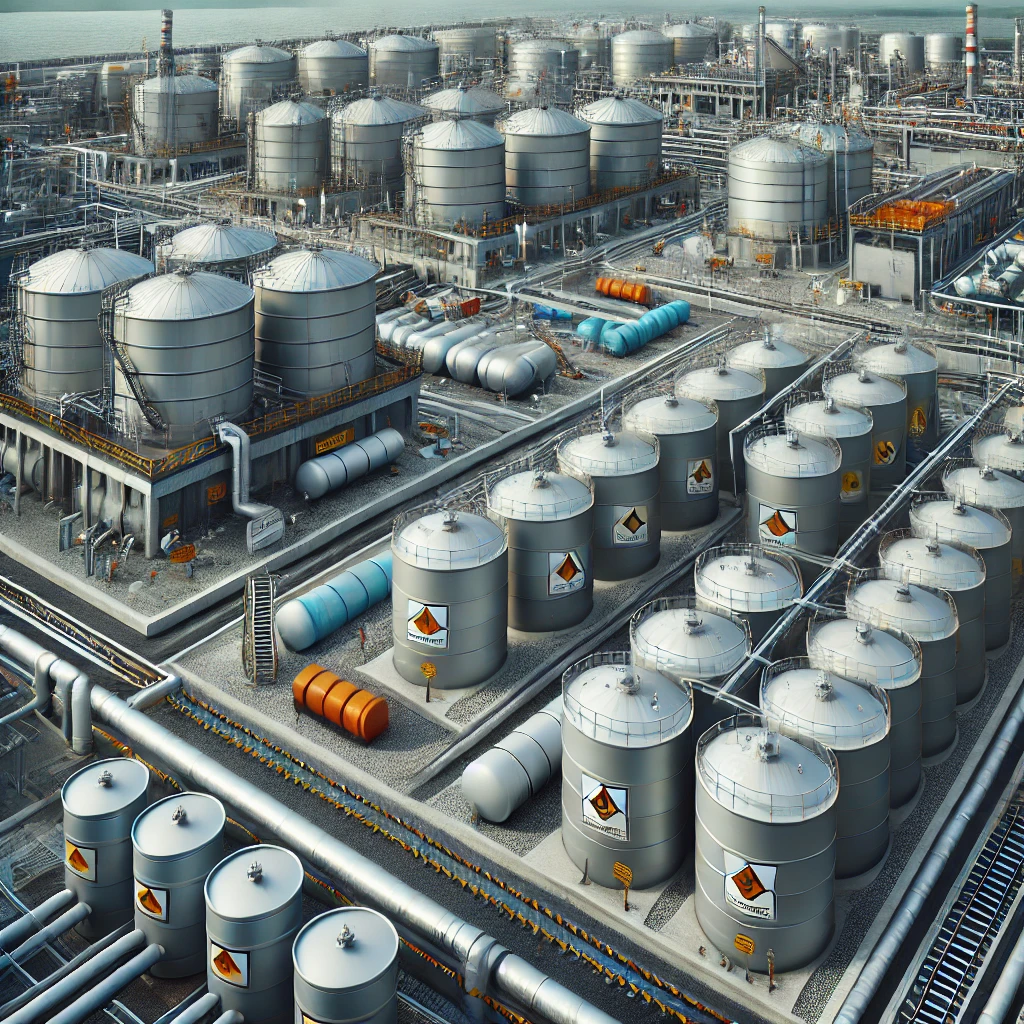
Hazardous liquid waste (code 19 11 03*) is generated in industrial, chemical, and technological processes involving liquids contaminated with pollutants. These may include residues of acids, alkalis, organic compounds, metals, and toxic substances.
Effective hazardous waste management for this category requires continuous monitoring of chemical composition, adherence to environmental regulations, and the use of advanced treatment methods. Uncontrolled discharge of such waste can lead to severe soil and water contamination.
The main types of hazardous liquid waste include:
- industrial fluids contaminated with dissolved metals and chemicals
- residual solvents and emulsions from industrial processing
- liquids with high concentrations of organic pollutants and toxic elements
- aqueous concentrates obtained after wastewater treatment
Proper hazardous waste handling for this type requires specialized approaches and safe decontamination methods. Preventing toxic liquids from entering natural water bodies and underground reservoirs is crucial.
Hazardous waste storage for liquid waste should be carried out in specialized sealed tanks that ensure leak prevention and control over contaminant levels. Some waste types require neutralization before long-term storage.
Hazardous waste transportation for liquid waste must use specialized tankers with leak detection and secure containment systems. Any damage to the transport containers could lead to serious environmental pollution.
Hazardous waste recycling for this category includes mechanical, physicochemical, and biological treatment methods. Some components can be extracted for reuse, while the remaining residues undergo specialized processing.
Environmental servicing for enterprises dealing with hazardous liquid waste should include monitoring toxic substance use, developing waste reduction strategies, and implementing deep purification technologies.
The main risks of improper hazardous waste handling for this category include:
- contamination of soil and water sources with toxic substances
- hazardous chemical reactions if mixed with incompatible substances
- risk of fire or explosion when improperly stored
- negative health effects for workers exposed to hazardous chemicals
Modern hazardous waste recycling technologies significantly reduce environmental impact and make industrial processes safer.