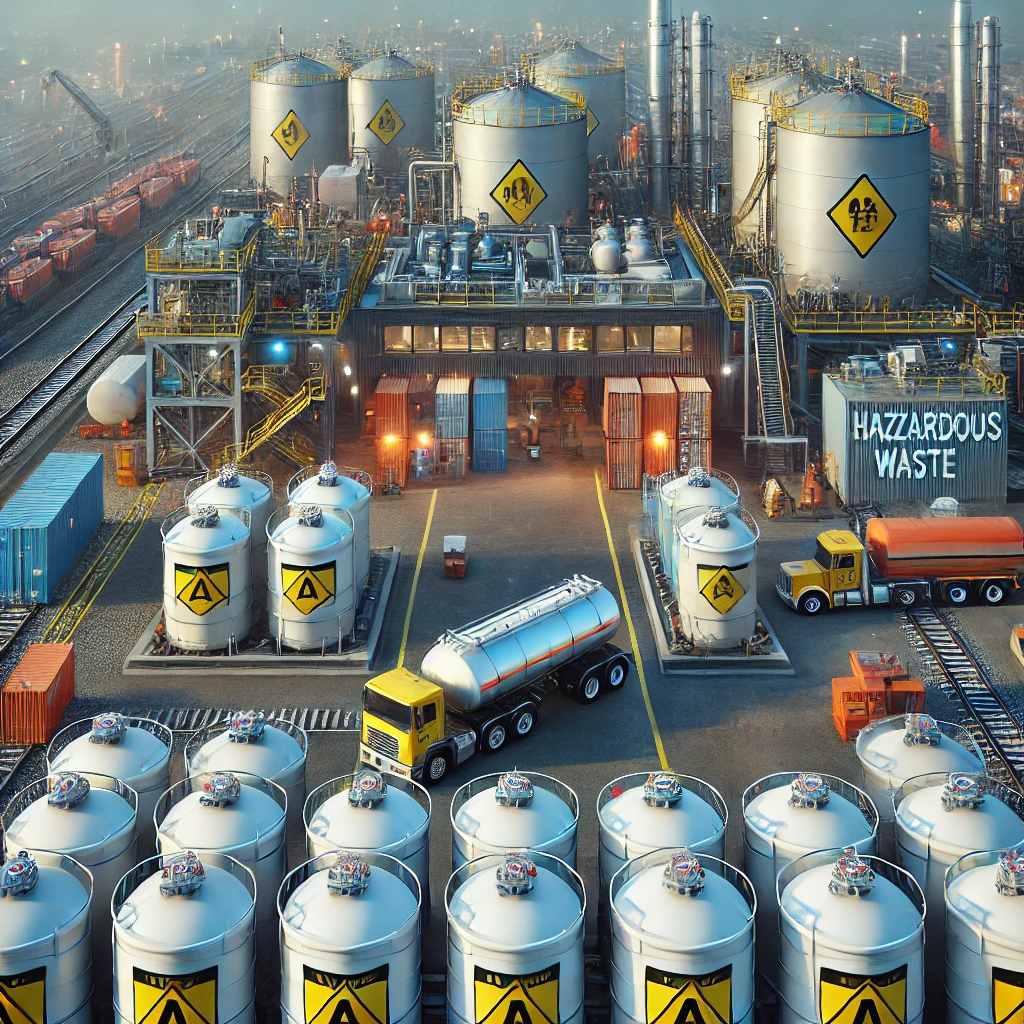
Waste from fuel purification with alkaline substances (code 19 11 04*) is generated during the removal of sulfur, tar, and other impurities from petroleum products and fuel. These wastes contain highly reactive chemical compounds, including alkalis, heavy metals, and organic residues, which pose environmental risks.
Effective hazardous waste management for this category involves continuous monitoring of chemical composition, compliance with environmental regulations, and the use of modern treatment methods. Improper handling can lead to water and soil contamination.
The main types of hazardous waste in this category include:
- residual alkaline solutions after fuel purification
- sludge containing petroleum residues and chemical reagents
- alkali-organic compounds formed during hydro-purification processes
- mixed waste containing traces of petroleum products and purification chemicals
Proper hazardous waste handling for this type requires strict control and specialized treatment technologies to ensure safety. Contact between alkaline components and water or other reactive substances must be avoided.
Hazardous waste storage should take place in sealed industrial tanks designed to prevent leaks of aggressive substances. Monitoring pH levels is essential to avoid the formation of toxic fumes or deposits.
Hazardous waste transportation requires the use of specialized chemical-resistant containers. Proper labeling and strict safety measures must be followed during transit to prevent spills or accidental reactions.
Hazardous waste recycling from fuel purification includes chemical neutralization, thermal processing, or extraction of valuable components. Some purified substances can be reused in industrial applications.
Environmental servicing for enterprises involved in fuel treatment should focus on monitoring purification processes, reducing the use of alkaline solutions, and implementing innovative waste processing methods.
The main risks of improper hazardous waste handling for this category include:
- alkaline substance leaks into water sources, causing chemical reactions
- formation of hazardous gaseous emissions upon contact with other substances
- potential corrosion of storage tanks and containers due to aggressive chemical composition
- toxic exposure risks for workers if proper protective measures are not followed
Modern hazardous waste recycling technologies help reduce environmental impact and improve industrial safety in fuel processing operations.